

 English
  Español
  русский
 From the standard arm for windshield wipers to the rear window wiper arm and blade, seasonal checks help prevent unexpected failures during harsh weather conditions.
Inspecting the Wiper Blades
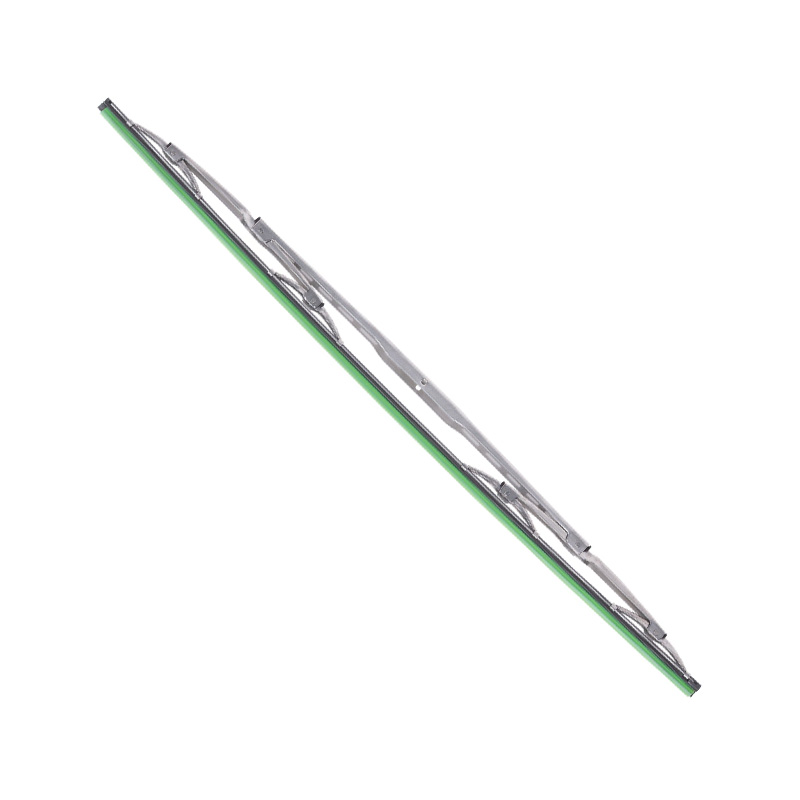
The wiper blades are the more visible part of the system and often wear faster due to exposure to sun, rain, and snow. During seasonal checks, examine both the front and rear blades for cracks, tears, or hardened rubber. A smooth and flexible blade is crucial for wiping the windshield effectively. Even if the blade looks intact, seasonal temperature changes can make it less efficient. Swapping out older blades for new ones at the start of winter or summer can maintain a clear view while driving.
Checking the Wiper Arms
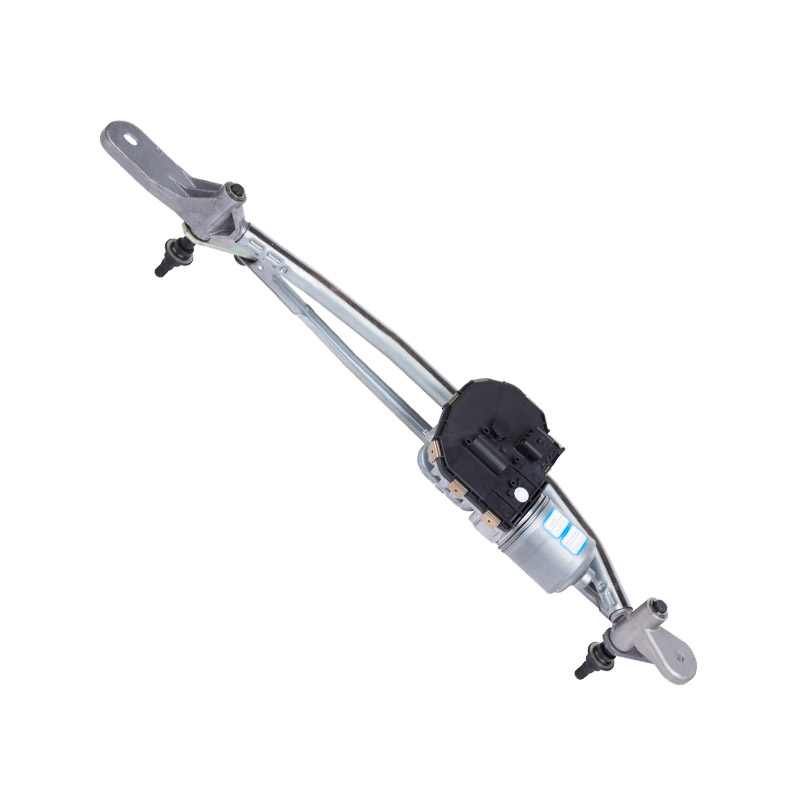
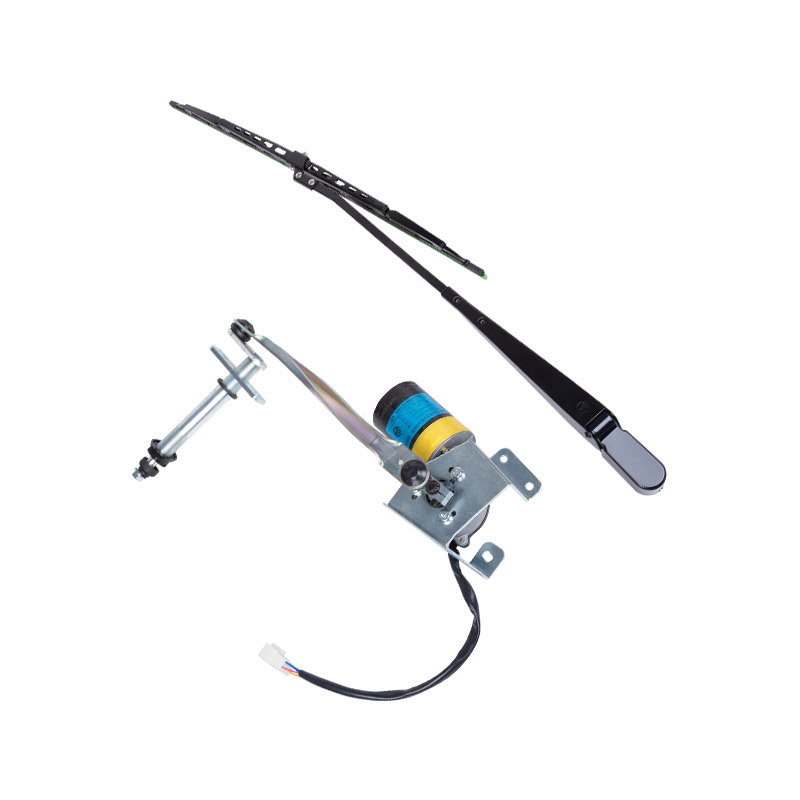
The arm for windshield wipers plays a vital role in pressing the blade against the windshield. Over time, the arm can bend, loosen, or corrode, reducing contact and leaving streaks on the glass. Seasonal inspection involves gently lifting the arms, checking for spring tension, and ensuring they return smoothly to their resting position. Cleaning the arm joints and applying light lubrication can prevent stiffness. If the arm shows signs of damage, replacement is recommended to maintain good contact with the blade.
Maintaining the Rear Wiper
Many drivers overlook the rear window wiper arm and blade, yet this component is critical for visibility, especially during rainy or snowy conditions. The rear wiper often experiences less wear but can accumulate dirt, leaves, or ice. Seasonal maintenance includes removing debris, testing the arm's motion, and checking the blade's flexibility. Like the front wipers, replacing worn rear blades improves performance and reduces the risk of scratched glass.
Train Wiper Technology Influence
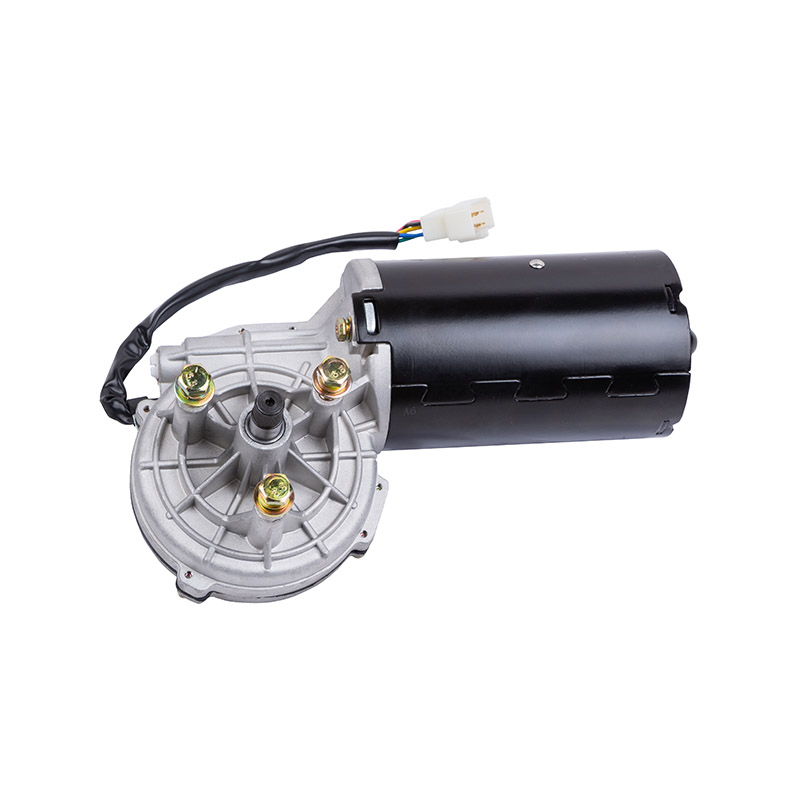
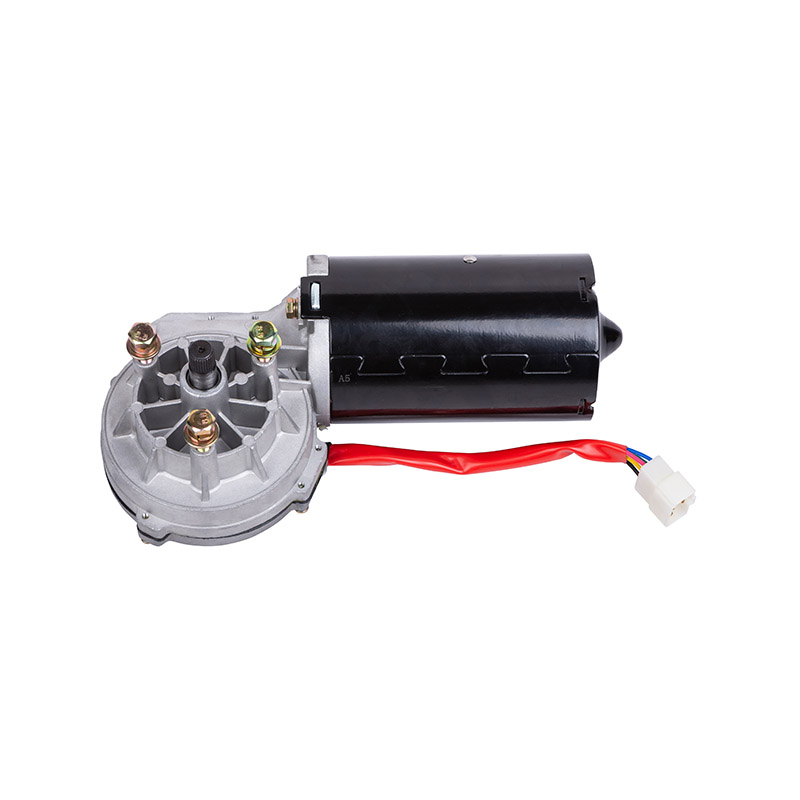
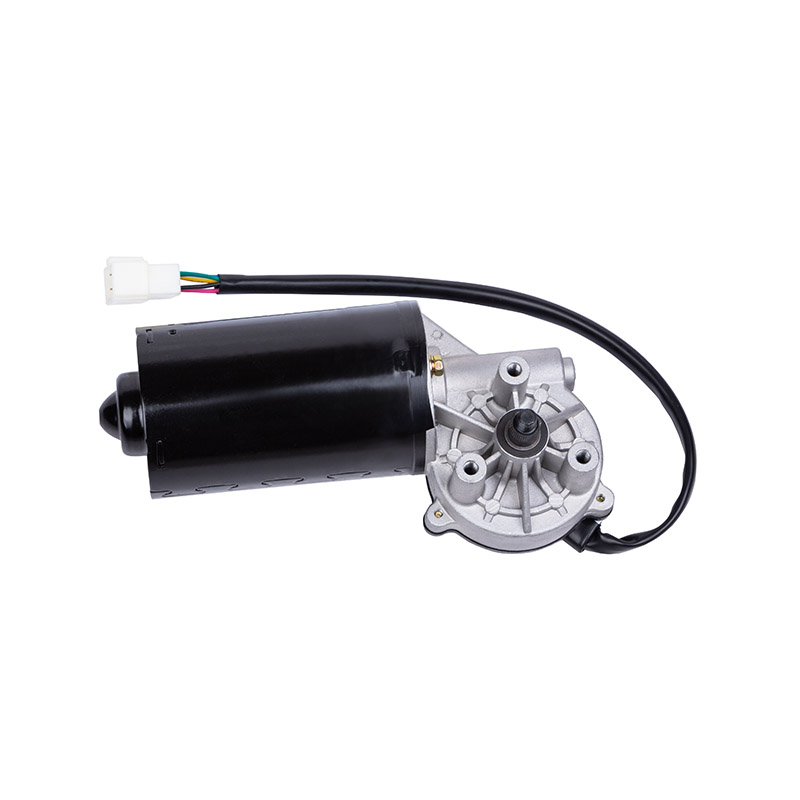
While passenger cars use relatively simple wiper systems, innovations in train wiper technology provide insights into durability and efficiency. Train wipers are designed to handle larger glass surfaces and withstand continuous heavy rainfall, snow, and high-speed travel. Learning from these systems, automotive wipers can benefit from improved materials and motor design. Features like reinforced arms for windshield wipers and adaptable blade profiles can help passenger cars perform better in challenging weather.
Seasonal Care Tips
Proper seasonal care extends beyond inspection and replacement. Before winter, check the washer fluid and fill it with a formulation that resists freezing. During summer, ensure that wipers are free from sap, dust, or other residues that can accelerate wear. Periodically running the wipers helps maintain motor function and prevents the blades from sticking to the glass. Even simple steps, like parking in a shaded area or wiping down the blades occasionally, contribute to longer service life.
Replacing Wiper Components
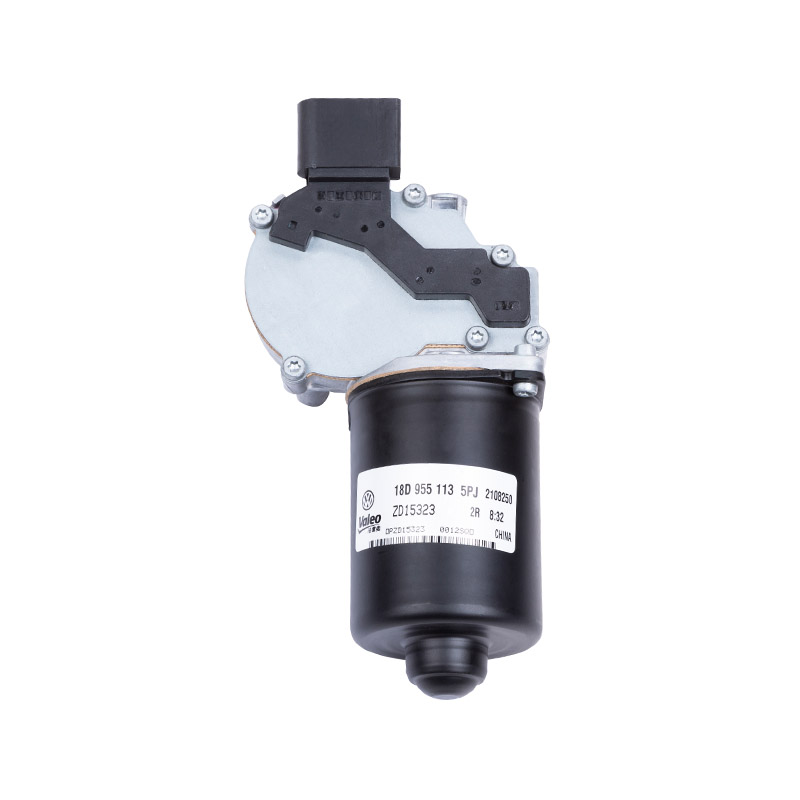
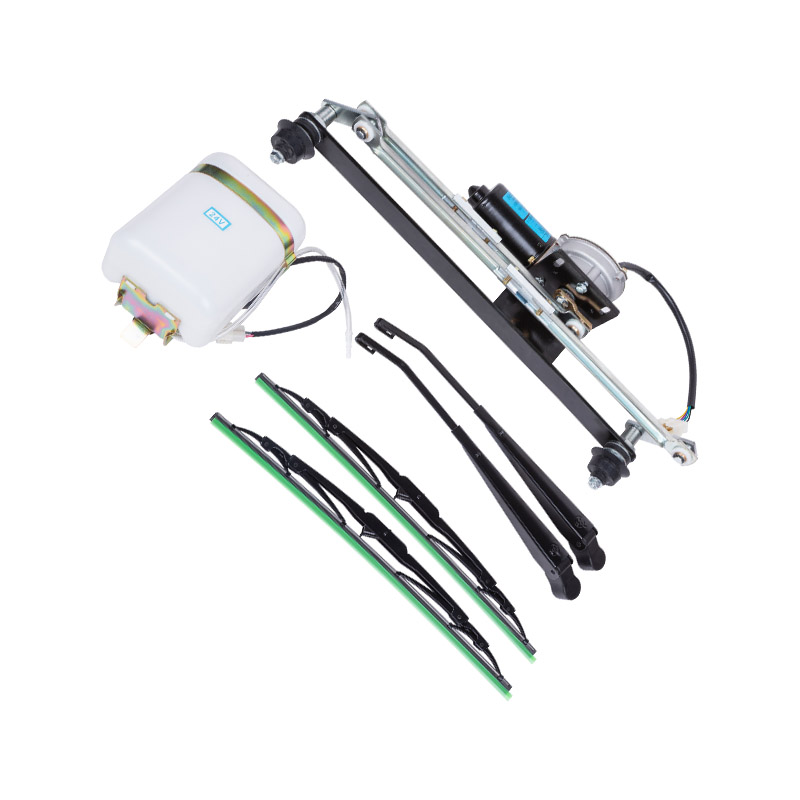
Replacement should be based on observed wear rather than a strict schedule. Front blades, rear blades, and the arm for windshield wipers can be swapped individually or together, depending on condition. Using compatible parts ensures proper fit and prevents damage to the windshield or wiper motor. Seasonal replacement not only improves visibility but also reduces noise and streaking during operation.
Seasonal care of a passenger car wiper system is an important aspect of vehicle maintenance. By inspecting and maintaining the arm for windshield wipers and the rear window wiper arm and blade and understanding influences from systems like train wiper designs, drivers can improve visibility and safety on the road. Regular checks, cleaning, and timely replacement of worn components help ensure that the wiper system performs reliably in all weather conditions. Taking these steps at the start of each season contributes to safer driving and a longer lifespan for both the wiper blades and arms.