Synchronous Motor Industry Knowledge Extension
Synchronous Motor
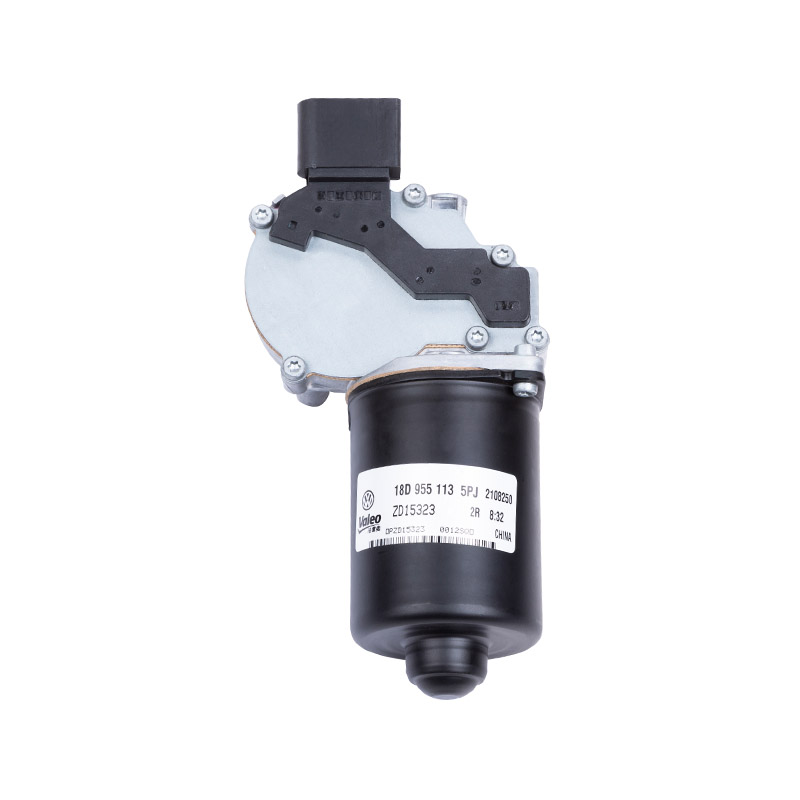
Synchronous motors are widely used in various industrial and automotive applications due to their ability to maintain a constant speed under varying loads. Unlike asynchronous motors, synchronous motors operate at a speed directly proportional to the frequency of the power supply, providing consistent rotational performance. These motors are often employed in situations where precise timing and stable operation are essential, such as in automation equipment, conveyor systems, and some types of vehicle components. Synchronous motors can operate efficiently with both single-phase and three-phase power, and their construction typically includes a rotor with permanent magnets or electromagnets and a stator with a multi-phase winding. Proper maintenance of synchronous motors involves regular inspection of bearings, lubrication, and checking the alignment of electrical connections to ensure long-term reliability. In automotive and wiper applications, synchronous motors are favored for their quiet operation and smooth torque output. Selection of a synchronous motor should consider parameters such as torque requirements, operating environment, voltage, and speed range. By understanding these characteristics, engineers and technicians can integrate synchronous motors into systems that demand stable and consistent performance. Overall, synchronous motors provide a dependable solution for applications that require controlled speed and reliable operation.
Vehicle Wiper System
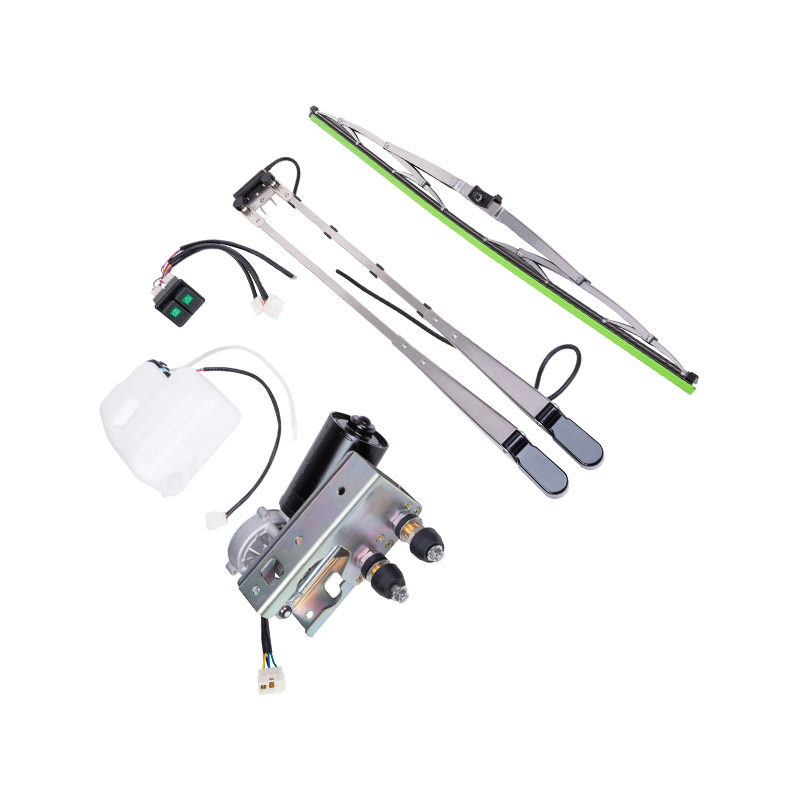
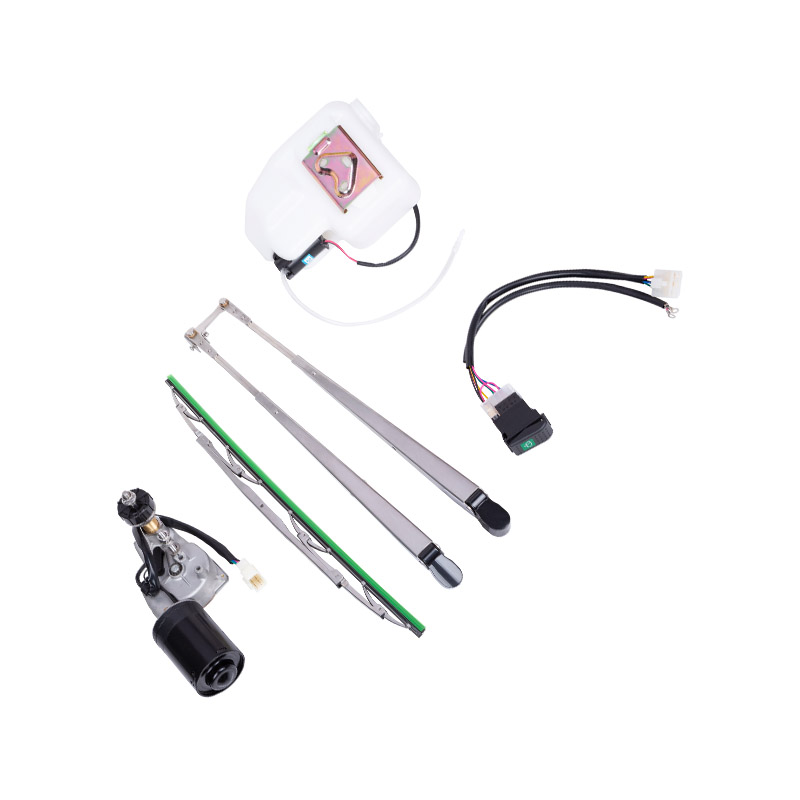
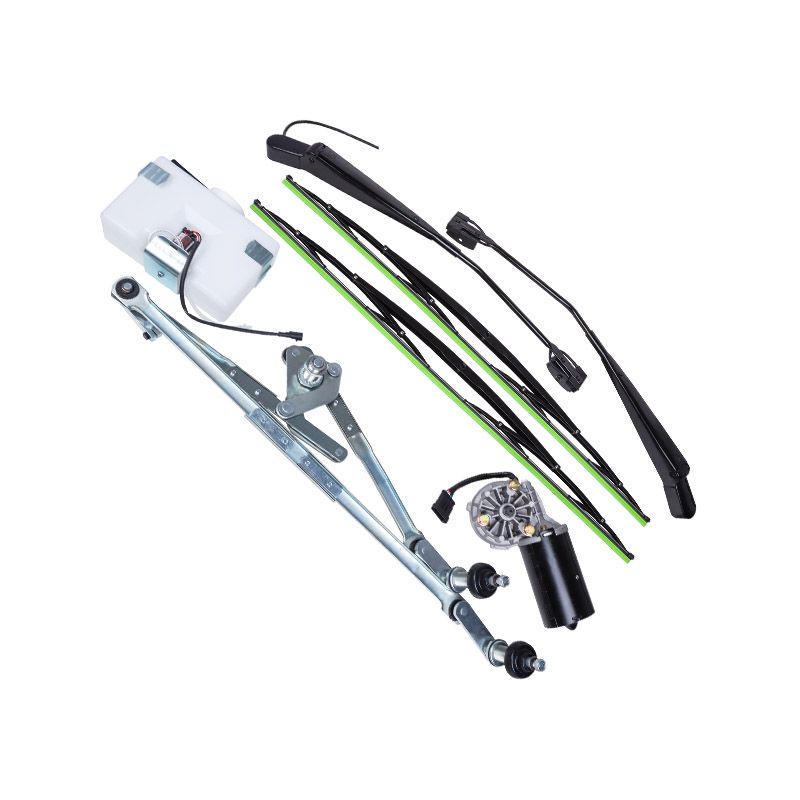
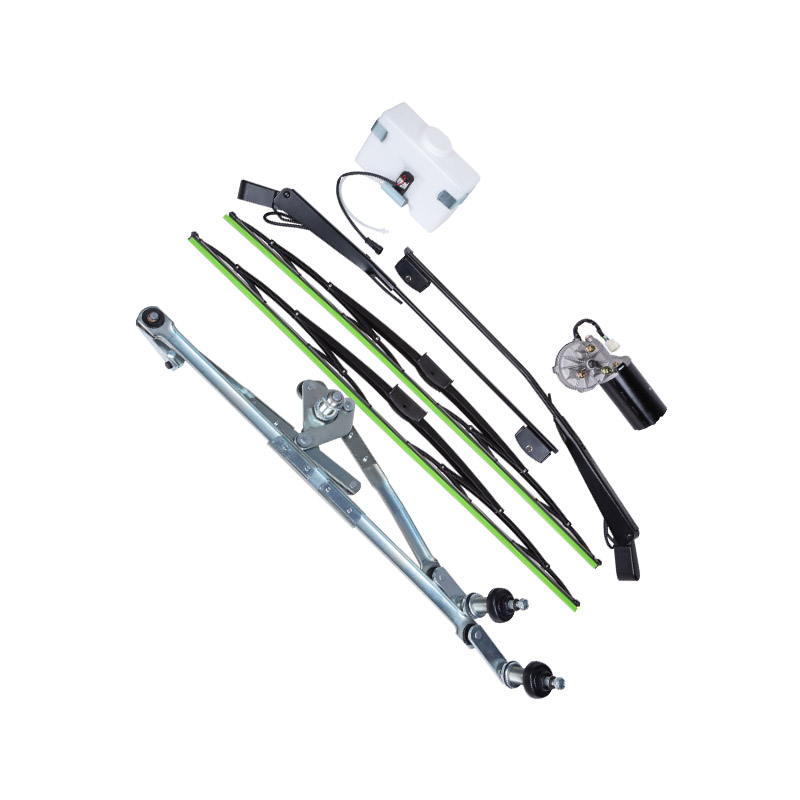
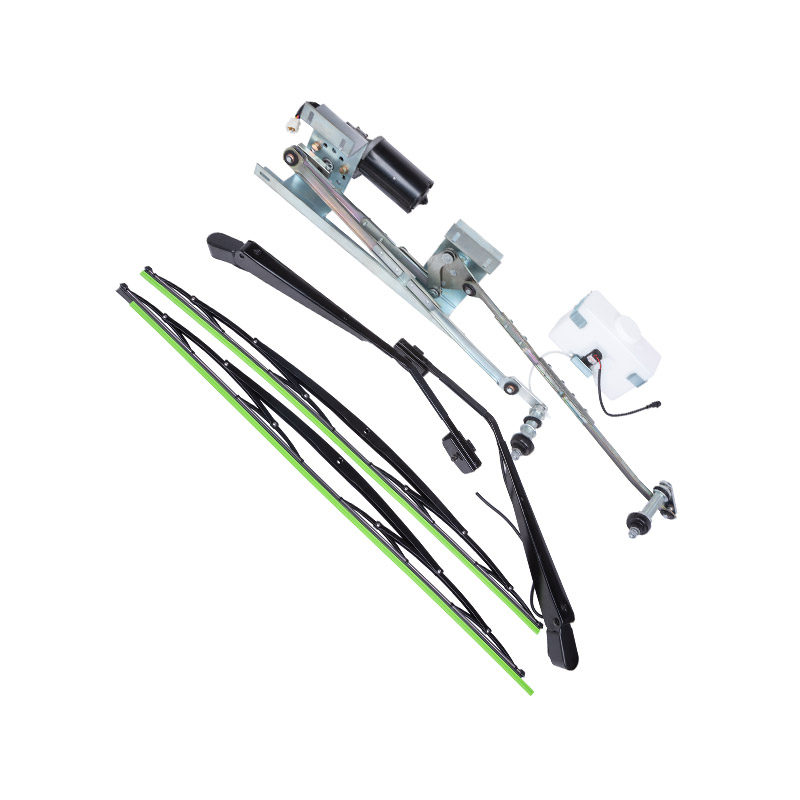
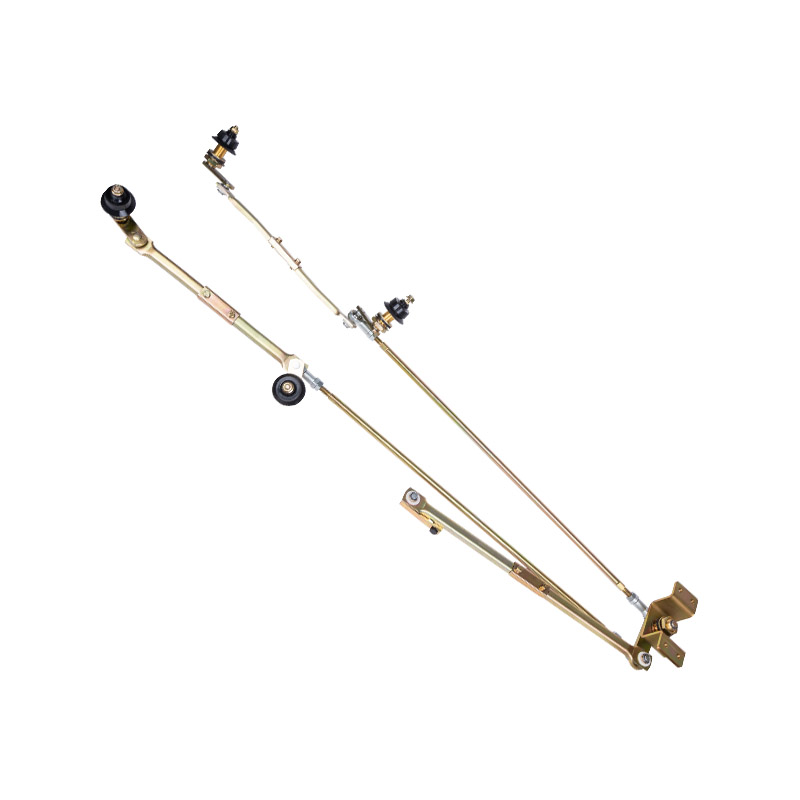
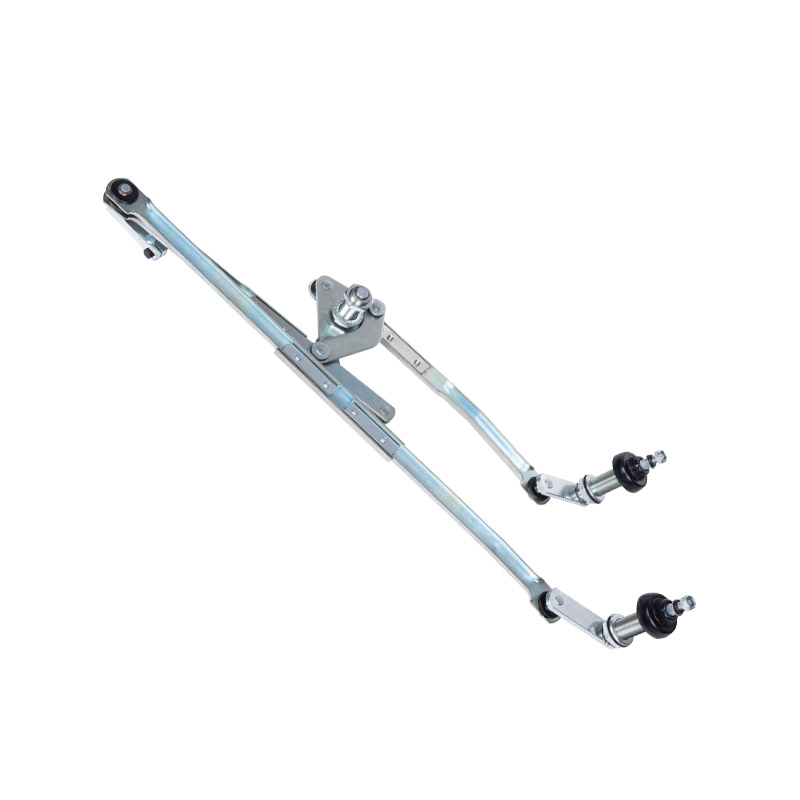
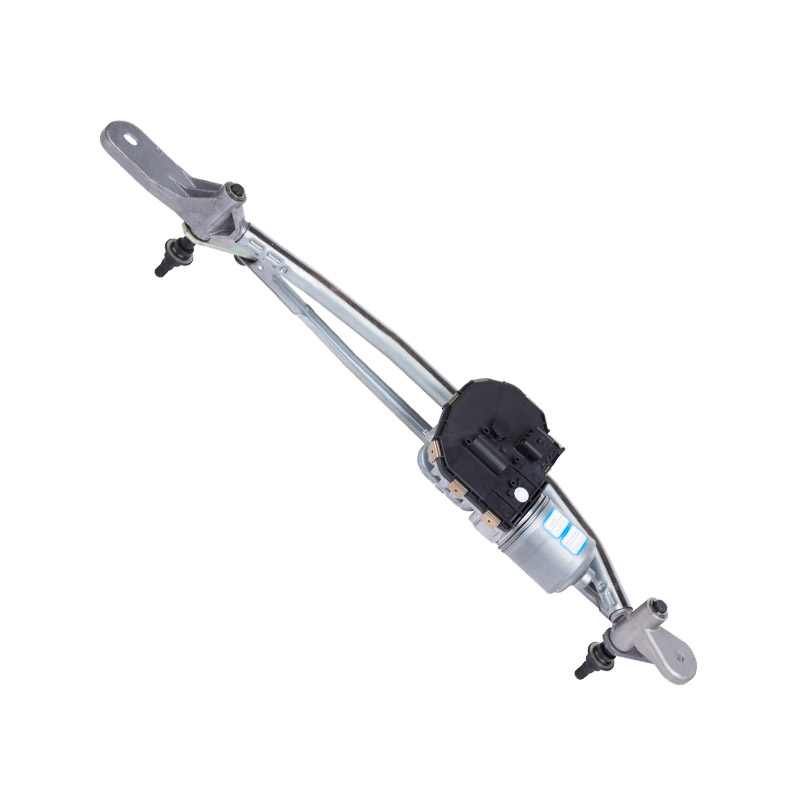
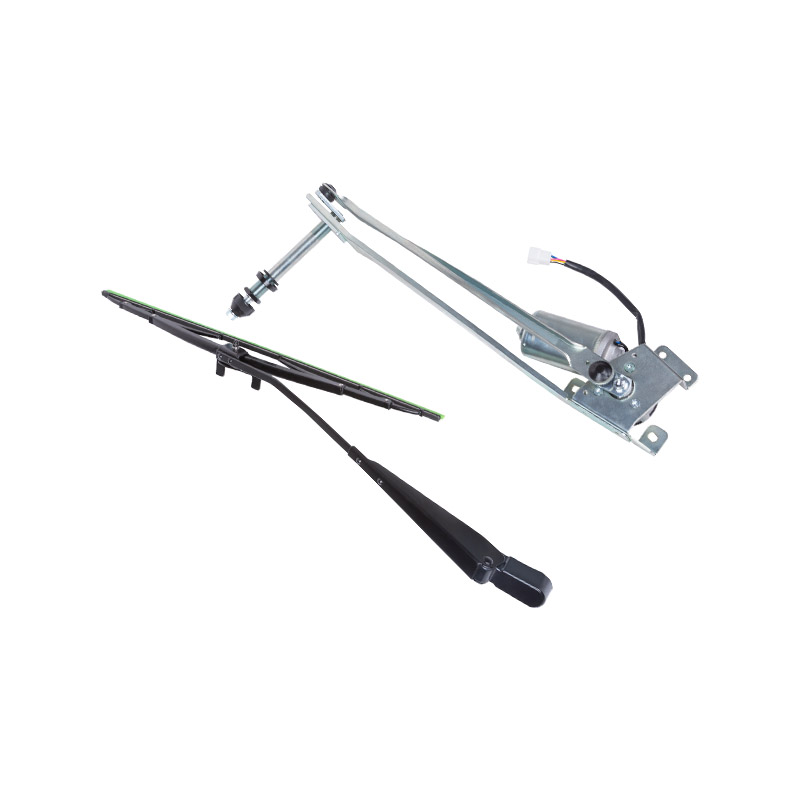
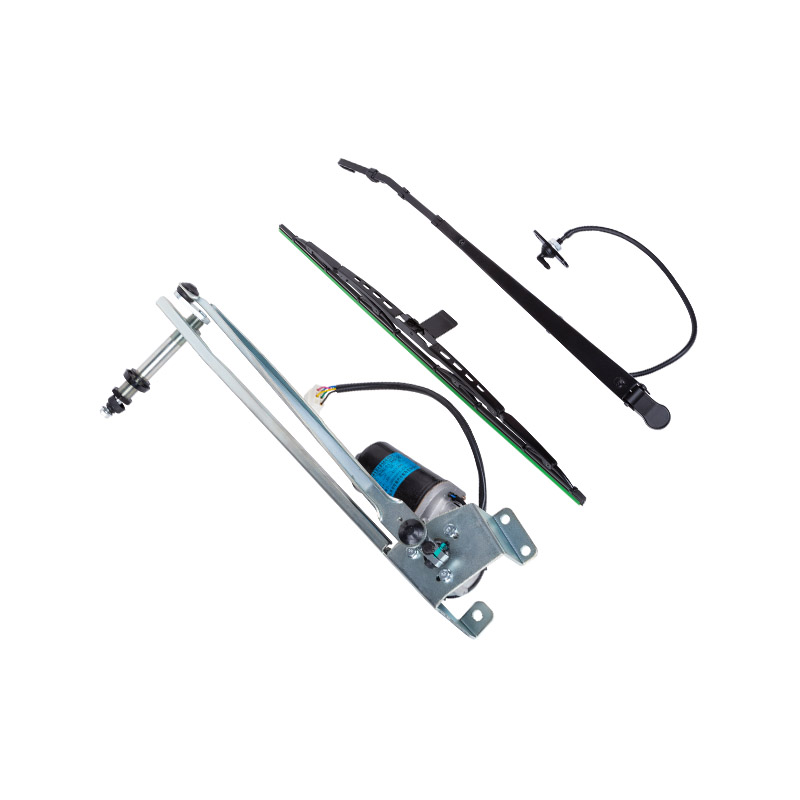
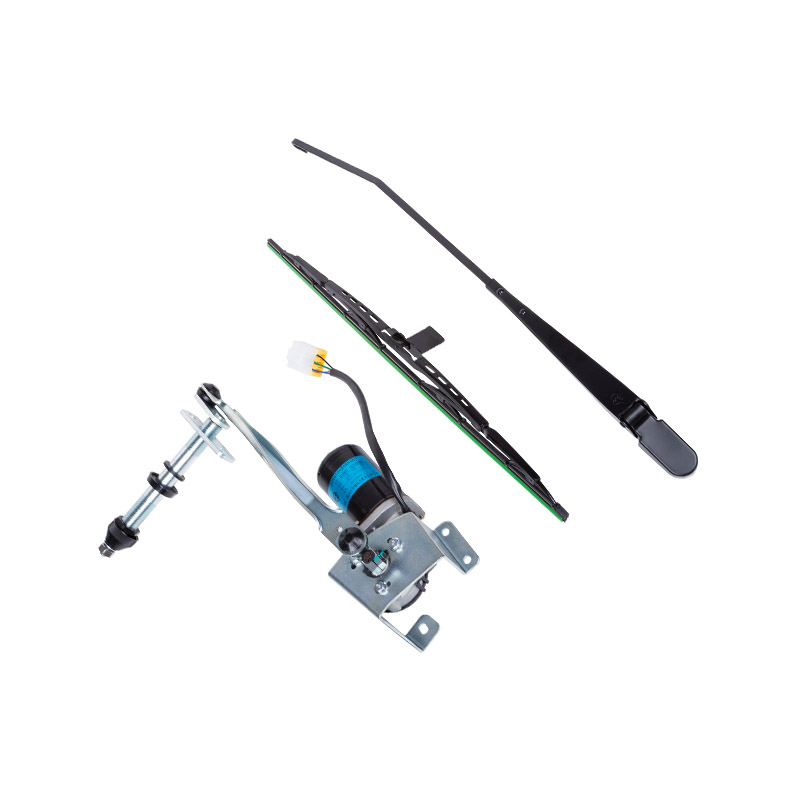
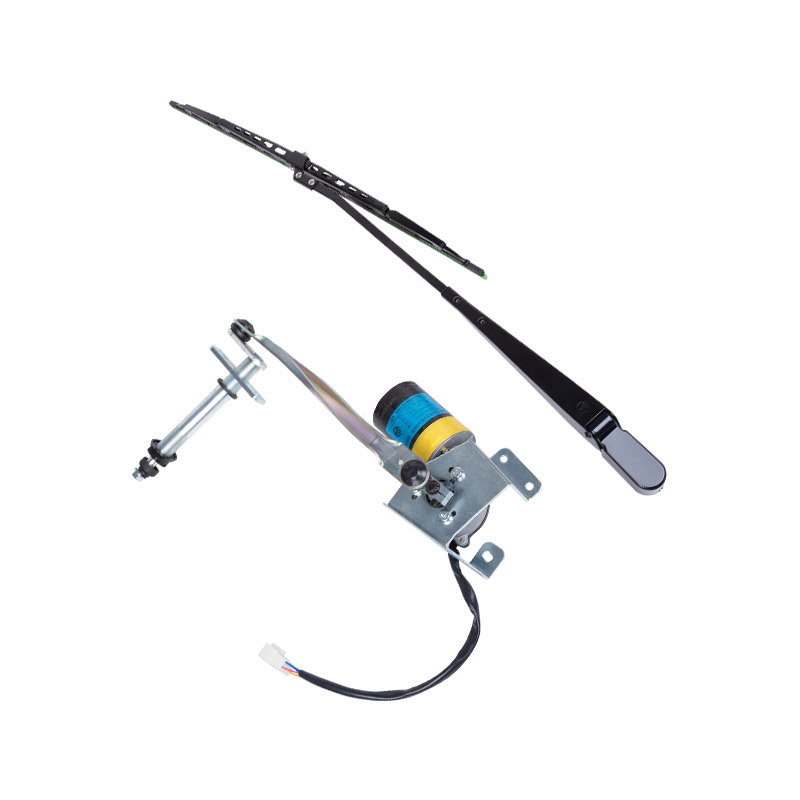
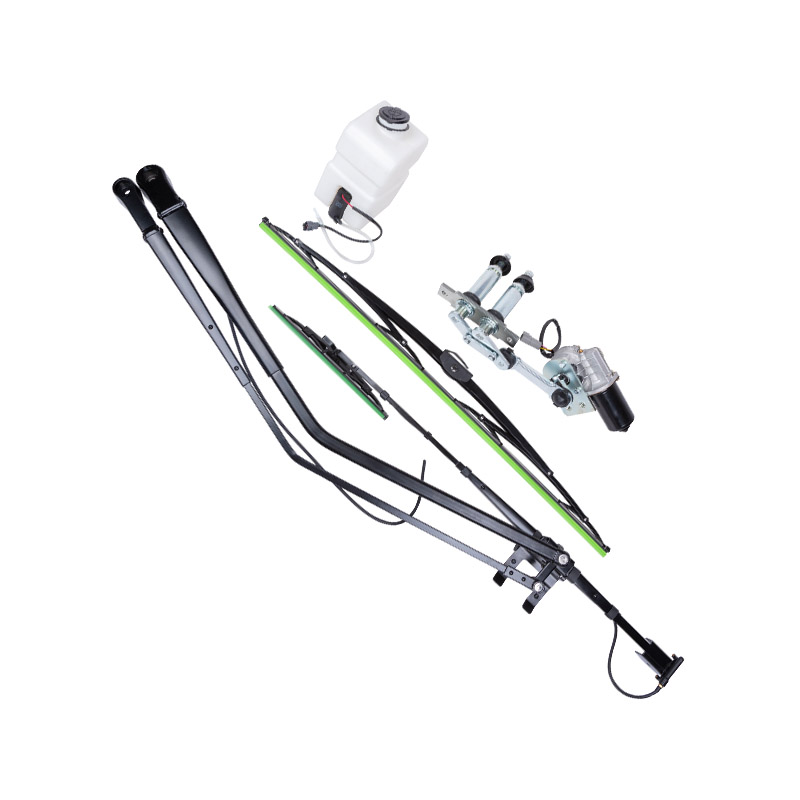
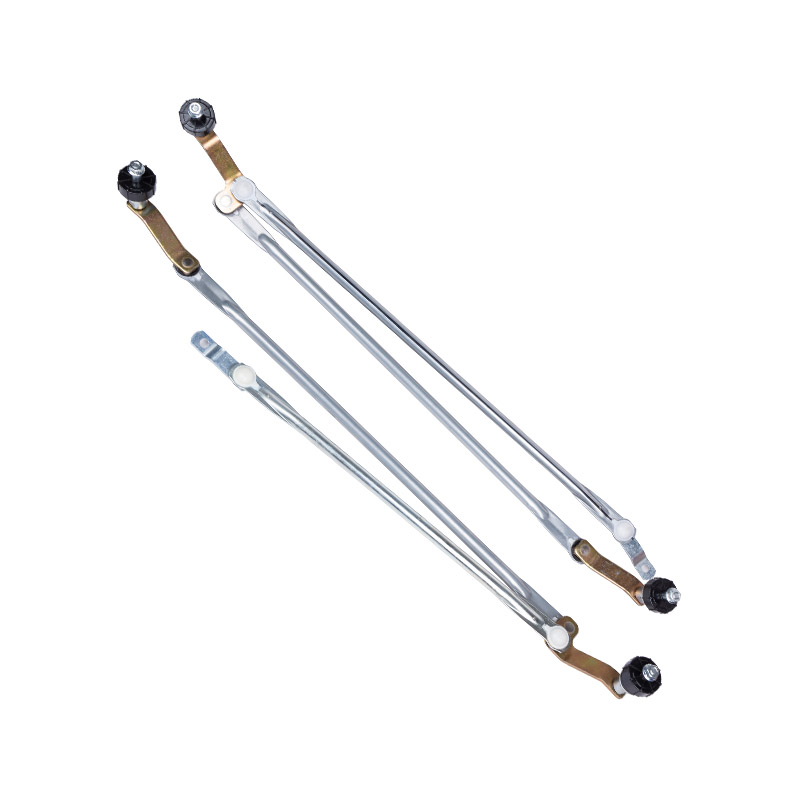
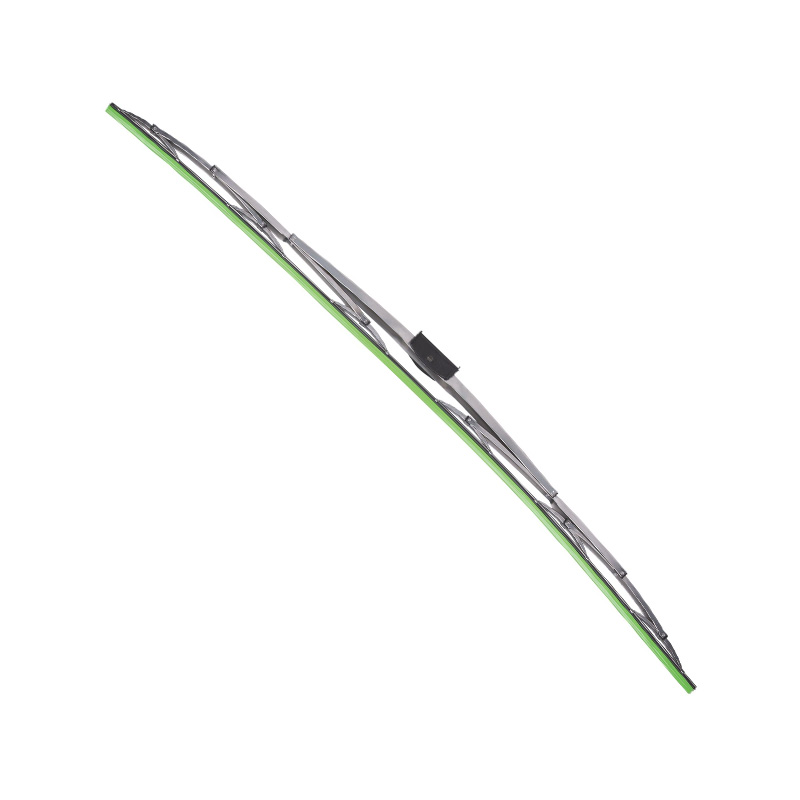
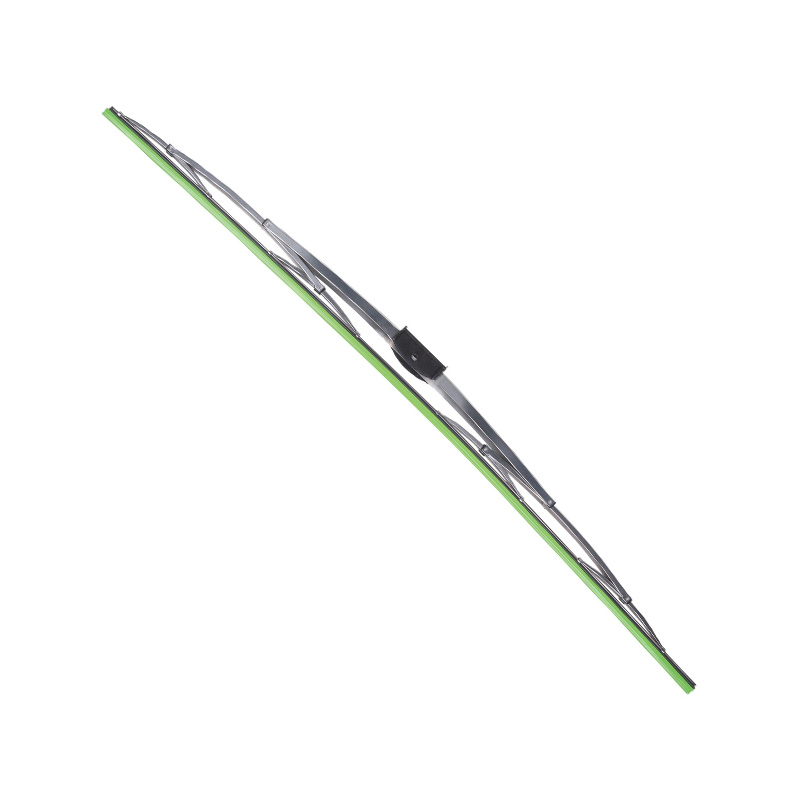
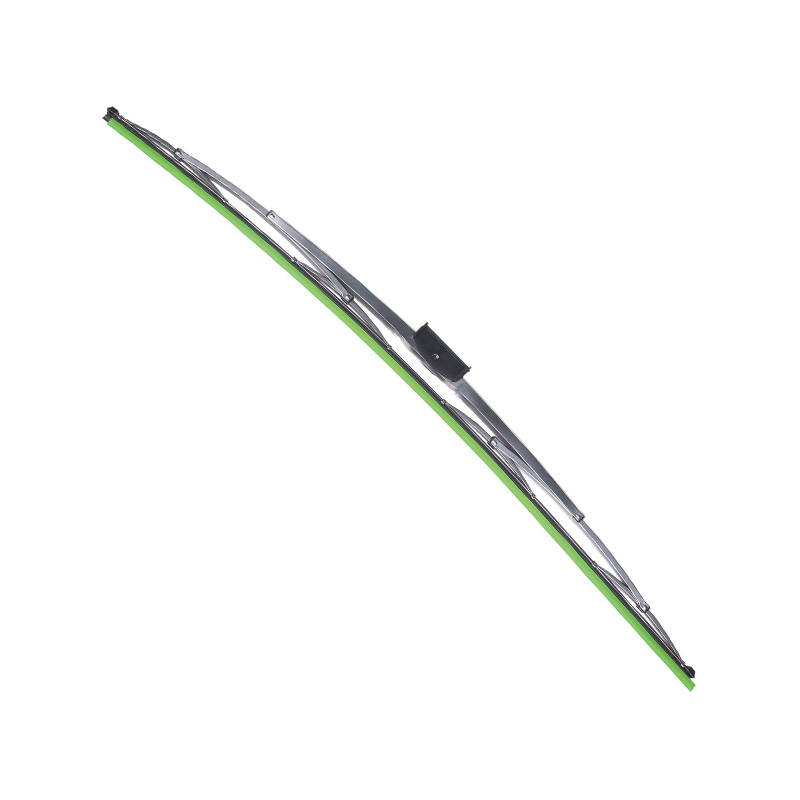
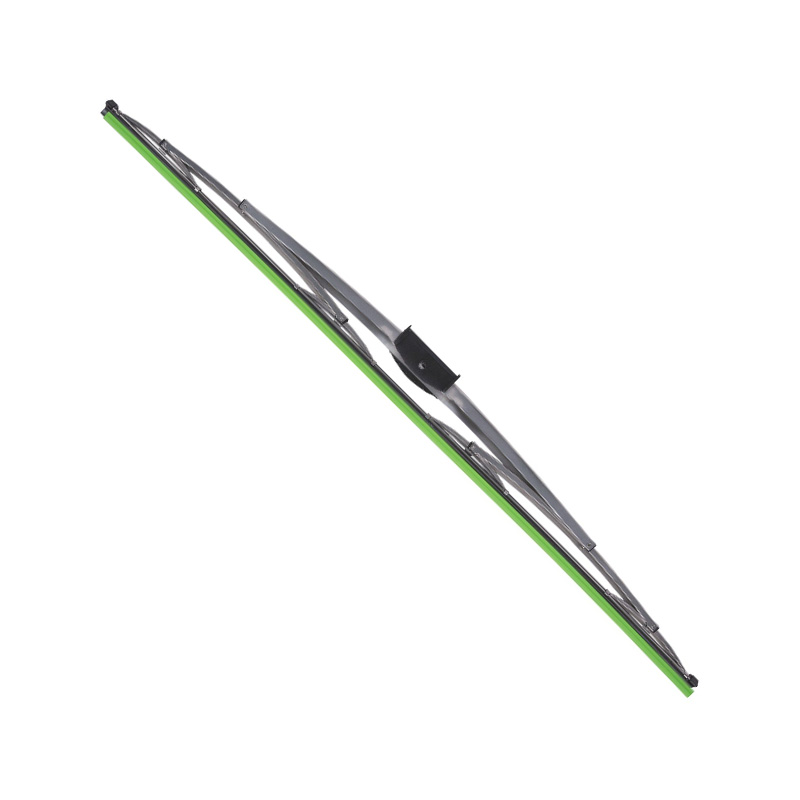
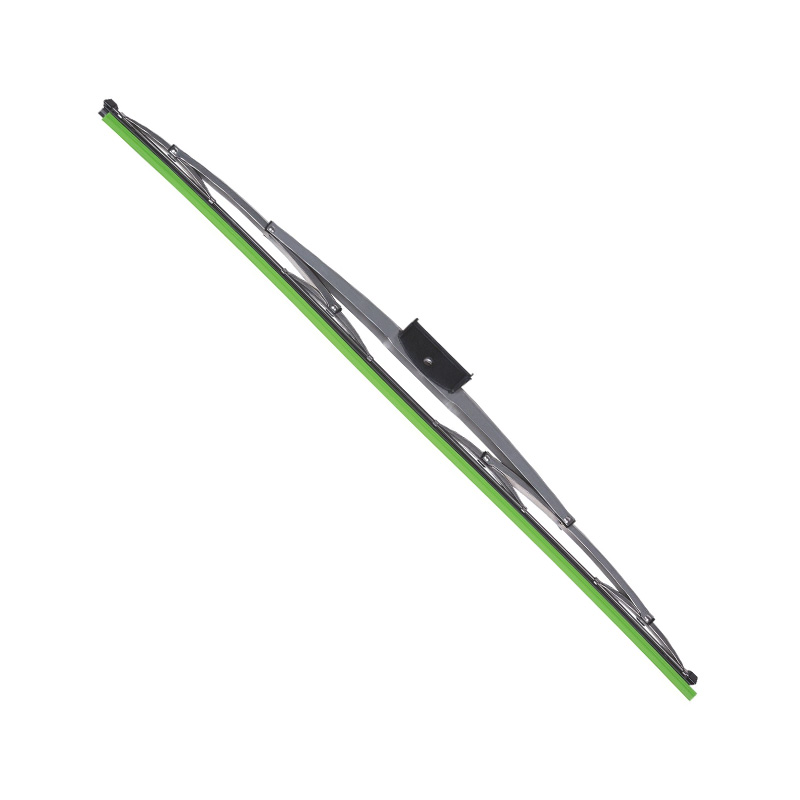
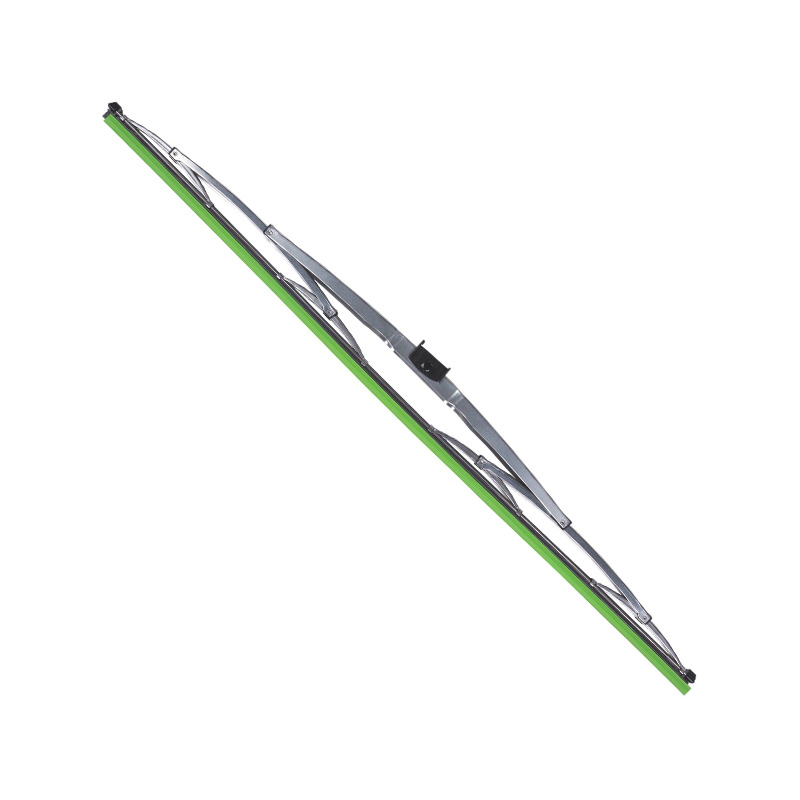
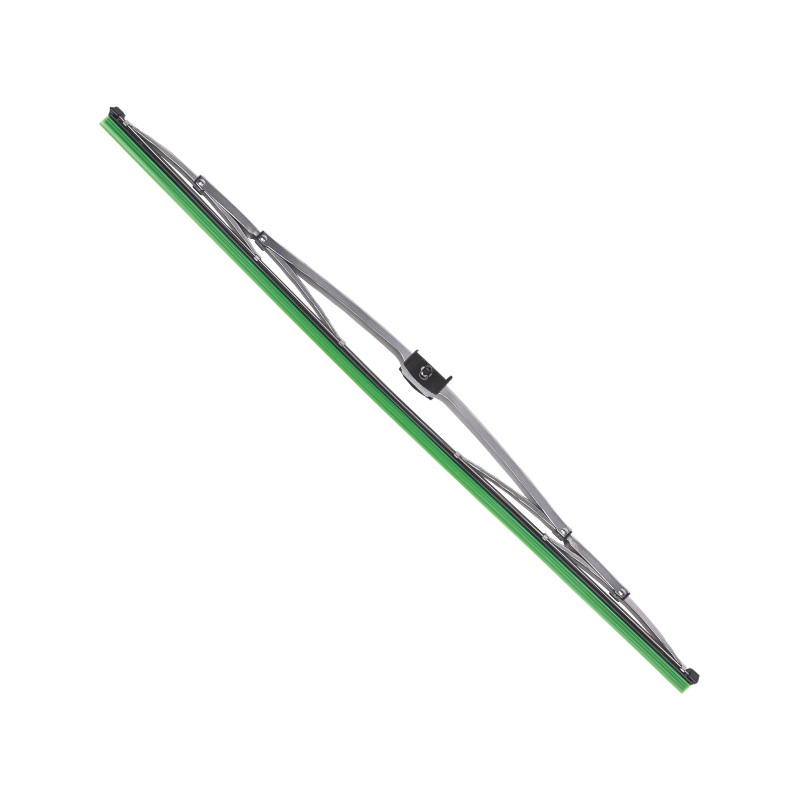
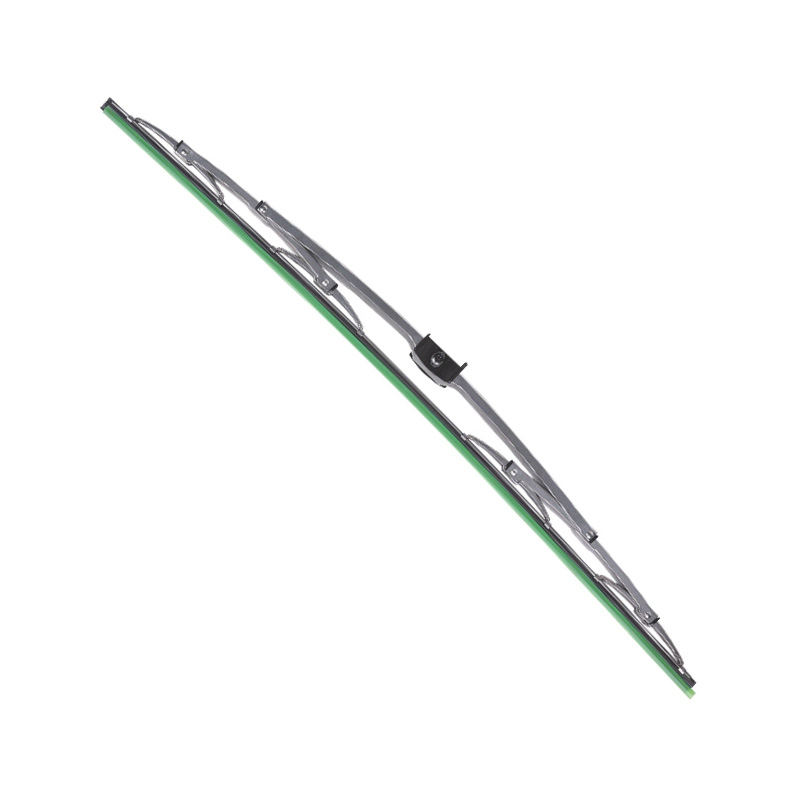
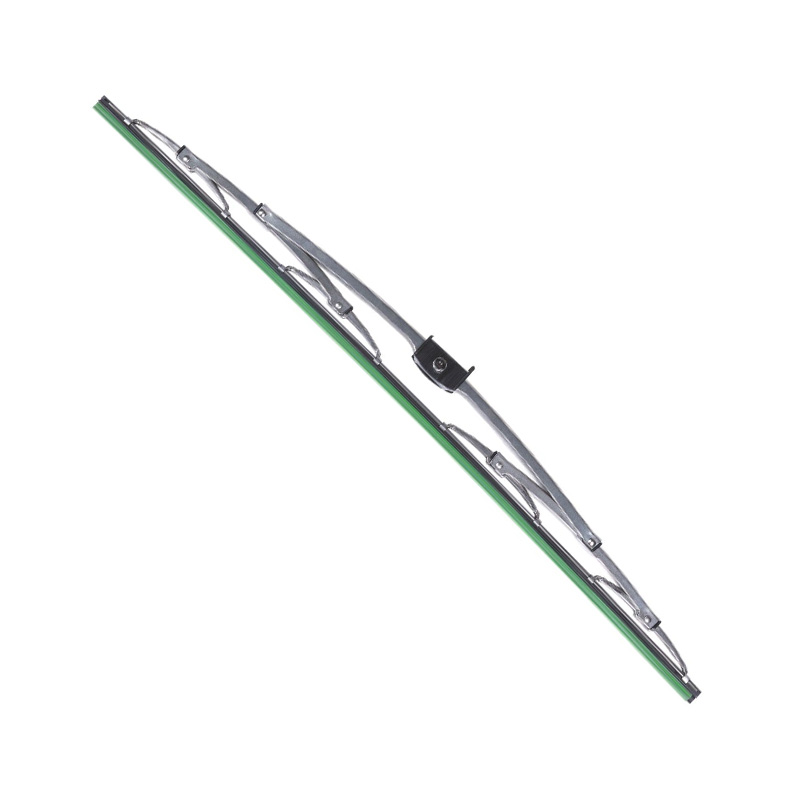
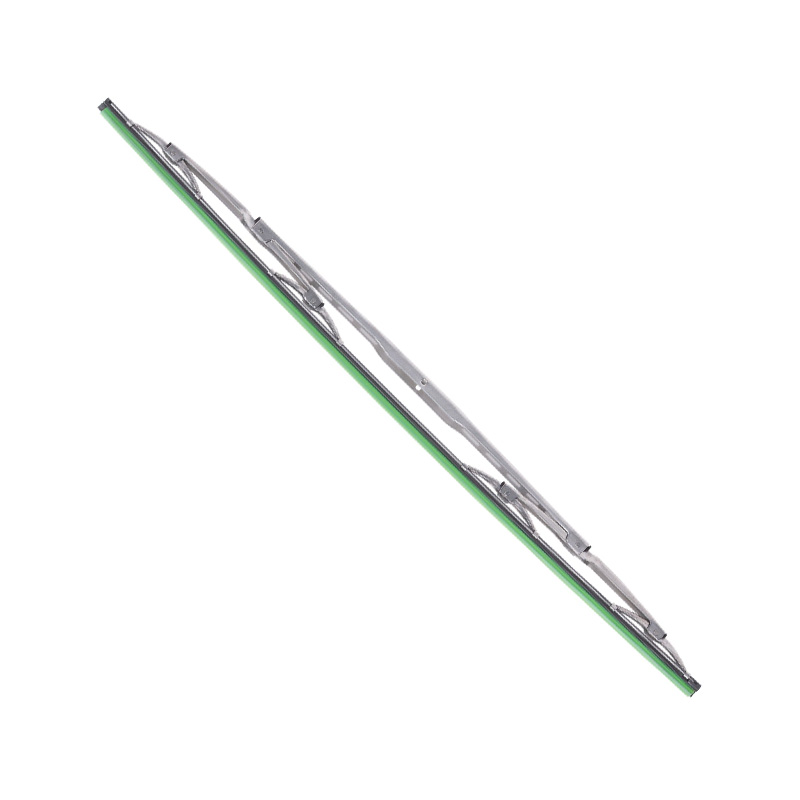
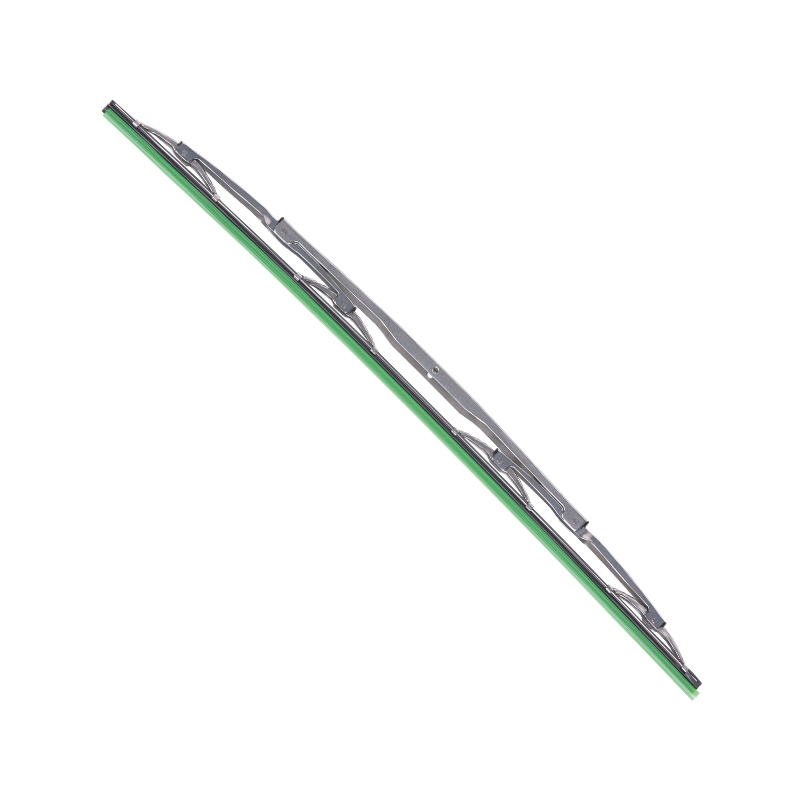
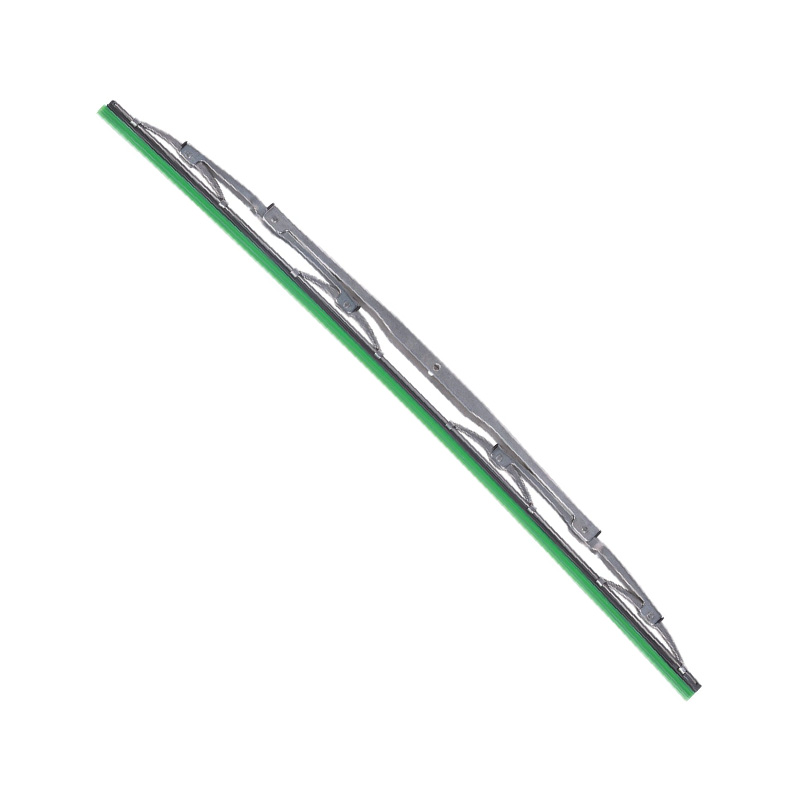
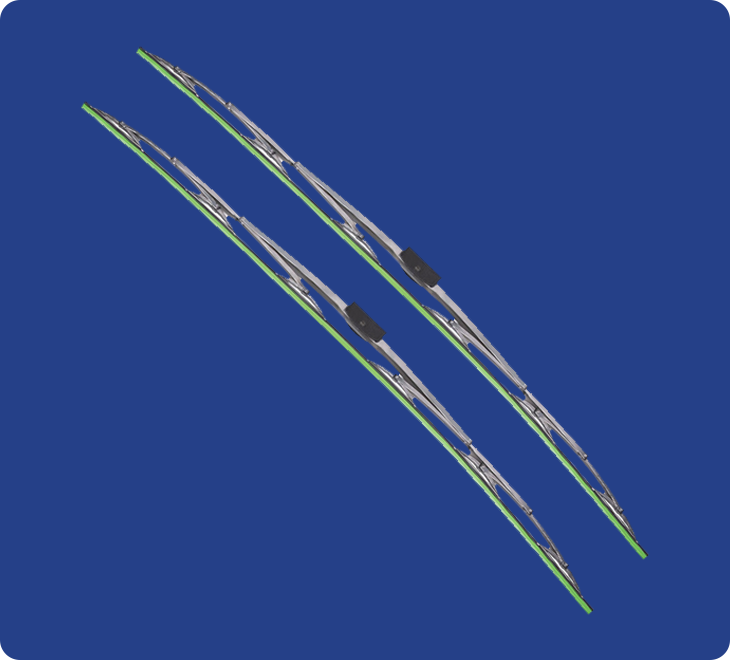
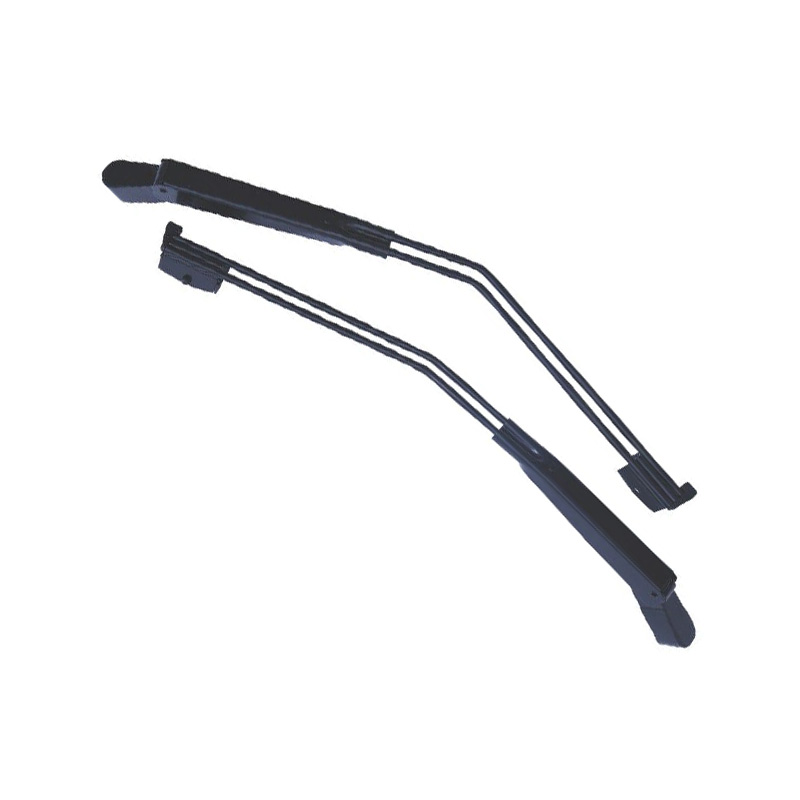
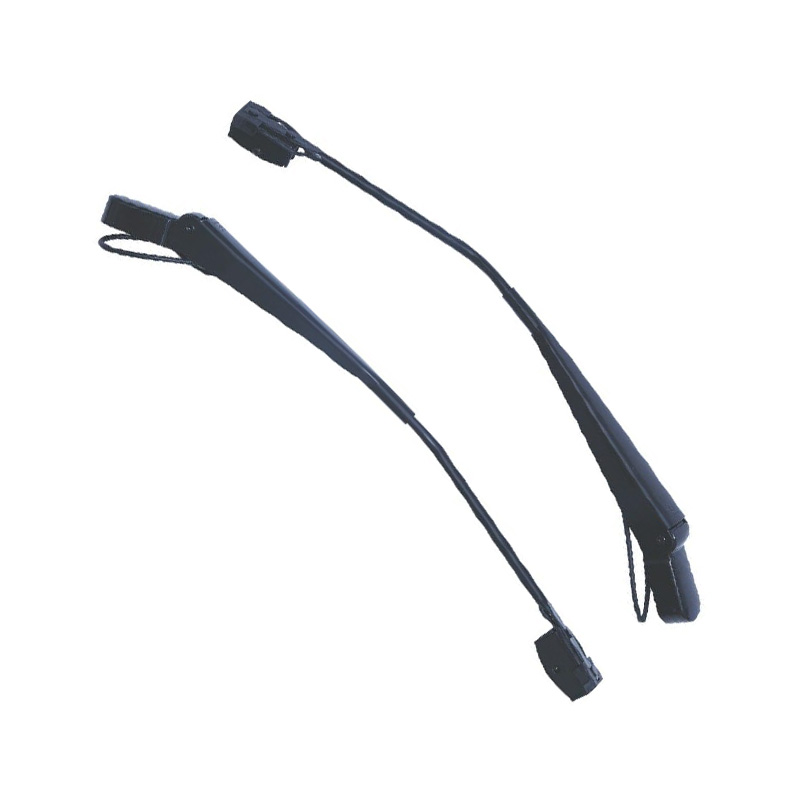
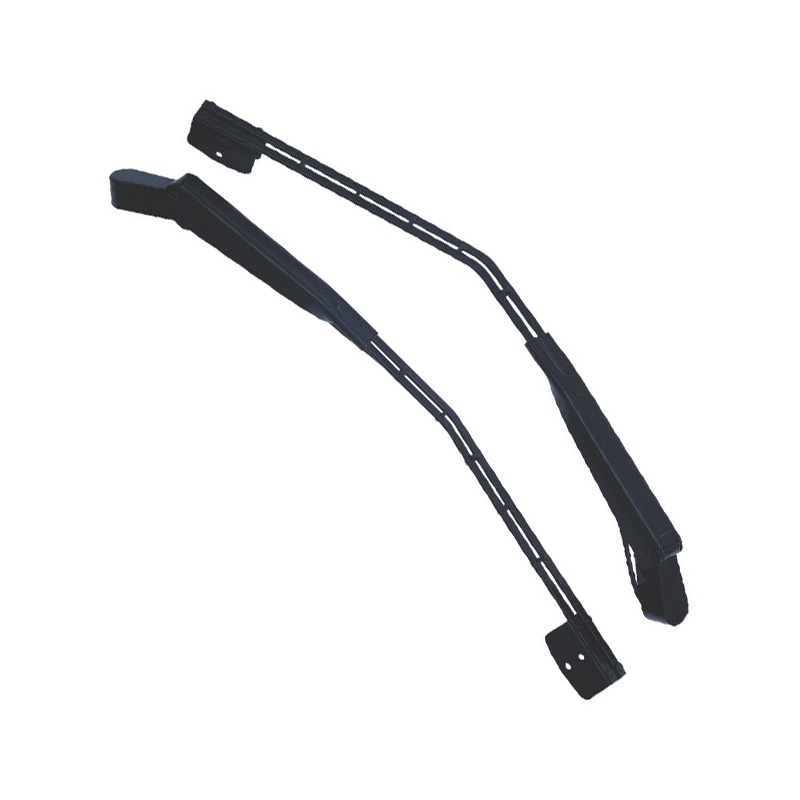
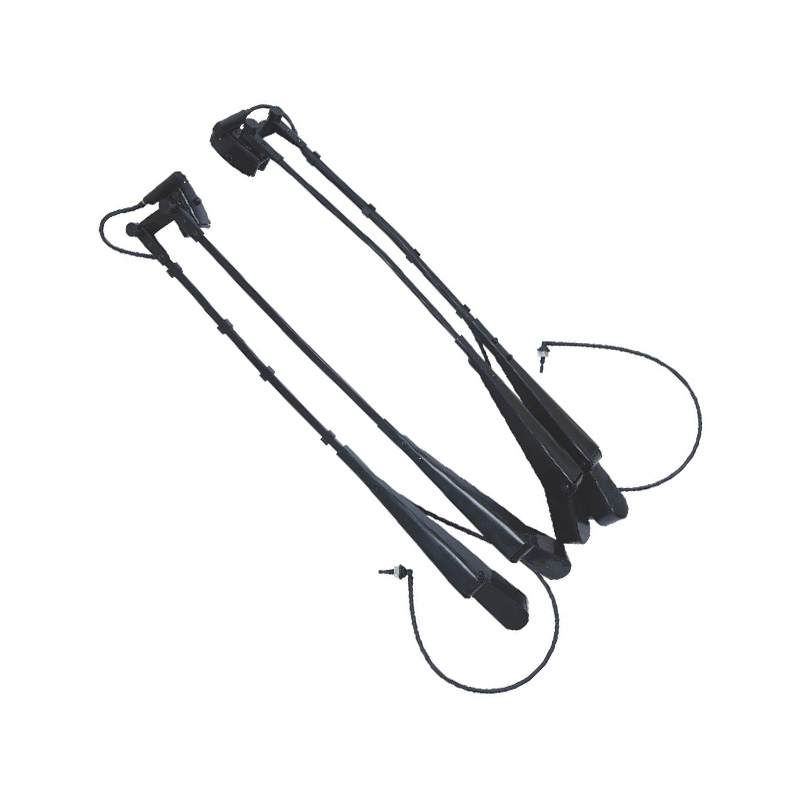
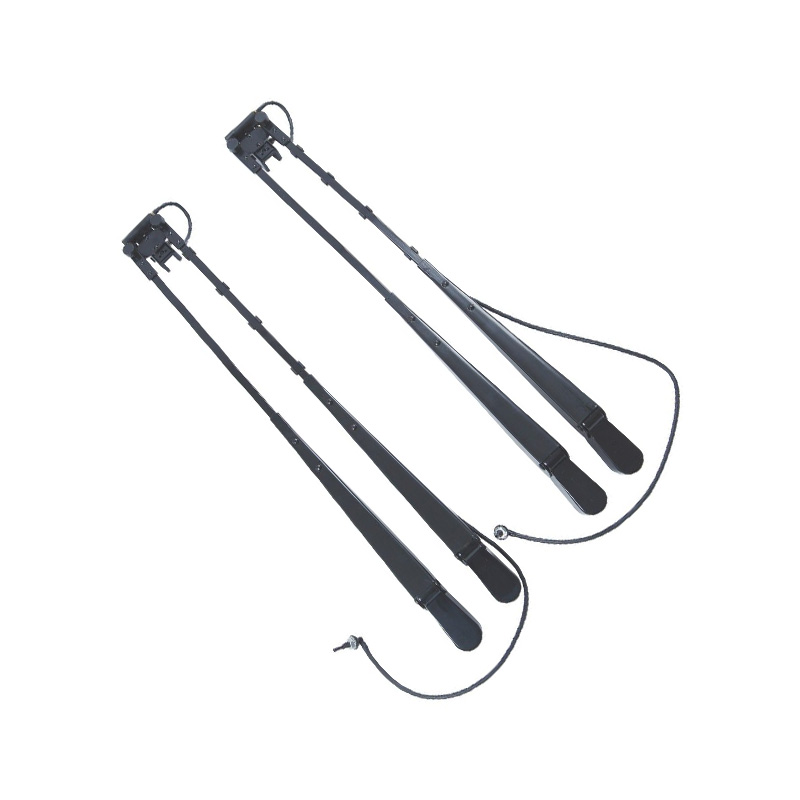
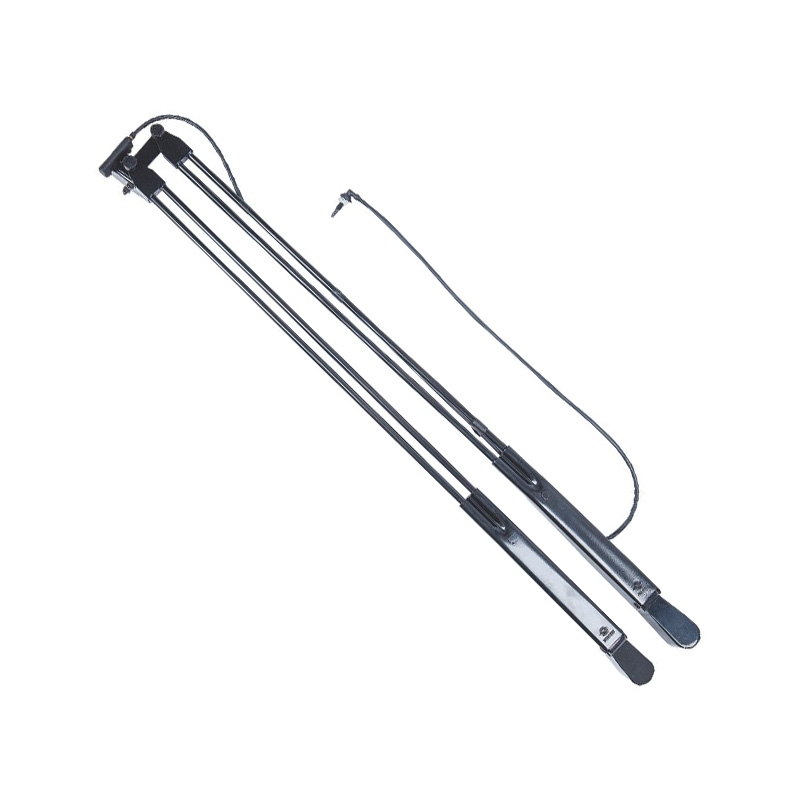
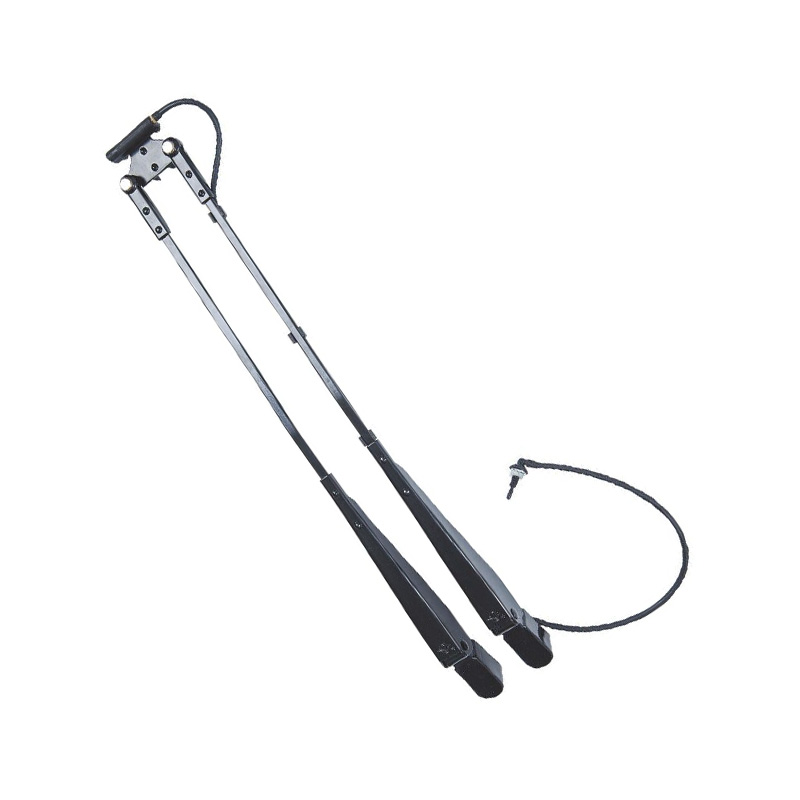
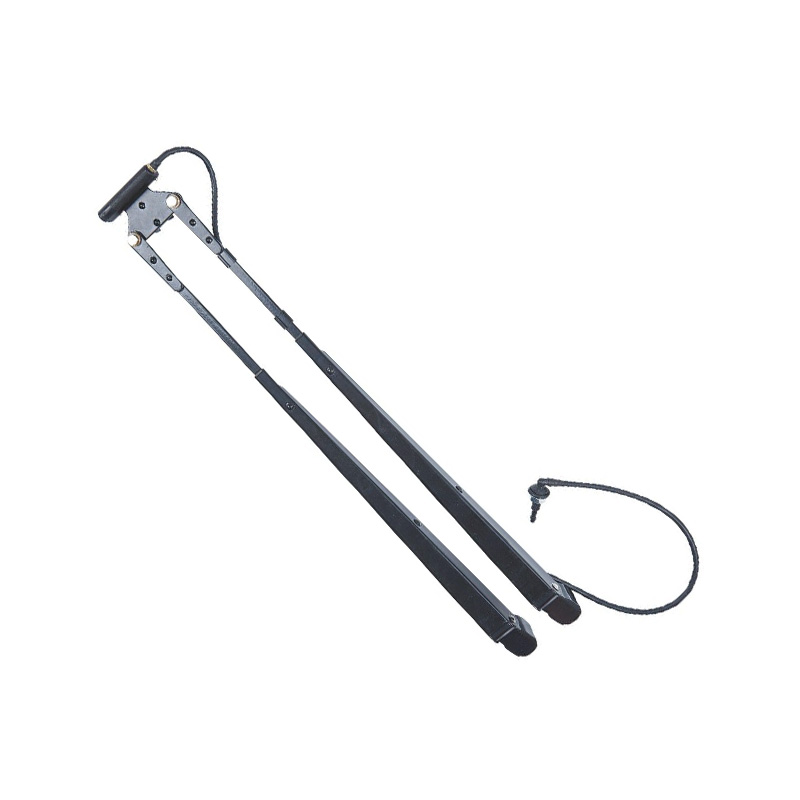
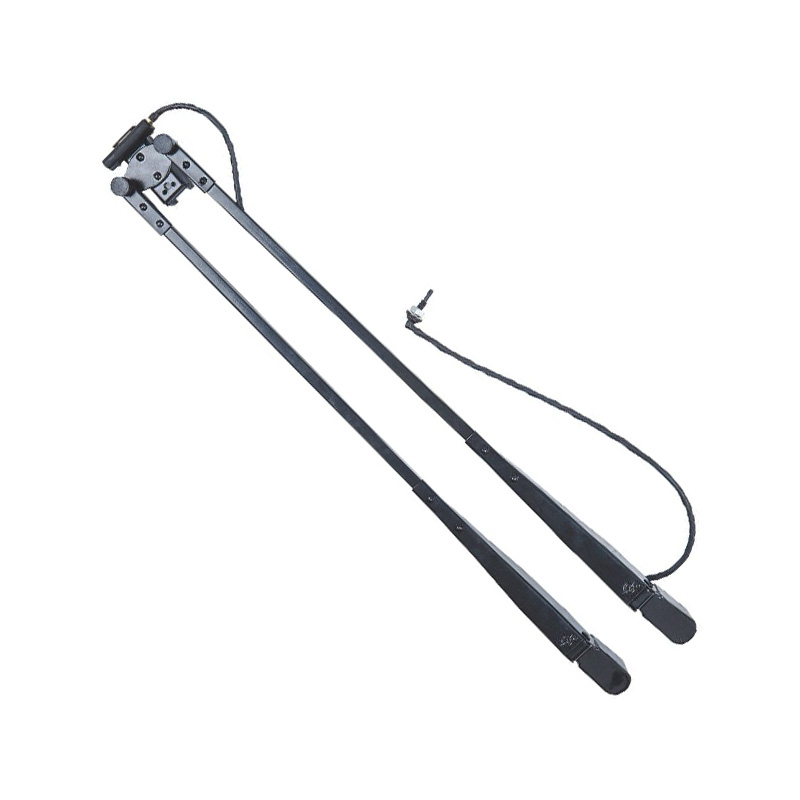
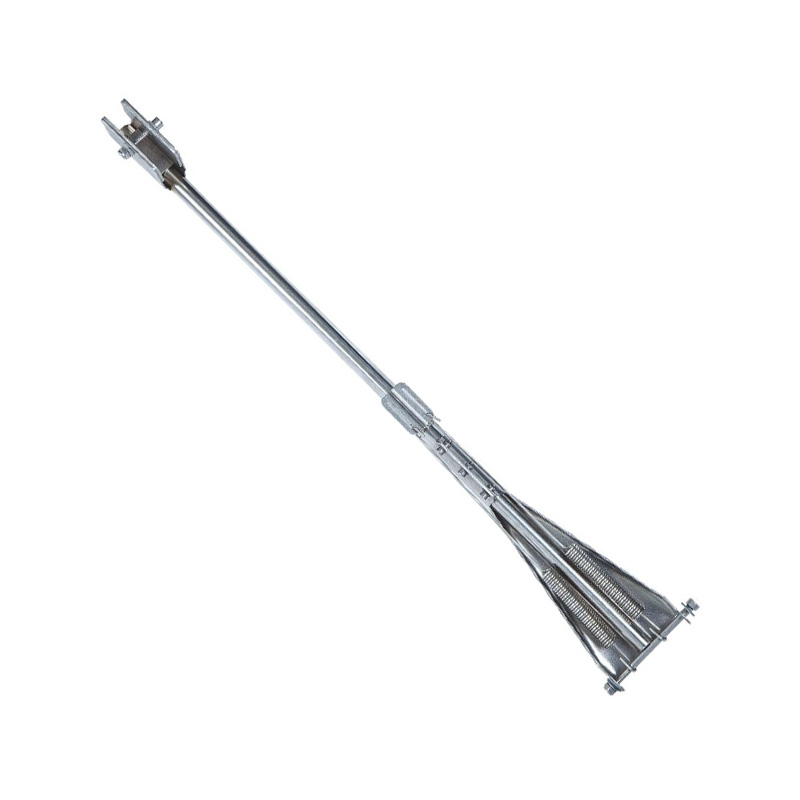
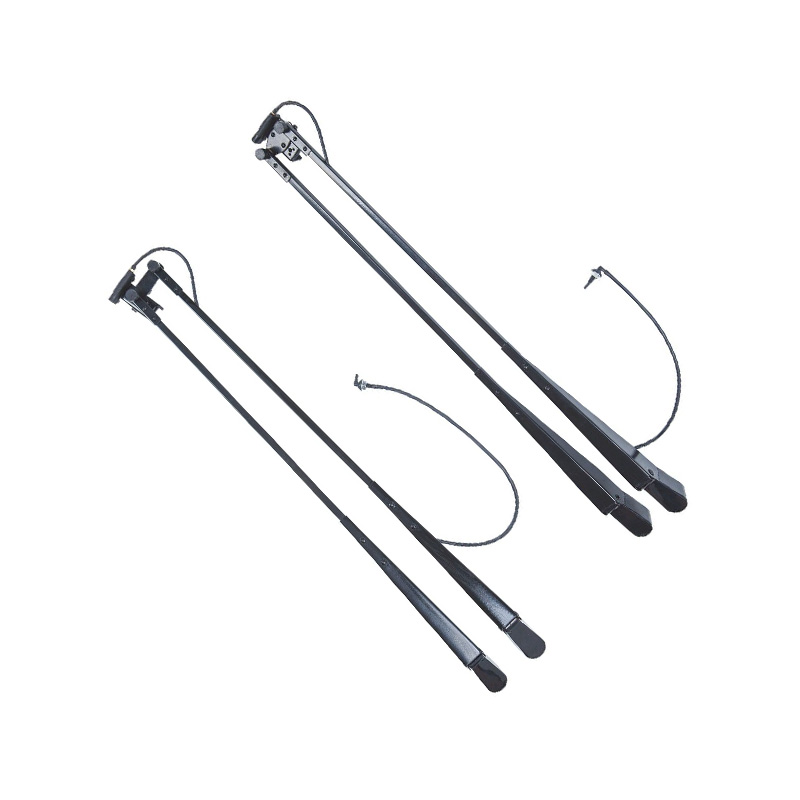
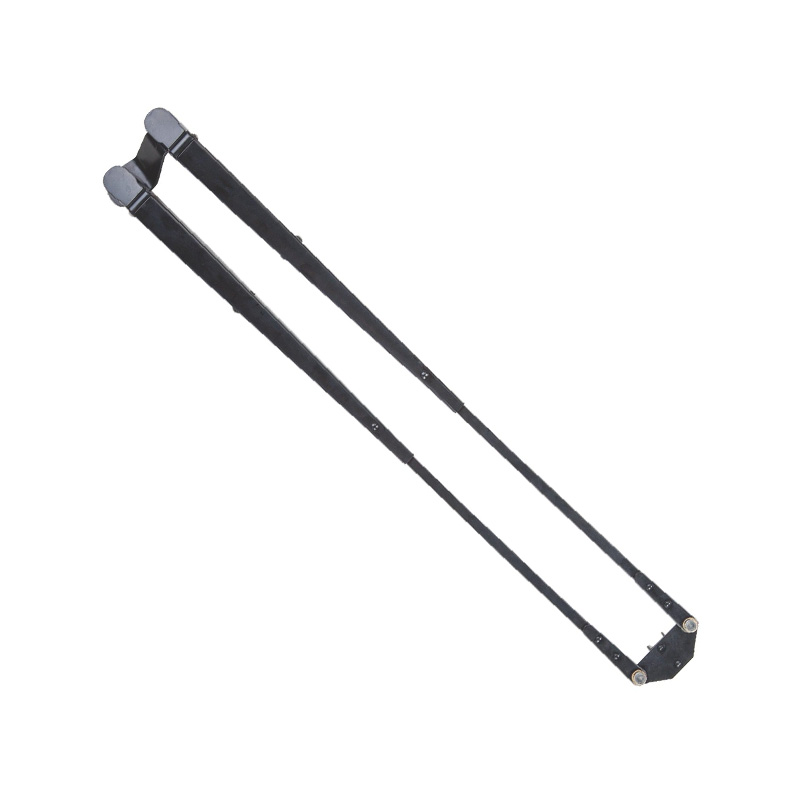
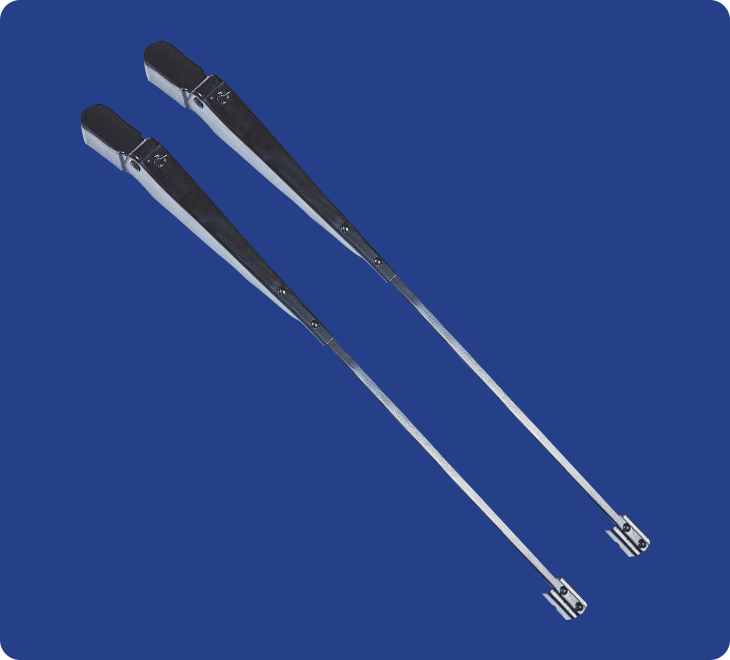
A vehicle wiper system is an essential component for maintaining visibility in adverse weather conditions such as rain, snow, or dust. It typically consists of a wiper motor, wiper arms, wiper blades, and various mechanical linkages that convert rotational motion into the sweeping action across the windshield. The design of a vehicle wiper system focuses on providing uniform pressure across the glass surface to remove water or debris efficiently without causing scratches or streaks. Modern systems may also integrate sensors for automatic operation, adjusting speed based on rainfall intensity or vehicle speed. Regular maintenance includes checking the condition of blades, inspecting the motor operation, and ensuring proper linkage function to prevent uneven or ineffective wiping. In buses, trains, construction machinery, and agricultural vehicles, wiper systems are often designed for durability under harsh conditions, including high vibration, dust, and moisture. Proper installation and timely replacement of components are critical to ensuring continuous and safe operation. A well-maintained vehicle wiper system not only improves driver safety but also contributes to the overall reliability and lifespan of the vehicle's windshield system. It is a small but vital part of everyday transportation.
Wiper System in Automobile
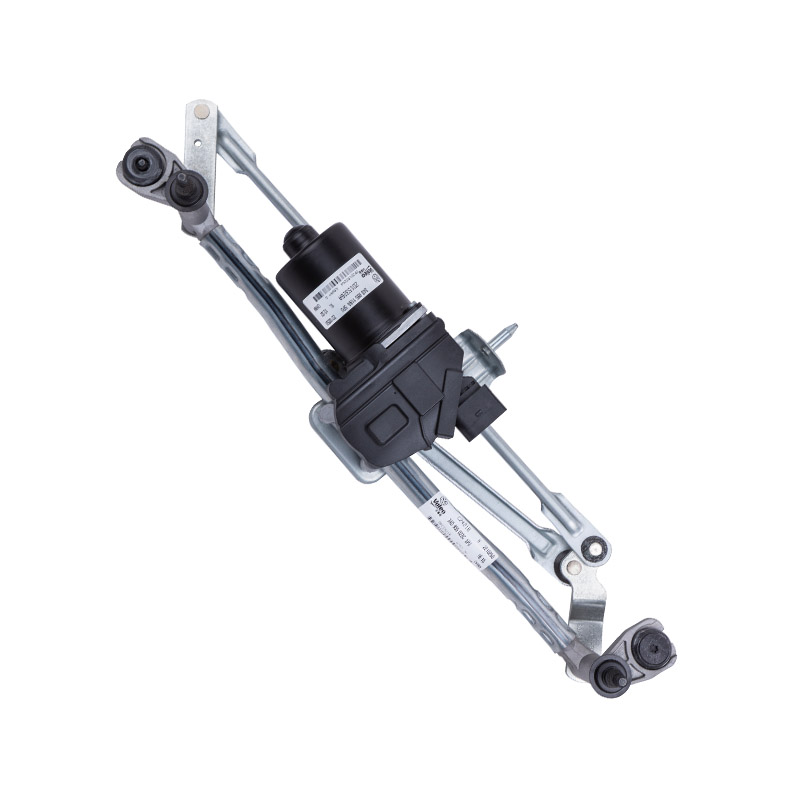
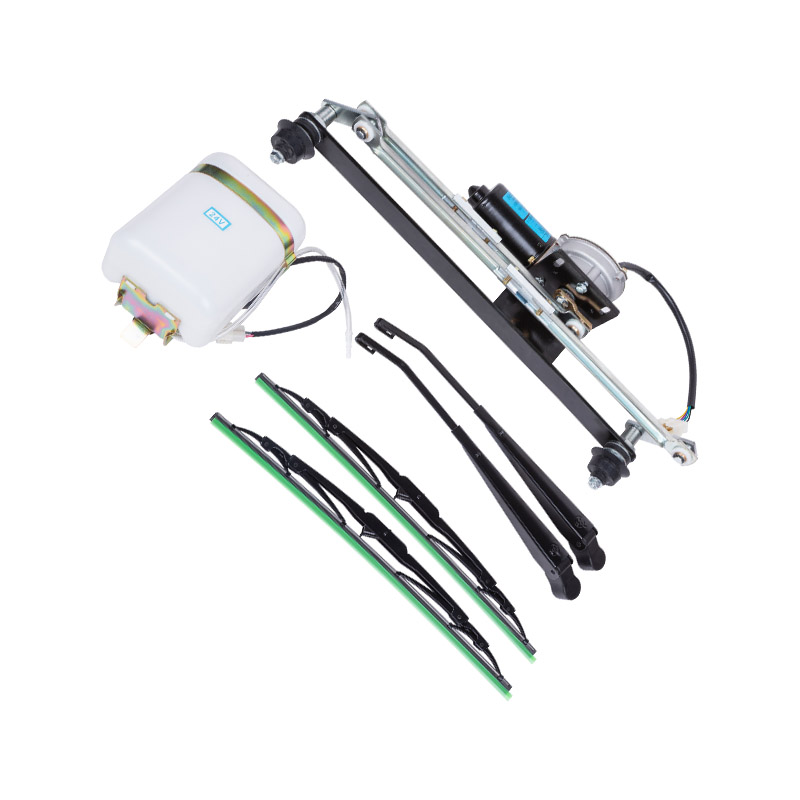
The wiper system in an automobile is designed to provide clear visibility during various weather conditions. It usually comprises a wiper motor, linkages, arms, and blades, all working together to sweep rainwater, snow, or dirt from the windshield. In addition to the standard front windshield system, many modern vehicles also include rear wipers or headlight wipers for enhanced safety. The performance of an automobile wiper system depends on the motor speed, blade material, and arm pressure to ensure even contact across the glass. Maintenance tasks include cleaning the windshield, inspecting blade wear, and checking the motor and electrical connections. Some systems incorporate advanced features such as rain sensors or intermittent wiping modes, which adjust automatically to driving conditions. Engineers designing automobile wiper systems must consider aerodynamics, noise reduction, and water drainage patterns to maximize effectiveness. Even small variations in blade design or arm tension can impact wiping performance. A properly functioning wiper system is critical for driver comfort and safety, especially in heavy rainfall or snow. Understanding the components and operation of an automobile wiper system helps in extending its service life and maintaining reliable operation under different driving conditions.
Wiper Motor System
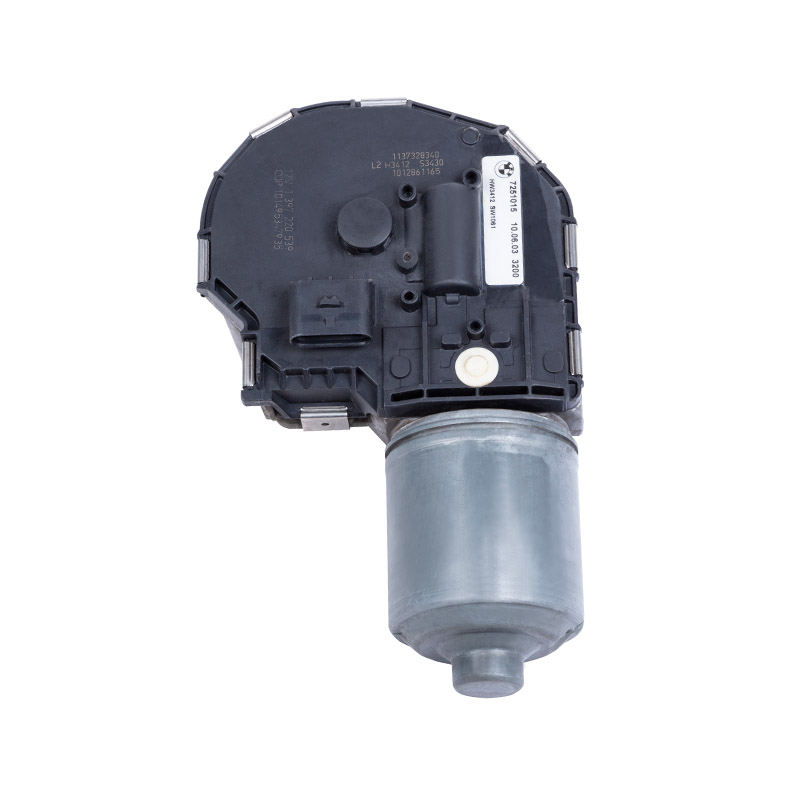
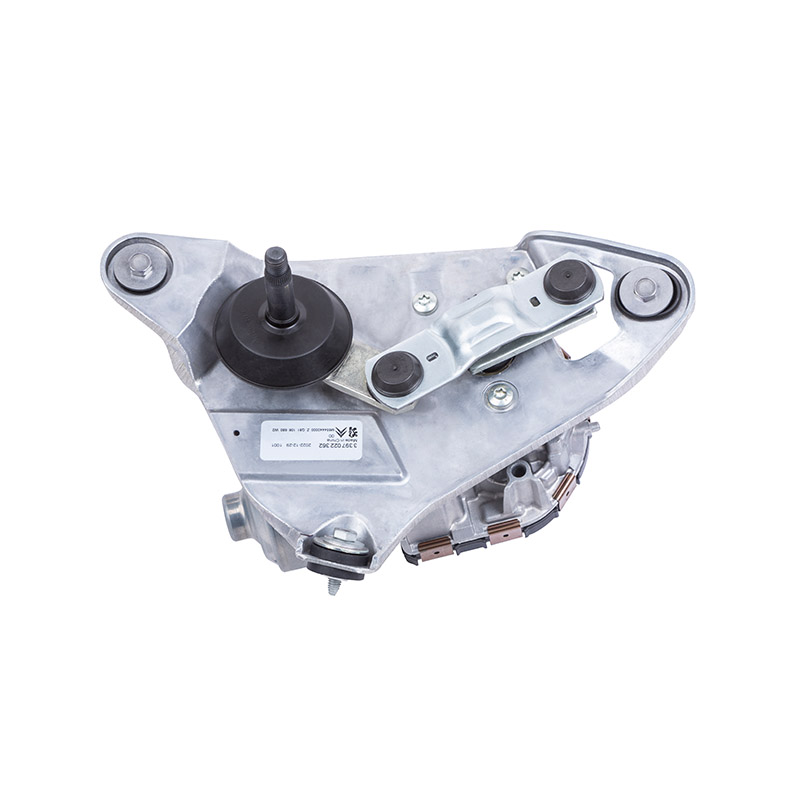
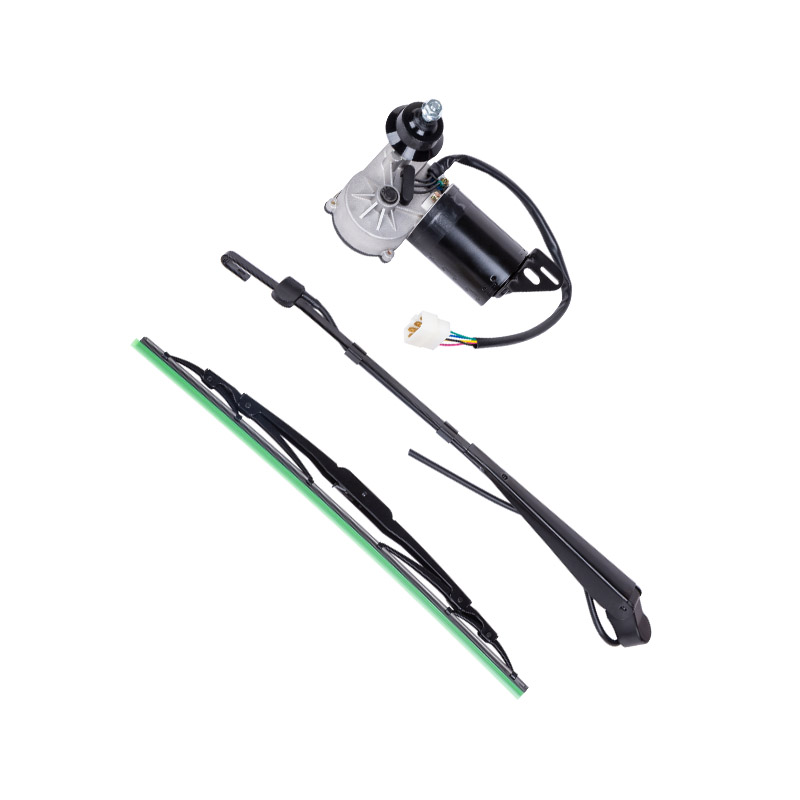
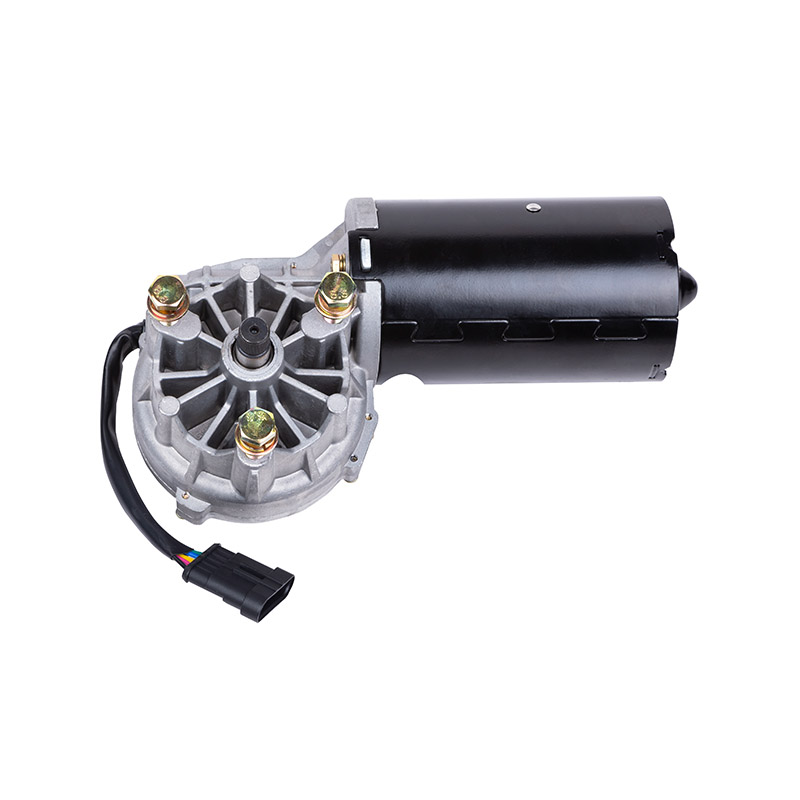
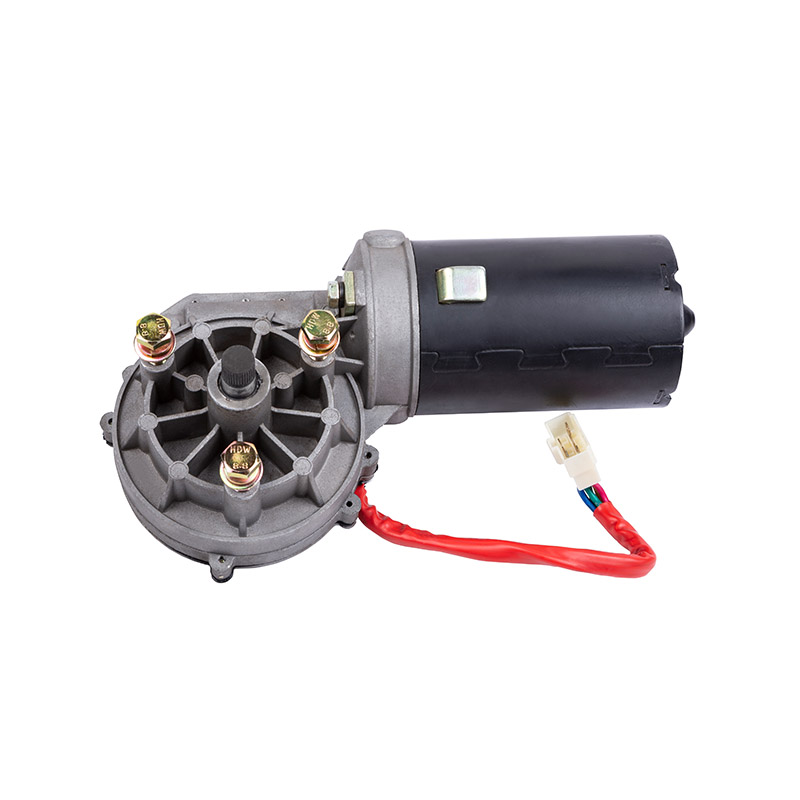
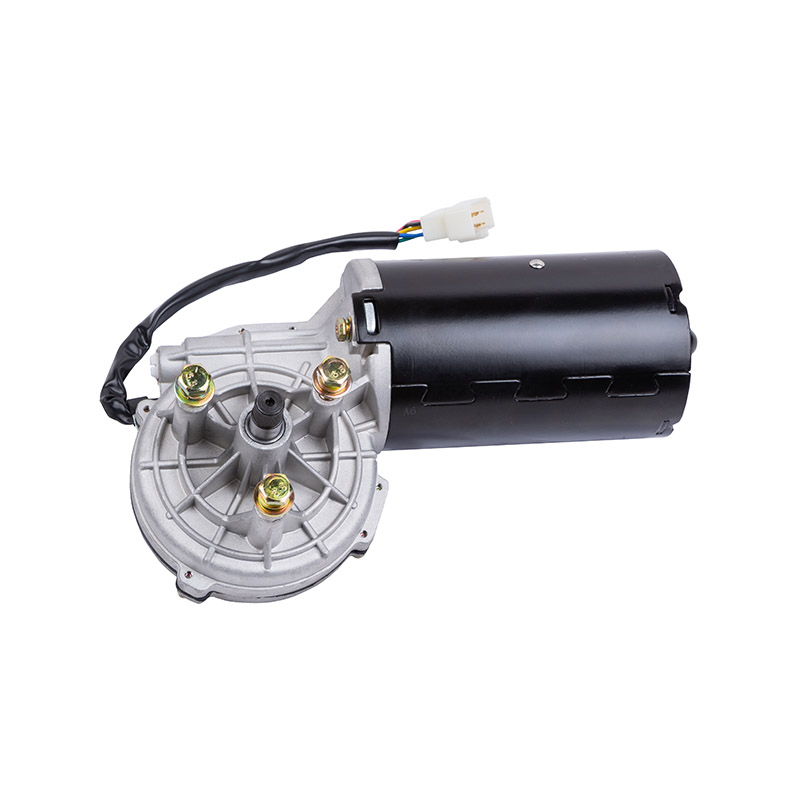
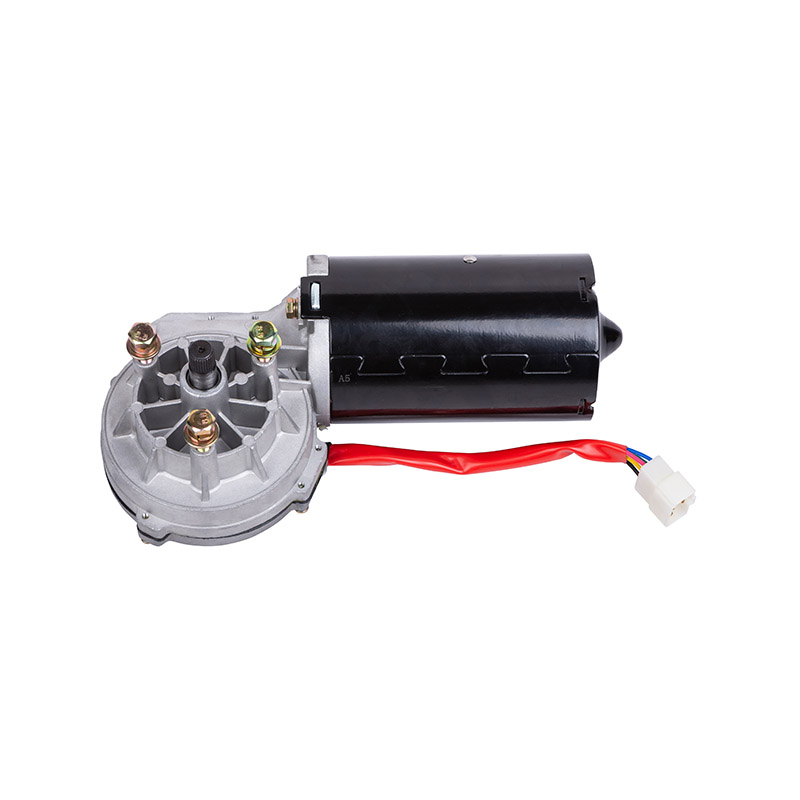
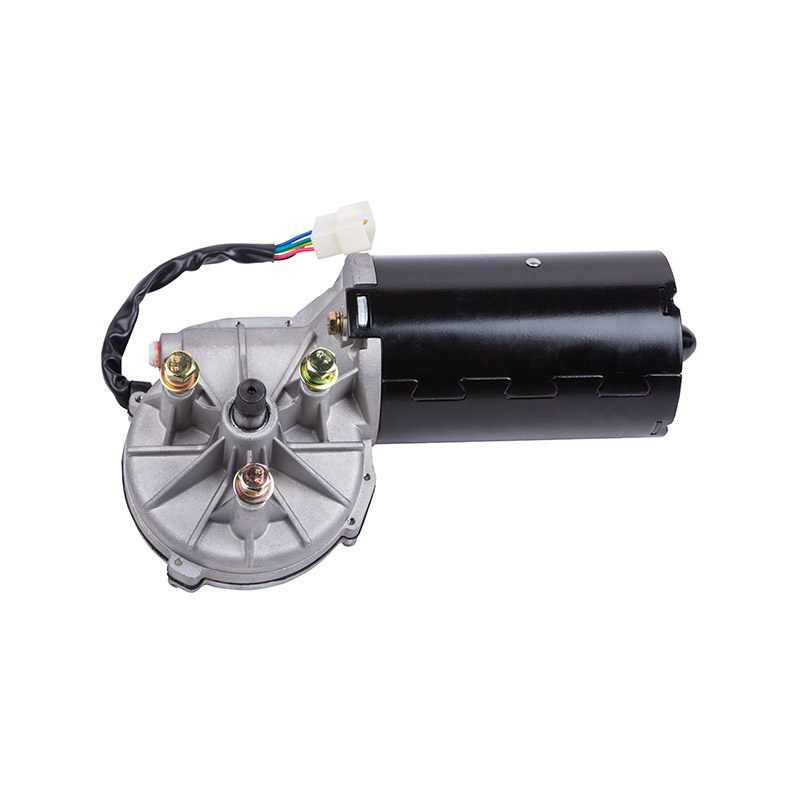
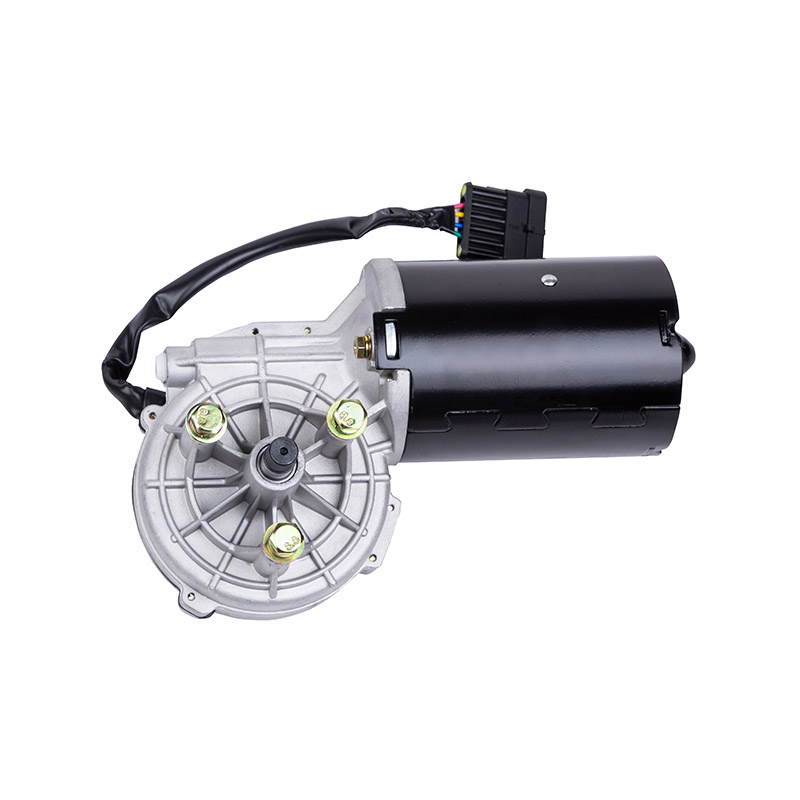
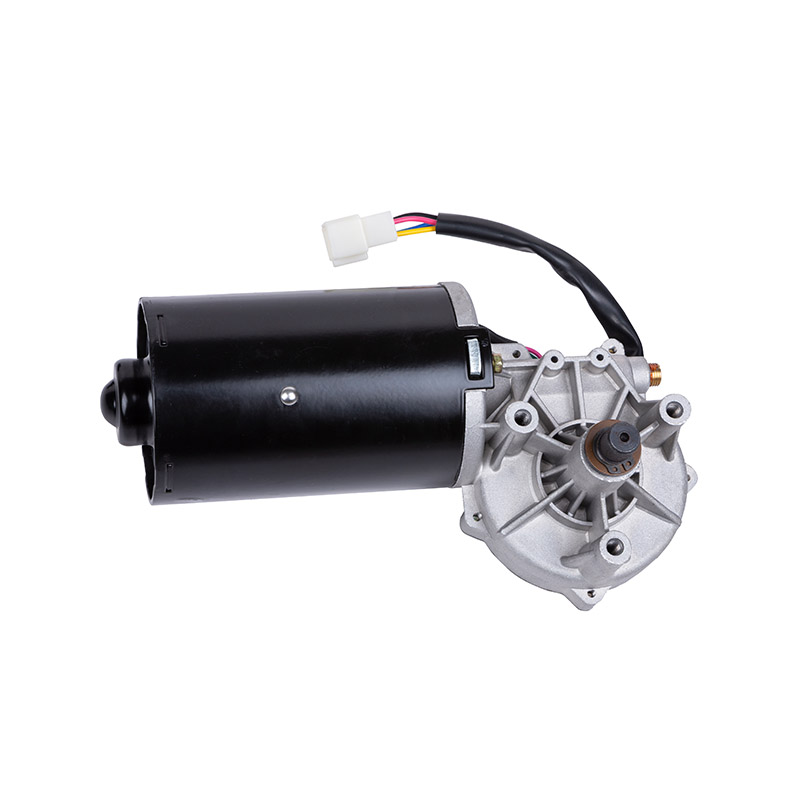
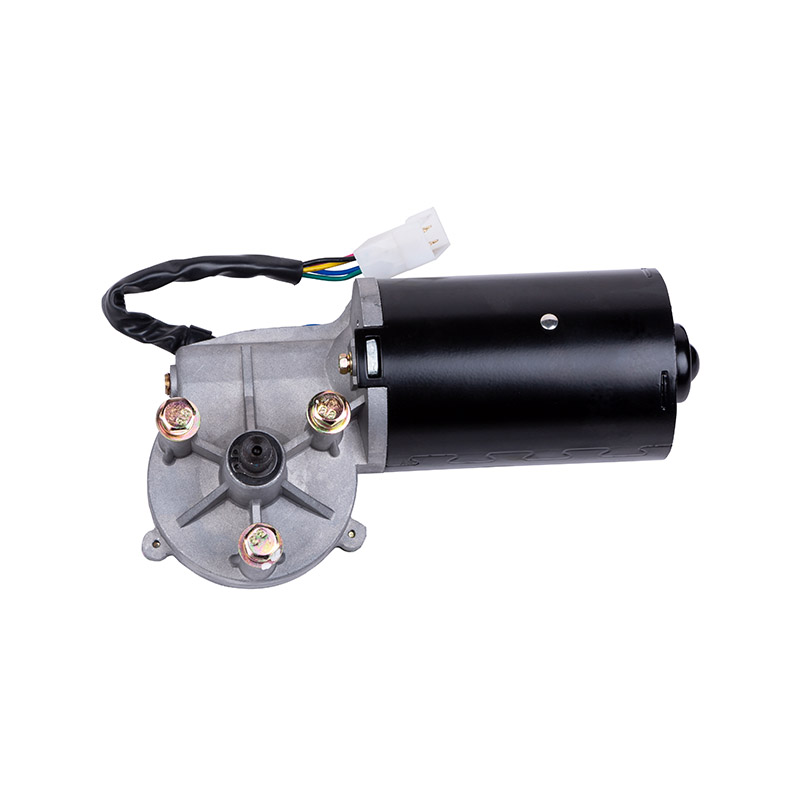
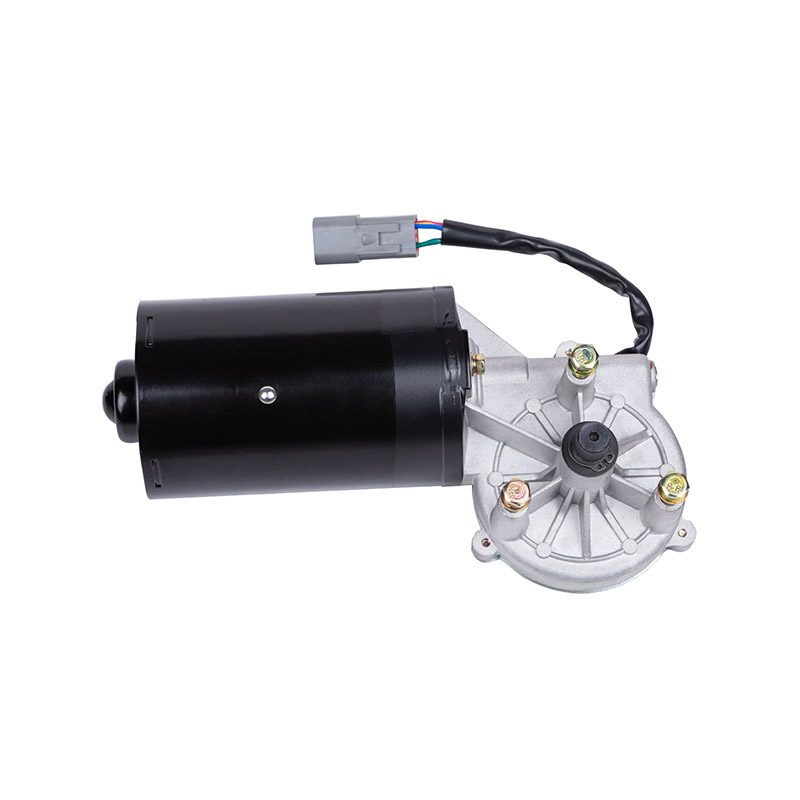
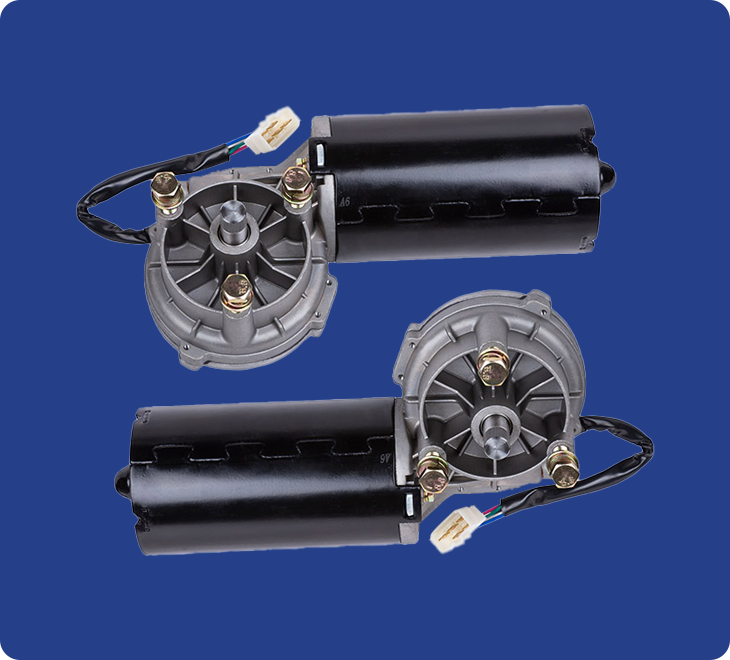
A wiper motor system is the central driving mechanism behind windshield wipers, converting electrical energy into mechanical motion to move wiper blades across the glass. It typically includes a motor, gear assembly, and linkage mechanism that transmits rotational motion into the sweeping movement of the wiper arms. Wiper motor systems are designed to provide smooth and consistent operation, ensuring that blades maintain uniform pressure across the windshield for effective water removal. Depending on the vehicle type, these systems can be used in passenger cars, buses, trains, marine vessels, and construction or agricultural machinery. Regular inspection of a wiper motor system includes checking electrical connections, lubrication of moving parts, and monitoring for unusual noise or irregular movement. Advanced systems may feature variable speed control, intermittent wiping, or integration with automatic rain sensors for enhanced convenience and safety. Selecting an appropriate wiper motor system requires consideration of torque, voltage, environmental conditions, and blade size. By maintaining the wiper motor system properly, vehicle operators can ensure reliable performance, improved visibility, and safer driving in adverse weather conditions, making it an essential component of vehicle safety systems.



 English
  Español
  русский