

 English
  Español
  русский
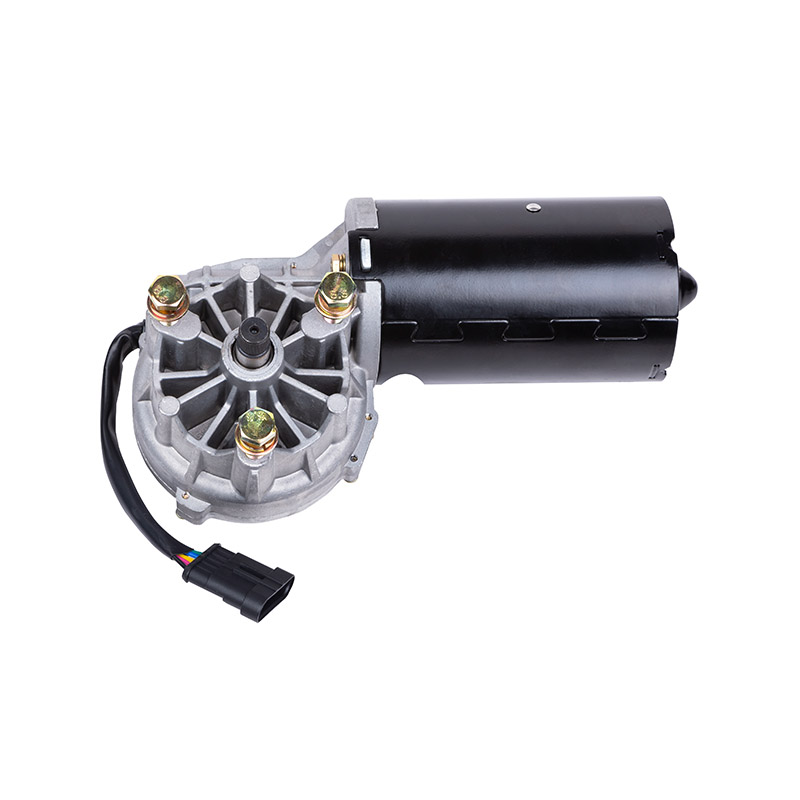
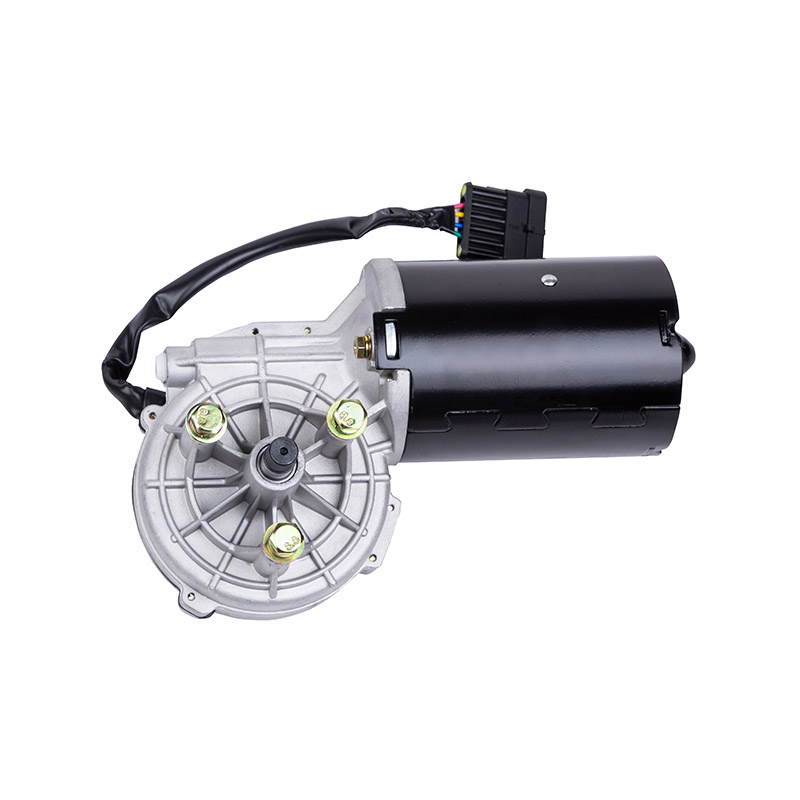
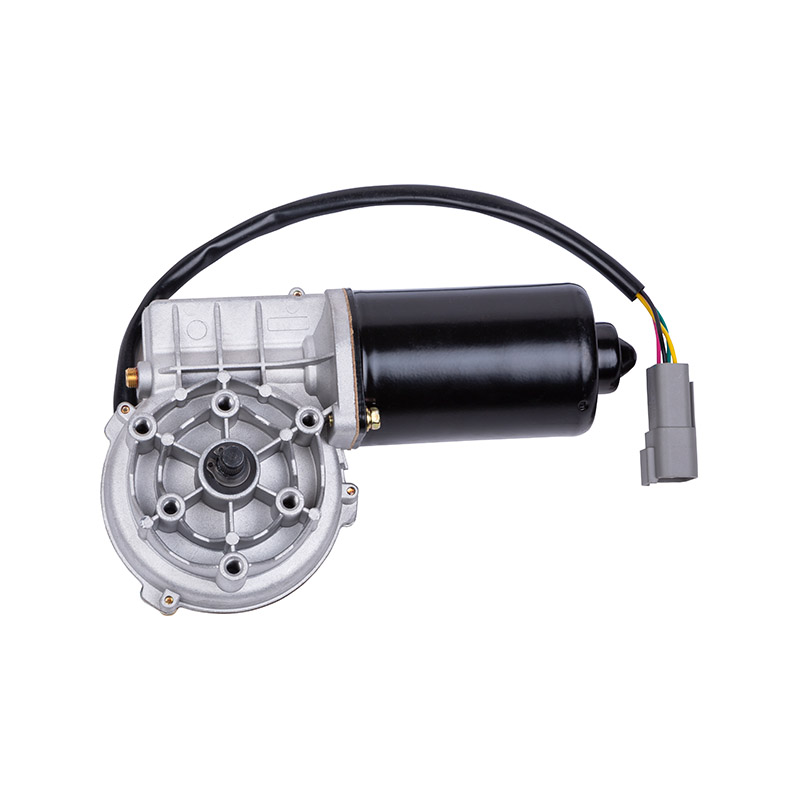
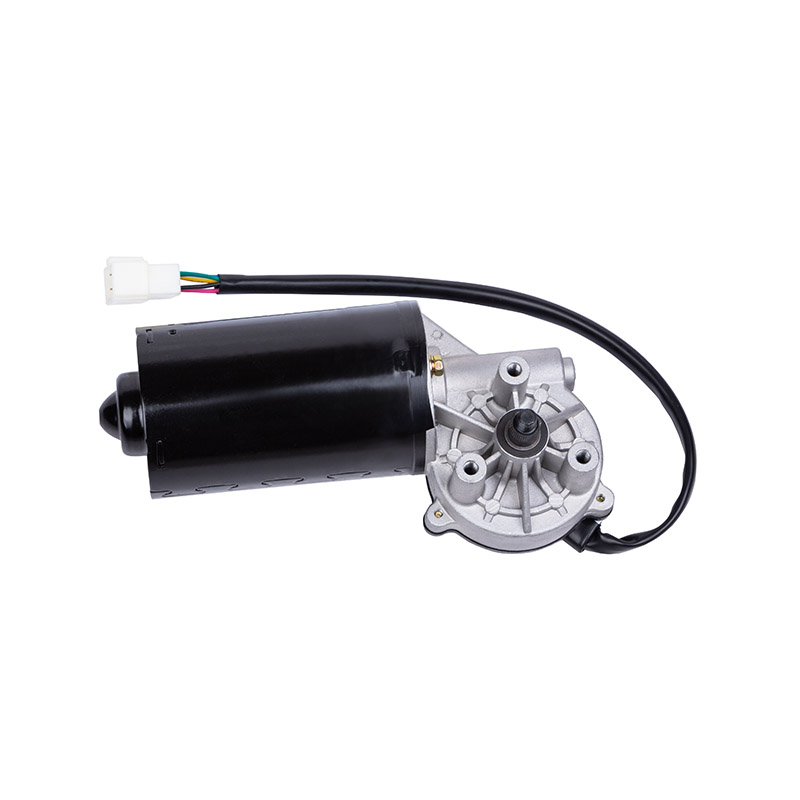
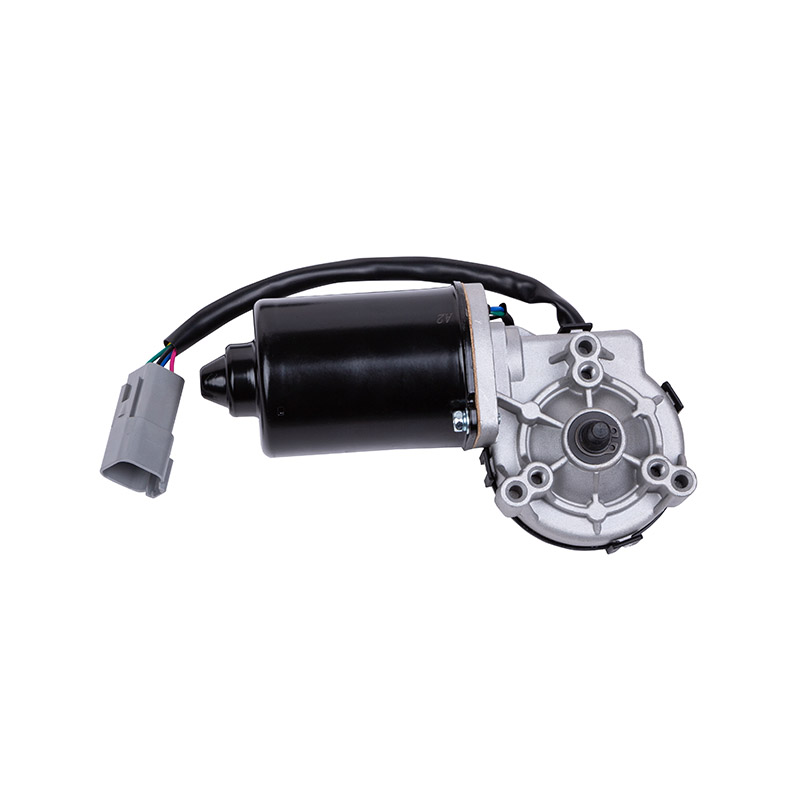
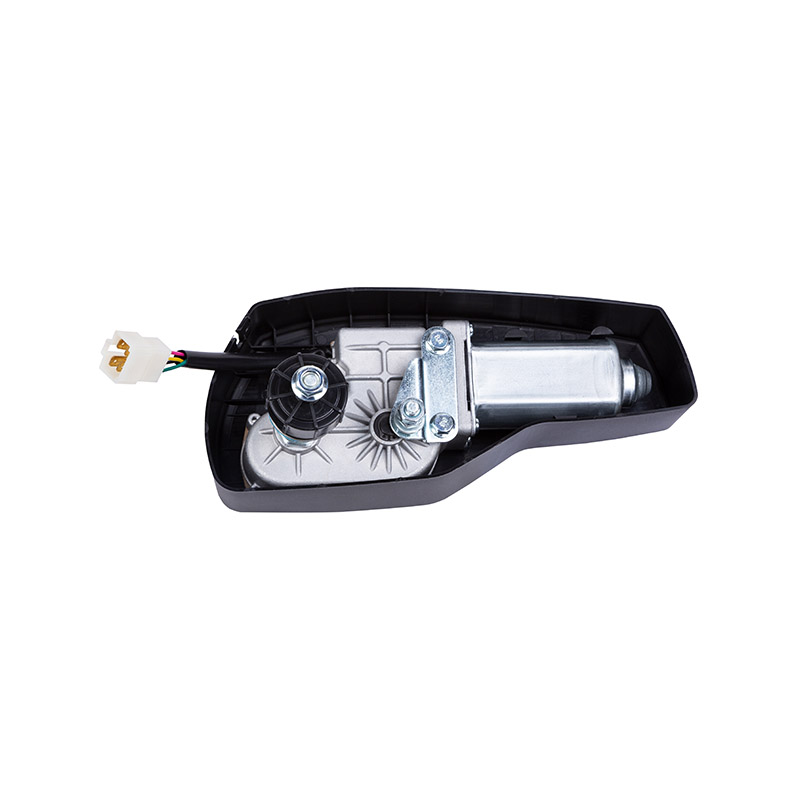
 Wiper systems used in train cab environments play an important role in maintaining clear visibility under varying weather and operational conditions. In rail applications, consistent performance is closely connected to operational safety and driver awareness. Within this context, High Torque Wiper and Railway Wiper Motor are often discussed when evaluating wiping system design for transportation platforms.
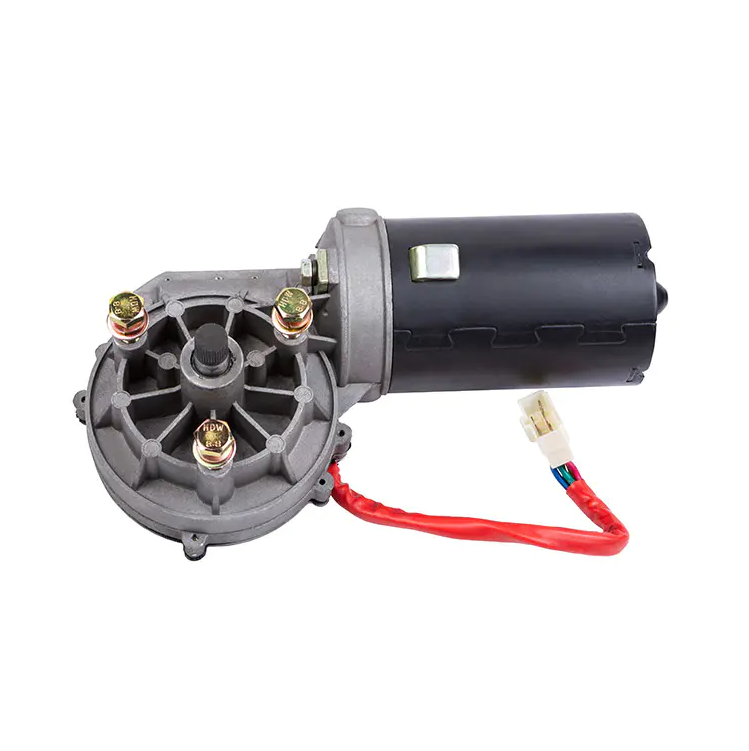
Railway Wiper Motor Performance Factors in Train Cab Systems focus on stability, durability, and controlled motion under continuous use. High Torque Wiper concepts are also relevant when comparing force requirements in larger windshield areas or higher resistance conditions.
Continuous Operation Requirements
Train cab wiper systems are often required to operate over extended periods without interruption. Unlike intermittent use in some vehicle systems, rail environments may involve continuous exposure to rain, snow, or moisture during operation.
This creates a need for stable motor output that can support long-duration movement without performance fluctuation. A Railway Wiper Motor must maintain consistent motion even when external resistance changes due to water accumulation or debris on the windshield.
High Torque Wiper systems share similar operational principles when used in demanding environments where continuous force delivery is necessary.
Torque Stability and Motion Control
Torque stability is a key factor in ensuring smooth wiping performance. If torque output fluctuates, wiping motion may become uneven, affecting visibility in the cab.
A stable motor design helps maintain consistent speed and pressure across the wiper blade path. This is particularly important for large windshield surfaces commonly found in train cab structures.
Motion control systems may also be used to regulate wiping speed and positioning. These controls help ensure predictable movement and reduce mechanical stress on connected components.
Environmental Adaptability in Rail Systems
Railway environments expose wiper systems to a wide range of weather conditions, including rain, snow, fog, and temperature variation. These conditions require components that can operate reliably in both cold and warm climates.
Moisture resistance is an important factor, as prolonged exposure to rain or humidity can affect internal components if protection is insufficient. Temperature variation may also influence lubrication performance and material flexibility.
Railway Wiper Motor designs are typically structured to support operation under these varying environmental conditions, ensuring consistent wiping performance across different regions and seasons.
High Torque Wiper systems are also used as a reference point when evaluating performance under increased resistance conditions caused by environmental factors.
Control System Integration
Modern train cab systems often integrate wiper motors with centralized control systems. This allows operators to adjust wiping speed, interval, and activation modes based on operational needs.
Some configurations may include automatic control functions that respond to environmental conditions, such as rain intensity detection. These systems rely on stable electrical input and responsive motor behavior.
Accurate parking position control is another important feature, ensuring that the wiper returns to a defined resting position after operation. This helps maintain visibility and reduces mechanical interference with the windshield frame.
Mechanical Structure and Durability
The mechanical structure of a Railway Wiper Motor is designed to withstand continuous vibration and movement. Rail vehicles generate consistent mechanical vibration during operation, which can affect connected components if structural reinforcement is insufficient.
Gear assemblies and linkage systems must be designed for repeated motion cycles. Reinforced materials help reduce wear over time and maintain consistent wiping motion.
High Torque Wiper design principles are often referenced when evaluating mechanical strength in systems exposed to increased load conditions.
Safety and Reliability Considerations
Reliability is a critical requirement in rail applications, as visibility directly impacts operational safety. A stable wiping system helps ensure that the driver maintains a clear view of the track environment under changing weather conditions.
Electrical stability also contributes to safe operation. Consistent voltage supply supports predictable motor response, reducing the risk of irregular movement.
Railway Wiper Motor systems are often designed with redundancy and protective features to maintain operation even under partial system stress.
Maintenance and Operational Stability
Maintenance practices for railway wiper systems typically include inspection of mechanical wear, lubrication condition, and electrical connection stability. Regular checks help identify early signs of degradation in performance.
Component wear in gears and linkage parts may gradually affect motion consistency if not addressed. Proper maintenance helps extend stable operating periods and reduce unexpected interruptions.
High Torque Wiper systems used in similar demanding environments also benefit from structured maintenance approaches that support long-term performance consistency.
Railway Wiper Motor Performance Factors in Train Cab Systems highlight the importance of torque stability, environmental adaptability, control integration, and mechanical durability. High Torque Wiper concepts provide additional reference points when evaluating wiping system performance under varying resistance and operational demands across transportation environments.