

 English
  Español
  русский
 When it comes to maintaining clear visibility on the water, the performance of a marine wiper system plays a crucial role. One of the key components in this system is the wiper motor, which drives the blades across the windshield to remove rain, saltwater, or spray. Understanding the torque and speed requirements of a wiper motor is essential for ensuring reliable operation and long-term durability.
Understanding Torque in Wiper Motors
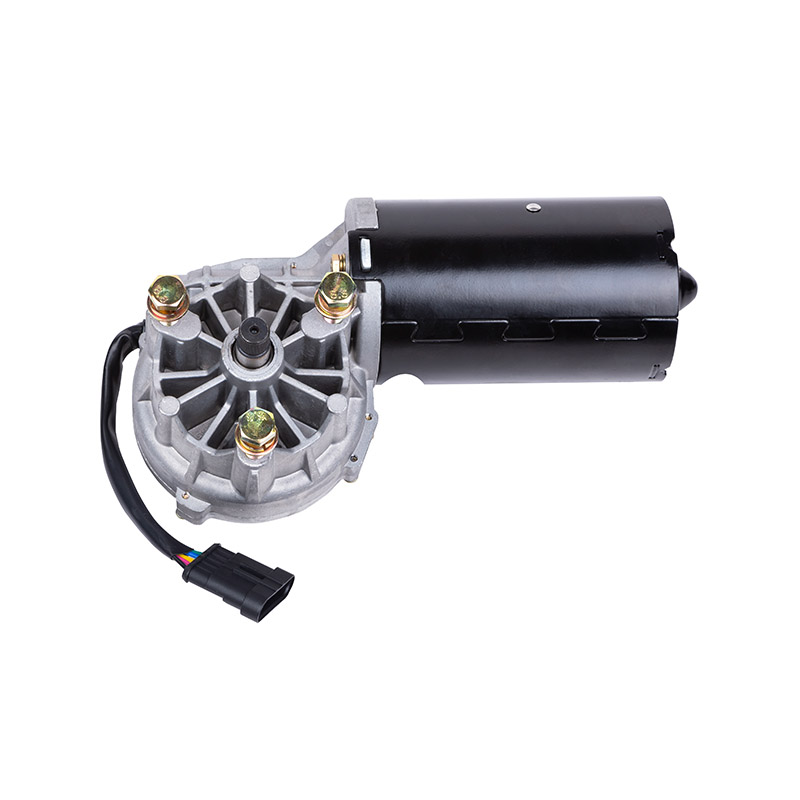
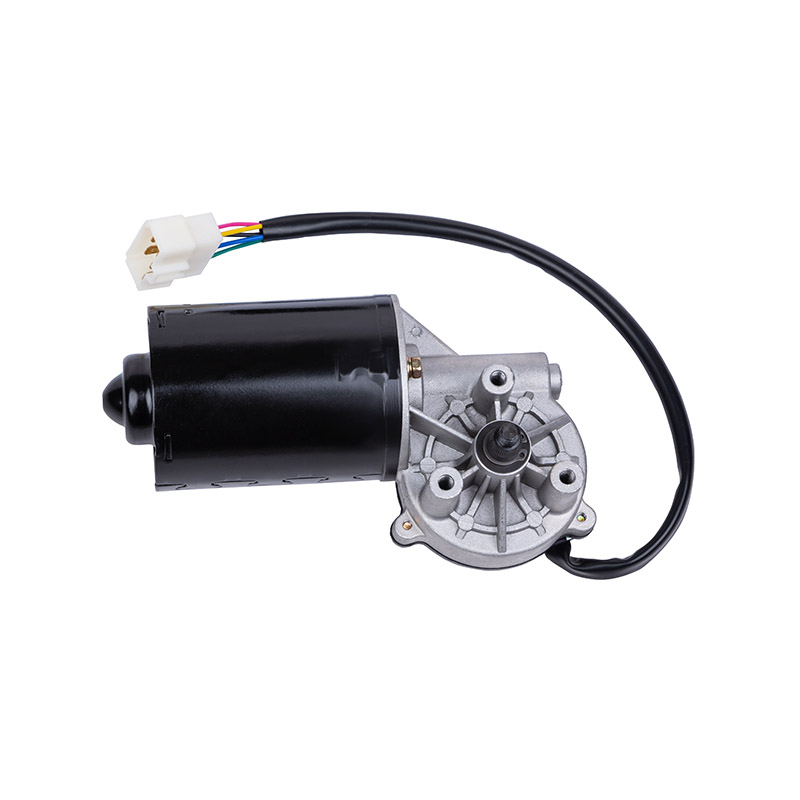
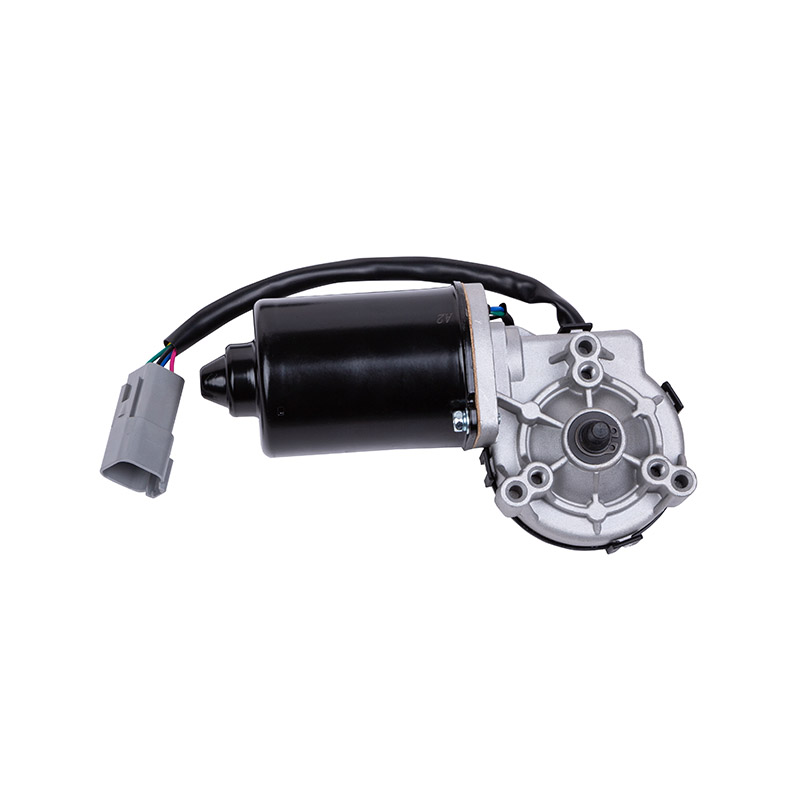
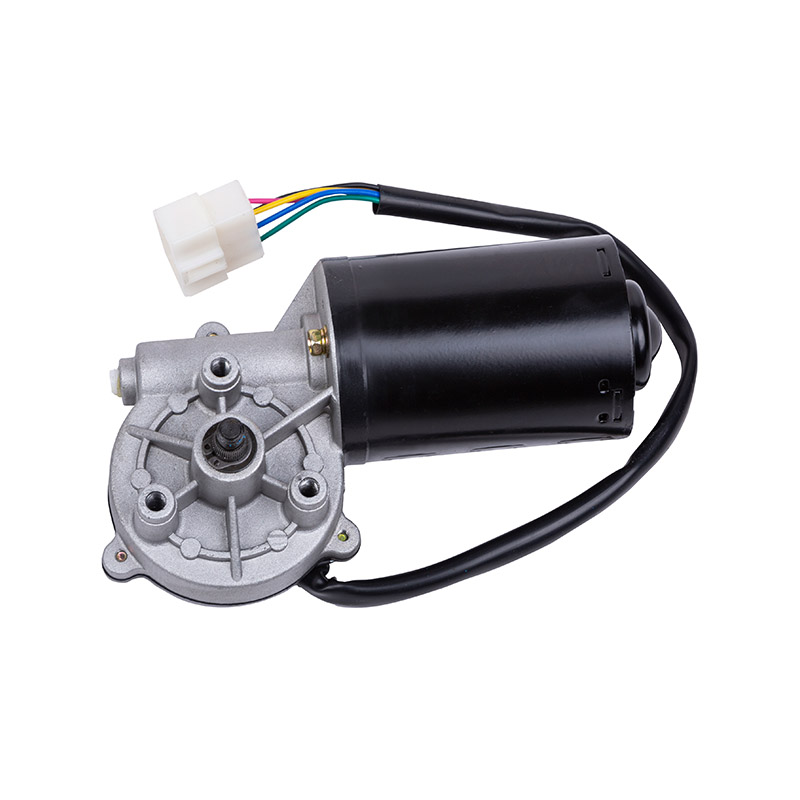
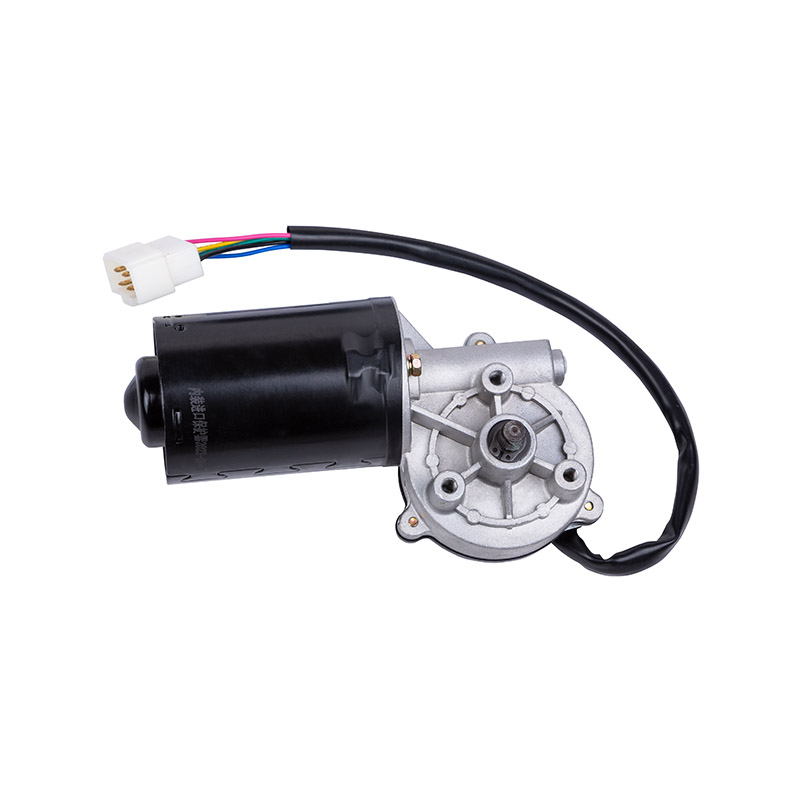
Torque is the rotational force generated by a wiper motor. In marine applications, a marine windshield wiper motor kit must provide sufficient torque to move the wiper arms under various weather conditions. High torque is particularly important when dealing with large or heavy wiper blades or when operating in strong winds and on rough seas. A motor with inadequate torque can stall, pilot to incomplete wiping or even damage to the motor and blade assembly. Therefore, evaluating the torque output in relation to the size and weight of the windshield and wiper blades is a critical step in selecting the right system.
Speed Requirements for Effective Wiping
In addition to torque, the speed of the wiper motor is another important factor. High torque windshield wiper motors often balance force with appropriate speed to maintain effective clearing without causing excessive wear on the blades. The motor must move at a speed that ensures water is efficiently removed while allowing the wiper arms to complete smooth and consistent passes across the glass. Variable speed control can also be useful, as it allows adjustments based on rainfall intensity or sea conditions, which contributes to both safety and comfort on board.
Durability and Reliability Considerations
Durability is a significant factor in marine environments. Saltwater, temperature fluctuations, and continuous operation can put stress on both the motor and the wiper assembly. Choosing durable windshield wipers that pair well with a reliable motor helps reduce maintenance needs and extend the system's service life. Motors designed with corrosion-resistant materials and sealed components are better equipped to handle exposure to moisture and other harsh conditions. Regular inspection and proper lubrication further enhance the durability of the system.
Integration with Wiper Blades
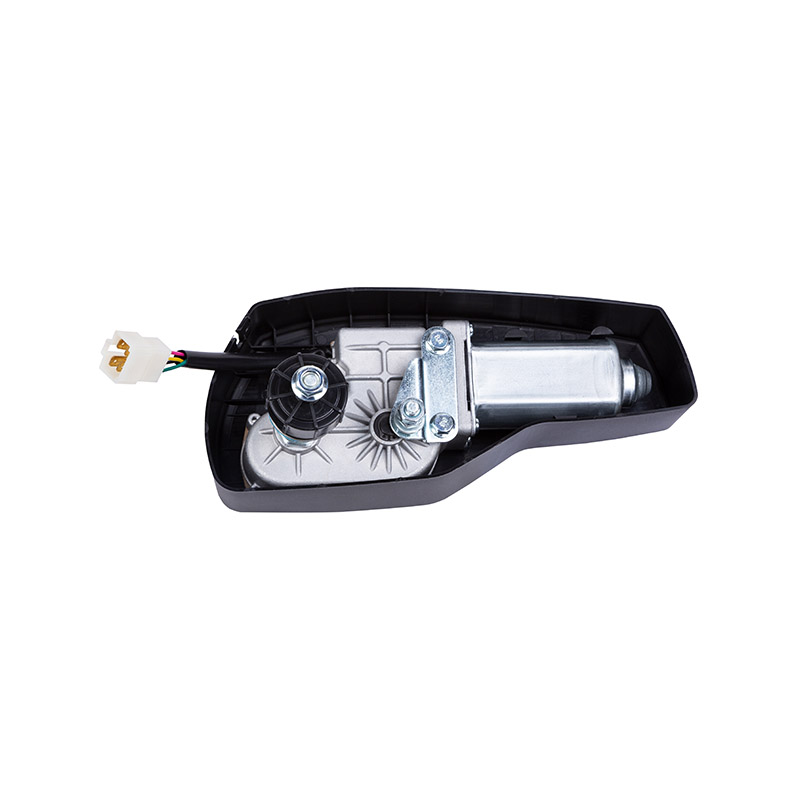
The performance of a wiper motor is closely linked to the design and quality of the blades. A motor must provide enough torque and consistent speed to ensure durable windshield wipers can clear the surface effectively. Mismatched components may result in streaking, skipping, or uneven pressure distribution. For marine applications, it is advisable to consider a full marine windshield wiper motor kit that includes both the motor and compatible wiper arms and blades, ensuring smooth operation and reliable performance under various conditions.
Maintenance and Testing
To maintain performance, periodic testing of torque and speed is recommended. This involves checking the motor under load and ensuring it can complete full sweeps without slipping or stalling. Inspecting the connection points, electrical supply, and blade condition can prevent unexpected failures. Proper maintenance contributes not only to the longevity of the motor but also to the overall safety of navigation, especially in adverse weather conditions.
Selecting a wiper motor for marine applications requires careful attention to torque and speed performance. By considering the needs of the windshield, wiper arms, and environmental conditions, operators can ensure clear visibility and reliable operation. Utilizing a marine windshield wiper motor kit with high torque windshield wiper motors and durable windshield wipers provides a practical solution for maintaining effective and long-lasting marine wiper systems. Understanding these performance requirements helps achieve consistent operation and reduces the risk of motor or blade failure, supporting safer and more comfortable navigation on the water.