

 English
  Español
  русский
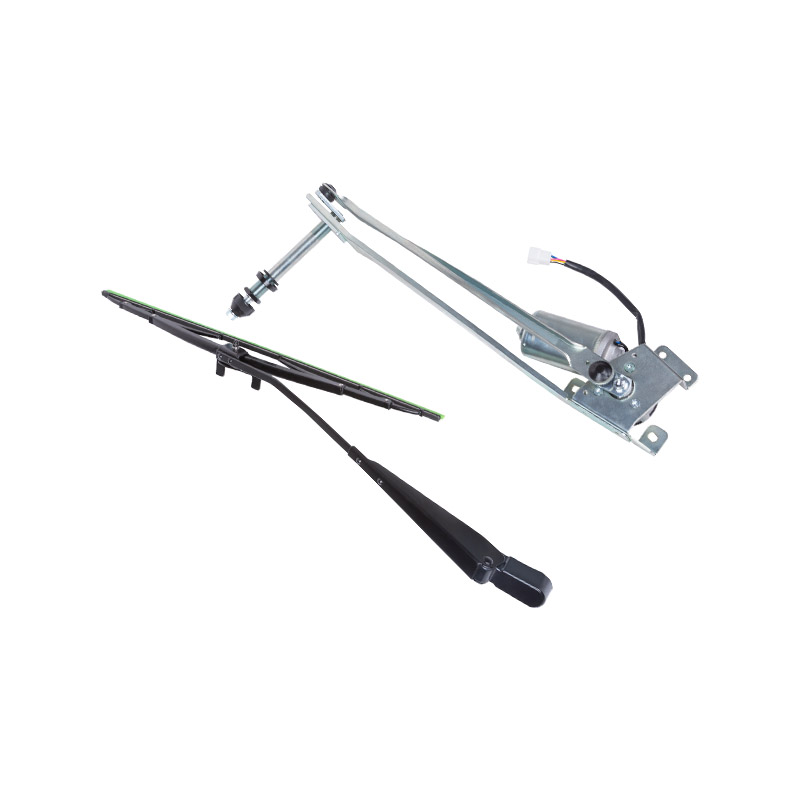
 Industrial and marine environments often challenge equipment performance with high humidity, temperature fluctuations, and continuous operation demands. For motion systems requiring consistent wiping or oscillating actions, both the 110V Wiper Motor and Modular Wiper Motor offer practical solutions. However, ensuring that these motors maintain stable performance under tough environmental conditions depends on proper selection, installation, and maintenance.
Structural Design and Features Supporting Harsh Environments
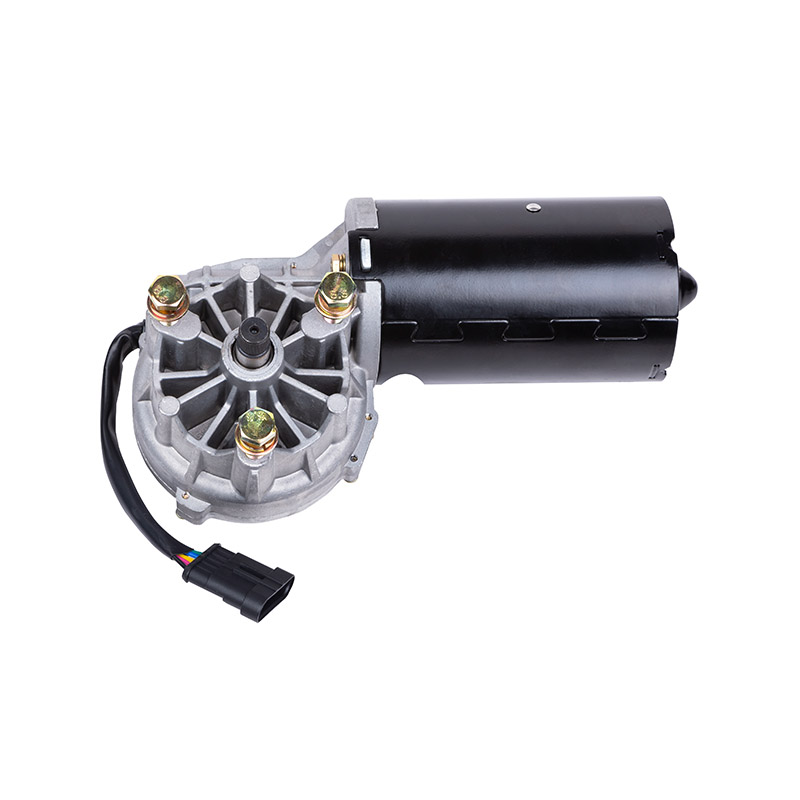
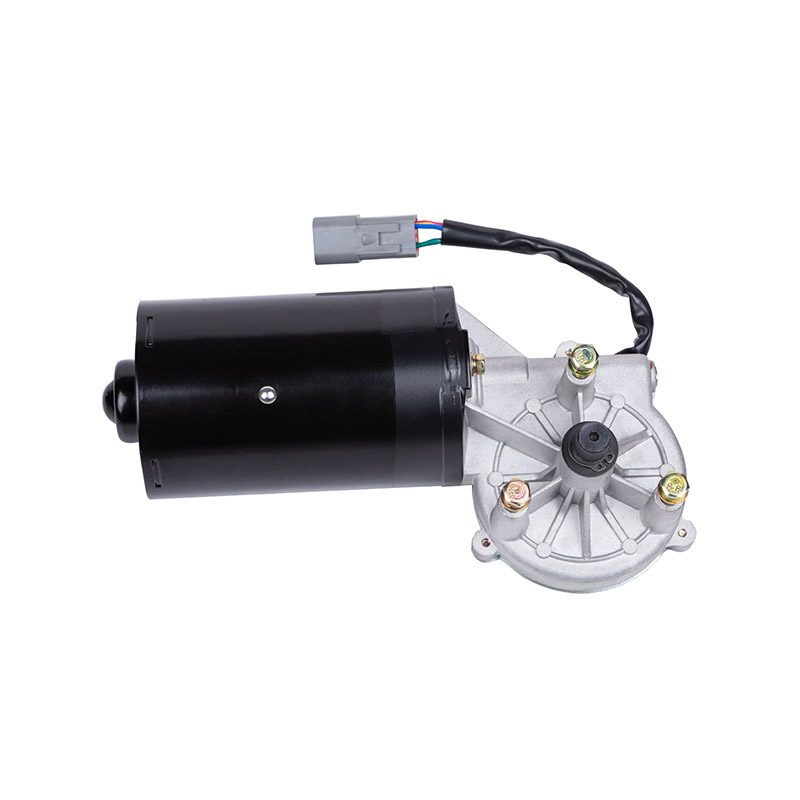
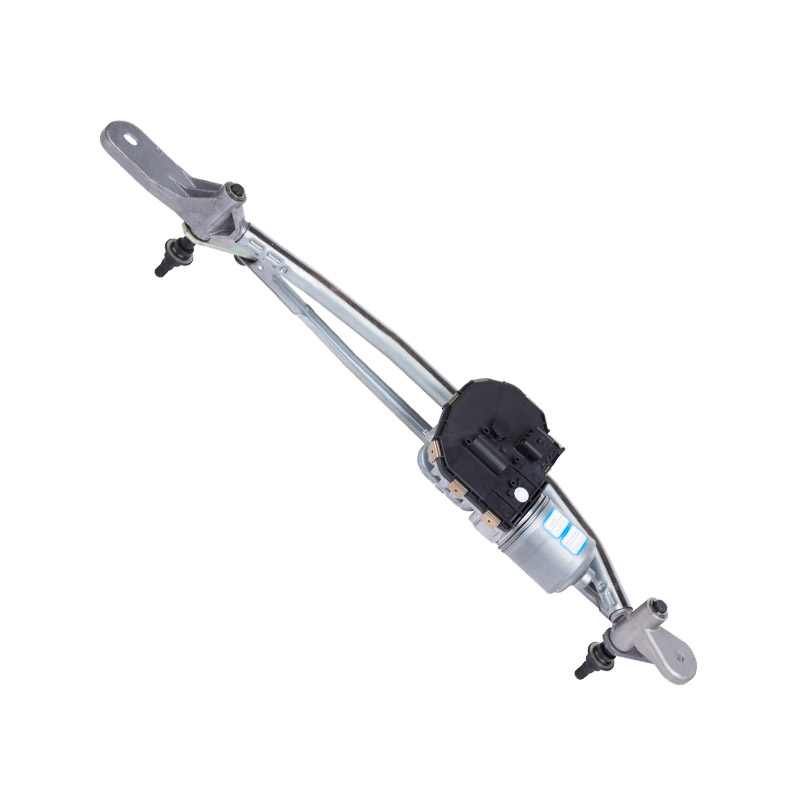
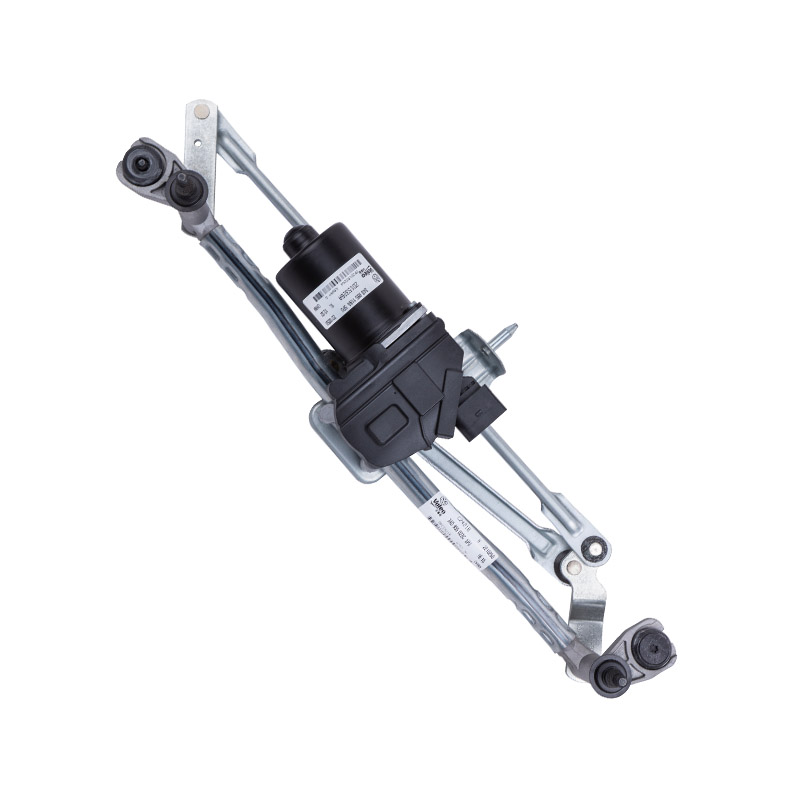
The structure of the 110V Wiper Motor is designed for compatibility with standard voltage systems while maintaining balanced power output and torque stability. This makes it suitable for a wide range of industrial and marine applications. The modular wiper motor, on the other hand, emphasizes adaptability. Its construction allows engineers to customize housing, gear ratios, and output angles according to the specific environmental and mechanical requirements of the equipment.
For harsh environments such as offshore facilities, construction vehicles, or agricultural equipment, the key design focus lies in sealing and durability. Motors used in these scenarios are often equipped with waterproof casings, sealed connectors, and corrosion-resistant materials to prevent damage from moisture and dust. A well-sealed 110V wiper motor effectively blocks salt spray and condensation from entering the internal chamber, ensuring the electrical and mechanical parts remain functional over long operational cycles.
Additionally, modular configurations make it easier to integrate protective components such as reinforced gear housings or rubber gaskets. This ensures that even when exposed to vibration or temperature changes, the motor remains mechanically stable without loosening or premature wear.
Power Management and Voltage Stability
One of the key advantages of the 110V Wiper Motor is its compatibility with common power systems. Many industrial facilities and marine vessels operate on 110V power supplies, which simplifies integration and reduces the need for voltage converters. However, stable operation still requires attention to voltage consistency.
Fluctuating power supply or irregular voltage can cause the motor to run inefficiently, resulting in inconsistent speed or torque. To address this, operators can use voltage regulators or surge protectors to maintain a steady electrical input. For modular wiper motors used in customized systems, integrated control circuits or external controllers can be configured to adjust the motor speed according to the task’s load demand.
Maintaining proper wiring connections also plays a crucial role. Secure terminals and appropriately rated cables prevent voltage drops and overheating.
Environmental Adaptation Through Material and Design Choices
When selecting a wiper motor for harsh conditions, materials and coatings are decisive factors. The outer housing should be made of corrosion-resistant metals or treated alloys, especially for marine or outdoor environments. Internal components, such as gears and shafts, can be strengthened with specialized coatings to prevent wear caused by friction and exposure to contaminants.
For equipment that experiences vibration or movement, such as heavy-duty vehicles or offshore cranes, vibration-damping mounts can be installed to protect the motor’s internal alignment. The modular design makes such customization straightforward, as users can select the appropriate bracket type or gear housing material based on the specific environment.
Temperature management is another aspect that affects motor performance. High heat can reduce lubrication effectiveness, while cold environments can cause mechanical stiffness. To address this, using temperature-resistant lubricants and ensuring proper ventilation around the motor housing helps maintain stable operation.
Maintenance Practices That Prolong Motor Life
Even with durable design, consistent maintenance is necessary to ensure reliable performance over time. Regular inspection of seals, brushes, and electrical terminals helps identify early signs of wear or corrosion. Lubrication schedules should be maintained according to manufacturer recommendations, particularly for motors exposed to dust or high humidity.
For modular wiper motors, one of the key advantages is ease of part replacement. When specific components such as gears, brushes, or seals are worn out, they can be replaced individually without removing the entire unit. This design significantly reduces downtime and cost, which is especially important for operations where continuous activity is required.
Operators should also check for water accumulation around mounting areas and confirm that drain holes, if present, are not blocked. Keeping the surrounding area clean prevents moisture buildup that could lead to rust or electrical short circuits. Routine cleaning and inspection of terminals further protect the motor from conductivity issues.