

 English
  Español
  русский
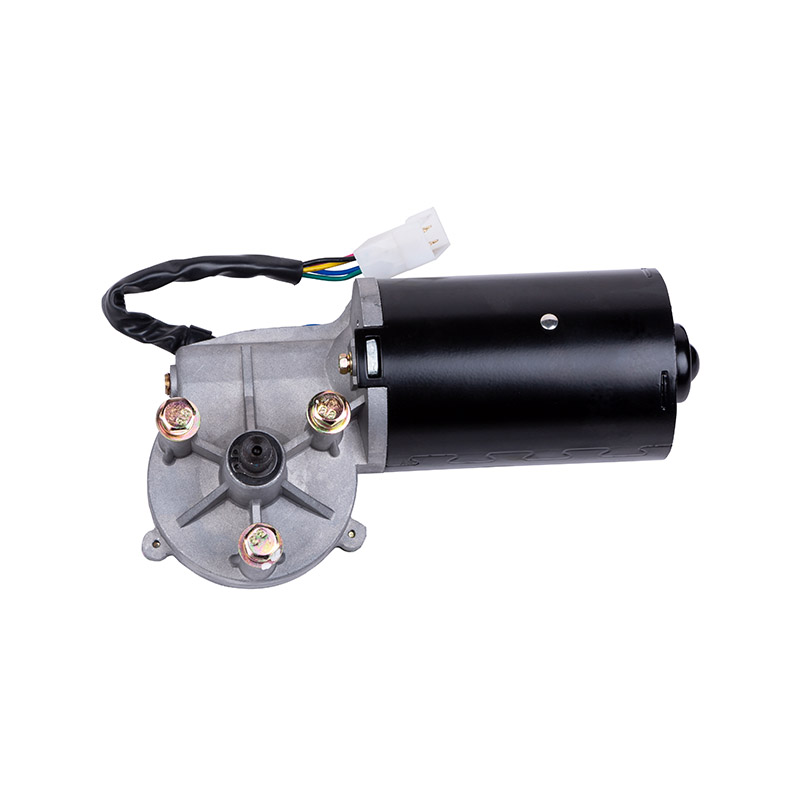
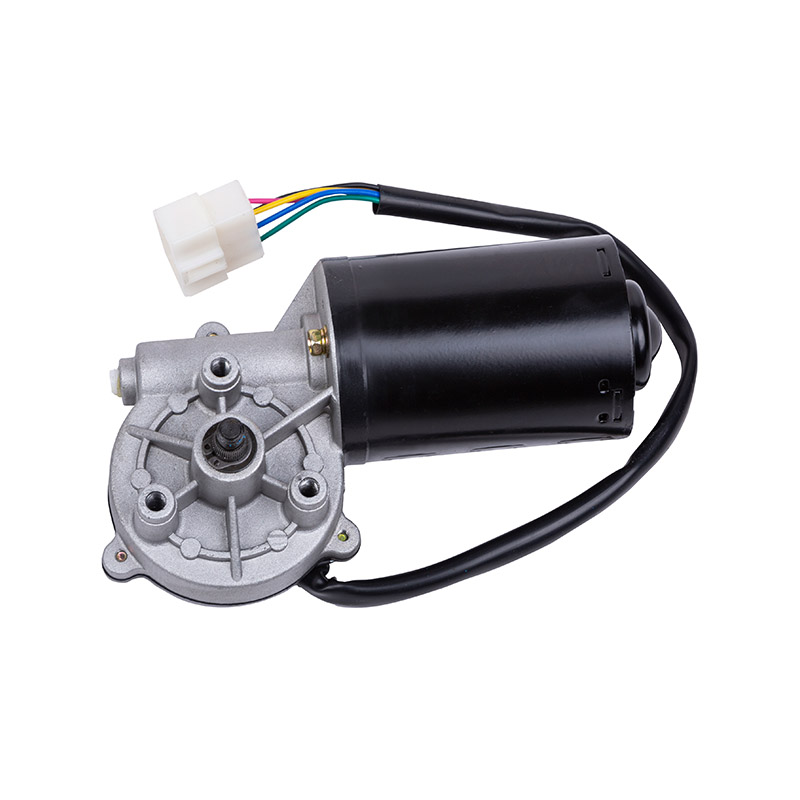
 Across industrial and marine environments, machines that require repetitive or controlled motion rely on motors that can maintain steady performance for long durations. Both the 110V Wiper Motor and Modular Wiper Motor have become essential in such systems, providing dependable motion under continuous working conditions. Understanding how these motors contribute to uninterrupted operation helps designers and operators make informed decisions about motor selection, installation, and maintenance.
Understanding the Function of Wiper Motors in Continuous Systems
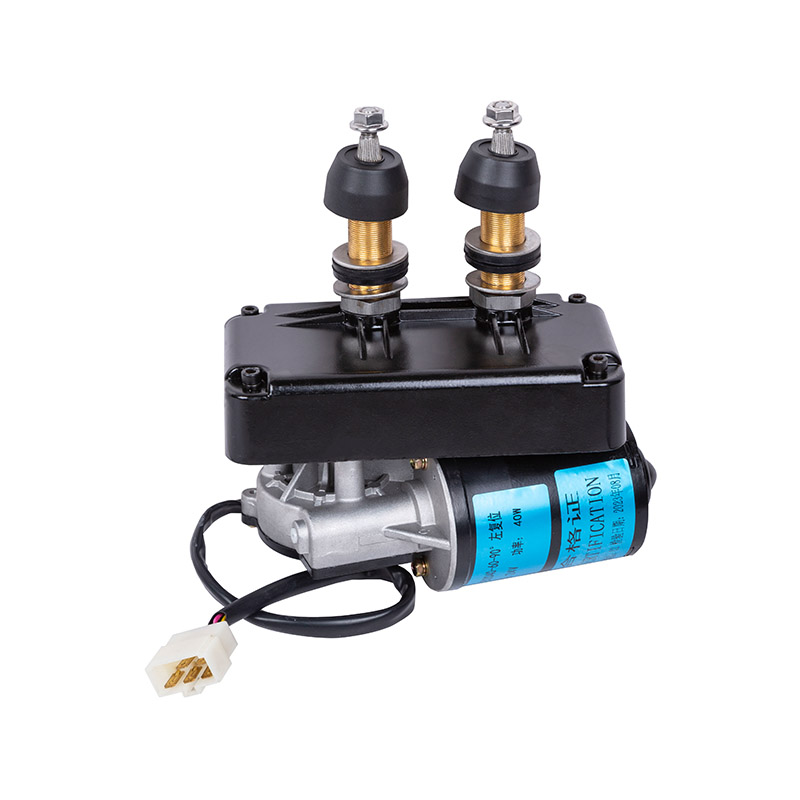
A wiper motor’s primary task is to convert electrical energy into consistent mechanical motion. In continuous motion systems — such as automated cleaning devices, marine wiper systems, and industrial conveyor equipment — maintaining synchronized and uninterrupted movement is critical. The 110V wiper motor operates efficiently within standard power systems, allowing it to deliver steady torque output and smooth oscillation.
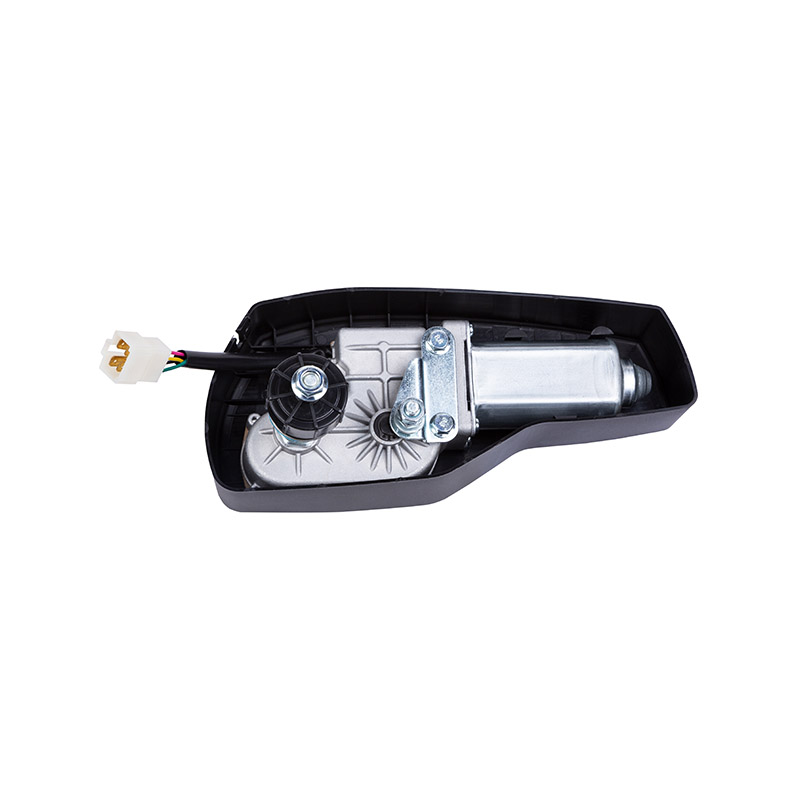
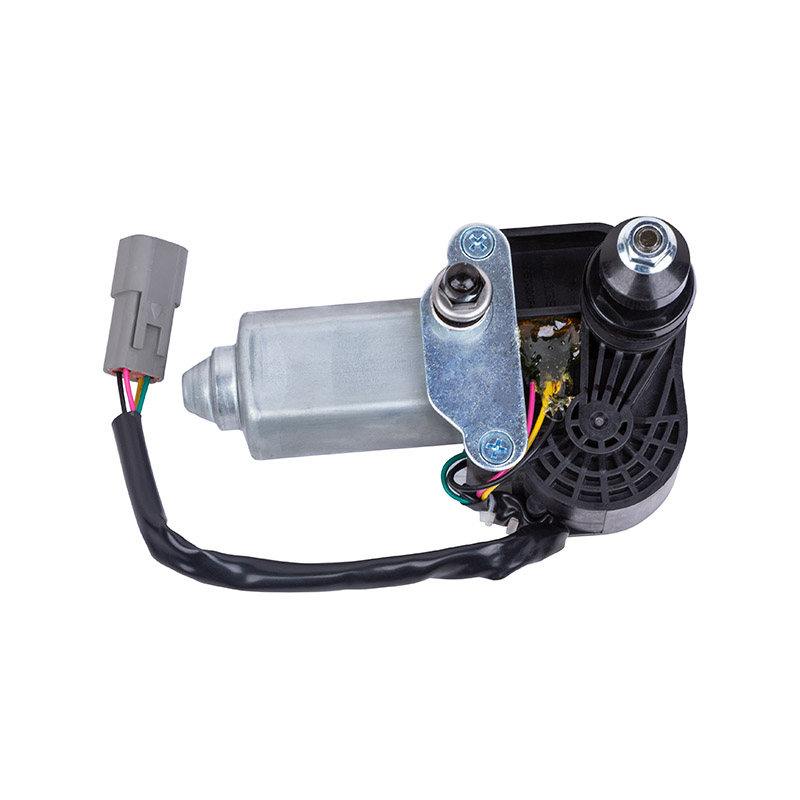
The modular wiper motor, by contrast, adds flexibility to system design. Its modular configuration means different components, such as gearboxes, mounts, or output shafts, can be adapted to specific mechanical requirements. This versatility allows the same base motor to serve multiple functions across different machines, reducing the need for unique components in every setup. Together, these motors address both stability and adaptability — two crucial aspects for continuous operation.
Power and Efficiency Through 110V Configuration
Continuous motion applications depend heavily on consistent power supply and controlled energy use. The 110V Wiper Motor aligns with standard electrical systems, making it easier to integrate into various industrial and commercial installations. Its voltage level provides a good balance between efficiency and torque generation, supporting medium-duty equipment without excessive power draw.
In systems that operate continuously, such as production lines or marine windshield mechanisms, voltage stability ensures predictable motion cycles. Irregular power supply can cause inconsistent motion or motor strain, so matching the motor with an appropriate 110V power circuit is vital. Using surge protection and regulated power sources further enhances performance stability and extends the equipment’s operational life.
The Role of Modular Design in Sustained Operation
Continuous motion often requires customized configurations to fit specific installation angles, motion ranges, and torque demands. The modular wiper motor supports these needs through its adaptable structure. Engineers can adjust parameters such as gear ratio, output speed, and arm length to achieve the right balance of power and precision.
This adaptability means that one motor platform can be used across different applications with minor adjustments. For instance, in an assembly line cleaner or marine defogging system, the modular configuration allows the same base model to accommodate distinct operating environments without compromising efficiency. The modular design also simplifies maintenance — when one component experiences wear, it can be replaced individually without disassembling the entire motor unit.
By reducing maintenance time and enabling easy reconfiguration, modular wiper motors help sustain system uptime, which is a key requirement for continuous motion systems.
Managing Heat, Friction, and Load During Continuous Operation
A critical aspect of continuous motion is managing the effects of prolonged mechanical activity. Heat buildup, friction, and varying loads can impact performance over time. For both 110V and modular wiper motors, material quality and internal design determine how well the motor withstands extended operation.
Motors designed for continuous duty typically include thermal protection or are constructed with heat-dissipating housings. Adequate ventilation and appropriate mounting spacing help maintain acceptable operating temperatures. Using proper lubricants and regularly inspecting moving parts also contribute to reducing friction and preventing wear on gears and bearings.
In systems with variable loads, modular configurations allow fine-tuning of torque output through gear ratio adjustments. This feature ensures that the motor is not overworked under heavier motion demands, improving long-term stability and reducing maintenance frequency.
Maintenance Strategies for Continuous Motion Systems
To maintain stability in long-running applications, scheduled maintenance is essential. For 110V wiper motors, periodic checks should focus on electrical terminals, insulation integrity, and brush condition. Ensuring the wiring remains secure and free from corrosion prevents performance interruptions caused by voltage drops or short circuits.