

 English
  Español
  русский
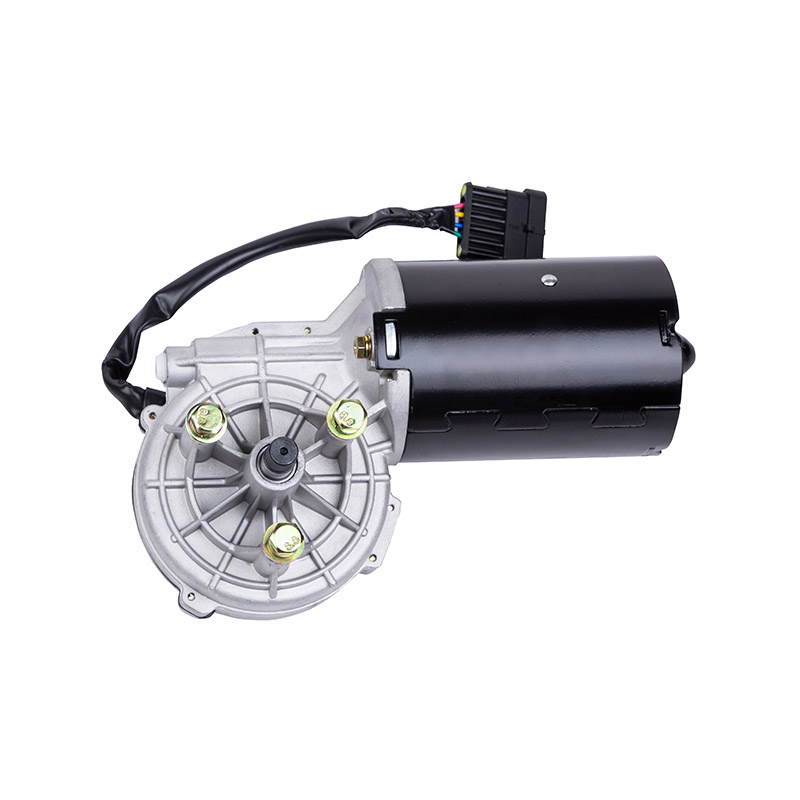
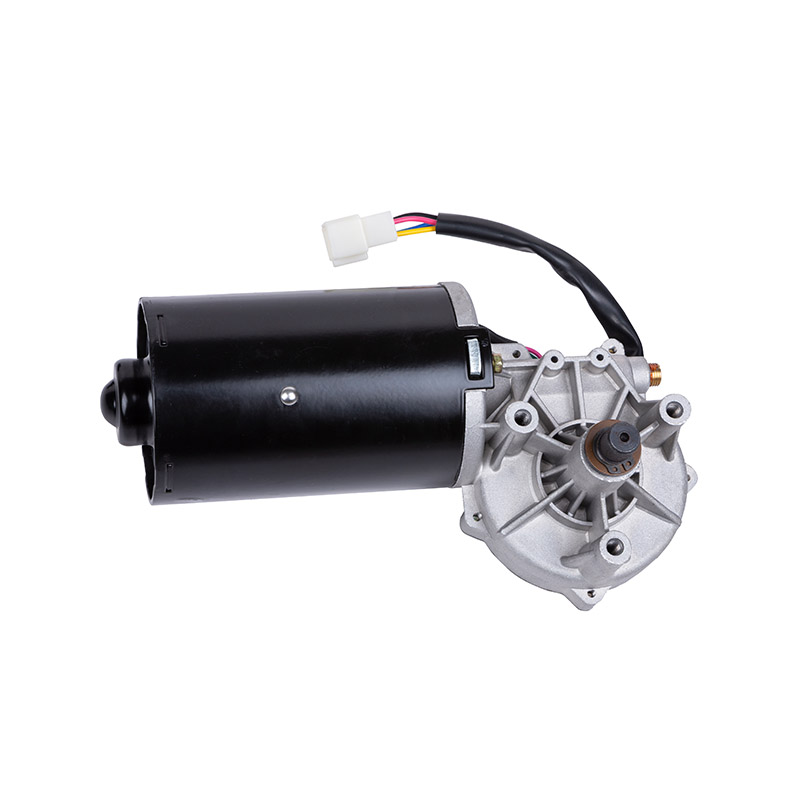
 Proper installation directly determines how well a 110V Wiper Motor and a Modular Wiper Motor perform in long-term applications. These motors are widely used in industrial equipment, marine systems, and automated cleaning machinery, where consistent motion and durability are essential. However, even a well-designed motor can underperform or wear out prematurely if installation procedures are not handled correctly. Understanding the key factors that affect alignment, wiring, and environmental compatibility helps ensure stable and efficient operation across various applications.
Evaluating Mounting Location and Alignment
Before installing a 110V wiper motor, assessing the mounting location is critical. The motor should be positioned where mechanical movement is unrestricted and airflow around the housing is sufficient for heat dissipation. Improper placement may cause vibration, uneven torque transmission, or overheating.
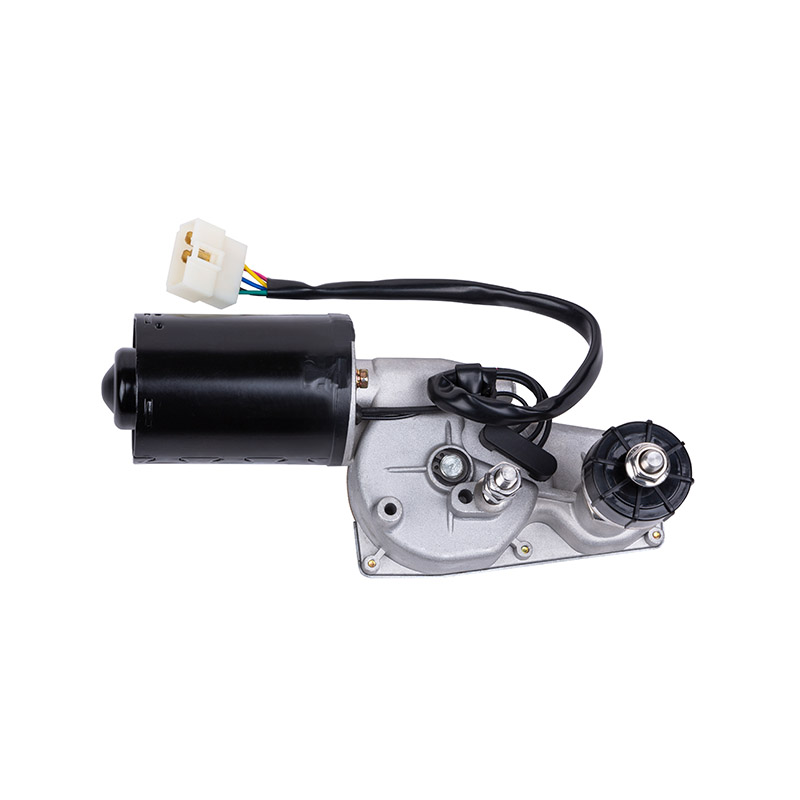
In modular wiper motor systems, adjustable mounting options make installation more flexible. Brackets, base plates, and gear orientations can be customized to match the required motion pattern. This modularity allows engineers to install the motor in tight or irregular spaces while maintaining precise alignment with the driven components.

Ensuring Electrical Compatibility and Safe Connections
A key consideration for installing a 110V wiper motor is verifying that the power supply matches the rated voltage. Many industrial environments use a 110V system, but fluctuations can still occur.
The wiring process should follow the manufacturer’s circuit diagram, paying attention to grounding and insulation. Proper grounding protects against electrical interference and helps maintain smooth operation during power fluctuations. Wire terminals must be secured firmly to prevent loose connections, which could generate heat or cause intermittent power delivery.
When integrating modular wiper motors into complex systems, additional control units or relay switches may be used for timing and speed adjustment. These components should be housed in dry, well-ventilated areas to avoid moisture accumulation and corrosion. Using appropriately rated cables and connectors ensures safe power transfer and extends the system’s overall lifespan.
Considering Environmental Protection and Sealing Requirements
Both 110V and modular wiper motors often operate in environments where they are exposed to moisture, dust, or temperature changes. Choosing appropriate protective measures during installation is crucial. If the motor is used outdoors or in marine conditions, a sealed housing with an appropriate ingress protection (IP) rating should be selected.
Waterproof gaskets and sealed connectors prevent moisture from entering the motor chamber. For marine or industrial cleaning applications, installing a small drainage channel near the mounting area helps divert water away from sensitive components. Protective coatings or stainless-steel hardware can also improve resistance to corrosion, particularly in salt-laden or high-humidity environments.
The motor’s ventilation should not be overlooked. While sealing protects against moisture, completely restricting airflow can trap heat. Maintaining a balance between protection and ventilation ensures stable operation and avoids thermal damage during continuous use.
Managing Mechanical Load and Torque Requirements
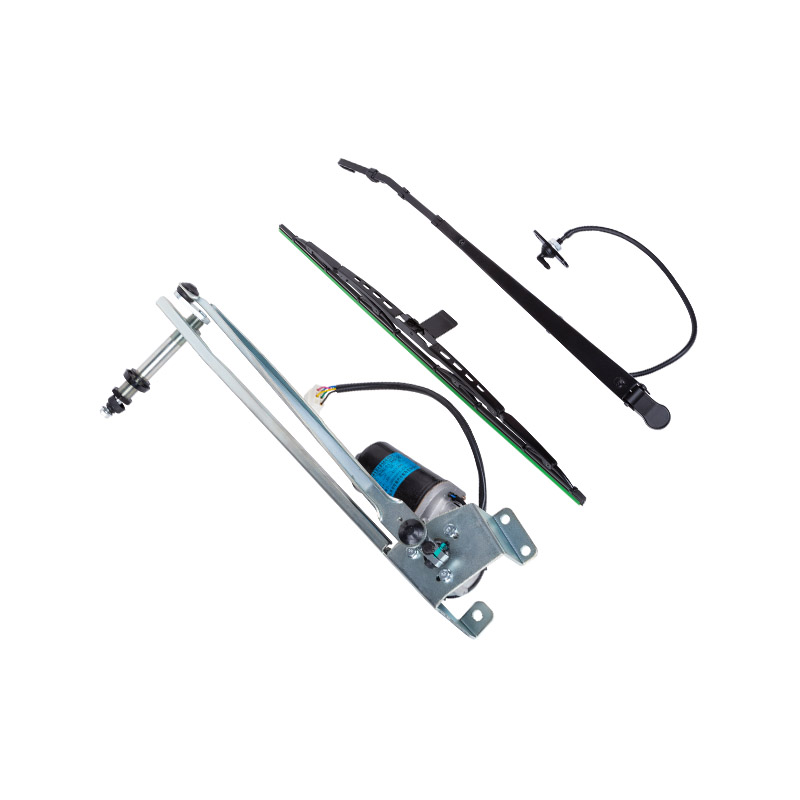
Improper load distribution during installation is a common cause of motor performance issues. Each motor is designed to operate within a specific torque range. If the wiper arm or connected linkage exceeds that range, the motor may draw excessive current or experience irregular motion.
Before installation, measuring the weight and motion resistance of the connected mechanism helps determine whether the selected motor configuration can handle the load. The Modular Wiper Motor design allows torque adjustments through gear ratio changes, giving engineers flexibility to adapt to different motion systems. Ensuring the correct balance between motor torque and arm resistance is essential for achieving consistent wiping or oscillating performance.