

 English
  Español
  русский
 Ensuring clear visibility during bus operations is crucial for the safety of both drivers and passengers. A well-maintained bus wiper system can significantly reduce risks during adverse weather conditions. Daily inspection of bus wiper systems is a simple yet effective practice that helps maintain reliable performance and prolongs the service life of key components.
Importance of Daily Inspection
Daily inspections help identify potential issues before they escalate into failures. Wiper systems are exposed to various environmental factors, including dust, rain, snow, and road debris, which can affect performance over time. Regular checks ensure that the automotive wiper motor, wiper blades, and the entire windshield wiper assembly with motor function smoothly, providing consistent clearing of the windshield for good visibility.
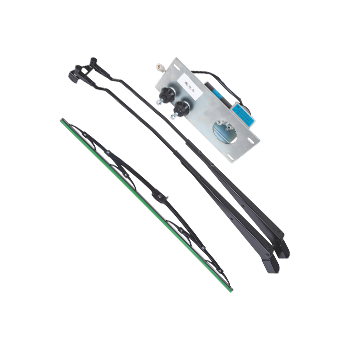
Checking the Wiper Blades
One of the steps in daily inspection involves examining the wiper blade motor and the wiper blades themselves. Wiper blades should be free from cracks, tears, or uneven wear. Any visible damage can reduce the blade's effectiveness, leaving streaks or patches on the windshield. In addition, it is important to check that the wiper blades make full contact with the windshield surface. Uneven pressure may indicate problems with the wiper arms or blade attachment points.
Testing the Wiper Motor
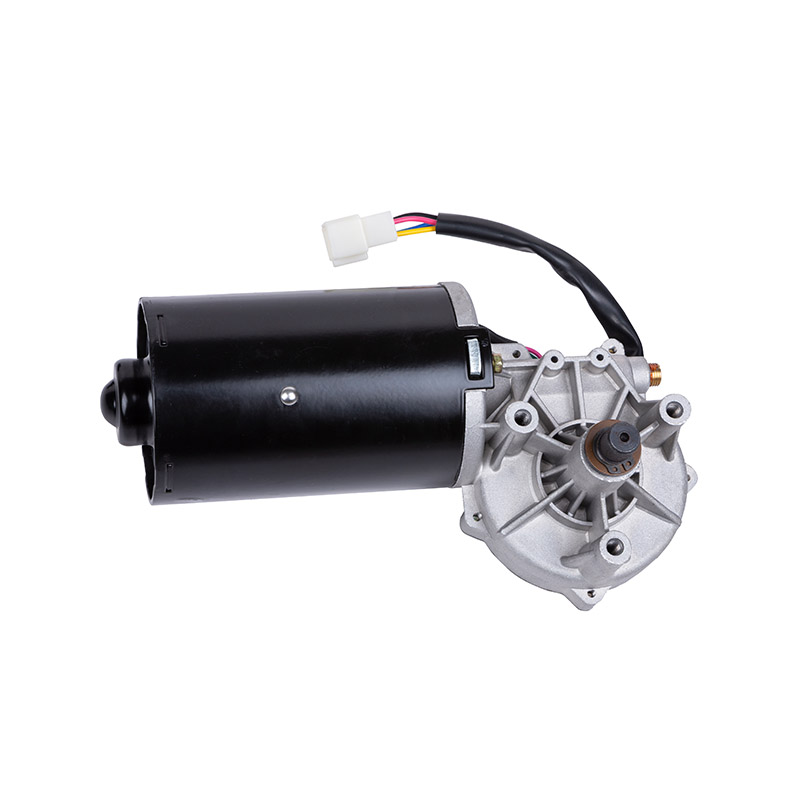
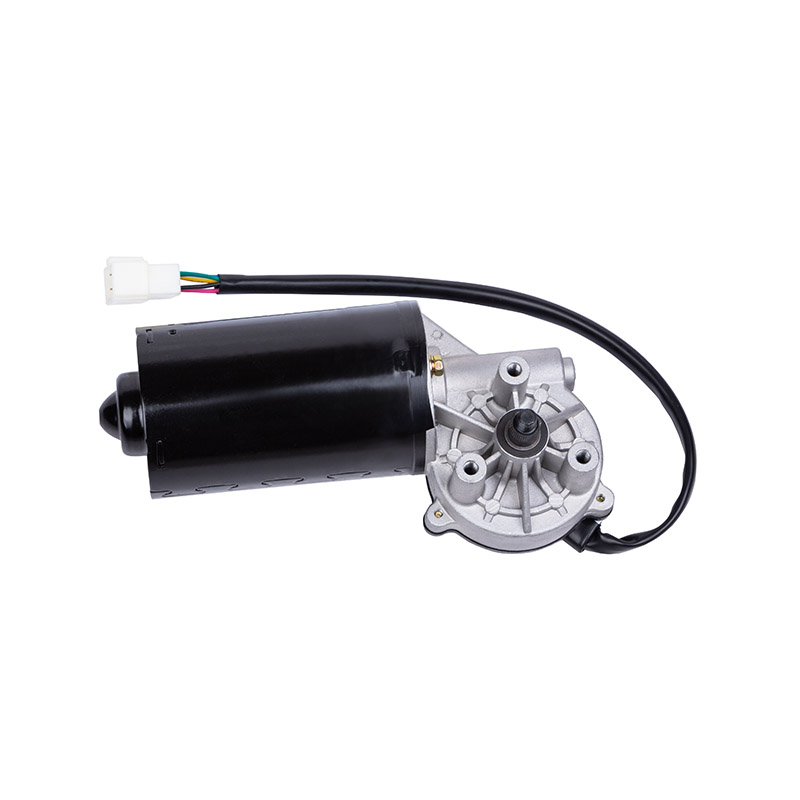
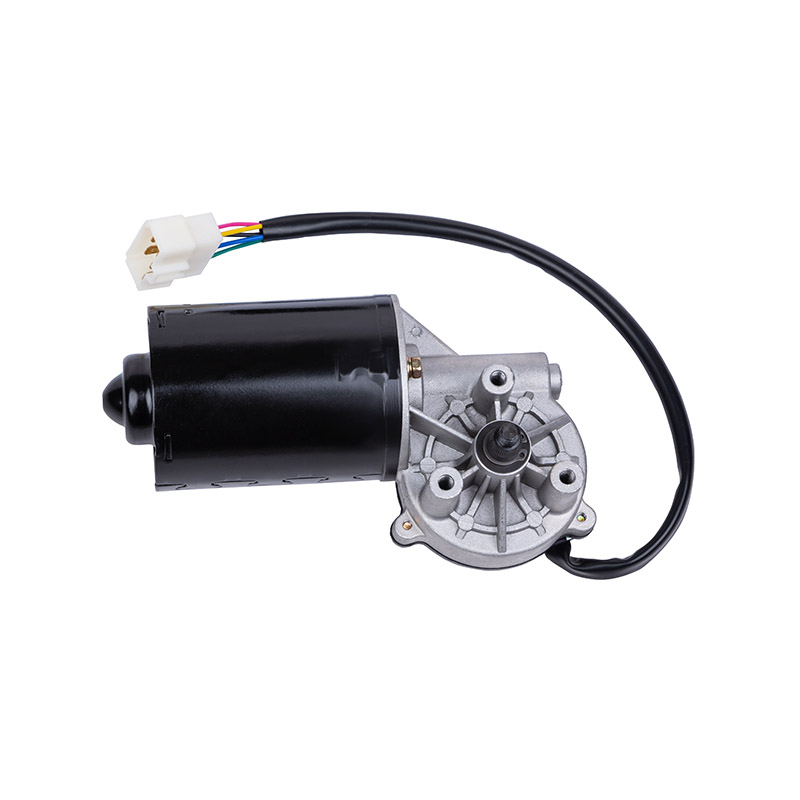
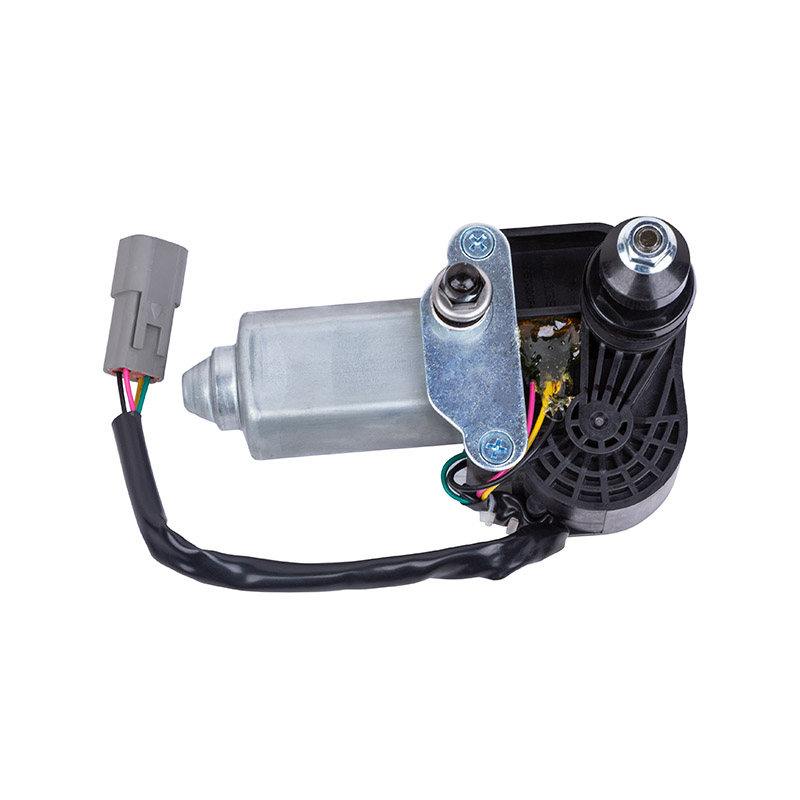
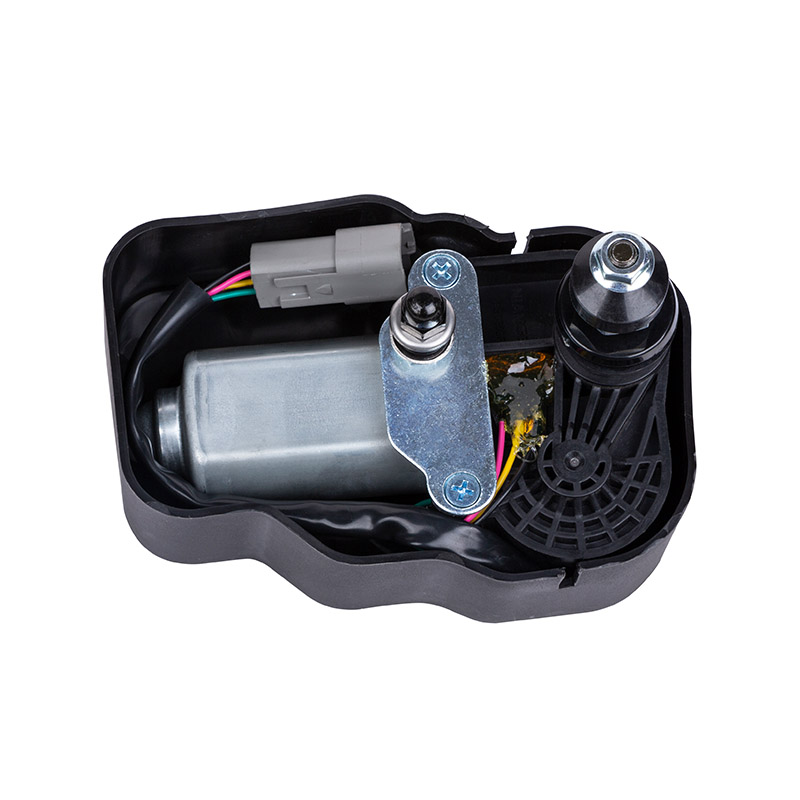
The automotive wiper motor drives the movement of the blades across the windshield. During inspection, the motor should be tested at different speed settings to ensure it operates smoothly and without unusual noises. Irregular movements or excessive vibration could indicate internal wear or electrical issues. Early detection of motor problems allows maintenance teams to address concerns before they affect vehicle safety.
Inspecting the Windshield Wiper Assembly
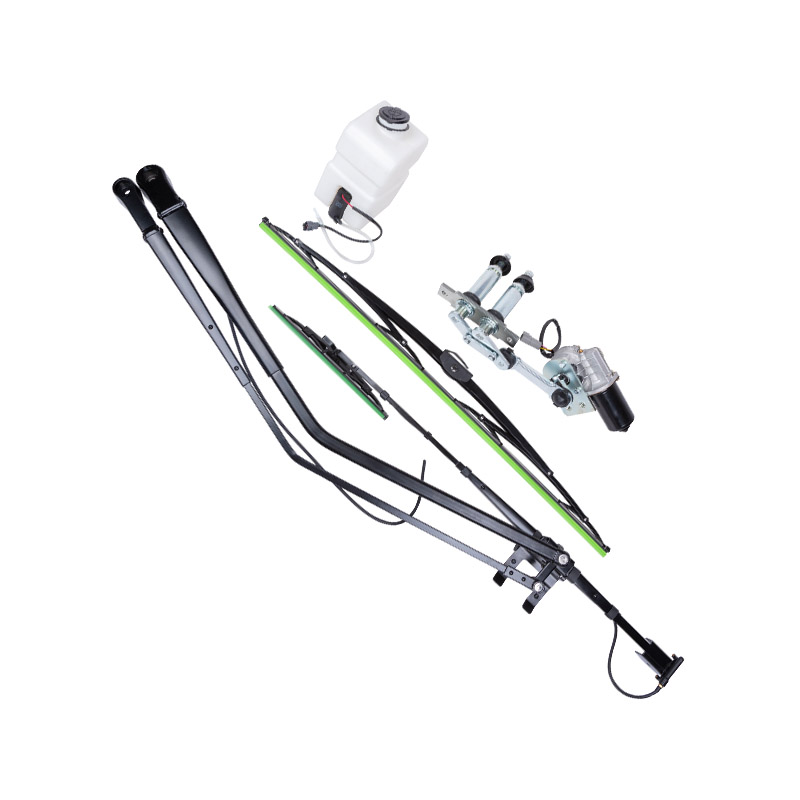
A complete windshield wiper assembly with motor includes the blades, arms, linkage, and motor. Each component should be checked for proper alignment and secure attachment. Loose connections or misaligned arms can compromise the wiping efficiency and may advance to motor strain. Daily inspections help maintain the integrity of the assembly, ensuring that it responds accurately to driver inputs during operation.
Lubrication and Cleaning
Keeping the wiper system clean and lubricated is an important aspect of daily maintenance. Dust, grime, and road salt can accumulate on moving parts, pilot to friction and wear. Cleaning the wiper blades and arms with a soft cloth and applying recommended lubricants to pivot points and joints can improve movement efficiency. Maintaining a clean windshield is also crucial, as dirt and debris can accelerate blade wear.
Electrical and Control Checks
Modern bus wiper systems often feature variable-speed controls, intermittent settings, and automated sensors. Checking the electrical connections and control settings daily ensures the system operates as intended. Loose wires, corrosion, or malfunctioning switches can impair motor performance and reduce safety during wet or foggy conditions.
Benefits of Routine Daily Inspection
Consistent daily inspection of the bus wiper system enhances road safety and reduces long-term maintenance costs. By detecting early signs of wear or malfunction in the wiper blade motor, automotive wiper motor, or the windshield wiper assembly with motor, preventive actions can be taken before serious damage occurs. This proactive approach supports smoother operations and ensures that drivers have clear visibility at all times.
A bus's wiper system plays a critical role in maintaining driver visibility and overall road safety. Daily inspection routines that include checking the wiper blades, testing the automotive wiper motor, and examining the complete windshield wiper assembly with motor help ensure reliable performance. With careful attention to each component, bus operators can provide a safer travel experience for passengers while reducing the likelihood of unexpected system failures.