

 English
  Español
  русский
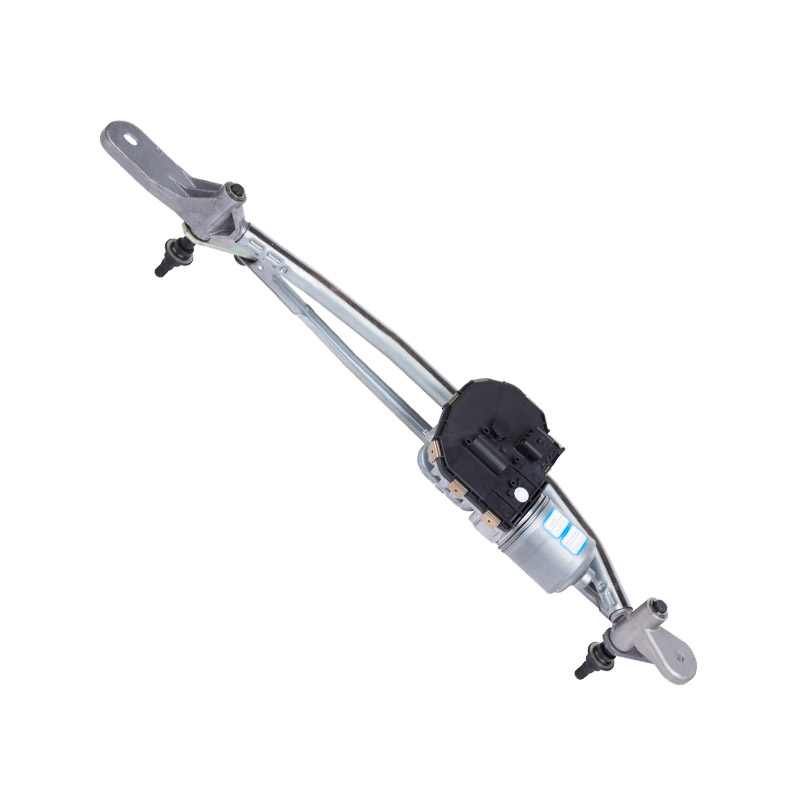
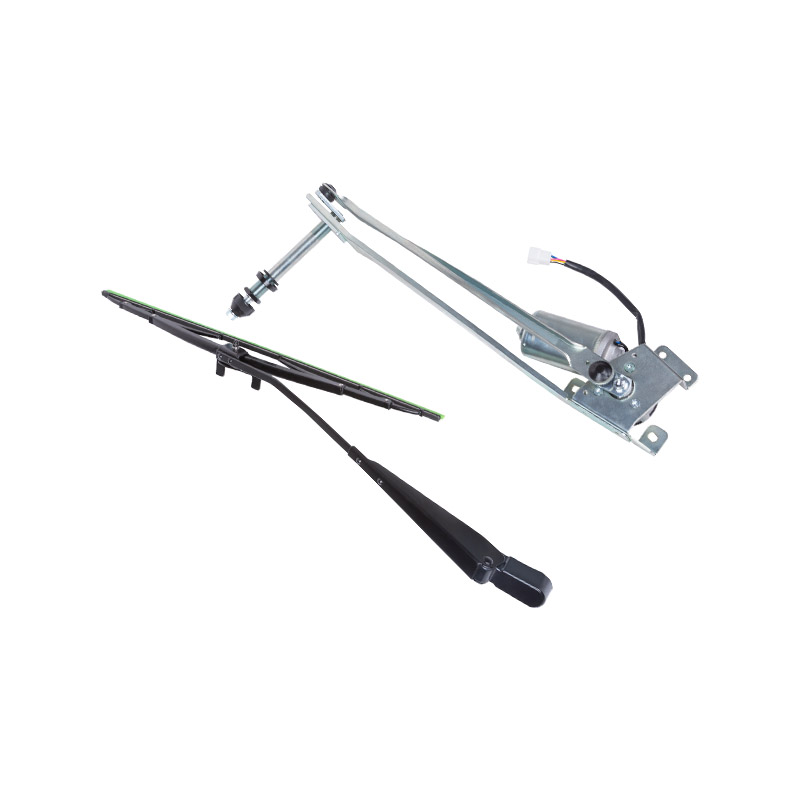
 Maintaining clear visibility is crucial for the safety of bus drivers and passengers. The bus wiper system, including components such as automobile windshield wipers, car window wiper motor, and wiper motor arms, plays a vital role in ensuring effective windshield cleaning. Over time, these systems may experience common failures that can impact performance. Understanding these issues and their troubleshooting methods can help extend the life of the system and maintain safety on the road.
Common Issues with Bus Wiper Systems
One of the frequent problems observed in bus wiper systems is uneven or incomplete wiping. This often occurs when the automobile windshield wipers are worn out or improperly installed. Rubber blades can lose flexibility, causing streaks or missed spots. Additionally, debris such as dirt, leaves, or ice can obstruct the wiper path, pilot to inefficient cleaning.
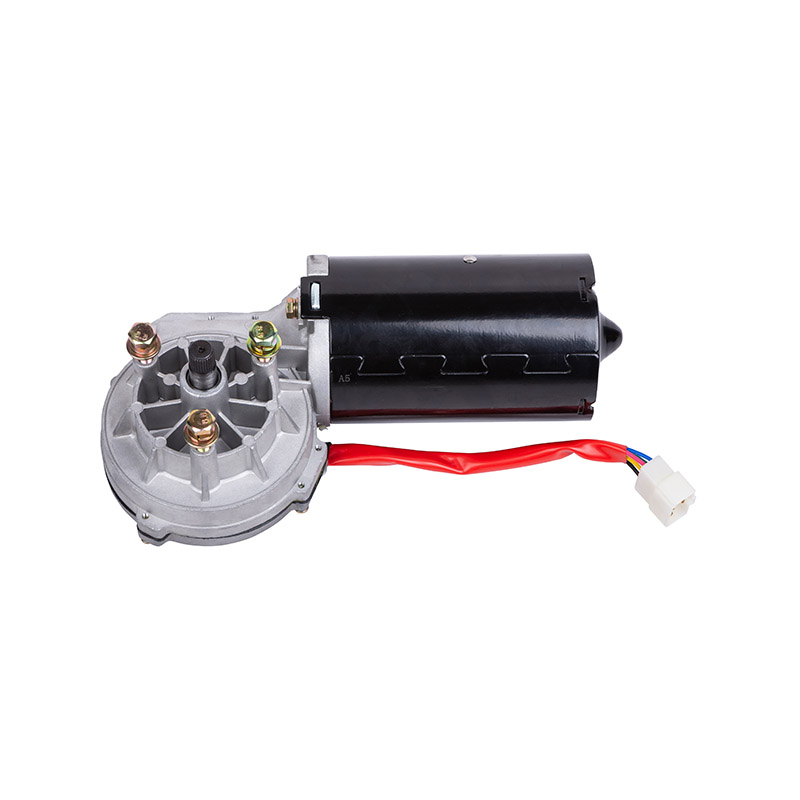
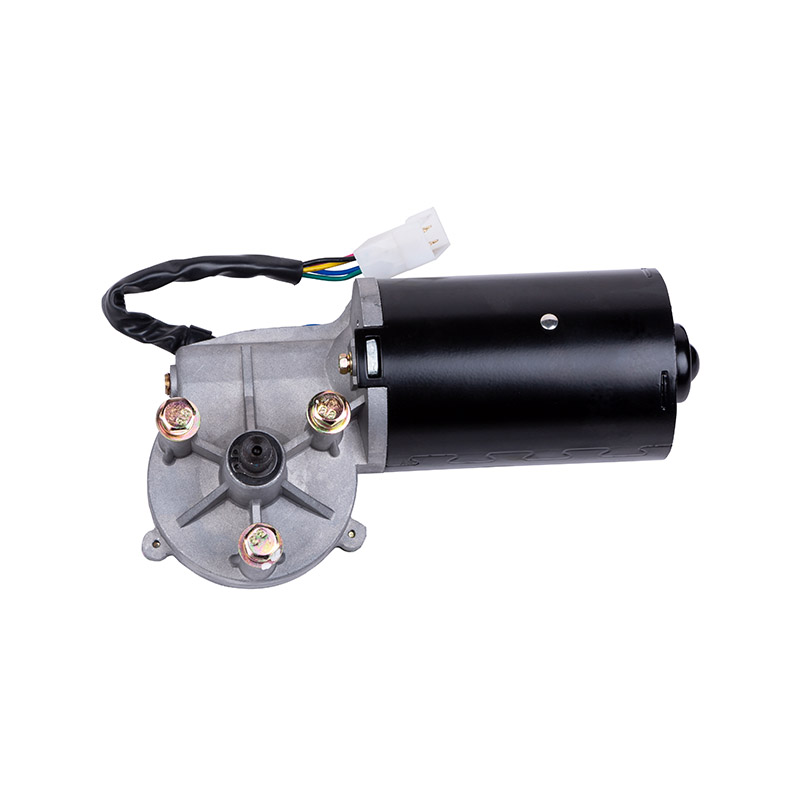
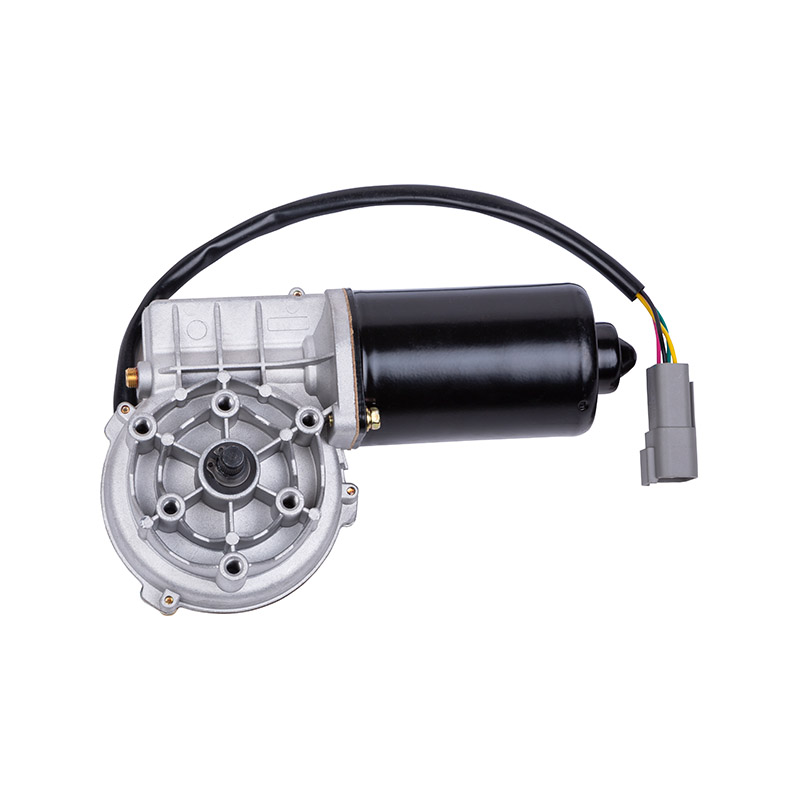
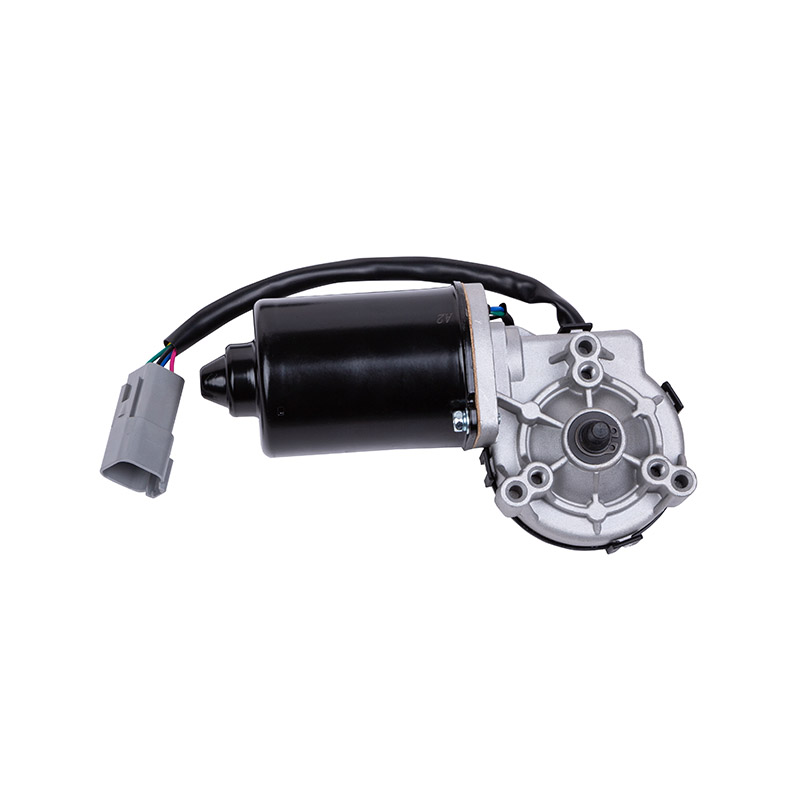
Another common issue is abnormal motor operation. The car window wiper motor may run slowly, intermittently, or fail to start altogether. These symptoms can result from electrical faults, worn brushes, or internal mechanical problems within the motor. Regular inspection and testing of the motor voltage and current can help detect early signs of failure.
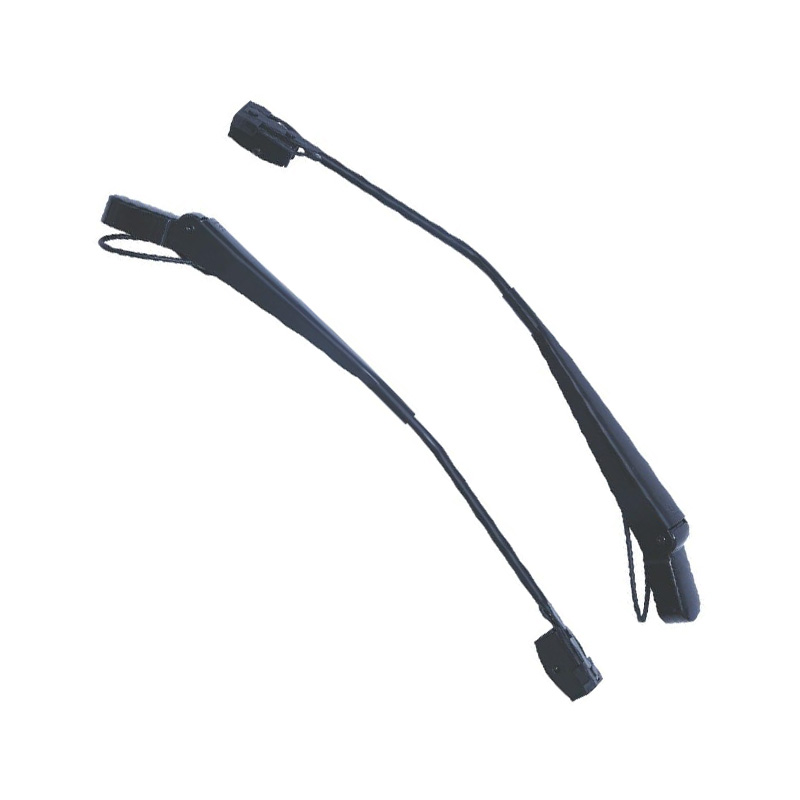
Mechanical problems in the linkage or wiper motor arm can also affect the system's performance. Bent or misaligned arms may prevent the wipers from moving smoothly across the windshield. Loose or corroded mounting points can advance to uneven pressure distribution, causing some areas of the glass to remain uncleared.
Troubleshooting Methods
Proper maintenance and timely troubleshooting are essential to keep bus wiper systems functioning efficiently. One step in addressing wiper blade issues is to inspect the automobile windshield wipers regularly. Look for signs of cracking, hardening, or detachment of the rubber. Cleaning the blades and the windshield frequently helps prevent streaking and reduces wear caused by dust and grime.
For motor-related problems, start by checking the car window wiper motor connections. Ensure that wiring terminals are secure and free from corrosion. Measure the voltage supplied to the motor; irregularities may indicate a faulty relay or fuse. If the motor itself shows signs of internal wear, it may need servicing or replacement to restore normal operation.
When dealing with wiper motor arm issues, visually inspect the arms for bends or misalignment. Adjust or replace any damaged components to maintain even contact with the windshield. Tighten mounting bolts and lubricate pivot points to reduce friction and noise. Proper arm positioning ensures that the wipers apply consistent pressure, resulting in a clear view for the driver.
Preventive Measures
Preventive maintenance can significantly reduce the occurrence of failures in bus wiper systems. Scheduling regular inspections of the automobile windshield wipers, car window wiper motor, and wiper motor arm helps identify early signs of wear and potential malfunction. Cleaning the windshield before operating the wipers can less abrasion and extend blade life.
Using compatible replacement parts is also important. Select wiper blades and arms that match the specifications of the bus system to ensure correct pressure and sweep coverage. Regular lubrication of moving parts and checking for loose fasteners can prevent mechanical failures and prolong system performance.
A well-functioning bus wiper system is essential for safe driving in various weather conditions. Recognizing common failures and applying effective troubleshooting methods can prevent unexpected issues and improve overall visibility. By maintaining the automobile windshield wipers, car window wiper motor, and wiper motor arm, operators can ensure that their bus wiper systems remain reliable and efficient, providing a safer journey for both drivers and passengers.