

 English
  Español
  русский
 Maintaining a clear view through a bus windshield is critical for safe driving, and an efficient wiper system plays a significant role in achieving this. Among the components, the front window wiper motor is a core element that influences both the performance and energy consumption of the system. Understanding how the motor functions and how it interacts with other parts, such as wiper motor and arm assemblies, can help fleet operators and maintenance teams optimize efficiency and reduce unnecessary energy use.
Understanding Front Window Wiper Motor Performance
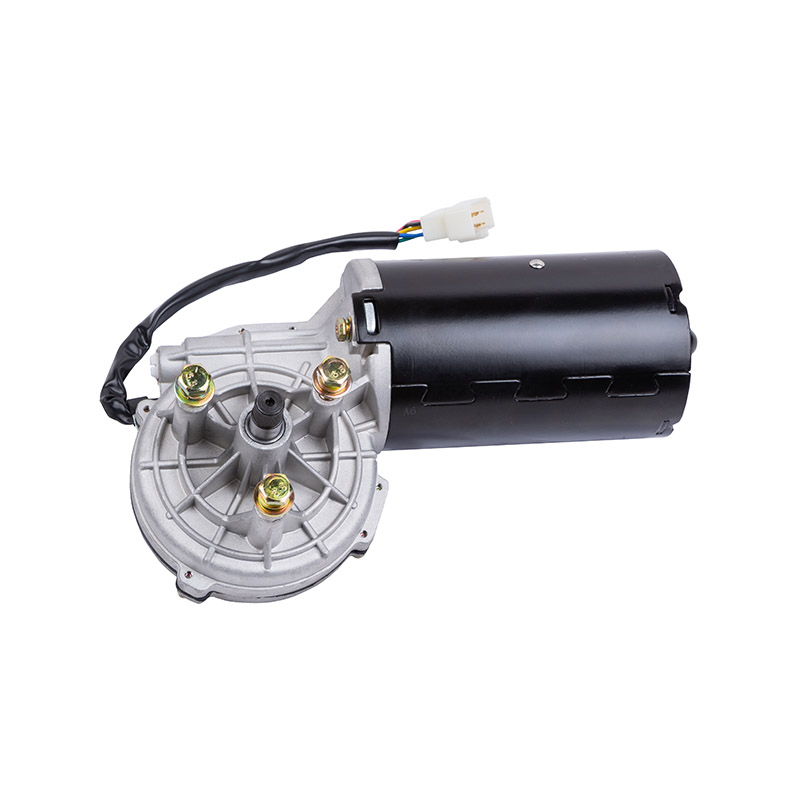
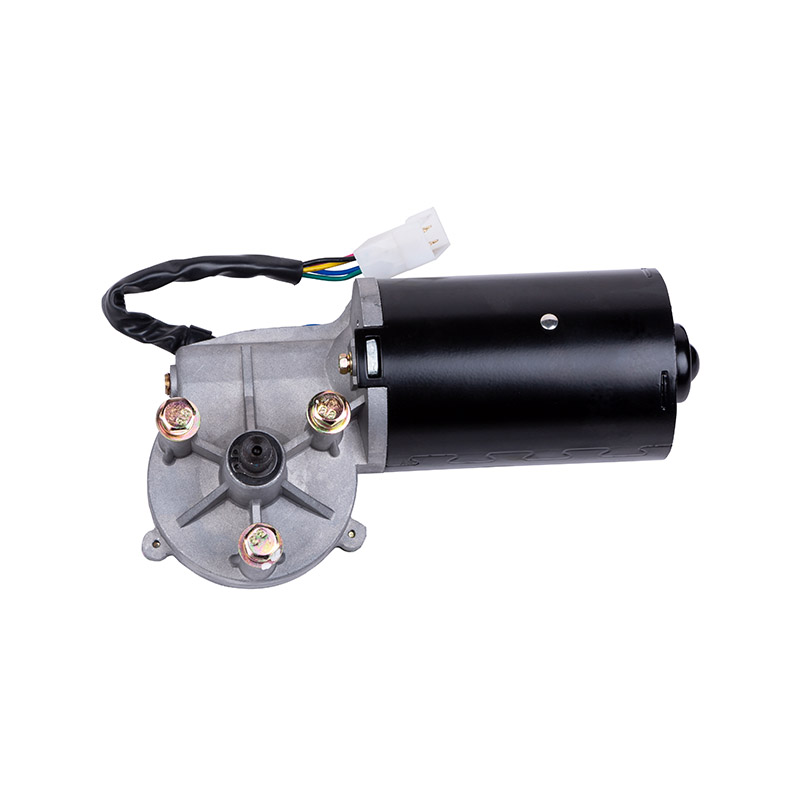
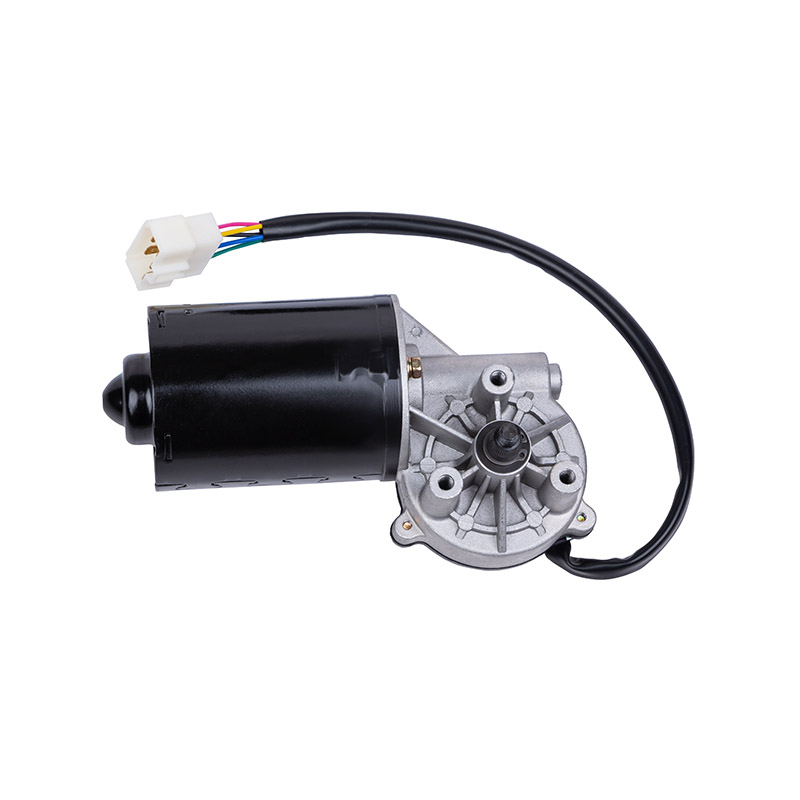
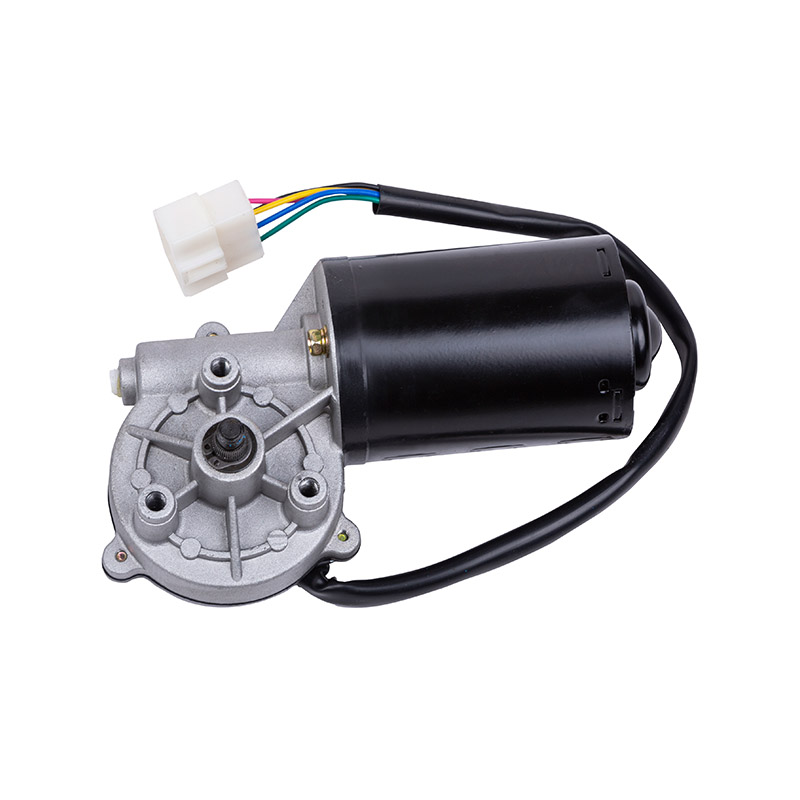
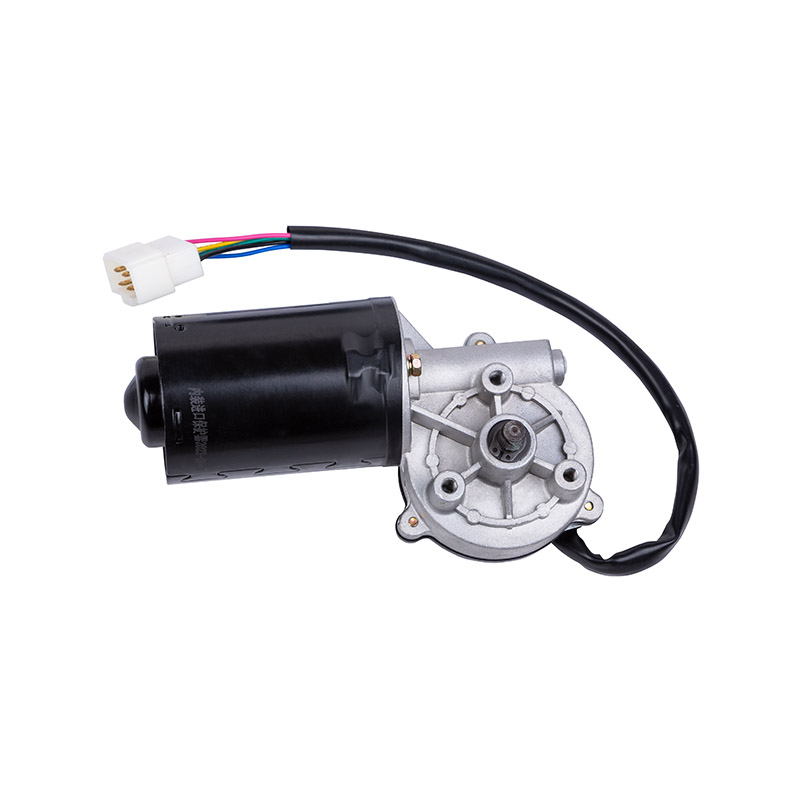
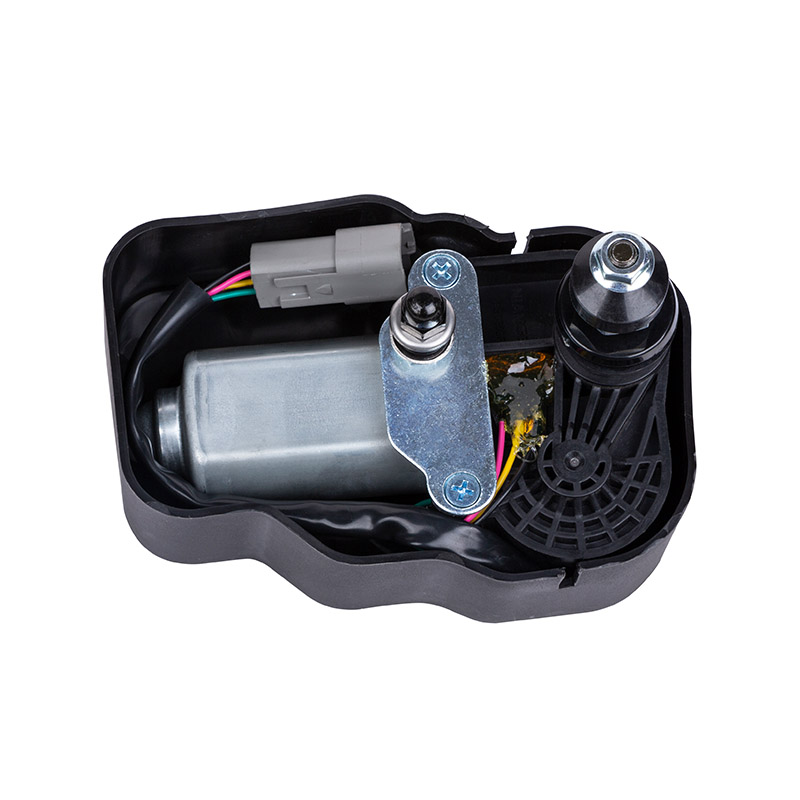
The front window wiper motor converts electrical energy from the bus's power system into mechanical motion to drive the wiper arms and blades across the windshield. Its efficiency depends on multiple factors, including the motor's design, the load it carries, and the type of control mechanism used. Motors that maintain consistent torque without excessive energy draw contribute to smoother wiper operation and reduce strain on the vehicle's electrical system.
One important consideration is how the motor handles variable speeds. Many buses feature wipers with intermittent settings, which allow for energy savings during light rain. A motor that adapts smoothly to these speed changes ensures that energy consumption is kept in check while maintaining adequate clearing performance.
Interaction with Wiper Motor and Arm
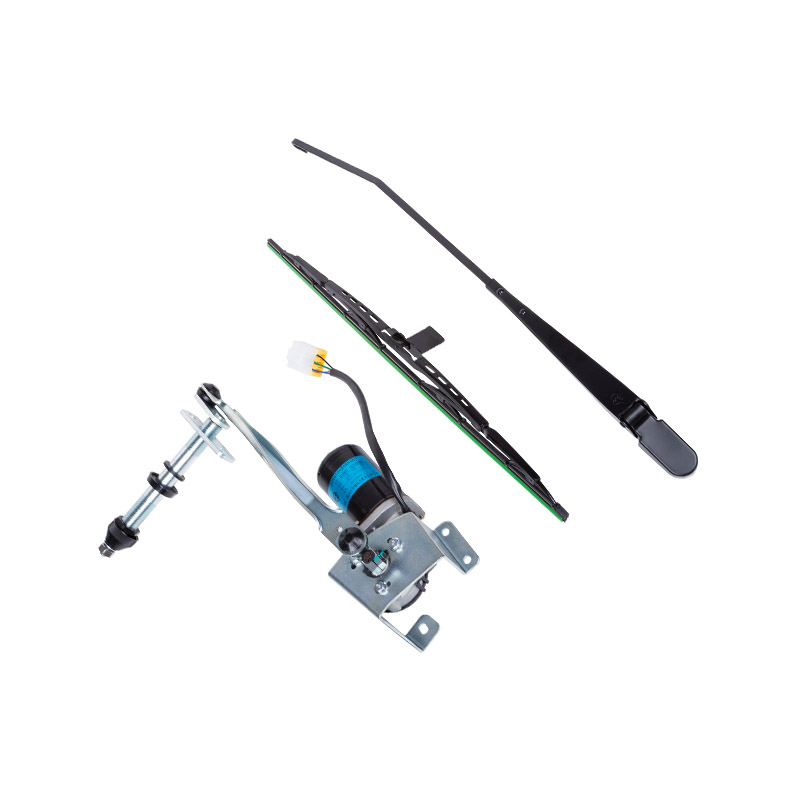
The wiper motor and arm assembly works together to translate rotational motion into the sweeping movement of the blades. Proper alignment and adjustment of the arm are essential for efficient operation. If the arm is bent or not positioned correctly, it can create additional resistance, forcing the motor to work harder and consume more energy. Routine inspection of the wiper motor and arm can prevent such issues and maintain good energy use.
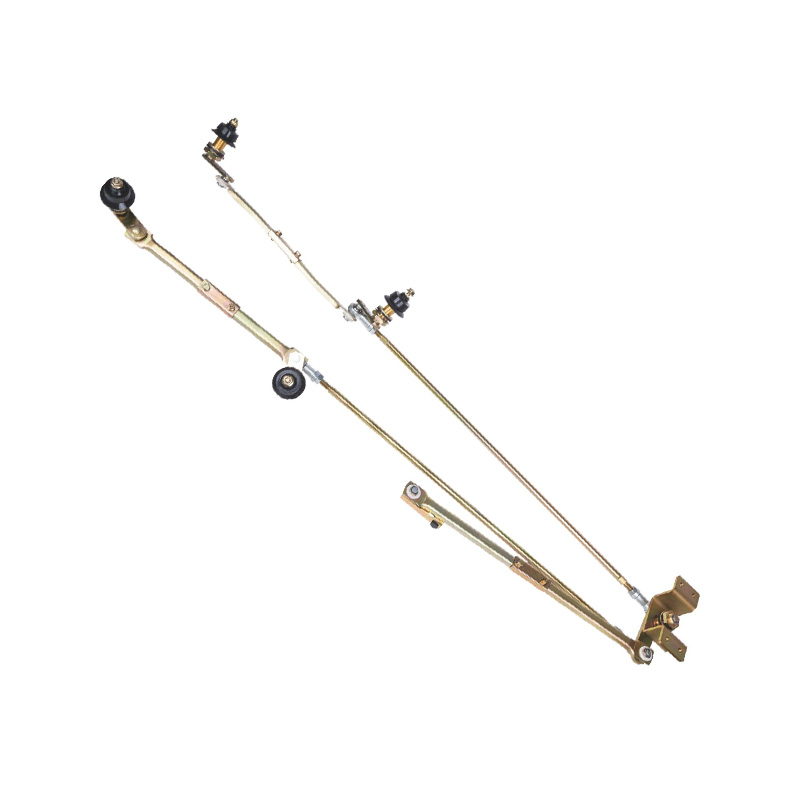
Lubrication of moving parts within the linkage system also affects energy efficiency. Components that move smoothly require less torque from the motor, thereby reducing power demand. Simple maintenance tasks, such as checking pivot points and applying appropriate lubricants, can have a noticeable effect on energy savings over time.
The Role of Wiper Blades
While the motor is the driving force, the condition of the citroen wiper blades or other vehicle-specific blades directly impacts energy consumption. Worn or damaged blades increase friction against the windshield, which forces the motor to exert more power to achieve the same sweeping motion. Regular replacement of wiper blades not only improves visibility but also supports the overall efficiency of the bus wiper system.
Blade material and design also influence performance. For example, blades with flexible edges and even pressure distribution move more smoothly across the glass surface, reducing drag and lowering energy requirements. Ensuring that the blades match the specifications of the bus's wiper arms can further improve operational efficiency.
Energy-Saving Practices and Maintenance Tips
Operators looking to manage energy use effectively should consider several practical strategies. one, monitoring the wiper motor's current draw can help identify early signs of inefficiency or mechanical issues. Second, periodic inspection of wiper motor and arm assemblies ensures that alignment and linkage conditions remain good. Third, timely replacement of citroen wiper blades or compatible alternatives reduces unnecessary resistance during operation.
In addition, environmental factors such as dust, debris, and ice buildup can increase friction, demanding more energy from the motor. Cleaning the windshield regularly and clearing obstructions from the wiper path can support smoother movement and lower power consumption. These preventive measures not only enhance safety but also contribute to energy-efficient operation of the bus wiper system.
Efficient energy use in a bus wiper system relies on the interplay between the front window wiper motor, wiper motor and arm, and wiper blades. Understanding how each component affects performance allows maintenance teams to implement practices that reduce unnecessary energy consumption while maintaining clear visibility. By combining careful inspections, routine maintenance, and appropriate replacement of worn parts, buses can maintain reliable wiper performance without overtaxing the electrical system.