

 English
  Español
  русский
 Clear visibility is a critical factor for safe driving, especially in rainy or snowy weather. The efficiency of a vehicle’s wiper system plays a key role in keeping the windshield clear. By understanding how wiper blades and arms work together, car owners can better maintain consistent performance. This guide highlights the essentials of passenger car wiper systems, focusing on blades, arms, and supporting components to help ensure dependable operation.
Understanding Wiper System Components
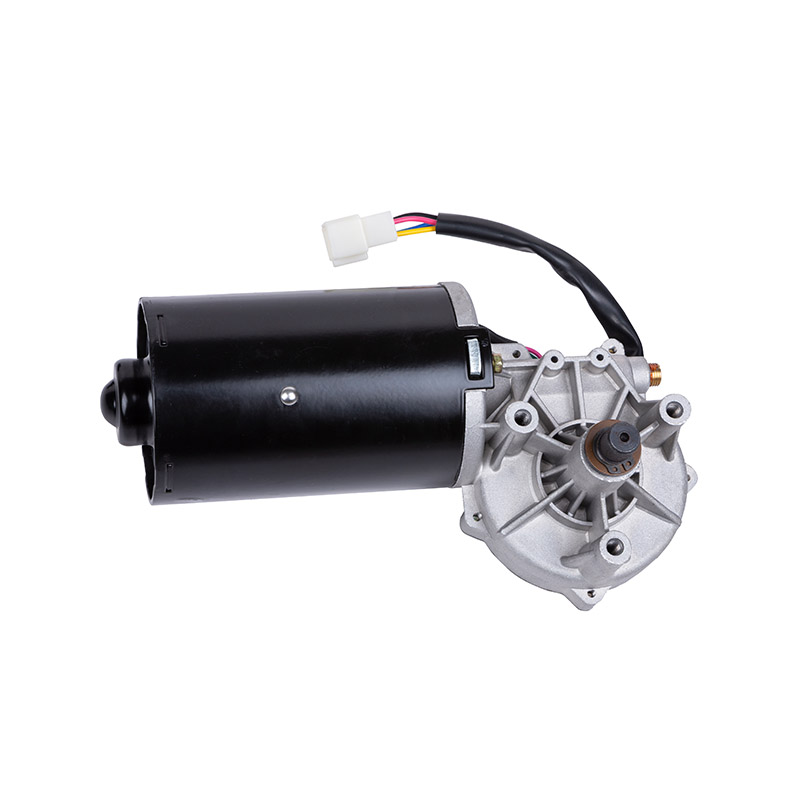
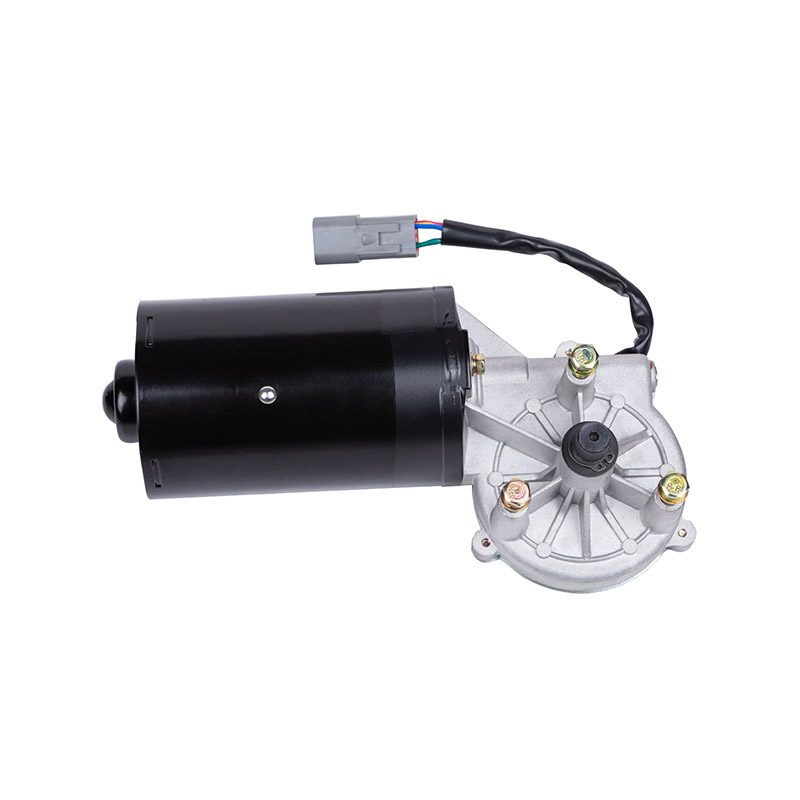
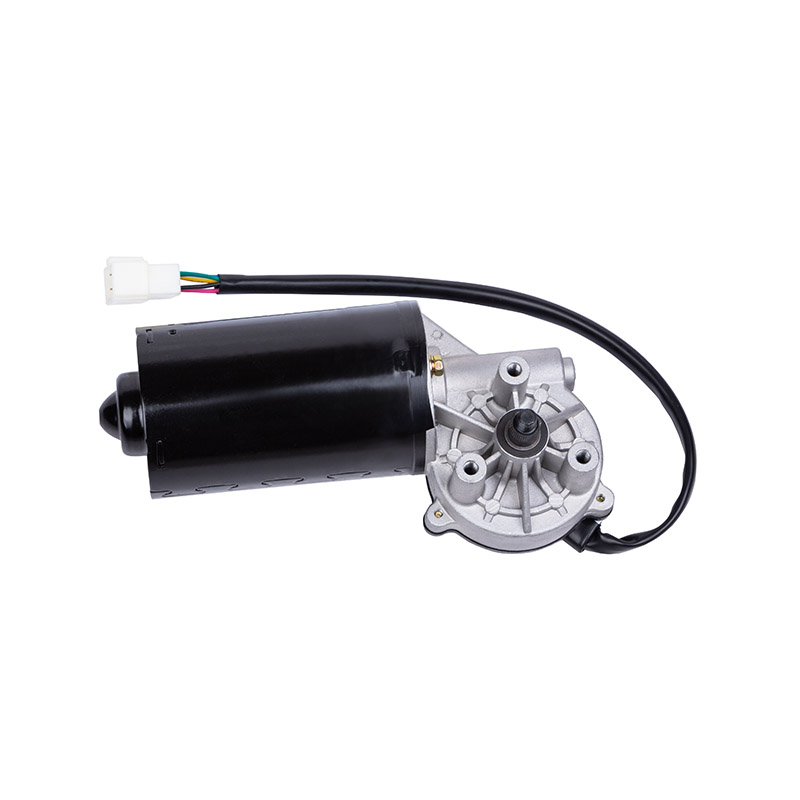
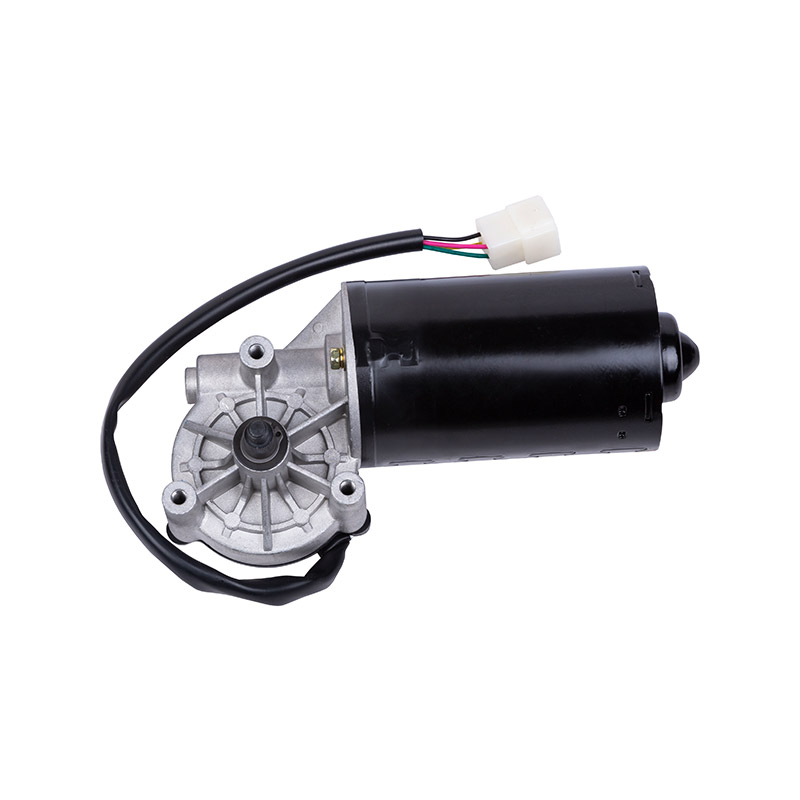
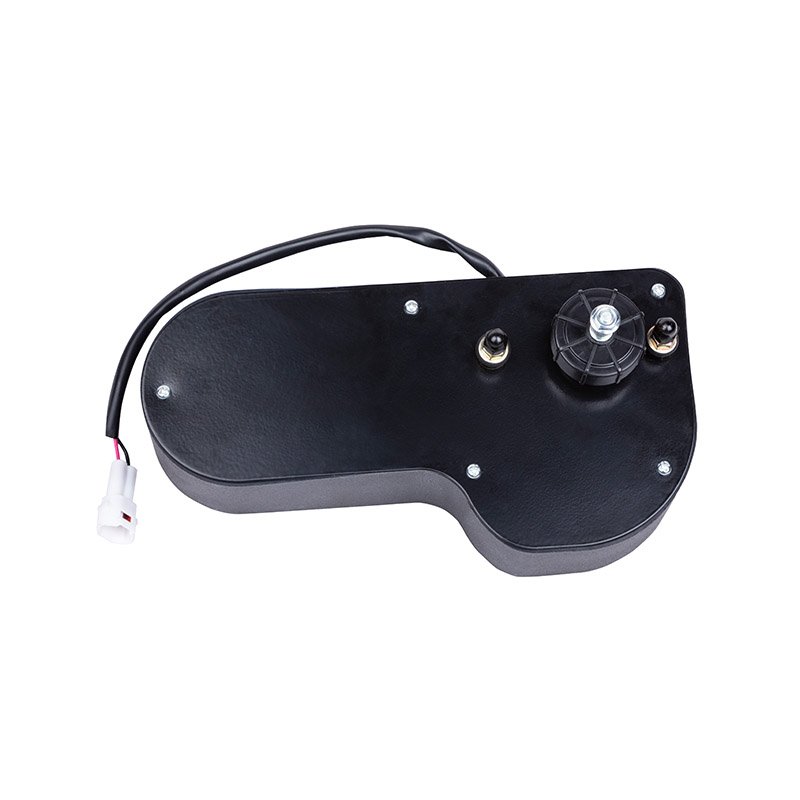
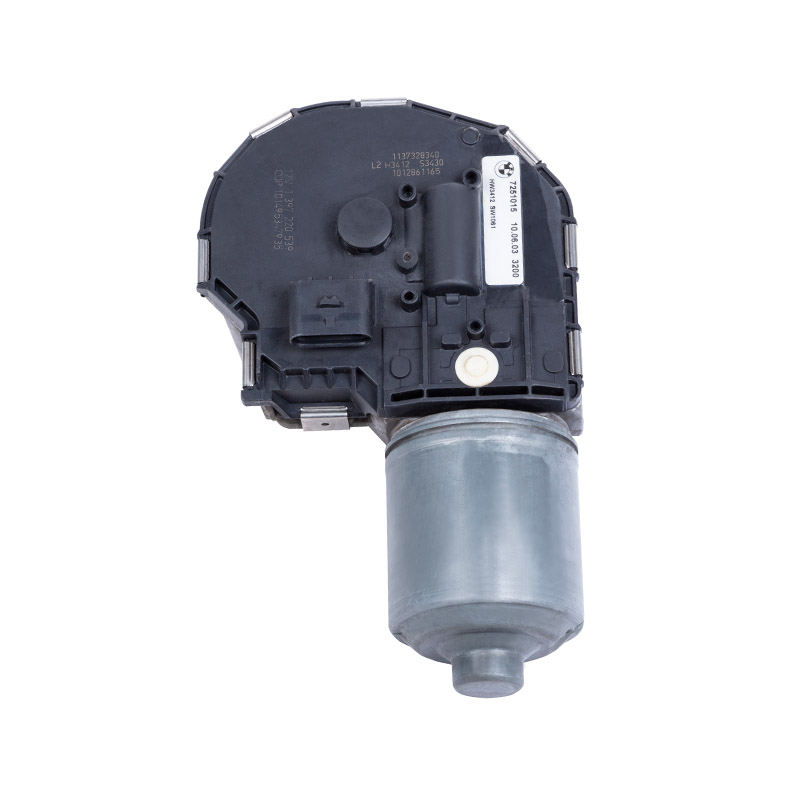
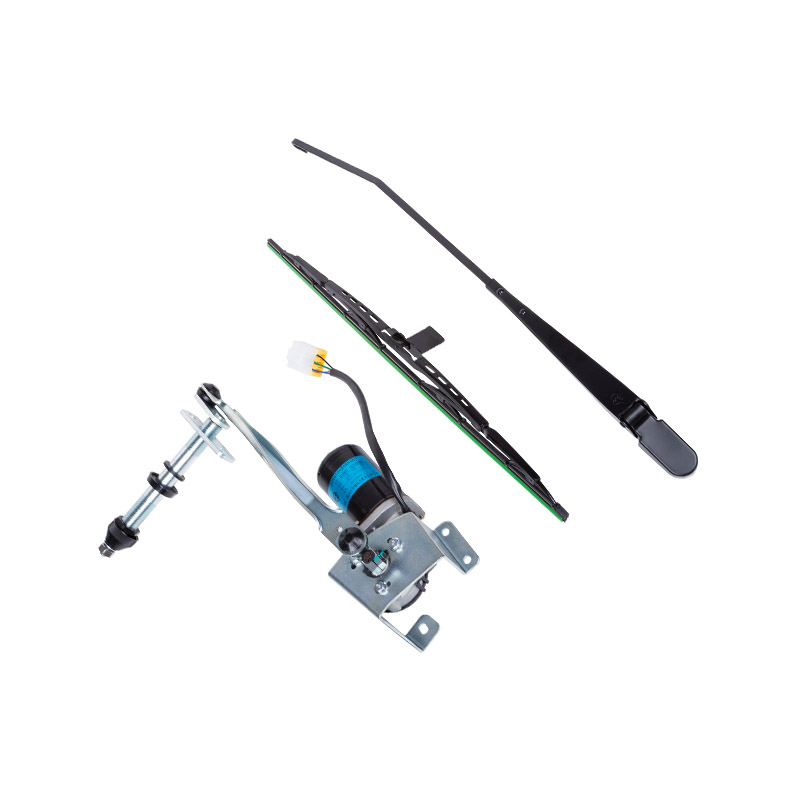
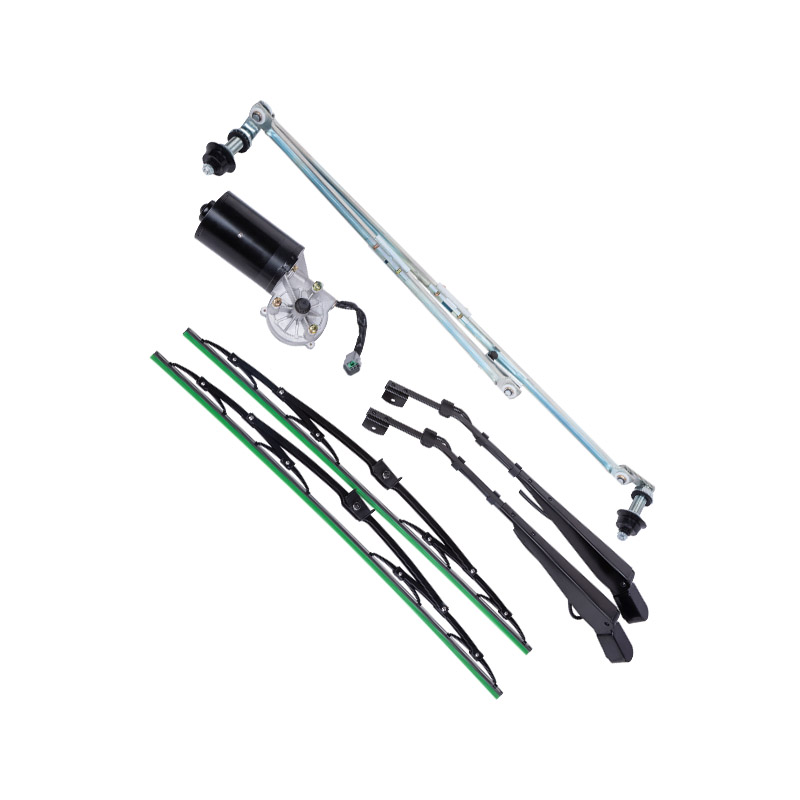
A typical passenger car wiper system consists of several key components: wiper blades, wiper arms, the wiper motor, linkages, and control mechanisms. The wiper motor, such as the Volkswagen wiper motor, provides the necessary movement to sweep the blades across the windscreen. Linkages transfer the motor's motion to the wiper arms, while the wiper blades make direct contact with the glass surface to remove water and debris. Each part must function in harmony to maintain effective performance.
Choosing Compatible Blades and Arms
Selecting wiper blades that match the wiper arms is essential for consistent pressure distribution and streak-free wiping. Blades come in different lengths and attachment types, so ensuring compatibility with the front windscreen wiper arms is a necessary step. Some blades are designed for specific connection types, including hook, pin, or bayonet fittings. Checking the wiper arm design before purchase helps avoid installation issues and uneven contact with the windscreen.
Installation Tips for Passenger Car Wiper Systems
Correct installation of blades and arms can improve wiping efficiency and reduce wear. Start by lifting the wiper arm gently away from the windscreen and removing the old blade. Align the new blade with the arm connector and secure it firmly, ensuring it clicks into place. Lower the arm carefully back onto the windscreen. Avoid forcing the blade into position, as improper installation can damage both the blade and arm and compromise performance.
Maintenance Practices
Regular inspection and maintenance of wiper system components help extend service life. Clean the windscreen and wiper blades frequently to prevent dirt and debris from causing streaks or scratches. Check the wiper system components for signs of wear, such as bent arms or cracked blades, and replace them as necessary. Lubricating pivot points on the wiper arms can reduce friction and noise, enhancing the system's overall function.
Addressing Common Issues
Passenger car wiper systems may experience problems such as uneven wiping, skipping, or noise. These issues often stem from mismatched blades and arms, worn blades, or motor performance irregularities. Using a compatible wiper blade with the corresponding arm and ensuring the motor operates smoothly can alleviate many common problems. In some cases, the wiper motor may require inspection or replacement to restore good performance.
Enhancing Safety with Proper Wiper System Care
A well-maintained wiper system improves visibility during adverse weather and contributes to overall road safety. Ensuring that blades and arms are correctly matched and that the wiper motor and other components function reliably can prevent accidents caused by reduced visibility. Drivers should include wiper system checks as part of routine vehicle maintenance, particularly before the rainy or winter season.
Understanding the interaction between wiper blades and arms is important for maintaining a passenger car wiper system. Paying attention to compatibility, installation, and regular maintenance of front windscreen wiper arms, Volkswagen wiper motors, and other wiper system components helps ensure effective operation and enhances driving safety. With careful selection and upkeep, a wiper system can provide clear visibility and reliable performance in a variety of driving conditions.