

 English
  Español
  русский
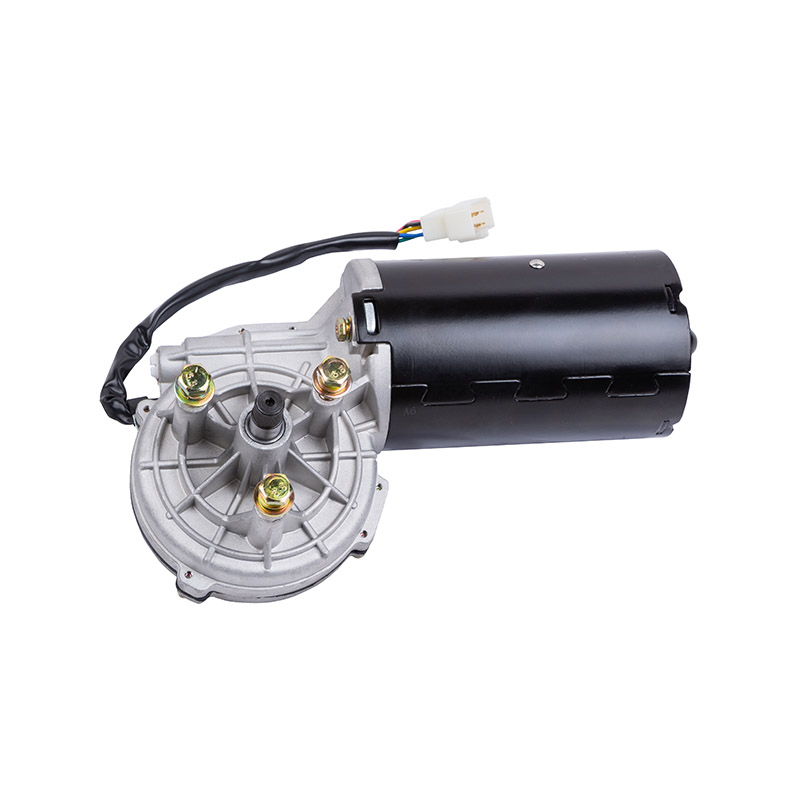
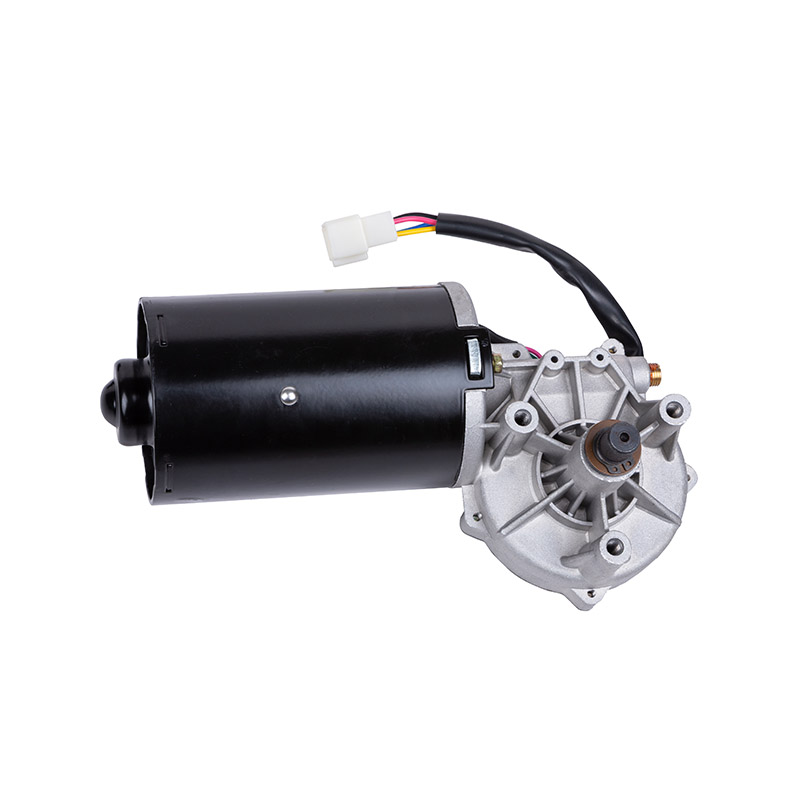
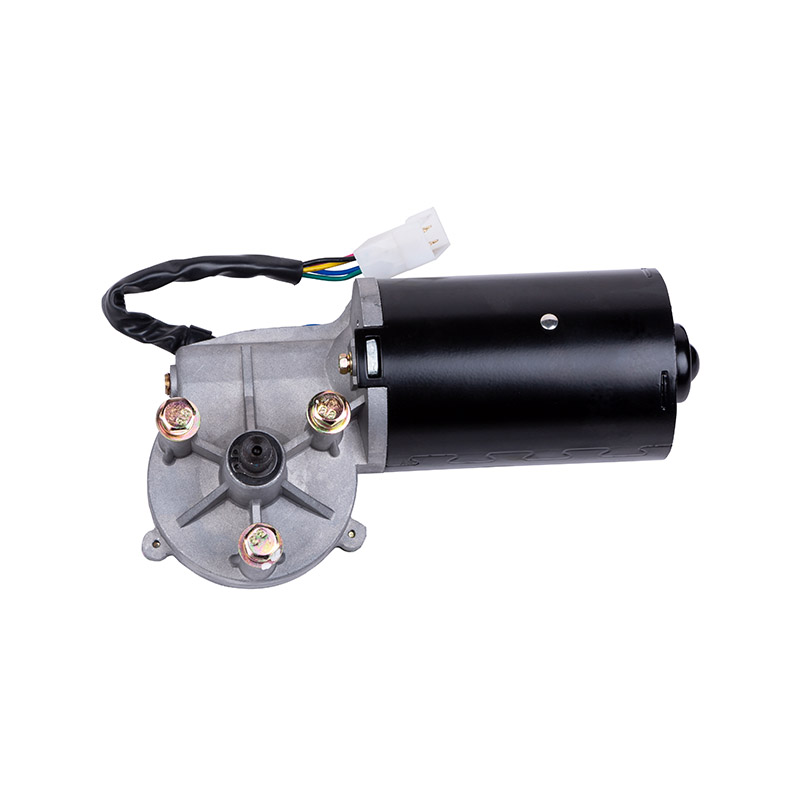
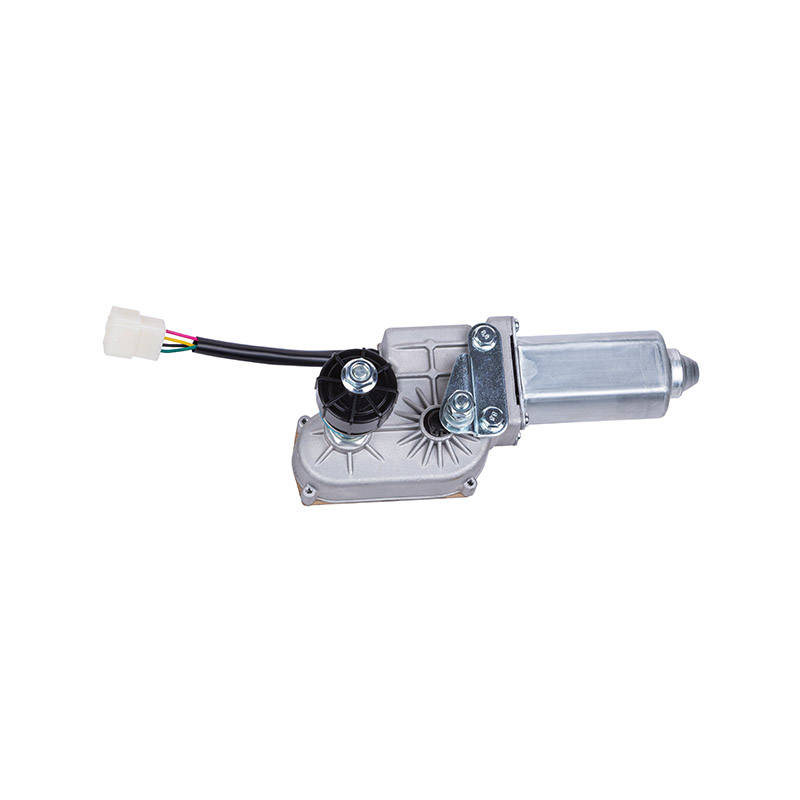
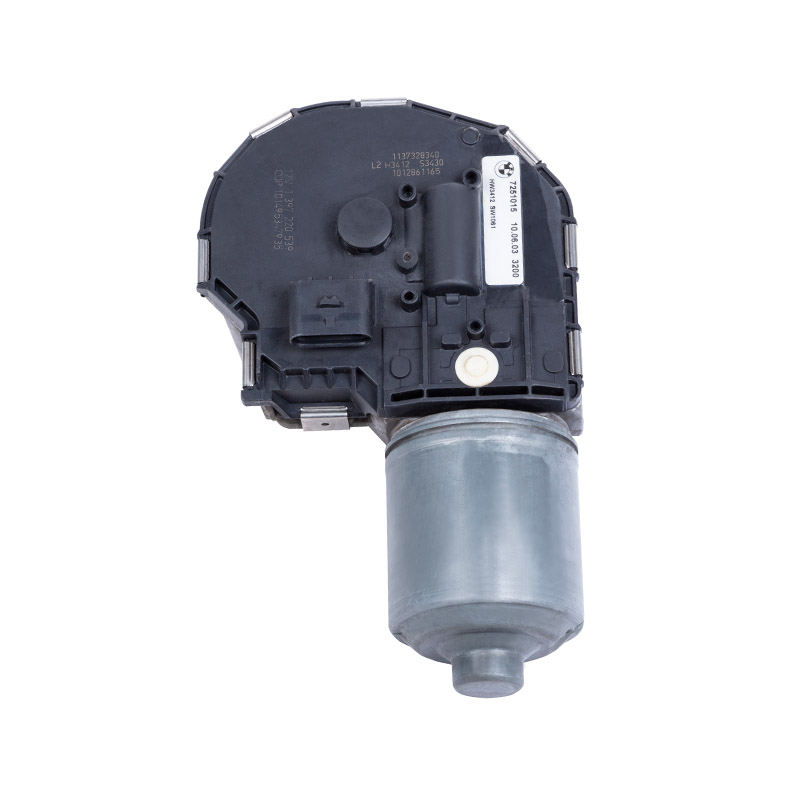
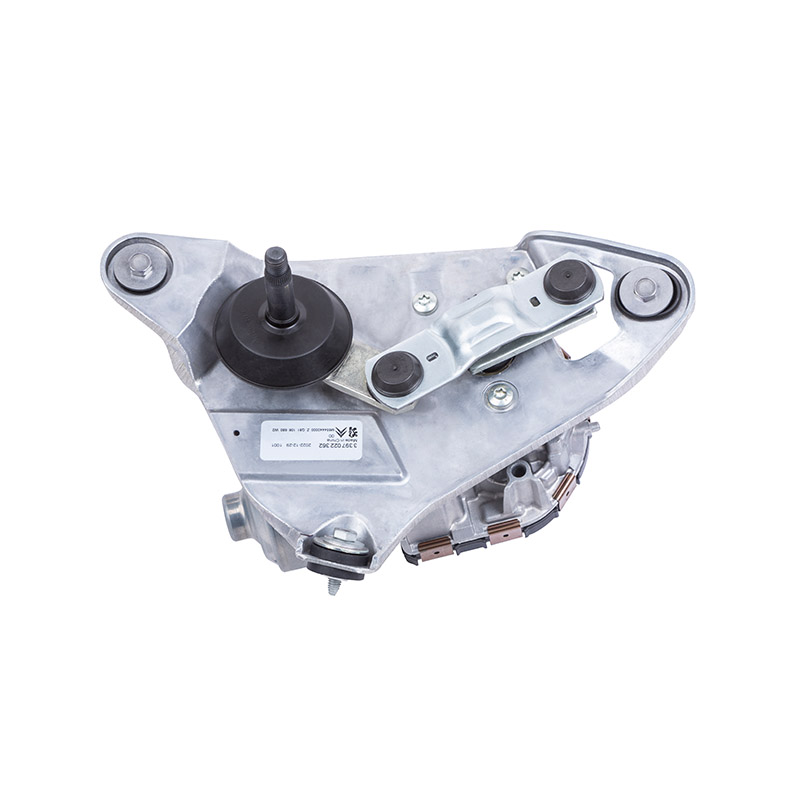
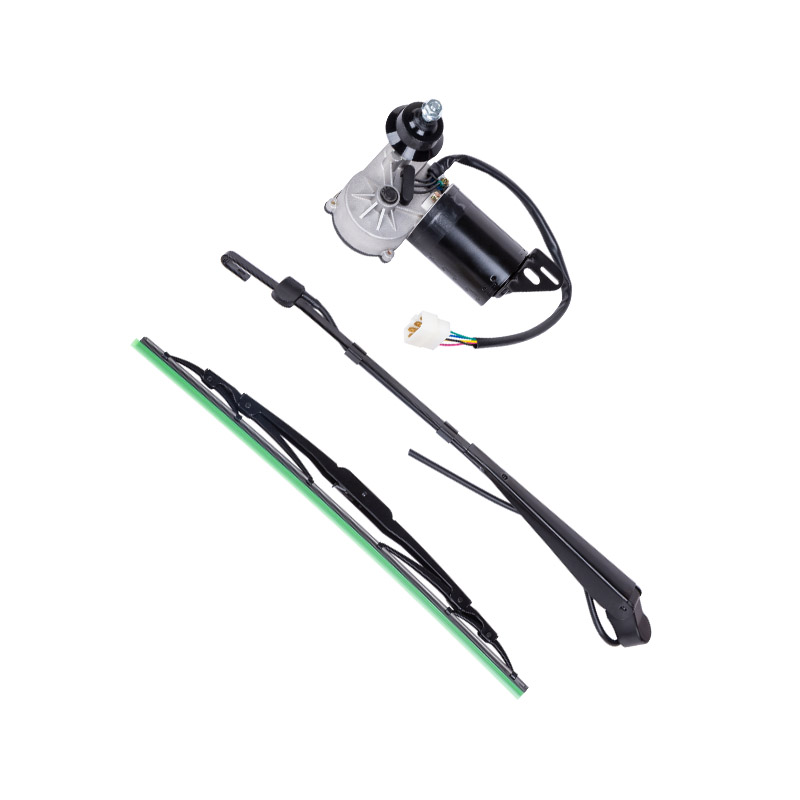
 Wiper systems operating in demanding environments are required to maintain consistent performance despite exposure to weather, dust, moisture, and continuous mechanical stress. In many industrial applications, High Torque Wiper and Railway Wiper Motor solutions are selected because they are designed to support stable wiping performance under challenging operating conditions.
Understanding the factors that influence performance can help equipment manufacturers and maintenance teams select suitable wiping systems for long-term use. From mechanical structure to environmental protection, several elements contribute to reliable operation.
Torque Output and Wiping Stability
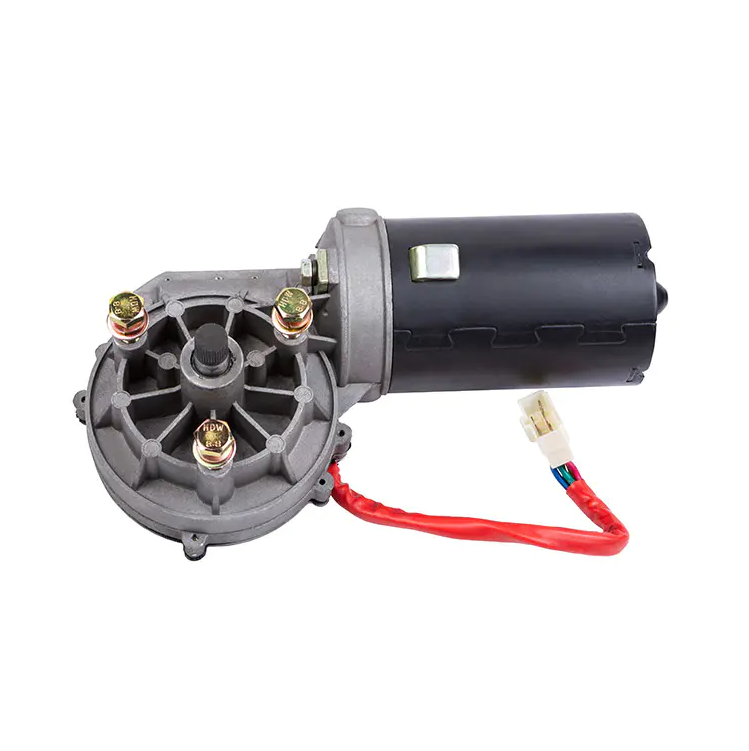
One of the primary performance factors is the ability of a wiper motor to maintain stable torque output. As resistance on the windshield increases due to rain, dirt, or accumulated debris, the motor must continue to drive the wiper arm smoothly.
A High Torque Wiper system is typically designed to provide sufficient force for larger wiping areas and more demanding operating environments. Stable torque delivery helps reduce interruptions in wiping motion and supports clear visibility during equipment operation.
Railway Wiper Motor systems also rely on consistent torque output, particularly in transportation environments where uninterrupted visibility is important for daily operations.
Environmental Challenges
Harsh operating environments can place significant stress on wiping systems. Heavy rain, snow, airborne dust, and mud may all affect wiper performance.
In dusty environments, particles can increase friction between the blade and the windshield surface. In wet conditions, continuous exposure to moisture may affect unprotected components. Temperature variations can also influence material behavior and overall system performance.
Because of these factors, wiping systems are often designed with environmental adaptability as a key consideration.
Importance of Sealing Protection
Effective sealing helps protect internal motor components from water and dust intrusion. Moisture entering the motor housing may affect electrical parts, while dust accumulation can increase wear on moving components.
A properly sealed High Torque Wiper system can maintain more stable operation when exposed to outdoor conditions. Protective housing designs also contribute to longer service intervals and reduced maintenance requirements.
Railway Wiper Motor assemblies frequently incorporate similar protection measures because rail vehicles are exposed to changing weather throughout daily operation.
Mechanical Design and Durability
The durability of a wiping system depends largely on the design of its internal mechanical components. Gear assemblies, transmission structures, and linkage mechanisms all contribute to overall performance.
Reinforced gear systems help maintain smooth motion under changing load conditions. Durable materials can reduce wear caused by repeated operation, helping preserve wiping consistency over time.
For both High Torque Wiper and Railway Wiper Motor applications, structural reliability is an important factor in maintaining long-term operational stability.
Electrical Performance Considerations
Electrical performance also influences the effectiveness of a wiping system. Stable voltage supply supports consistent motor operation and helps maintain predictable wiping speed.
Power management is important in applications where the wiper system may run continuously for extended periods. Efficient motor operation can help reduce unnecessary heat generation and support stable performance.
Protective functions may also be incorporated to help manage unexpected increases in resistance or temporary overload situations.
Maintenance and Reliability Factors
Regular maintenance plays a role in preserving wiper system performance. Routine inspections can help identify wear in gears, linkage components, and electrical connections before they affect operation.
Cleaning accumulated debris and checking sealing conditions may also help maintain reliable performance in harsh environments. Attention to these maintenance practices can support smoother operation and reduce unexpected downtime.
Railway Wiper Motor systems often follow structured maintenance procedures because reliability is closely connected to operational safety and visibility requirements.
Application Across Different Industries
High torque wiping systems are used across a wide range of industries, including construction, agriculture, transportation, and specialized industrial equipment. Each application presents different environmental challenges, but the need for reliable visibility remains consistent.
Railway Wiper Motor technology is commonly associated with rail transportation, yet many of the design principles used in these systems are also relevant to other heavy-duty applications where durability and stable performance are required.
High Torque Wiper performance in harsh operating environments is influenced by torque stability, sealing effectiveness, mechanical durability, electrical reliability, and routine maintenance practices. Railway Wiper Motor systems demonstrate many of the same performance priorities, highlighting the importance of dependable wiping operation across demanding industrial and transportation environments.