

 English
  Español
  русский
 Wiper systems used in heavy-duty environments are expected to maintain stable operation under vibration, dust, and variable weather conditions. In many industrial discussions, High Torque Wiper and Railway Wiper Motor are frequently referenced when describing durable wiping solutions for complex working platforms.
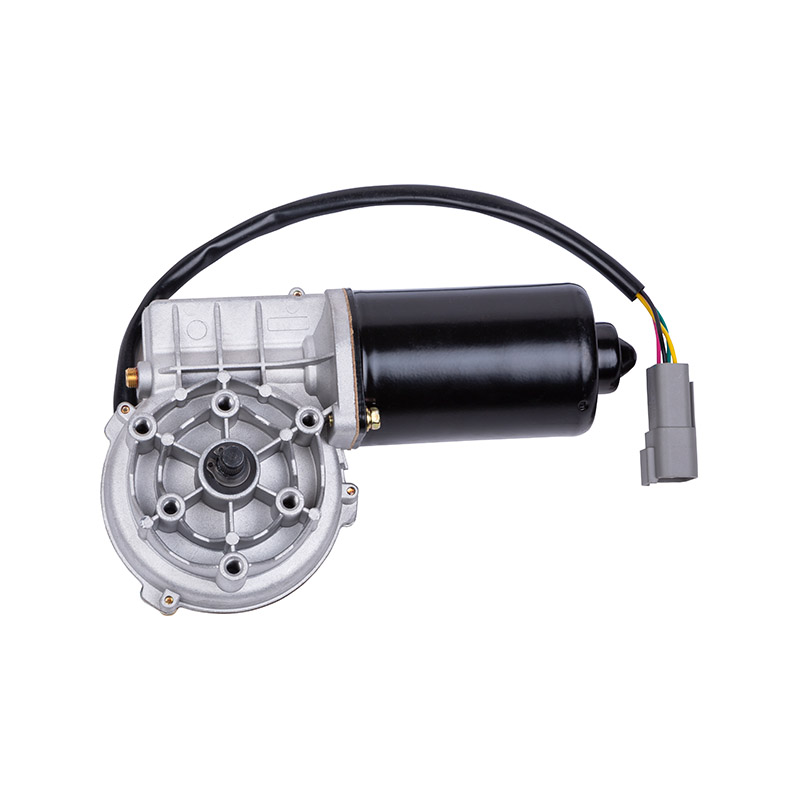
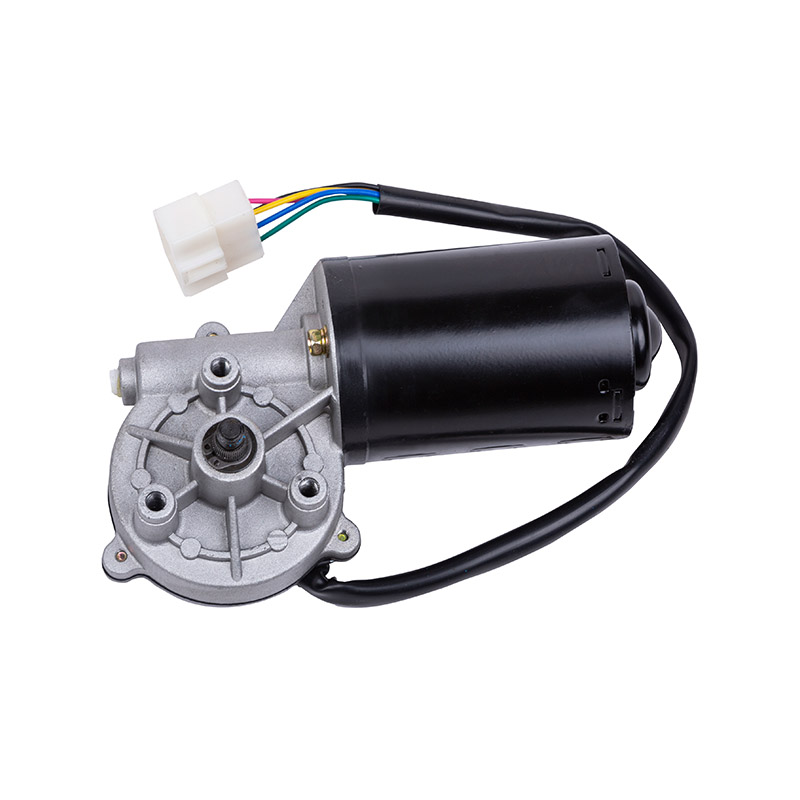
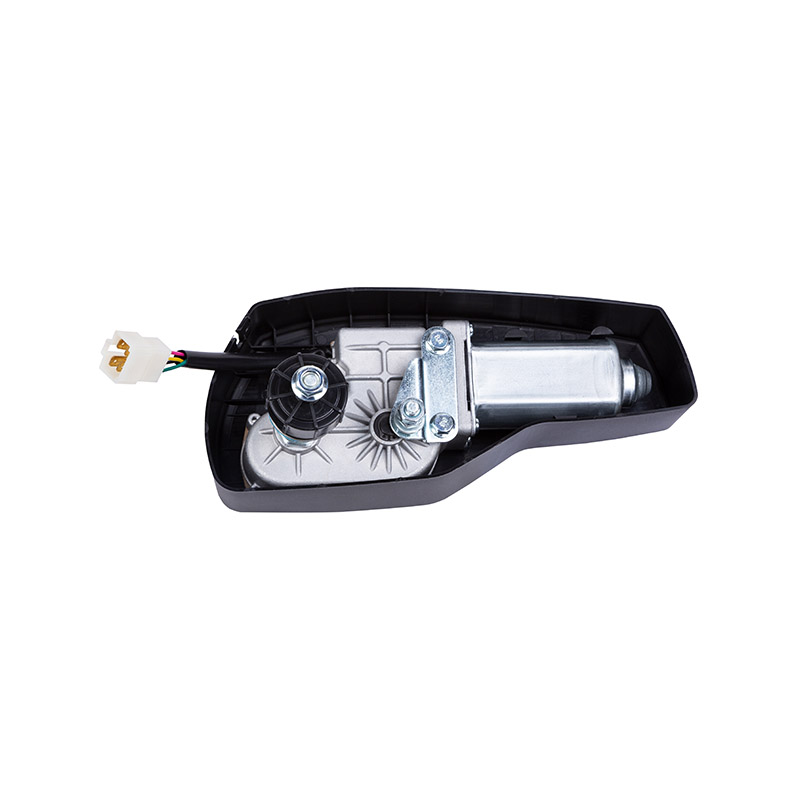
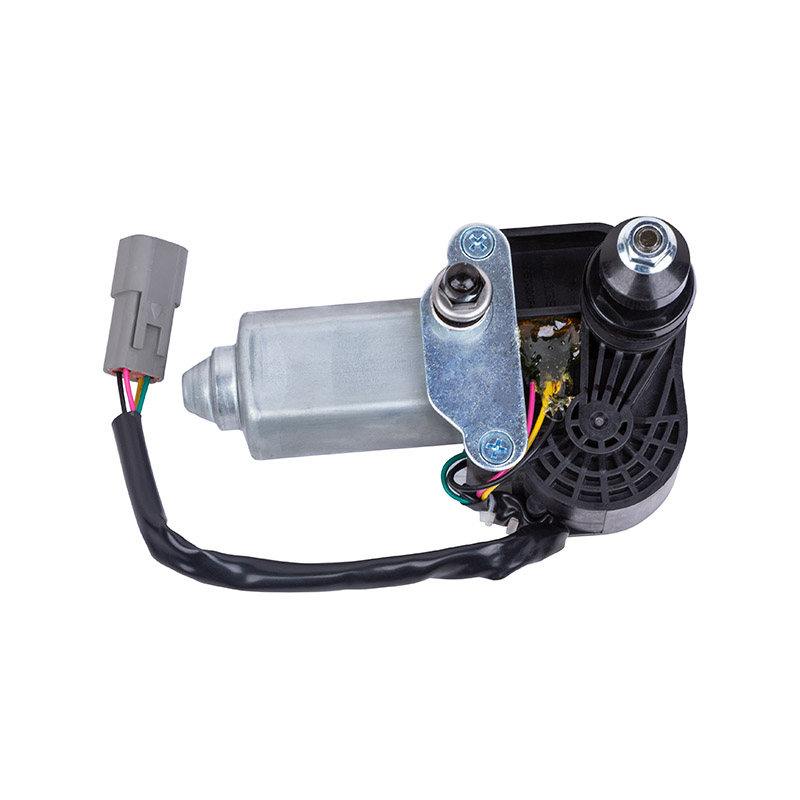
High Torque Wiper Motor Applications in Heavy Duty Equipment focus on maintaining a consistent wiping force in machinery exposed to a continuous workload. Railway Wiper Motor systems are often referenced in parallel as a comparison point for reliability-focused design in transport environments.
Heavy Duty Equipment Application Needs
Heavy-duty equipment, such as construction machinery, agricultural vehicles, and industrial transport platforms, requires wiping systems that can support large windshield areas. These surfaces often face higher resistance due to rain, mud, and debris accumulation.
A high torque configuration helps ensure that the wiping arm maintains stable motion even when external pressure increases. Without sufficient torque output, wiping performance may become uneven, which can affect operator visibility during operation.
Mechanical Structure and Design Features
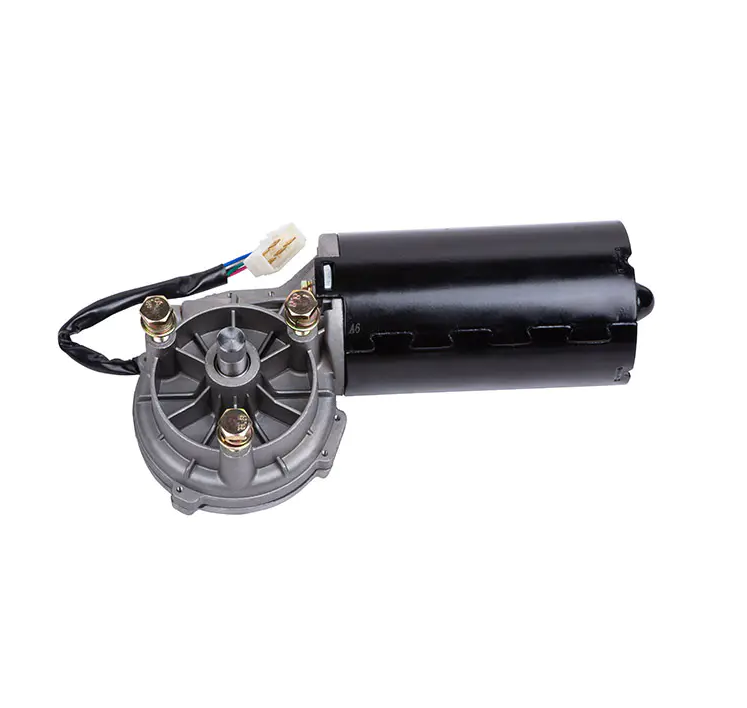
High torque wiping systems typically rely on reinforced gear mechanisms to transfer motor output into a stable wiping motion. These gear assemblies are designed to reduce motion loss and maintain consistent force transmission.
Metal gear structures are commonly used in demanding environments due to their ability to withstand repeated load cycles. Housing structures are also reinforced to reduce vibration impact during operation.
Railway Wiper Motor designs share similar mechanical principles, especially in terms of stable motion transfer and durability under continuous use conditions.
Environmental Operation Conditions
Heavy-duty machinery often operates in environments with dust, mud, rain, and temperature variation. These conditions place continuous stress on wiping systems.
A key requirement is maintaining stable performance when debris increases friction on the windshield surface. The motor must continue to operate without irregular motion or excessive strain.
Sealing design helps protect internal components from moisture and particle intrusion. This contributes to maintaining mechanical stability during long-term operation.
Railway Wiper Motor systems are also designed with environmental resistance in mind, particularly for outdoor exposure and variable weather conditions.
Electrical Performance Considerations
Wiper motors in heavy-duty equipment are generally designed for stable operation under different voltage systems. Consistent electrical input supports steady torque output and reliable wiping movement.
Energy efficiency is another consideration, especially for systems operating over extended periods. Balanced power consumption helps reduce unnecessary heat buildup within the motor structure.
Protection features may also be included to reduce operational stress when mechanical resistance increases beyond normal conditions.
Industrial Application Scenarios
High torque wiping systems are widely used in construction machinery such as excavators, loaders, and cranes. These machines often operate in environments where visibility is affected by dust or rain.
Agricultural equipment also requires stable wiping performance due to exposure to soil particles and plant residue. Consistent motion helps maintain clear visibility for operators.
Industrial transport vehicles benefit from durable wiping systems during long operational cycles where environmental exposure is continuous.
Railway Wiper Motor systems are often referenced in comparison discussions involving reliability and structural endurance in transport-related applications.
Durability and Operational Stability
Durability is influenced by gear structure design, material selection, and sealing performance. Reinforced components help maintain consistent operation over extended usage periods.
Wear resistance in mechanical transmission parts plays a key role in maintaining wiping stability. Proper design reduces performance variation during long-term operation.
Maintenance requirements depend on environmental exposure and workload intensity. Systems designed for heavy-duty use generally prioritize consistent mechanical behavior over time.
Railway Wiper Motor concepts often reflect similar design priorities focused on stable operation under continuous working conditions.
High Torque Wiper Motor Applications in Heavy Duty Equipment highlight the importance of torque stability, reinforced mechanical design, and environmental adaptability. Railway Wiper Motor systems provide a related reference point when evaluating durability-focused wiping solutions across different industrial and transport environments.