

 English
  Español
  русский
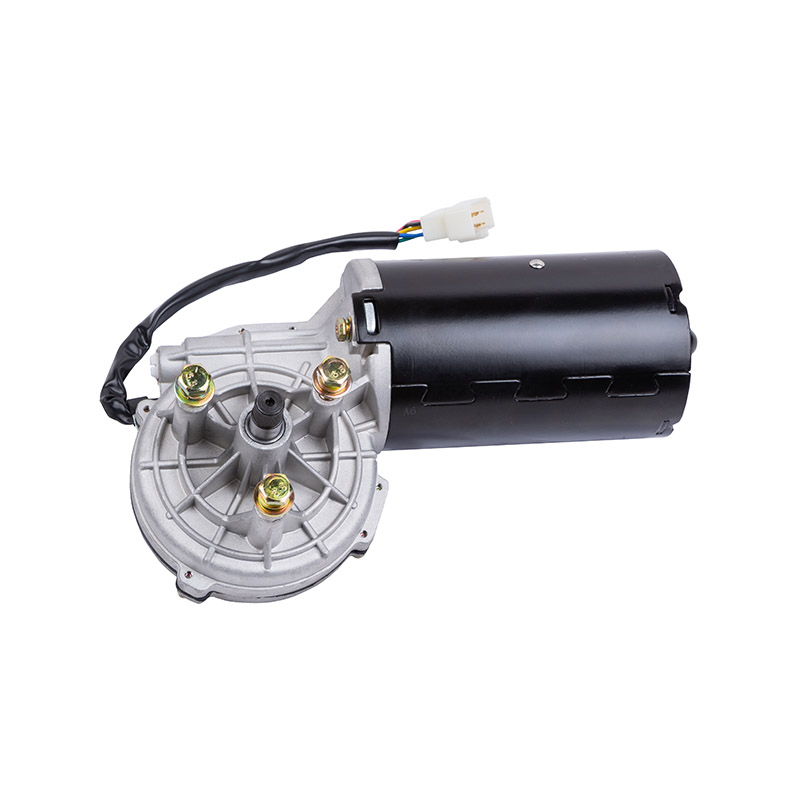
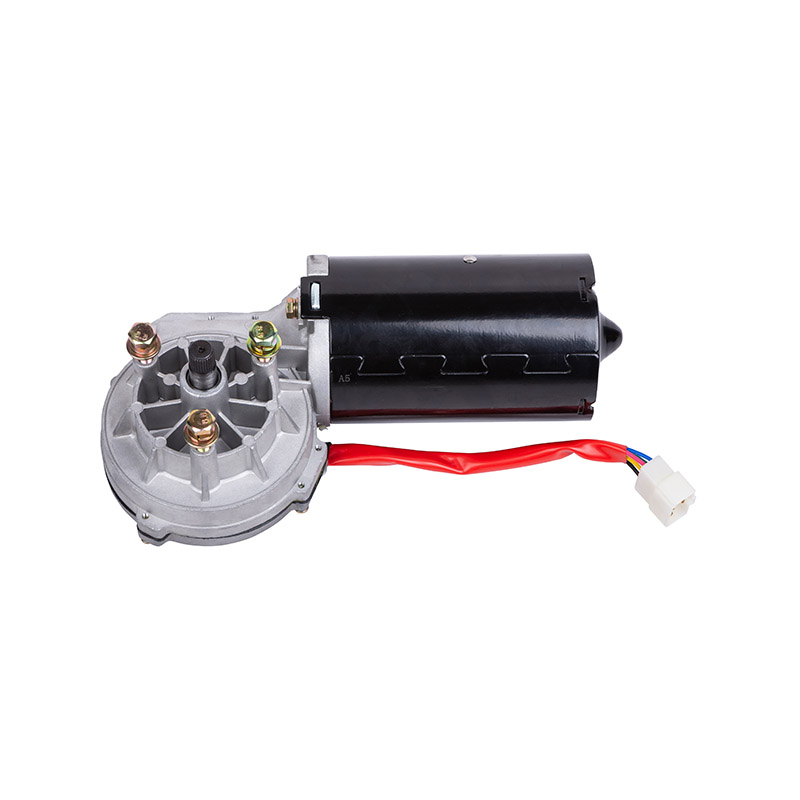
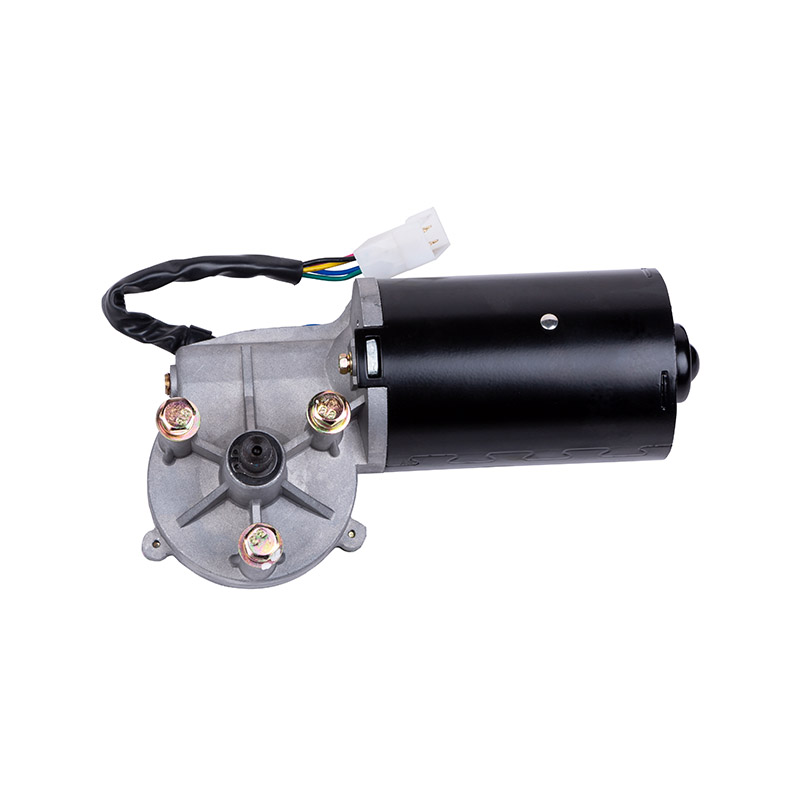
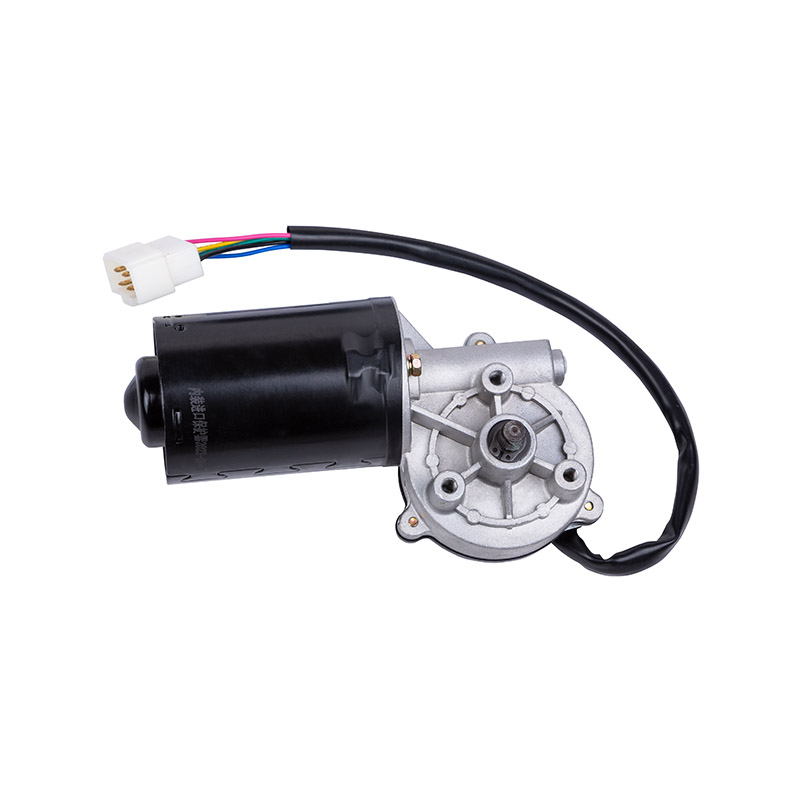
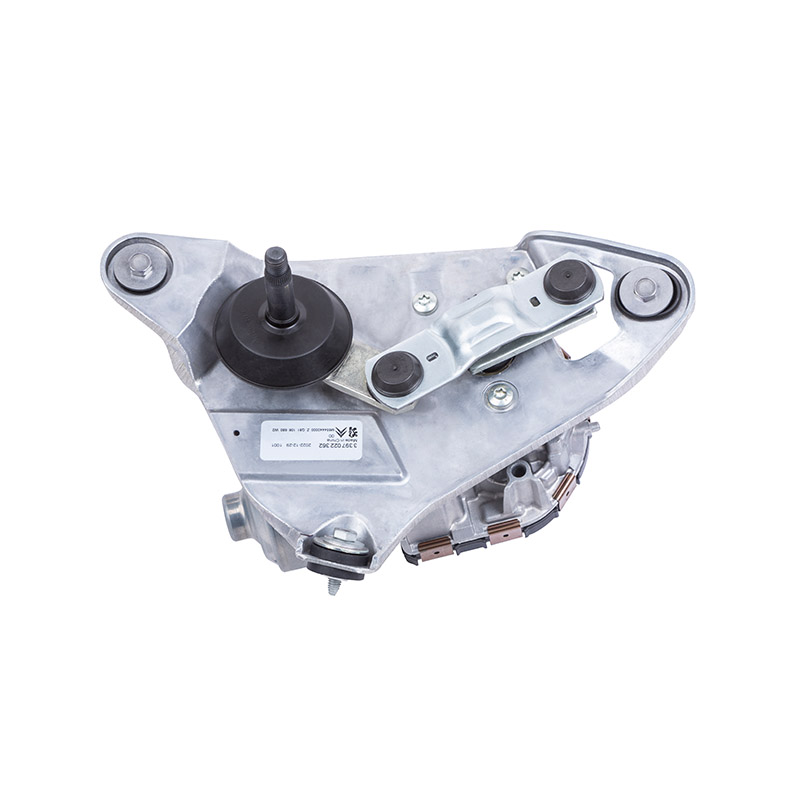
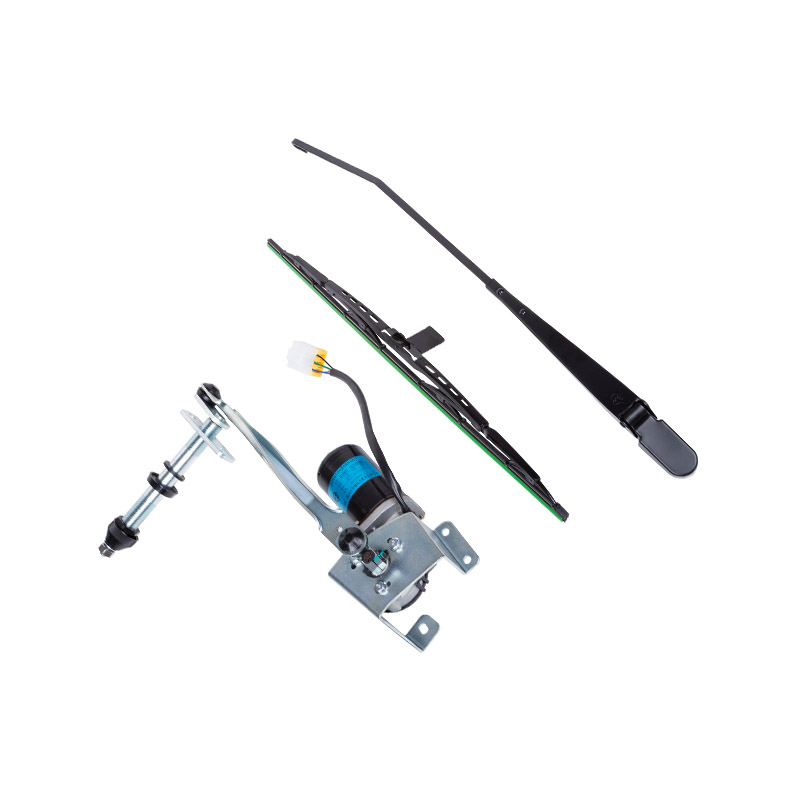
 Modular Wiper Motor and 110V Wiper Motor are being introduced into more precision-driven equipment systems where motion stability and controlled wiping behavior are required. As machinery environments become more sensitive to operational accuracy, the structural adjustment of motor systems is shifting toward segmented design and voltage-consistent operation.
Control Demand in Modern Mechanical Systems
In many industrial and outdoor equipment systems, wiper mechanisms are no longer treated as simple auxiliary components. Their movement timing, angle consistency, and response to surface resistance directly affect visibility and operational monitoring conditions.
Traditional motor setups often rely on fixed internal structures, which means performance behavior remains largely unchanged regardless of load variation. In practical use, this can create mismatches between wiping force and actual environmental resistance, especially in conditions where dust, rain, or debris levels fluctuate frequently.
At the same time, voltage standardization plays a role in equipment design. A 110V Wiper Motor configuration is commonly adopted in systems that require stable electrical input without additional conversion layers. However, even within standardized voltage systems, differences in mechanical load still influence motion consistency and control response.
Structural and Control Adjustments in Modular Design
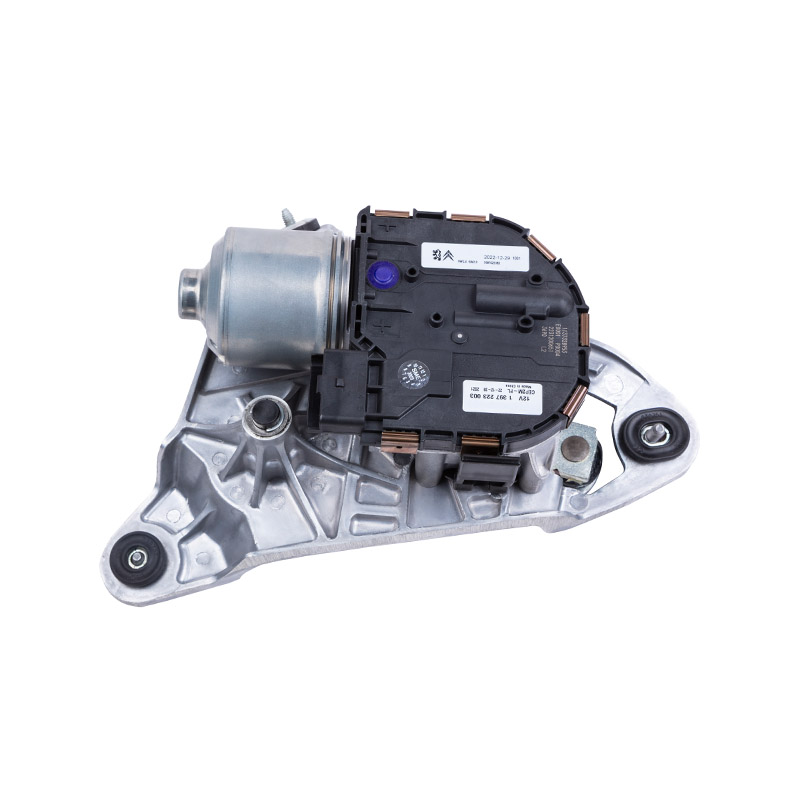
The introduction of Modular Wiper Motor architecture focuses on dividing the motor into functional sections such as drive units, transmission components, and housing assemblies. This separation allows each part to operate and be maintained independently without requiring full system replacement.
Within the 110V Wiper Motor framework, electrical input remains consistent, but internal motion control is refined through segmented response behavior. Instead of maintaining a uniform output across all operating conditions, the motor adjusts its torque response according to resistance feedback from the wiping mechanism.
This approach supports smoother motion transitions during start, stop, and directional change cycles. It also reduces unnecessary strain on mechanical joints during low-load operation periods.
Key structural changes include:
- Segmented gearbox arrangement for easier replacement
- Reinforced coupling between drive shaft and wiping arm interface
- Distributed electrical housing layout for heat balance
- Load-responsive torque adjustment within operating range
Rather than focusing on fixed-output behavior, the system emphasizes adaptability within defined mechanical boundaries.
Application Scenarios in Equipment Systems
Modular Wiper Motor systems combined with 110V input configurations are applied in various equipment environments where visibility control is linked to operational safety and monitoring accuracy.
In construction machinery such as cranes, excavators, and loaders, wiper systems must function under changing environmental conditions. Dust accumulation, rainfall intensity, and vibration levels vary throughout operation cycles, requiring motors that can maintain consistent motion without frequent adjustment.
In agricultural machinery, including tractors and harvesting equipment, long operating hours and exposure to variable field conditions make maintenance flexibility an important consideration. Modular design allows individual component replacement without full disassembly, which reduces interruption during field operations.
Utility vehicles and inspection systems also use these motor configurations, especially where intermittent operation is common. In such cases, the ability to maintain controlled wiping intervals without constant manual recalibration supports smoother system integration.
Other usage areas include:
- Outdoor surveillance equipment requiring periodic lens clearing
- Marine equipment exposed to saltwater and humidity variations
- Industrial monitoring stations with external sensor housings
Each environment places different demands on motion consistency and service accessibility.
Operational Observation and System Behavior
Testing under controlled mechanical conditions provides insight into how modular motor systems respond to varying loads over extended operation cycles. A comparative evaluation between traditional fixed-structure motors and modular 110V Wiper Motor systems showed differences in maintenance frequency and motion consistency patterns.
During intermittent load testing, modular systems maintained more stable motion intervals when transitioning between low and moderate resistance conditions. The segmented structure allowed smoother torque adjustment rather than abrupt force changes during start-up phases.
Observed operational characteristics included:More consistent wiping cycle timing under variable resistance
Reduced mechanical stress concentration at connection points
Easier replacement of worn transmission modules without full system removal
More uniform heat distribution across motor housing sections
In long-duration operation tests, modular configurations showed fewer interruptions related to mechanical adjustment requirements. This was particularly noticeable in environments where wiping load fluctuated frequently rather than remaining constant.
Frequently Asked Questions
- What defines a Modular Wiper Motor system?
It is a motor structure divided into separate functional units, allowing individual component maintenance instead of full unit replacement.
- How does a 110V Wiper Motor fit into industrial equipment?
It is commonly used in systems that operate on standardized 110V electrical supply, supporting consistent integration without additional voltage conversion.
- Does modular design affect motor response time?
The structure allows more controlled torque adjustment, which can improve motion consistency during load changes.
- Can individual parts be replaced without removing the entire motor?
Yes, modular construction allows partial disassembly and targeted replacement of worn components.
- Where are these motors commonly installed?
They are used in construction machinery, agricultural equipment, utility vehicles, and outdoor monitoring systems.