

 English
  Español
  русский
 Modular Wiper Motor and 110V Wiper Motor are increasingly being applied in equipment systems where stable wiping performance and controlled energy consumption are required. As industrial environments place more attention on continuous operation and power usage balance, the structural and electrical adjustments in these motor systems are drawing more attention from equipment designers.
Power Demand and Equipment Stability Requirements
In many mechanical systems such as engineering vehicles, agricultural machinery, and outdoor monitoring devices, wiper motors are expected to operate under variable load conditions. Traditional motor configurations often maintain a fixed output regardless of load changes, which can result in unnecessary power draw during low-resistance operation.
Another challenge comes from voltage compatibility. Equipment used across different regions or platforms often requires adaptation to local power standards. A 110V Wiper Motor is commonly selected for systems operating under this voltage specification, but differences in load conditions and installation environments still affect efficiency and operational stability.
The modular structure approach also emerges from maintenance considerations. Instead of replacing the entire assembly when a component wears out, modular systems allow partial replacement. This reduces downtime during servicing and supports more flexible maintenance planning.
Design Adjustment in 110V Wiper Motor Systems
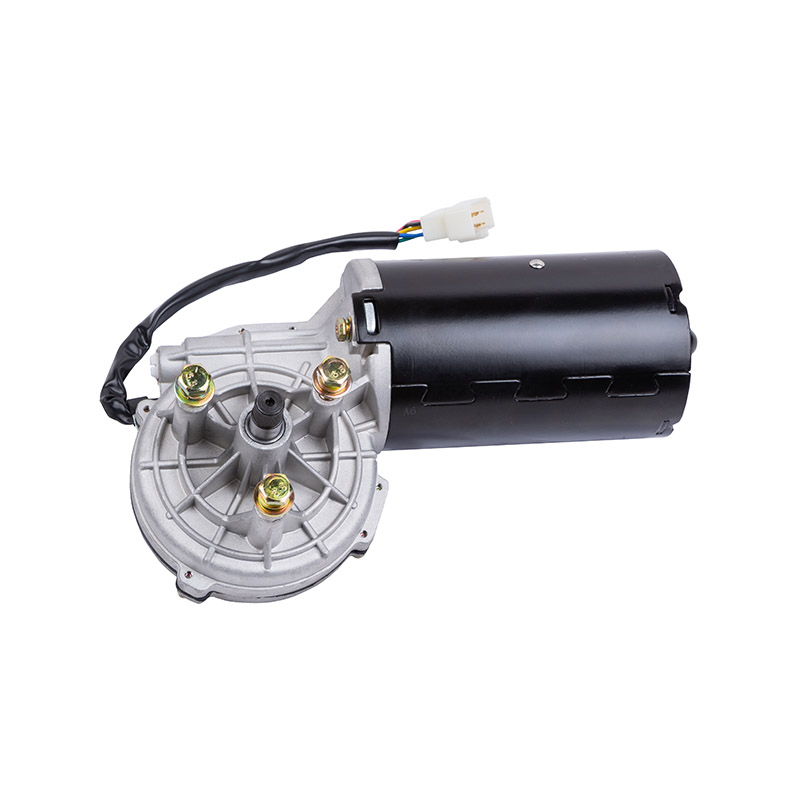
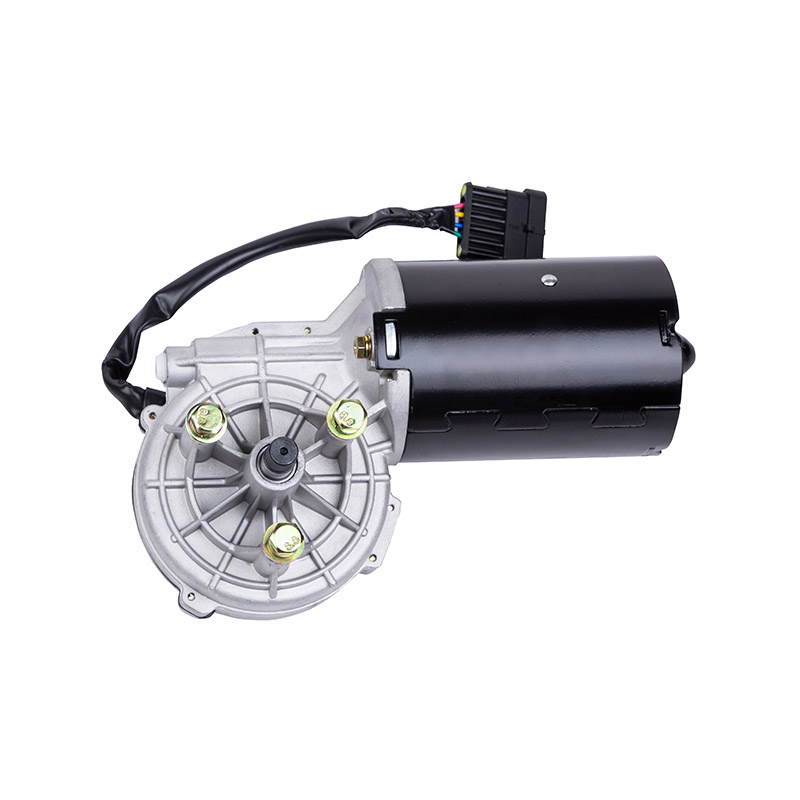
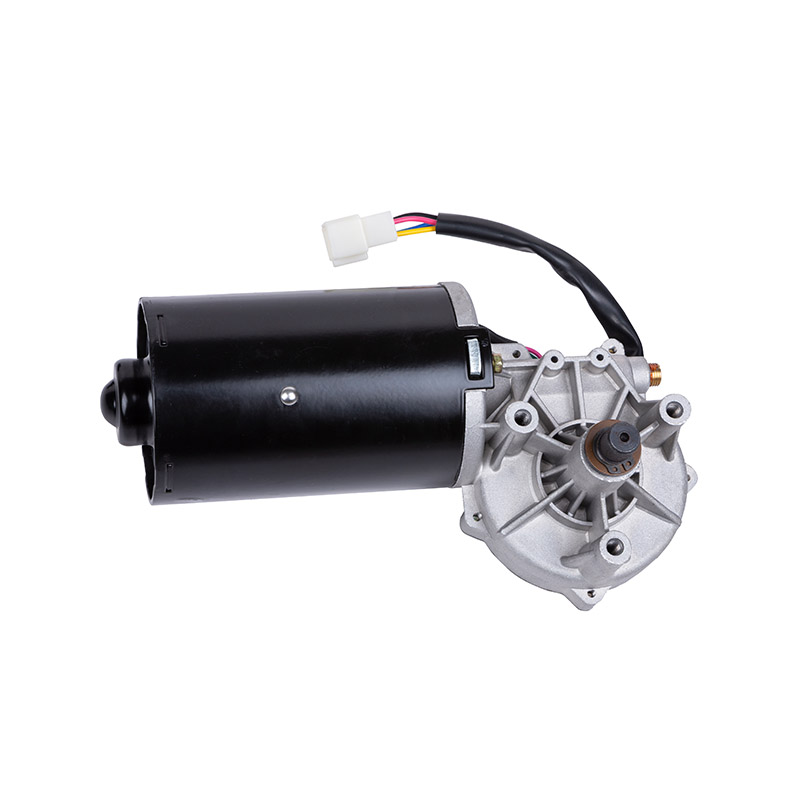
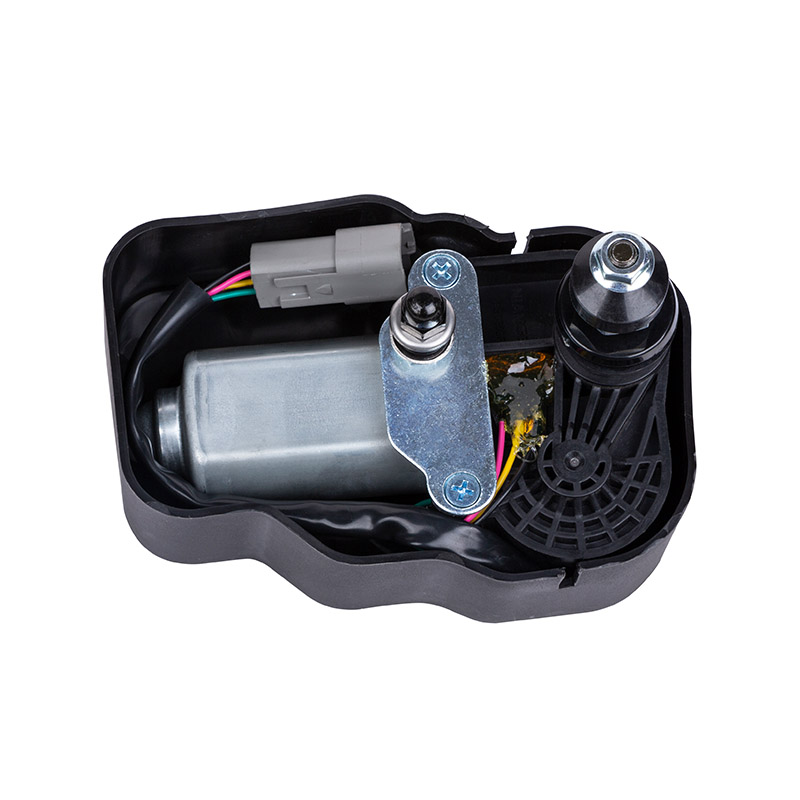
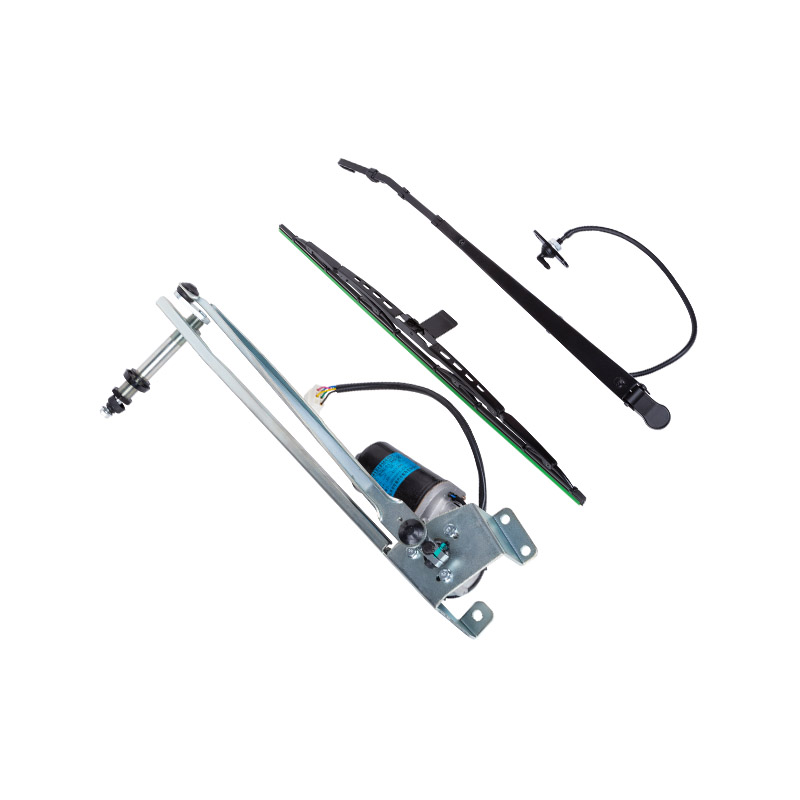
Recent structural updates in 110V Wiper Motor configurations focus on balancing torque output with energy consumption control. One of the key adjustments is the segmentation of internal components into replaceable modules. This includes the gear section, drive shaft, and electrical housing.
In Modular Wiper Motor designs, the separation of functional units allows smoother adaptation to different load conditions. Instead of a single fixed assembly, each module can be adjusted or replaced depending on operational demand. This structure also supports simplified inspection during maintenance cycles.
Electrical control improvements are also introduced in some configurations. Instead of maintaining constant output levels, the motor can respond to resistance changes in wiping motion. When surface resistance decreases, the motor reduces input demand, which helps avoid continuous high-energy operation during idle or low-load conditions.
Thermal control design is another important adjustment. By distributing heat across modular sections, the system avoids localized overheating, which can affect motor lifespan and performance consistency.
Application Scenarios Across Equipment Systems
110V Wiper Motor systems are widely used in equipment where visibility control is necessary in changing environments. This includes construction machinery such as excavators and loaders, where dust and rain conditions vary throughout operation cycles.
In agricultural equipment, Modular Wiper Motor setups are often installed in tractors and harvesters. These machines operate for long durations, and the ability to maintain steady wiping function without excessive energy consumption becomes relevant in extended field use.
Another application area is in transportation and special-purpose vehicles. For example, utility vehicles and inspection vehicles often require wiper systems that can adapt to intermittent operation. In these cases, modular design allows quick maintenance without dismantling the entire motor assembly.
Marine equipment and outdoor surveillance systems also use 110V configurations in certain setups, especially where stable voltage supply is standardized. The modular structure helps reduce service time when components are exposed to moisture or dust over long periods.
Performance Observation from Operational Use
In controlled equipment testing environments, a Modular Wiper Motor system operating under intermittent load conditions showed variations in energy usage compared to traditional fixed-structure motors.
During low-resistance operation cycles, energy draw was observed to reduce by approximately 12–18% depending on load frequency and wiping interval settings. In continuous heavy-load cycles, performance remained stable without significant fluctuation in torque output.
A comparative operational test was conducted on two identical mechanical platforms, one using a standard fixed assembly and the other using a modular 110V Wiper Motor system. Over a 120-hour operation period:
- The modular system required fewer maintenance interruptions due to component-level replacement capability
- Heat accumulation in the motor housing remained more evenly distributed
- Energy consumption patterns showed smoother variation during idle intervals
These observations indicate that modular structuring affects not only maintenance efficiency but also operational consistency across different workload phases.
System Integration and Engineering Considerations
When integrating a Modular Wiper Motor into equipment systems, installation flexibility becomes an important factor. The segmented design allows engineers to adjust mounting orientation without redesigning the full motor housing.
Electrical integration also benefits from standardized 110V input compatibility, reducing the need for additional voltage conversion units in compatible systems. However, proper load calibration is still required to match motor response with mechanical resistance in wiping arms or linked structures.
From a design perspective, engineers often consider modular motors when equipment is expected to operate in mixed conditions. Instead of optimizing for a single environment, modular systems allow gradual adjustment of performance characteristics through component replacement or configuration change.