

 English
  Español
  русский
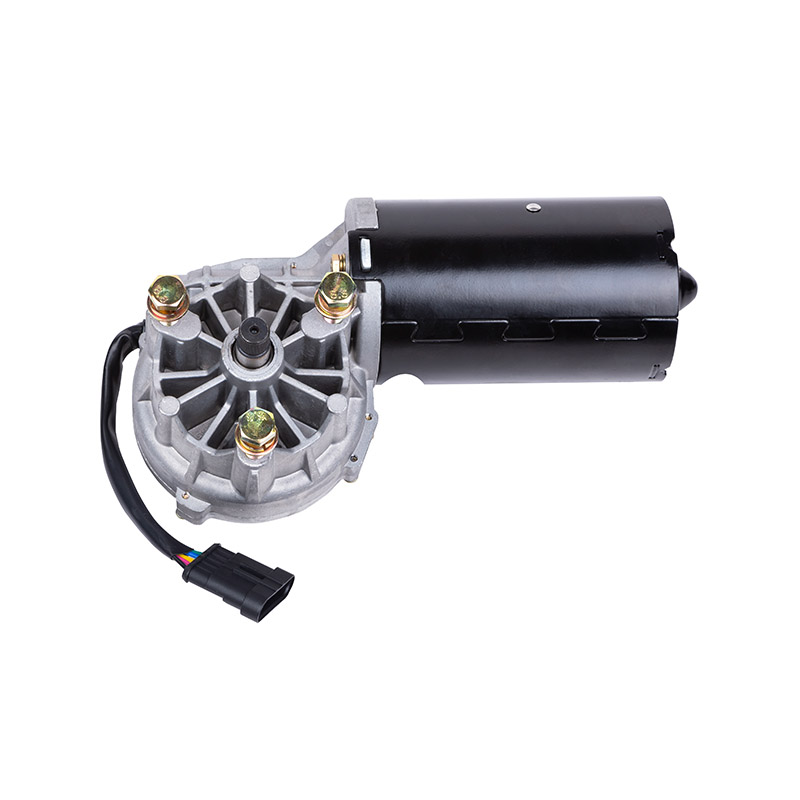
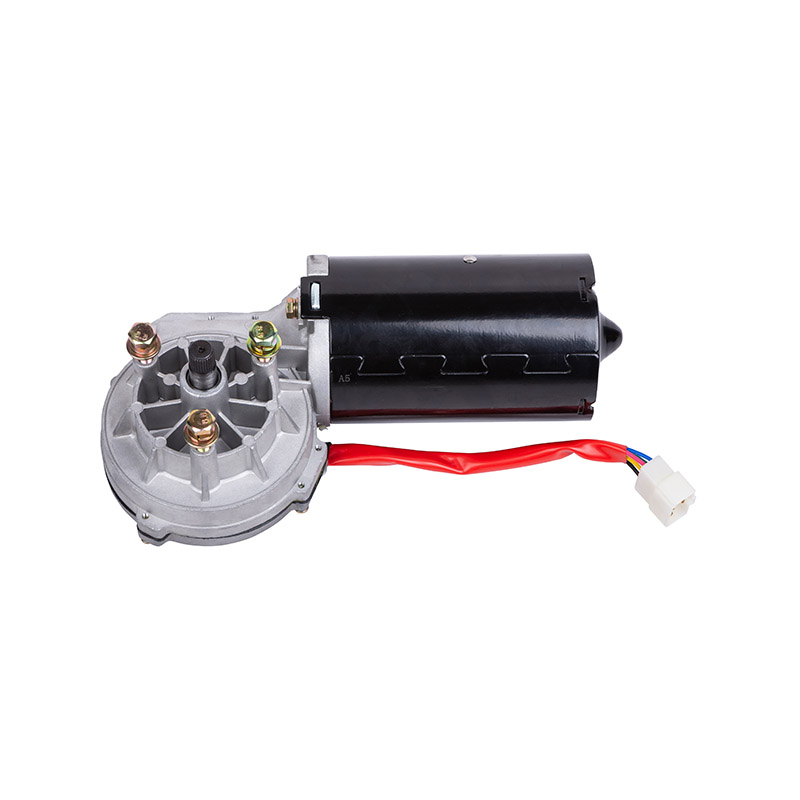
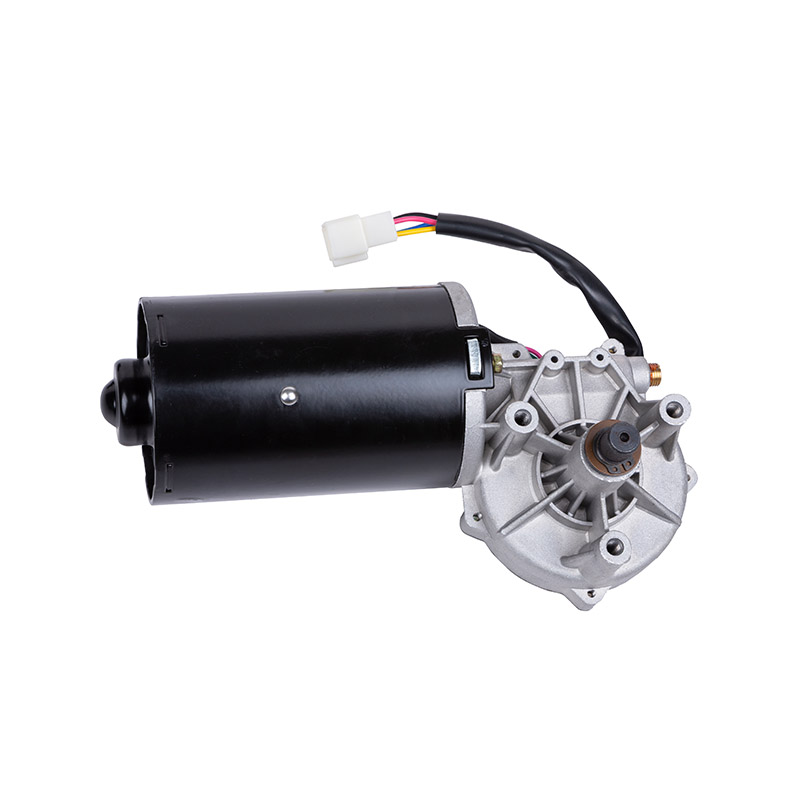
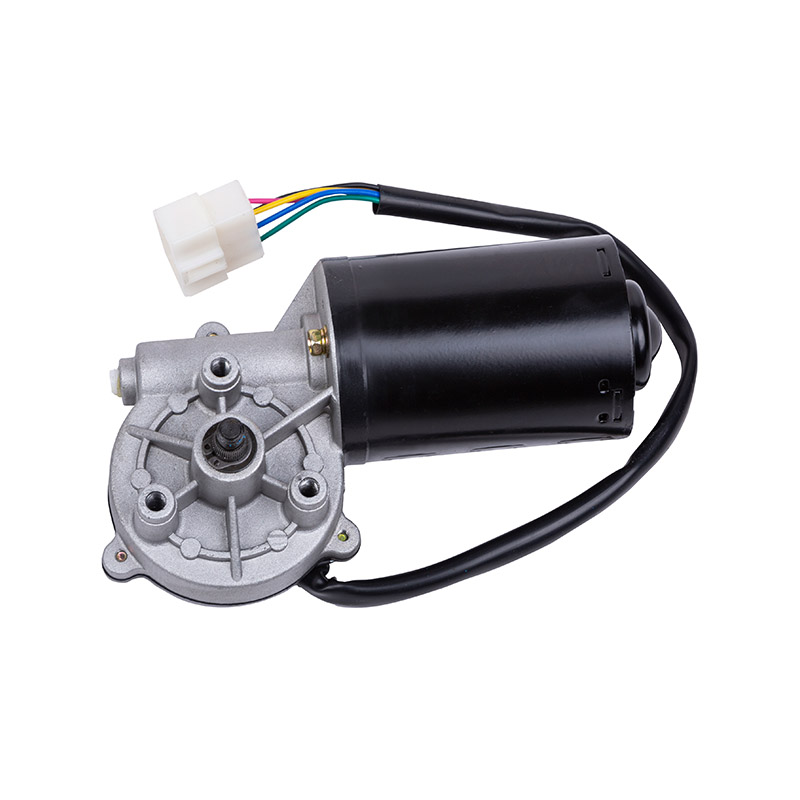
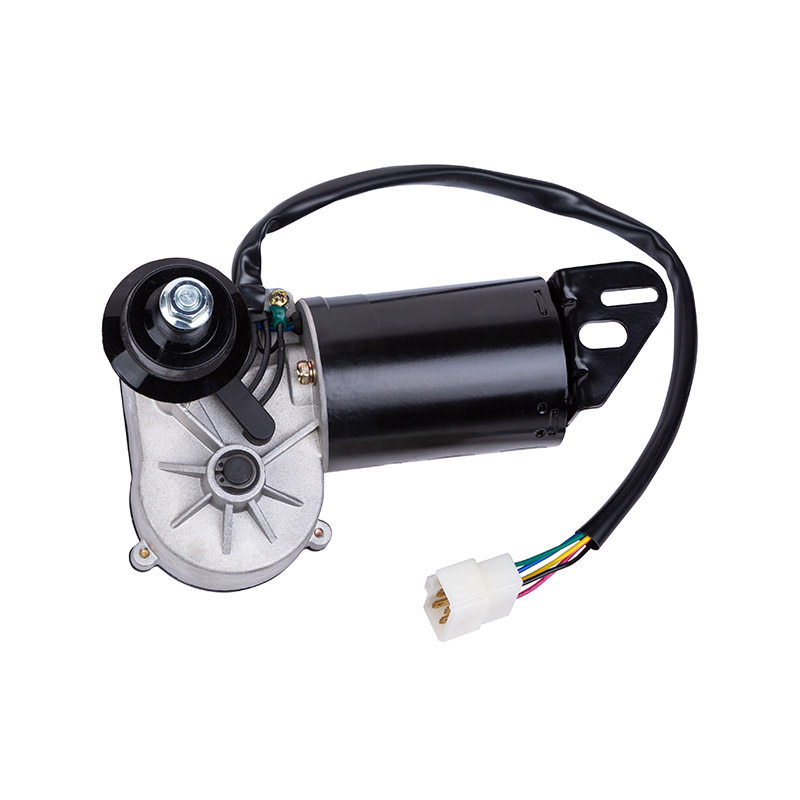
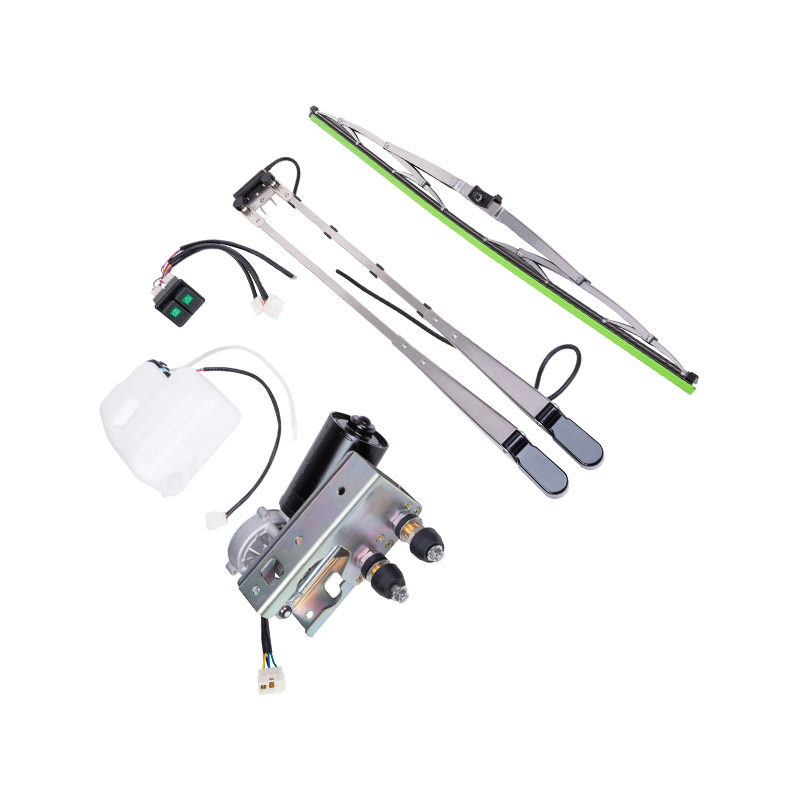
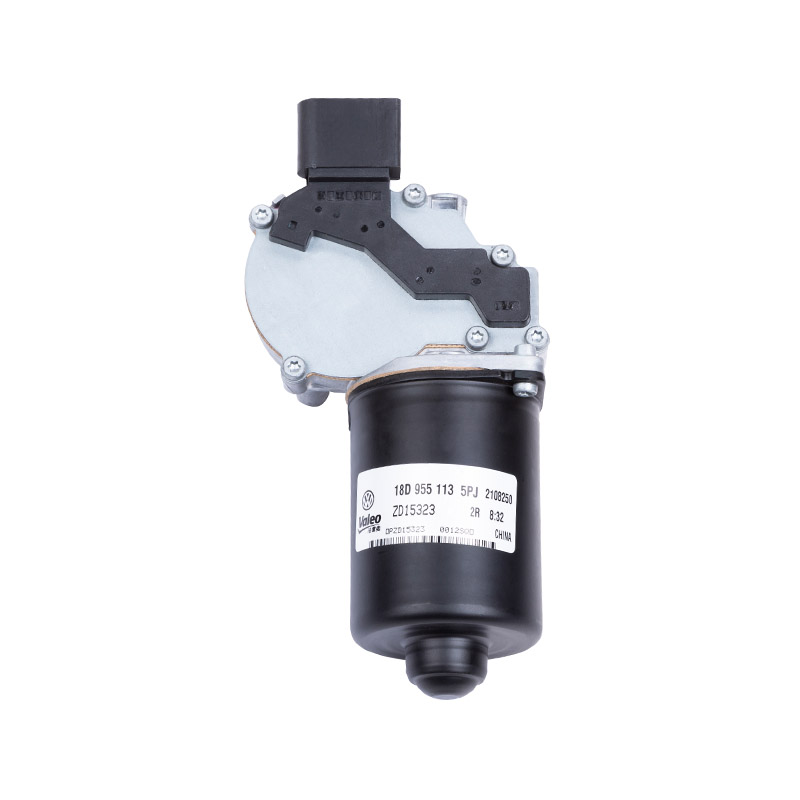
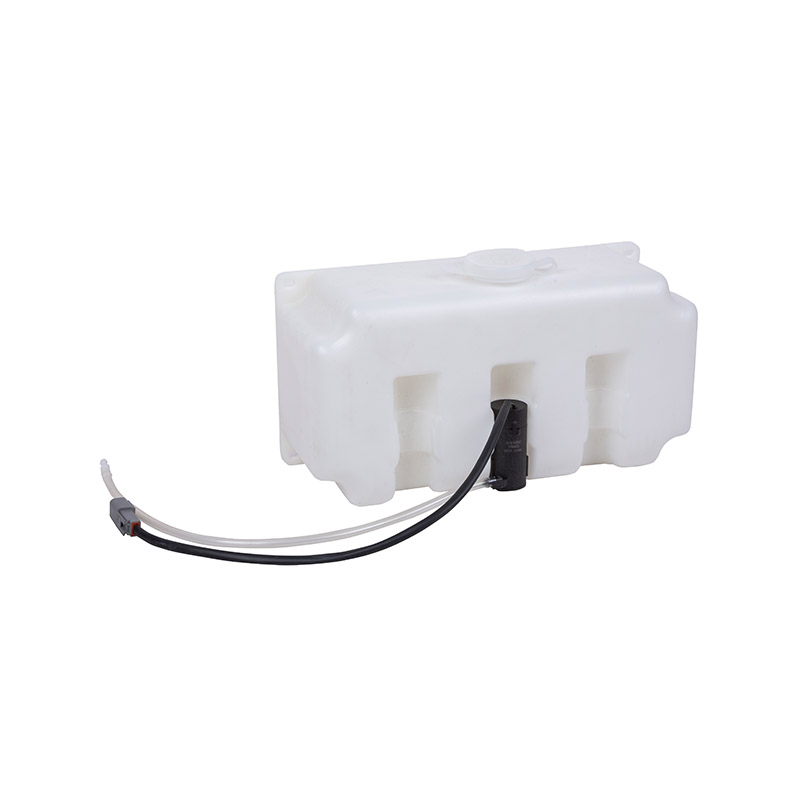
 110V Wiper Motor and Modular Wiper Motor are being applied in more industrial equipment where stable operation under continuous use is required, especially in systems that depend on consistent visibility control in harsh environments. The introduction of 110V configurations together with modular structures is changing how wiping systems are selected and maintained across different industrial setups.
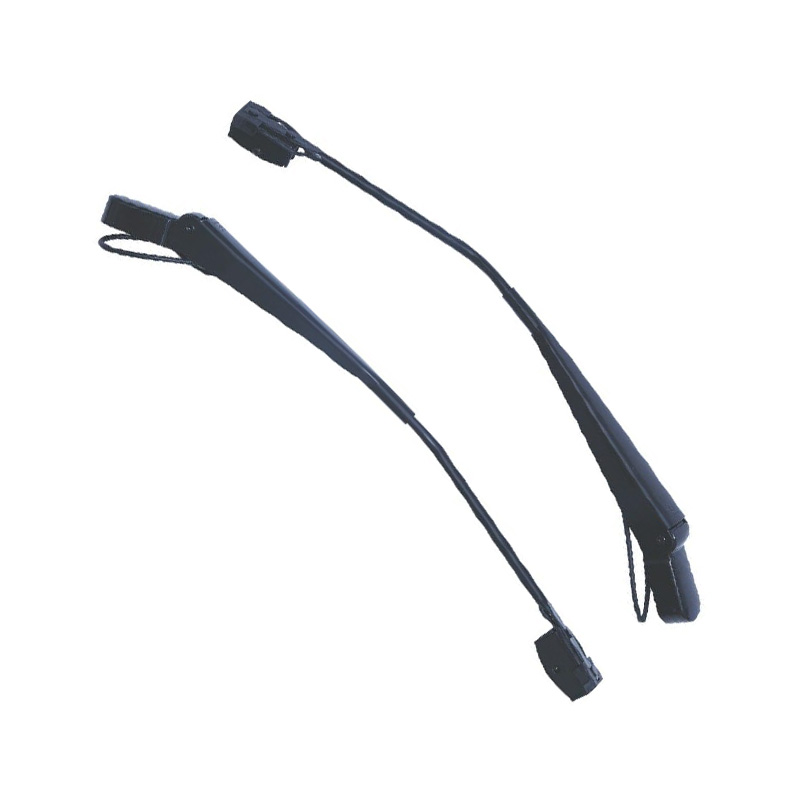
Operating Demands in Industrial Environments
Industrial equipment often works in conditions where dust, moisture, vibration, and temperature variation occur at the same time. In these environments, wiper systems are not only used for comfort or visibility but are part of operational safety routines in machinery such as construction vehicles, port equipment, and outdoor control cabins.
Traditional low-voltage wiper motors may not always match the electrical architecture of industrial systems that are designed around higher voltage distribution. As a result, a 110V Wiper Motor configuration is used in certain setups to align with system-level power design.
Another challenge is maintenance access. Many industrial machines operate in confined or elevated installations where replacing an entire assembly can require significant downtime. This has increased attention on modular designs such as the Modular Wiper Motor, which allows segmented replacement rather than full unit disassembly.
Electrical Structure and Design Adjustment
The introduction of 110V Wiper Motor configurations reflects an adaptation to industrial power systems that operate at higher and more stable voltage levels. In these systems, the motor must handle continuous operation without frequent interruptions caused by voltage fluctuations or load variation.
At the same time, modular architecture changes how the motor is structured internally. Instead of combining drive mechanism, housing, and electrical interface into a single sealed body, the system is divided into functional modules. This separation allows different parts of the motor to be matched with different vehicle or equipment platforms without redesigning the full system.
A simplified view of modular structure characteristics:
- Drive unit separated from mounting interface
- Electrical module designed for voltage adaptation
- Mechanical section replaceable without full system removal
- Standardized connectors for cross-platform compatibility
This structure supports both 110V and other voltage configurations by isolating electrical adaptation into a specific module rather than changing the full mechanical design.
Application Across Industrial Systems
110V Wiper Motor systems are commonly used in equipment where electrical distribution is already aligned with higher voltage infrastructure. This includes industrial cleaning vehicles, construction machinery cabins, mining transport systems, and certain fixed outdoor monitoring stations.
In these environments, stable wiping motion is required during long operating cycles. Modular structures are often paired with these motors to simplify maintenance. For example, in port crane cabins or heavy transport equipment, replacing a full wiper assembly may require system shutdown and mechanical access procedures. With modular design, only the affected unit can be replaced.
Typical application areas include:
- Industrial crane cabins exposed to rain and dust
- Construction machinery operating in outdoor environments
- Mining vehicles with continuous vibration exposure
- Fixed industrial monitoring or control cabins
- Special transport equipment with 110V electrical systems
The combination of modular design and 110V compatibility allows these systems to be deployed across different industrial platforms without major redesign of surrounding components.
Field Performance Observation in Industrial Use
In operational environments, performance is often evaluated based on consistency under load, maintenance time, and compatibility with existing systems rather than theoretical specifications. Reports from maintenance teams indicate that modular motor structures reduce the complexity of replacement tasks, especially when the motor is installed in enclosed or elevated positions.
A comparative overview of maintenance behavior:
|
Aspect |
Traditional Wiper Motor |
Modular Wiper Motor with 110V System |
|
Access requirement |
Full unit removal |
Partial module access |
|
Electrical compatibility changes |
System-wide adjustment |
Module-level adaptation |
|
Maintenance time |
Longer due to full disassembly |
Reduced due to segmented design |
|
Replacement scope |
Entire assembly |
Selected component |
In industrial settings where machines operate in shifts or continuous cycles, reducing downtime during maintenance becomes an important operational factor.
Integration With Industrial Electrical Systems
The 110V Wiper Motor configuration is designed to align with electrical systems that already distribute power at higher voltage levels. Instead of using additional converters or adapters, the motor is matched directly to the system voltage, which simplifies wiring design.
In modular configurations, electrical control is separated from mechanical motion. This allows engineers to modify or replace electrical modules without affecting the physical mounting system. It also provides flexibility when integrating the motor into equipment with different control architectures.
For example, a single mechanical platform can support multiple electrical configurations simply by changing the module responsible for power input and control logic.