

 English
  Español
  русский
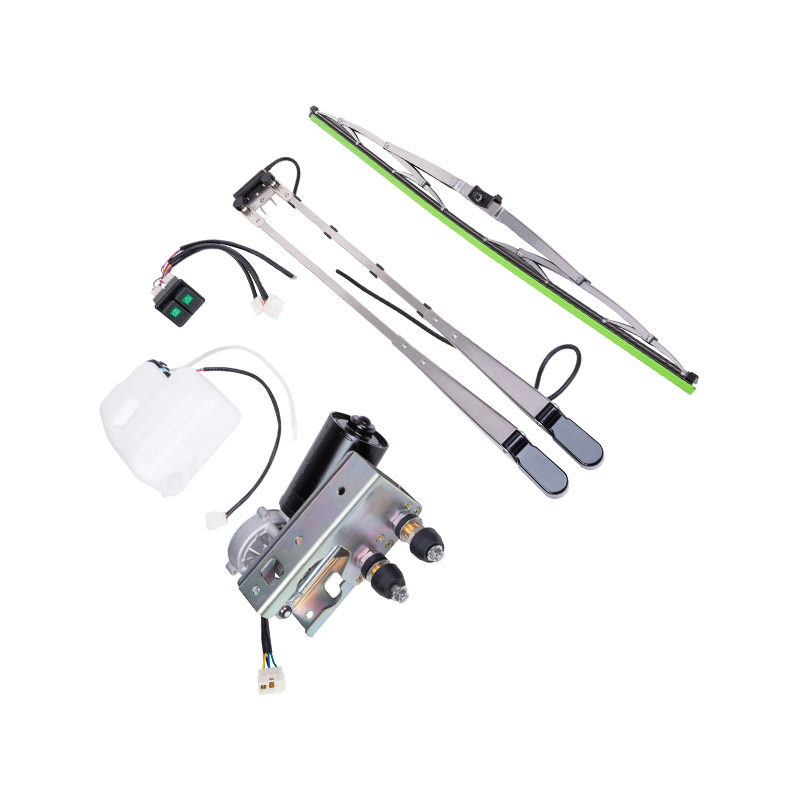
 Modular Wiper Motor and 110V Wiper Motor are increasingly used in vehicle systems where stable wiping performance and controlled energy use are required, especially in applications that involve frequent operation under varying weather conditions. The shift toward modular structures and standardized voltage configurations is shaping how wiper systems are integrated into modern vehicle designs.
Changing Requirements in Vehicle Wiper Systems
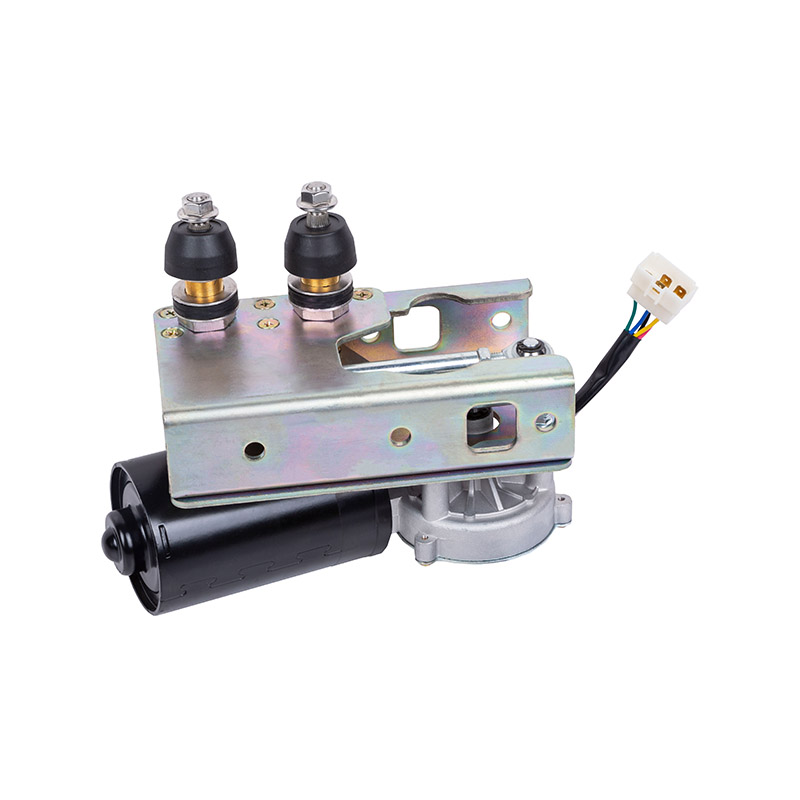
Vehicle wiping systems are no longer treated as simple mechanical add-ons. With more electronic components and sensor-based driving environments, the wiper motor has to coordinate with control modules while maintaining steady torque output under different loads. Traditional fixed-structure motors often face limitations in maintenance flexibility and compatibility across platforms.
Another challenge comes from varied electrical systems in vehicles. Some platforms operate on low-voltage systems, while others, including industrial or specialized vehicles, may adopt a 110V Wiper Motor configuration to support higher-load environments. This difference requires adaptable motor design rather than a single fixed model approach.
In addition, serviceability has become an important consideration. When a motor fails or underperforms, replacing only the motor unit instead of the entire assembly reduces downtime and simplifies maintenance processes. This is one of the main reasons modular structures are gaining attention in vehicle system design discussions.
Structural Shift Toward Modular Motor Design
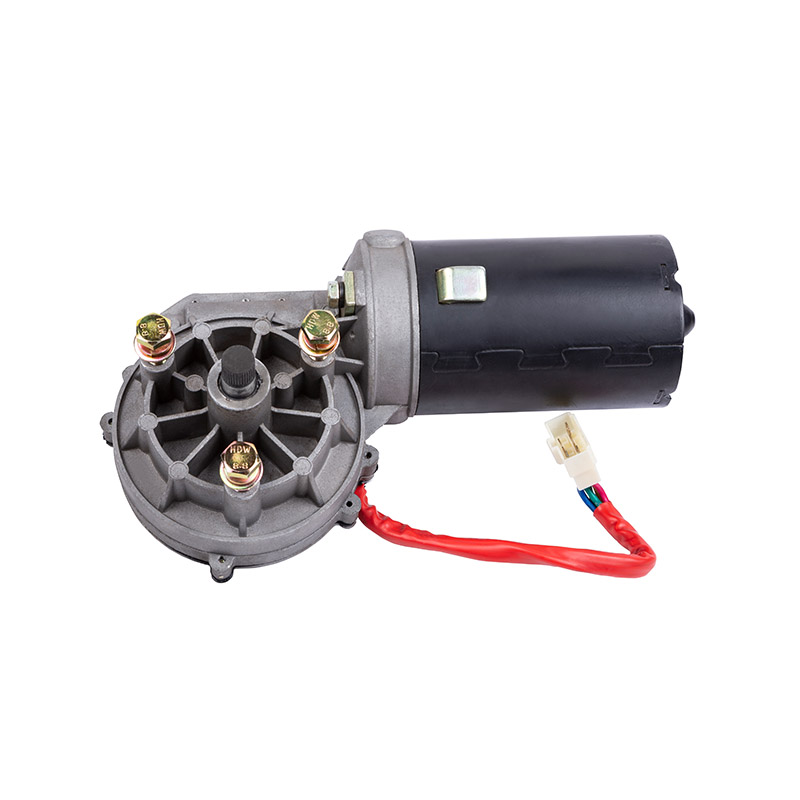
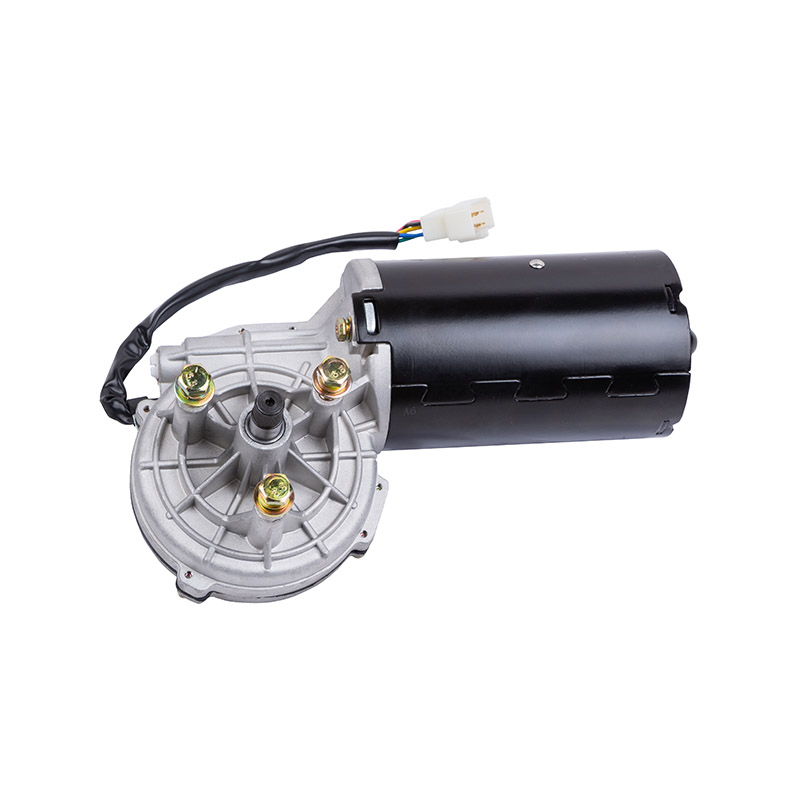
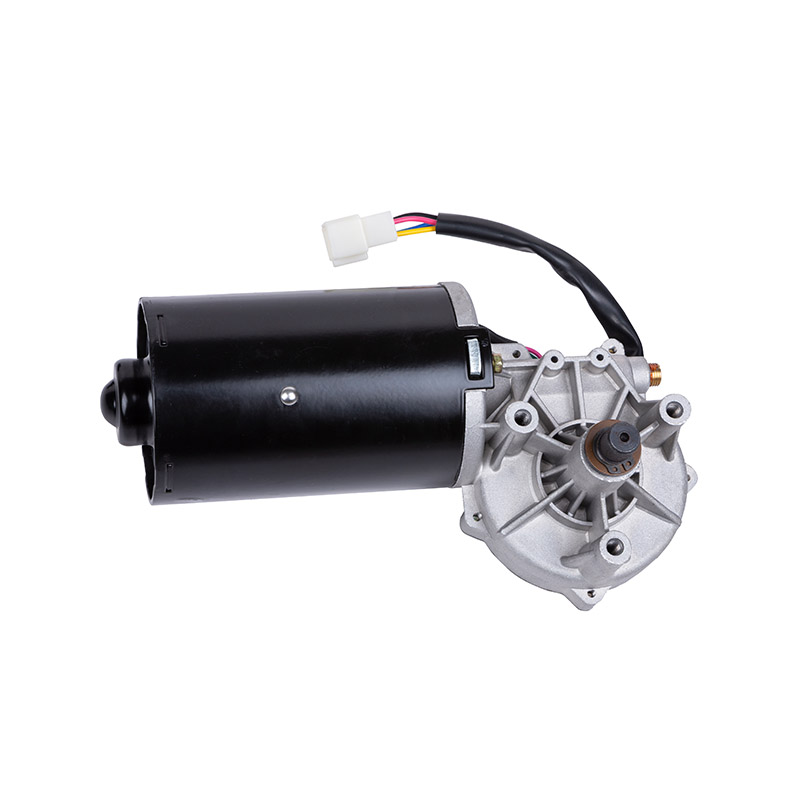
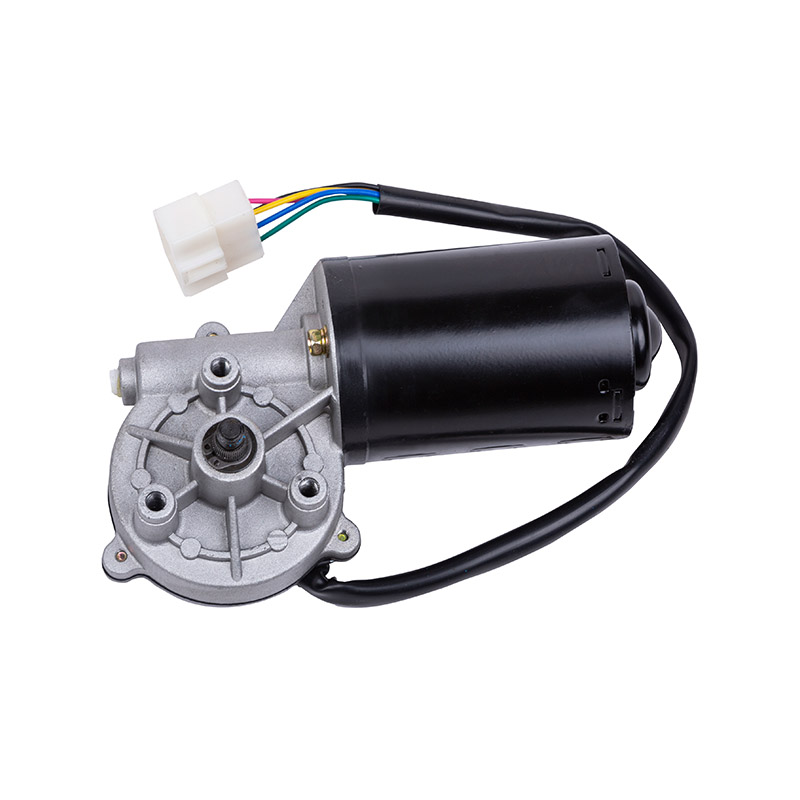
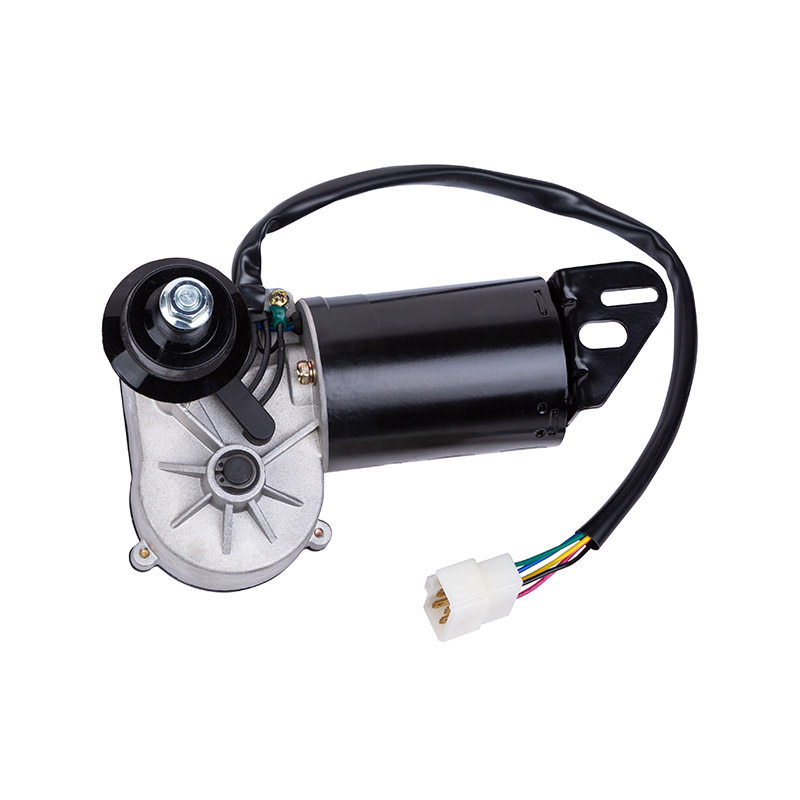
The concept behind the Modular Wiper Motor is centered on separating functional components into replaceable units. Instead of integrating all mechanical and electrical parts into a sealed single structure, the motor is divided into segments such as drive unit, housing interface, and control connection module.
This structure allows manufacturers and maintenance teams to adjust or replace individual sections without affecting the full assembly. It also supports compatibility across different mounting systems, which is particularly useful for vehicle platforms that share similar wiping mechanisms but differ in electrical or spatial configuration.
From a design perspective, modular construction also supports easier adaptation to voltage differences, including configurations such as 110V Wiper Motor setups. This flexibility reduces the need to redesign the entire system when adapting to a different vehicle category.
Operational Characteristics in Practical Use
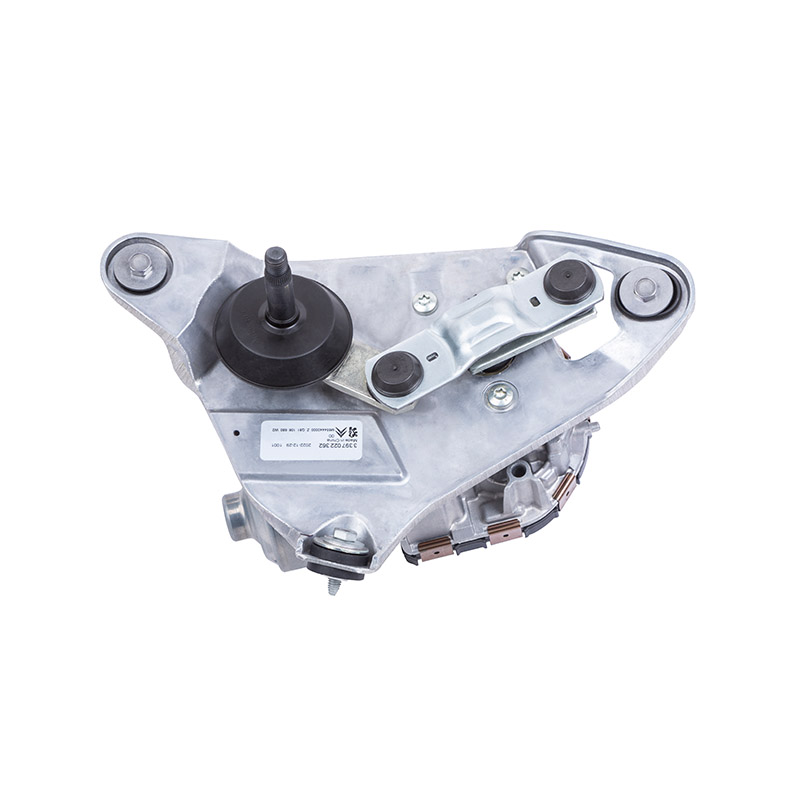
In real-world usage, modular wiper motors are often evaluated based on stability under load, response consistency, and adaptability to installation environments. The separation of components allows better access during maintenance, and it also simplifies inspection procedures.
Key functional aspects include:
- Separation of drive and control modules for easier replacement
- Compatibility with multiple mounting structures used in vehicle assemblies
- Stable torque output during continuous operation cycles
- Reduced complexity during repair or component swap
These characteristics are particularly relevant in commercial transport vehicles, agricultural machinery, and service vehicles where operational continuity is more important than design uniformity.
Application Scenarios Across Vehicle Types
Modular wiper systems are used in a variety of environments where visibility control is essential. Passenger vehicles remain a common application area, but the structure is also suitable for more demanding usage conditions.
In heavy-duty transport vehicles, long operating hours and exposure to dust or rain increase the need for serviceable components. Modular designs allow partial replacement rather than full system disassembly. In agricultural machinery, where equipment is often exposed to soil, water, and debris, the ability to replace only the affected motor section reduces maintenance complexity.
For specialized vehicles using 110V Wiper Motor systems, such as industrial cleaning units or transport equipment with higher electrical requirements, modular structures support easier integration without redesigning the full electrical system layout.
Performance Observation From Field Use
Field observations from maintenance environments indicate that modular wiper motors tend to reduce service time during replacement procedures. For example, in fleet maintenance settings, technicians often report that separating motor and mounting interfaces shortens diagnostic steps.
A simplified comparison of maintenance workflow can be illustrated as follows:
|
Aspect |
Traditional Wiper Motor |
Modular Wiper Motor |
|
Component replacement |
Full assembly removal |
Partial module replacement |
|
Wiring inspection |
Complete system check |
Targeted module check |
|
Installation time |
Longer due to full disassembly |
Reduced due to segmented structure |
|
Compatibility adjustments |
Limited flexibility |
Easier adaptation to different systems |
This type of structure does not change the fundamental wiping function but modifies how the system is serviced and adapted across different platforms.
Electrical Compatibility and 110V Configuration
The inclusion of 110V Wiper Motor options reflects the need for compatibility with non-standard vehicle electrical systems. While many passenger vehicles operate on lower voltage systems, industrial and specialized applications may require higher voltage input for consistent torque delivery under load.
In modular systems, voltage adaptation is managed through the control and power module segment, allowing the mechanical structure to remain unchanged while electrical configurations vary. This separation reduces duplication in mechanical design while supporting different electrical standards.
It also allows manufacturers to maintain a shared mechanical platform across multiple product variants, which simplifies inventory and production planning.
Maintenance Approach and Service Workflow
Maintenance practices for modular wiper motors focus on targeted diagnosis rather than full system replacement. When a performance issue occurs, technicians typically inspect individual modules such as drive output, electrical connection, or mounting interface.
A general service workflow often includes:
- Identifying whether the issue is mechanical or electrical
- Detaching only the relevant module for inspection
- Replacing or repairing the affected segment
- Reassembling without disturbing unrelated components
This approach reduces the need for full disassembly and allows faster return to operational use in fleet environments.