

 English
  Español
  русский
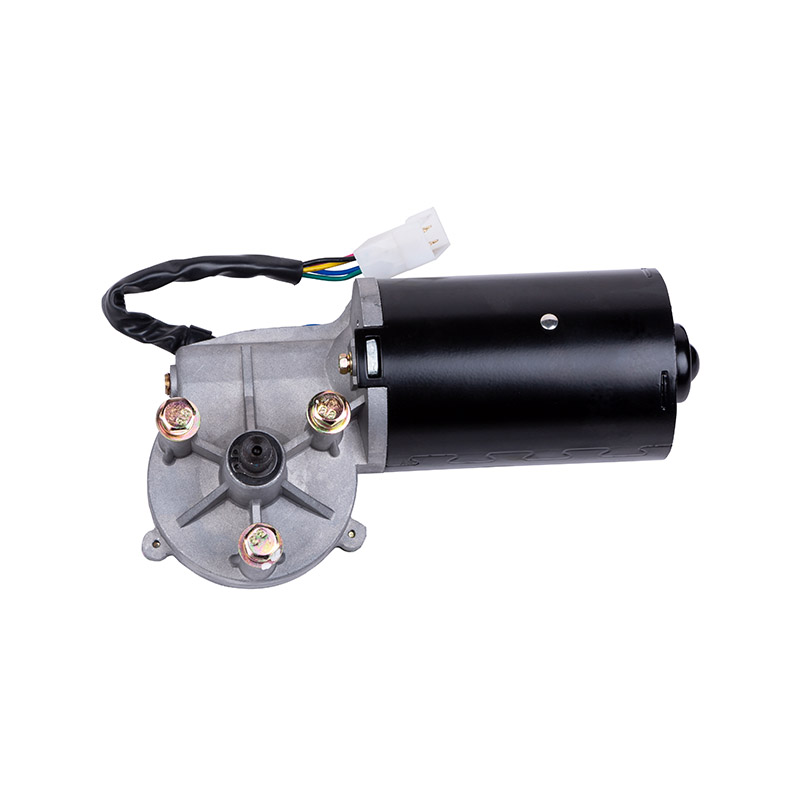
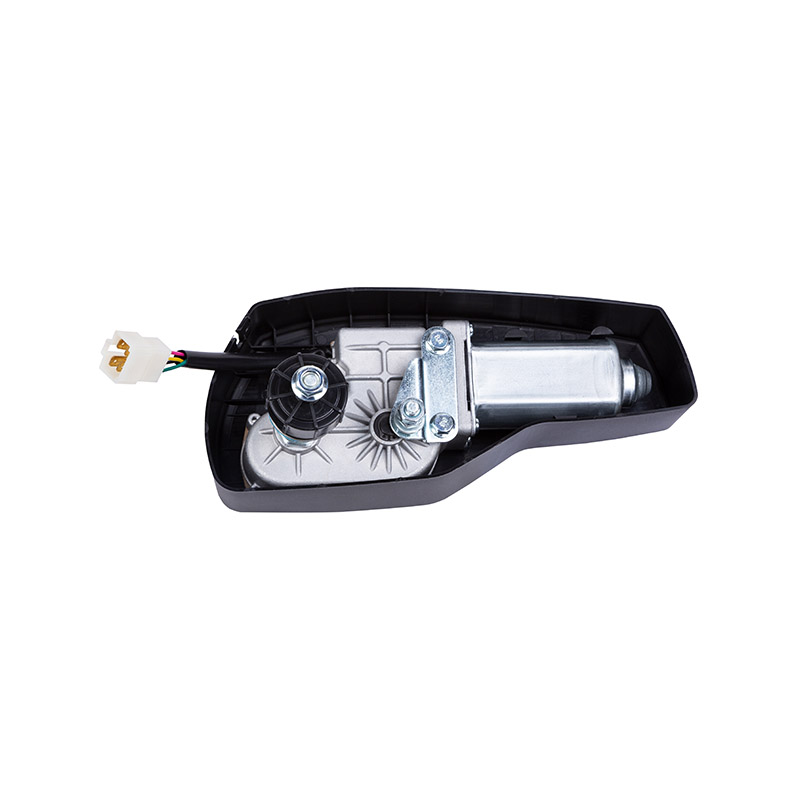
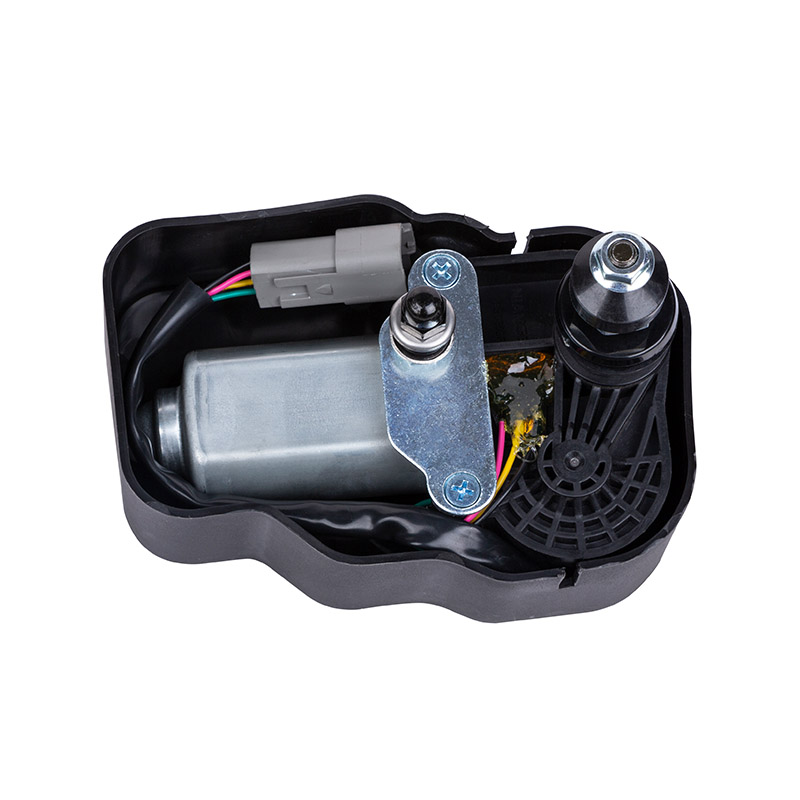
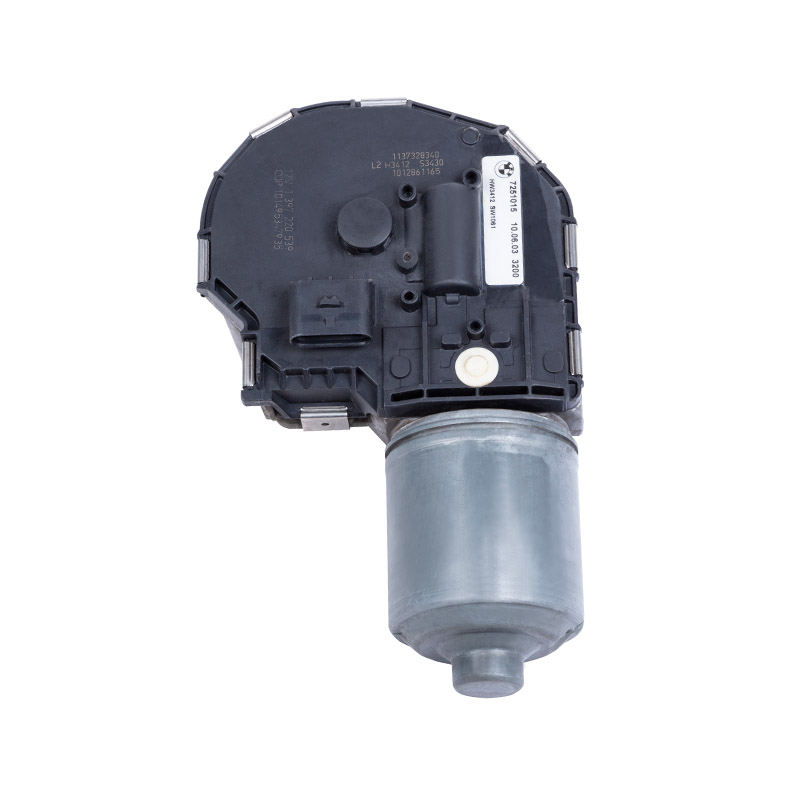
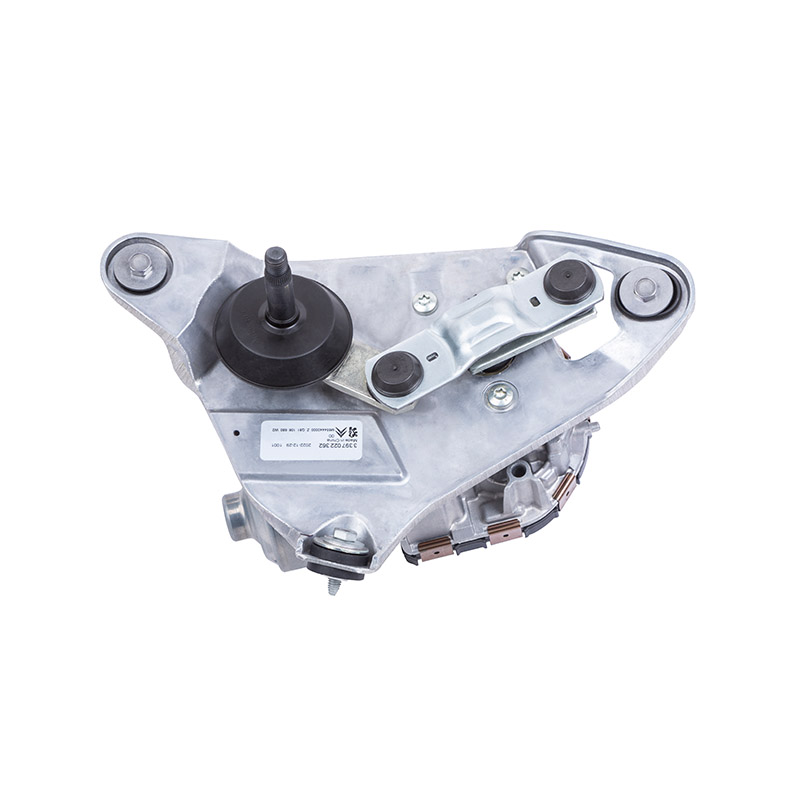
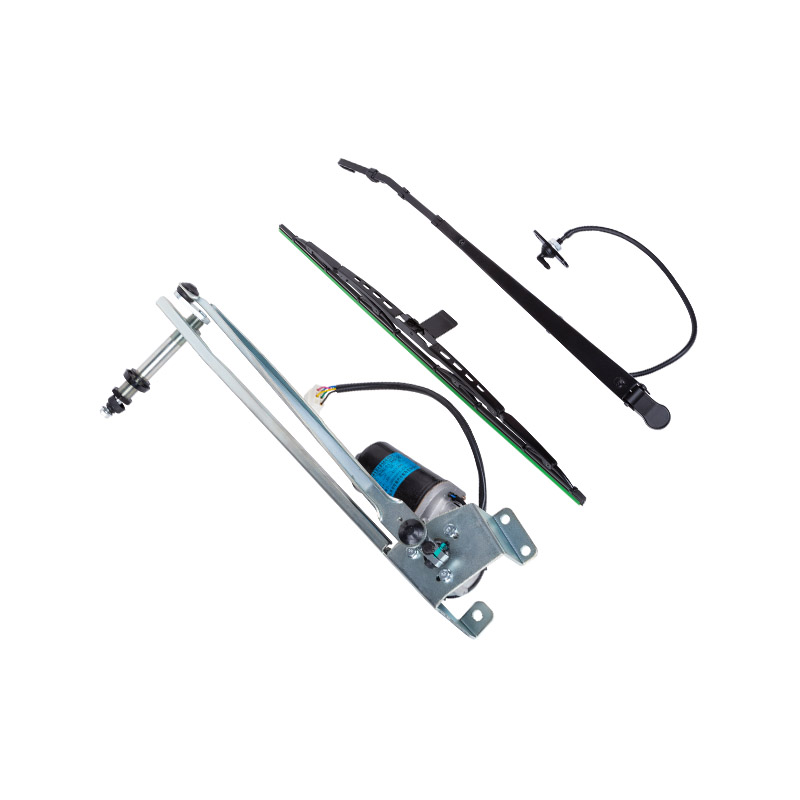
 Urban driving often involves frequent stops, dense traffic flow, and constantly changing environmental conditions such as light rain, road spray, and sudden weather shifts. In these situations, systems like the Bus Wiper Motor and Wiper Motor With Rain Sensor contribute to maintaining a clear field of view by adjusting wiping performance according to real-time conditions. Instead of relying solely on fixed-speed operation, these systems support drivers by reducing the need for repeated manual adjustments while navigating complex city environments.
Visibility Demands in Stop-and-Go Traffic Conditions
City traffic presents unique challenges compared to highway driving. Vehicles frequently slow down, stop at intersections, and accelerate again, which affects how water accumulates on the windshield. At lower speeds, rainwater tends to stay on the glass longer, while at higher speeds, airflow helps disperse it.
This variation means that a Bus Wiper Motor must operate effectively across a wide range of conditions within a short period of time. During stops, water droplets may build up quickly, requiring consistent wiping. Once the bus moves again, airflow changes the distribution of water, and wiping intensity may need to adjust accordingly. A system that cannot respond to these shifts may either over-wipe or leave areas uncleared, both of which can affect driver visibility.

Role of Rain Sensors in Urban Driving Adaptation
A Wiper Motor With Rain Sensor adds a layer of adaptability by detecting moisture levels directly on the windshield. In urban environments, this becomes particularly useful because rain conditions often change due to surrounding structures, vehicle spray, and intermittent shelter from buildings or overpasses.
The sensor continuously monitors the surface and sends signals to adjust wiping intervals or speed. For example, when a bus enters a covered area, the sensor may detect reduced moisture and slow down the wiping frequency. Once the vehicle exits back into open rain, the system increases activity again. This automatic adjustment helps maintain consistent visibility without requiring the driver to intervene repeatedly.
Mechanical Stability During Frequent Start-Stop Cycles
The Bus Wiper Motor must handle these transitions smoothly to avoid uneven motion or unnecessary wear. Consistent torque delivery during each start helps ensure that the blades move across the windshield without hesitation.
Over time, stable mechanical behavior contributes to predictable wiping patterns, which is important when drivers rely on consistent visibility in crowded traffic conditions.
Factors That Influence Wiper Performance in City Environments
Several practical factors affect how well the system performs in urban settings. These elements often interact with each other, making it important to consider them together rather than in isolation:
- Traffic density: Close proximity to other vehicles increases exposure to water spray
- Road conditions: Wet roads mixed with oil or dust can create residue on the windshield
- Urban structures: Bridges, tunnels, and buildings create alternating dry and wet zones
- Lighting conditions: Reflections from streetlights and headlights can amplify visibility issues
Understanding these factors can help operators interpret system behavior and identify when adjustments or maintenance may be needed.
Comparing Manual and Sensor-Based Operation in Urban Use
To illustrate how different systems perform in city conditions, the following table outlines key differences:
|
Feature |
Manual Wiper System |
Sensor-Based Wiper System |
|
Adjustment Method |
Driver-controlled |
Automatic based on sensor input |
|
Response to Traffic Conditions |
Fixed settings |
Adapts to changing moisture levels |
|
Handling of Intermittent Rain |
Limited flexibility |
Variable intervals |
|
Driver Workload |
Higher |
Reduced |
|
Suitability for Stop-and-Go Use |
Moderate |
More adaptable |
Coordination Between System Components
The interaction between sensor input and motor output plays a central role in maintaining consistent wiping performance. When moisture is detected, the sensor sends signals to the control unit, which determines how the motor should respond. This coordination allows the system to adjust wiping intervals or speeds in response to real-time conditions.
In urban driving, where changes can occur within seconds, this responsiveness helps maintain a steady level of visibility. For example, when a bus follows another vehicle through a wet road, sudden spray may trigger increased wiping activity. Once the spray subsides, the system reduces its operation accordingly.
This dynamic adjustment helps align motor activity with actual needs rather than relying on fixed settings that may not suit every situation.
FAQ: Bus Wiper Motor Use in Urban Traffic
- Why do wipers behave differently at low speeds?
At lower speeds, water is less likely to be pushed away by airflow, causing faster accumulation on the windshield.
- Can rain sensors handle water spray from other vehicles?
Yes, the sensor detects moisture regardless of its source, including spray from nearby traffic.
- Do wipers need more frequent maintenance in city driving?
Frequent use and exposure to contaminants may require more regular inspection compared to highway use.
- What happens when entering tunnels or covered roads?
The system may reduce wiping activity as moisture levels decrease, then resume when rain is detected again.
- Is manual control still necessary?
Manual adjustment remains available and can be useful in specific situations where driver preference differs from automatic settings.
- How can uneven wiping be addressed?
Checking blade condition, alignment, and windshield cleanliness can help resolve many issues.