

 English
  Español
  русский
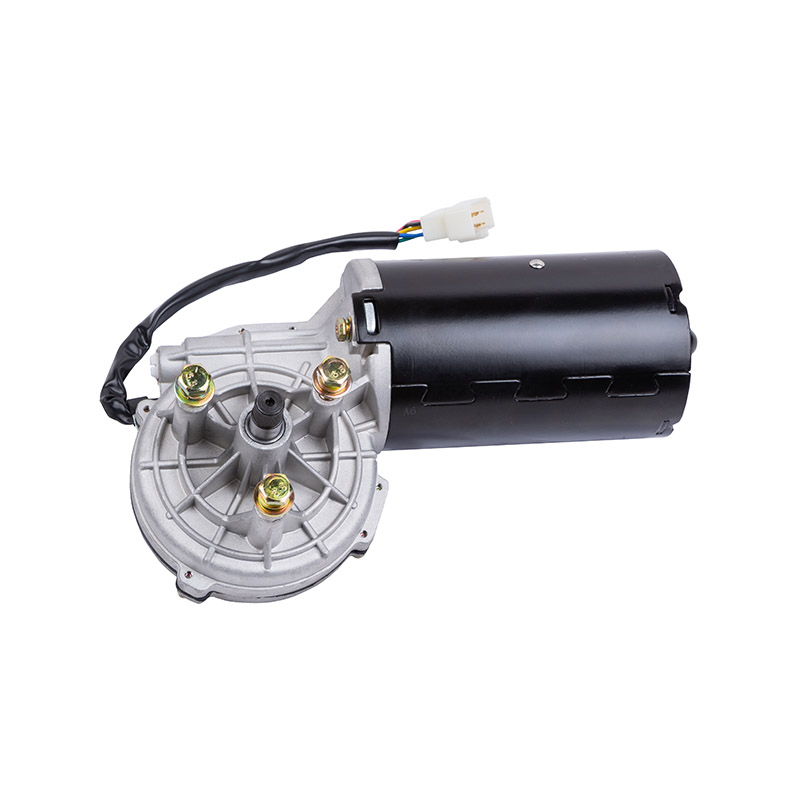
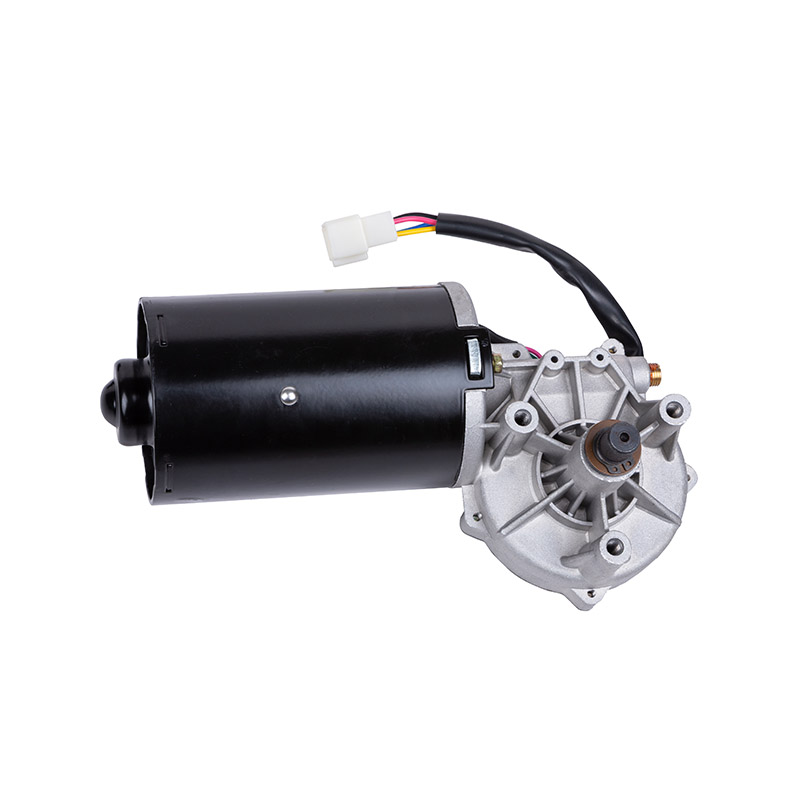
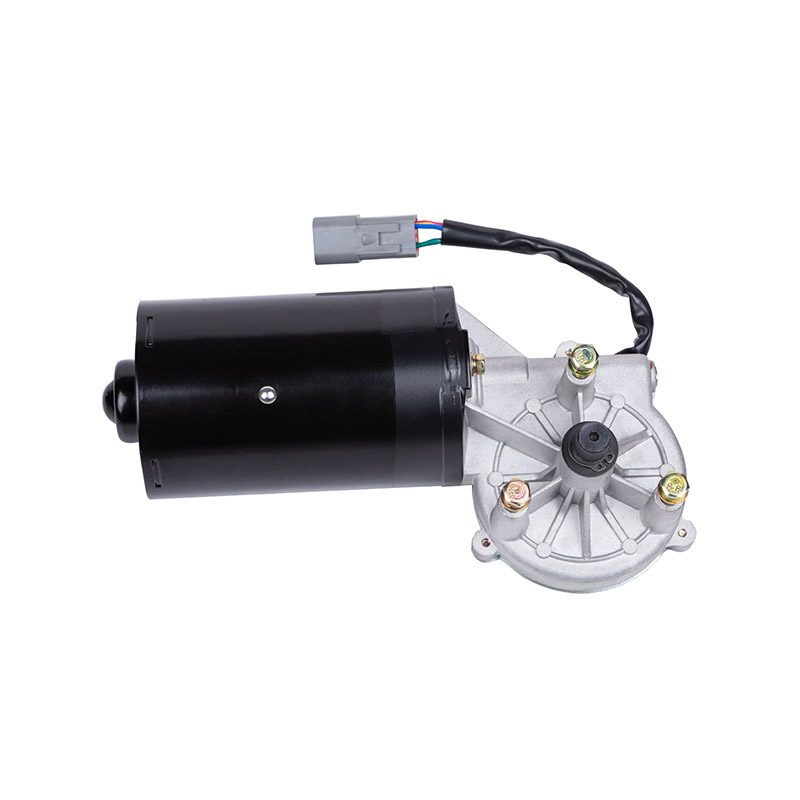
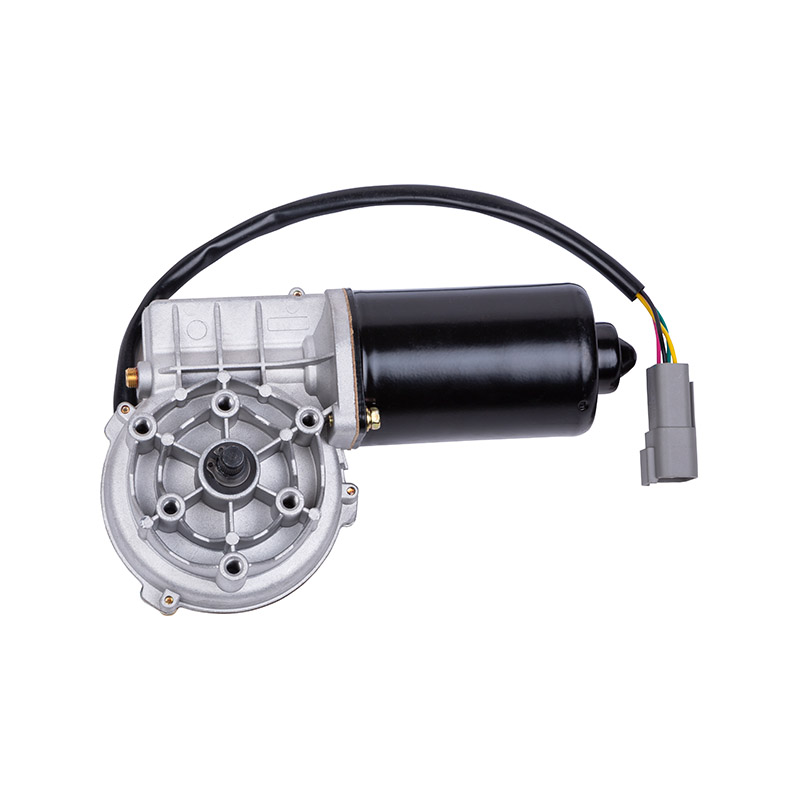
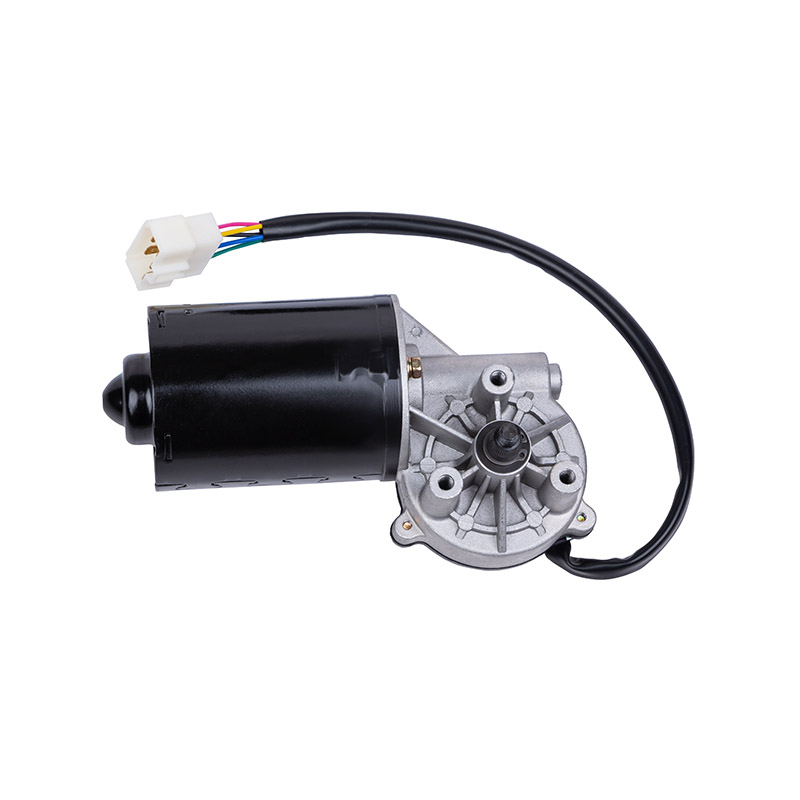
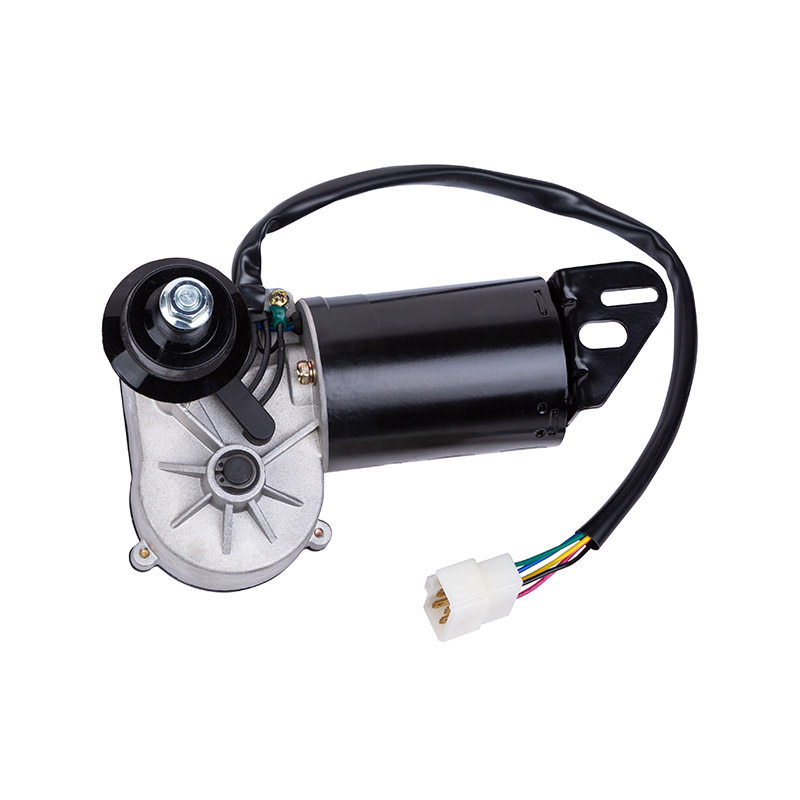
 Heavy rain places continuous demands on visibility systems, especially for large vehicles operating over long routes. In such conditions, the coordination between a Bus Wiper Motor and a Wiper Motor With Rain Sensor becomes particularly relevant, as both mechanical strength and adaptive control influence how effectively the windshield is cleared. Rather than relying on fixed-speed operation, these systems must respond to varying water loads, airflow, and surface resistance throughout the journey.
Why Heavy Rain Creates Unique Challenges for Wiper Systems
Unlike light rain, heavy rainfall introduces a consistent and high volume of water that accumulates rapidly on the windshield. This requires the wiper system to operate at sustained speeds while maintaining uniform contact across a large surface area. For buses, the size and curvature of the windshield further complicate the situation, as water may not spread evenly.
Under these conditions, the motor is subjected to continuous mechanical load. If the system cannot maintain steady movement, visibility may fluctuate due to incomplete wiping or streak formation. Additionally, water pressure combined with vehicle speed can push droplets upward or sideways, altering how the wipers interact with the surface. These factors make heavy rain operation more demanding than intermittent weather conditions.
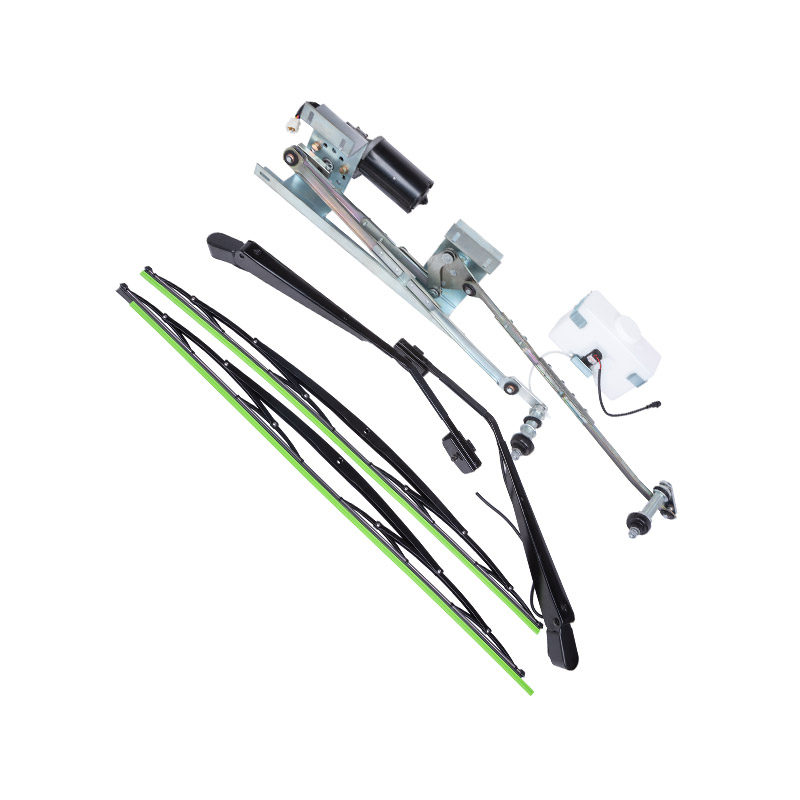
Motor Torque and Load Handling Under Continuous Operation
The ability of a Bus Wiper Motor to maintain consistent torque plays a central role during heavy rain. As water accumulates, resistance between the wiper blade and the glass increases. This resistance is not constant; it changes depending on water thickness, blade condition, and windshield angle.
A motor designed for such applications must provide stable output without abrupt fluctuations. Sudden drops in torque may result in uneven wiping, while excessive force can increase wear on linkages and blades. The goal is to maintain a balanced movement that keeps the blades in contact with the surface without unnecessary strain.
For vehicles equipped with a Wiper Motor With Rain Sensor, the control system may still adjust speed levels during heavy rain, although the range of adjustment is narrower compared to light rain scenarios. The system tends to favor continuous operation, with minor variations depending on detected water intensity.
Influence of Wiper Blade Condition on Overall Performance
While the motor provides the driving force, the condition of the wiper blades directly affects how efficiently water is removed.
Blade material, flexibility, and edge condition all contribute to performance. Over time, exposure to sunlight, temperature changes, and environmental contaminants can reduce blade effectiveness. When this happens, even a properly functioning motor may not achieve consistent results.
Regular inspection and timely replacement of blades help maintain stable interaction between the motor system and the windshield surface, especially during extended periods of rainfall.
Comparing Performance: Standard vs Sensor-Assisted Systems
The following table highlights how traditional wiper systems differ from those equipped with rain-sensing capabilities when operating in heavy rain:
|
Feature |
Standard Wiper System |
Sensor-Assisted Wiper System |
|
Operation Mode |
Fixed high-speed setting |
Adaptive continuous operation |
|
Response to Rain Changes |
Limited |
Adjusts within a defined range |
|
Driver Intervention |
Required for adjustments |
Reduced manual input |
|
Reaction to Sudden Downpour |
Depends on driver response |
Triggered by sensor detection |
|
Consistency Over Long Use |
May vary |
More stable with automated input |
Practical Considerations for Fleet Operators
For fleet vehicles such as buses, consistency across multiple units is an important factor. Standardizing maintenance schedules and component specifications can help ensure similar performance across different vehicles.
Drivers may also benefit from basic familiarity with how sensor-based systems behave in heavy rain. While the system operates automatically, understanding its response patterns can help drivers recognize when manual adjustment or inspection is needed.
In regions with frequent heavy rainfall, periodic system checks may be scheduled more frequently to account for increased usage and wear.
FAQ: Bus Wiper Motor Performance in Heavy Rain
- Can a wiper motor run continuously during long periods of rain?
Yes, it is designed for continuous operation, but regular maintenance helps ensure stable performance over time.
- Why do wipers sometimes leave streaks during heavy rain?
This is often related to blade condition rather than the motor itself. Worn or uneven blades may not clear water effectively.
- Does a rain sensor still matter in heavy rain?
It continues to monitor conditions and can adjust speed slightly if rain intensity changes.
- How does speed affect wiping efficiency?
Higher vehicle speeds can change how water moves across the windshield, which may influence wiping patterns.
- What should be checked if wiping becomes uneven?
Blade condition, linkage alignment, and windshield cleanliness are common factors to inspect.
- Is manual override necessary in heavy rain?
It may be useful in certain situations, but sensor-based systems typically maintain continuous operation automatically.
Heavy rain conditions require steady coordination between detection and motion. By combining sensor feedback with consistent motor output, these systems help maintain visibility across varying rainfall intensities while adapting to real-time changes on the road.