

 English
  Español
  русский
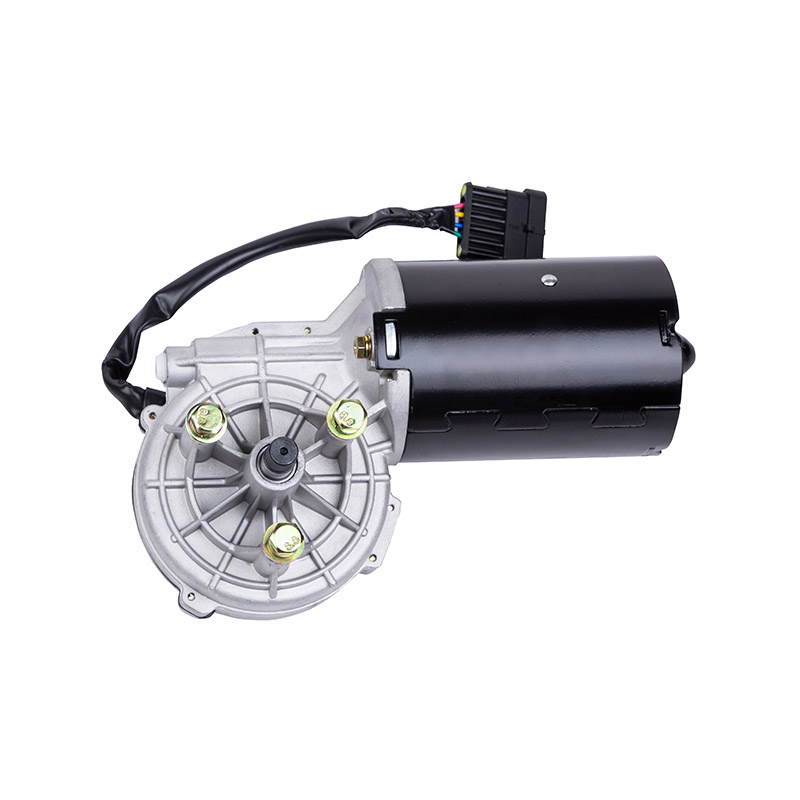
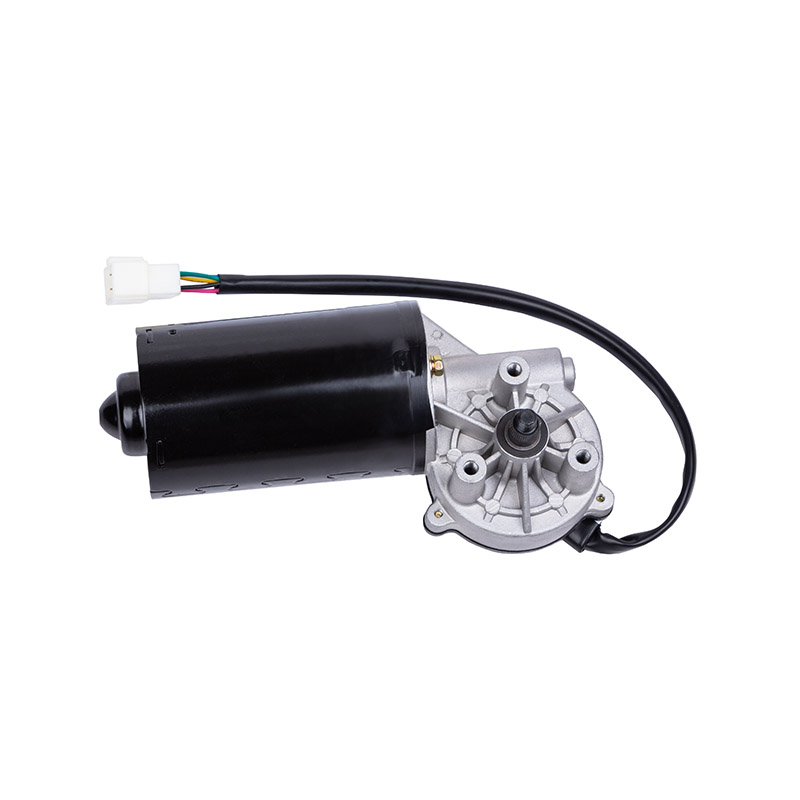
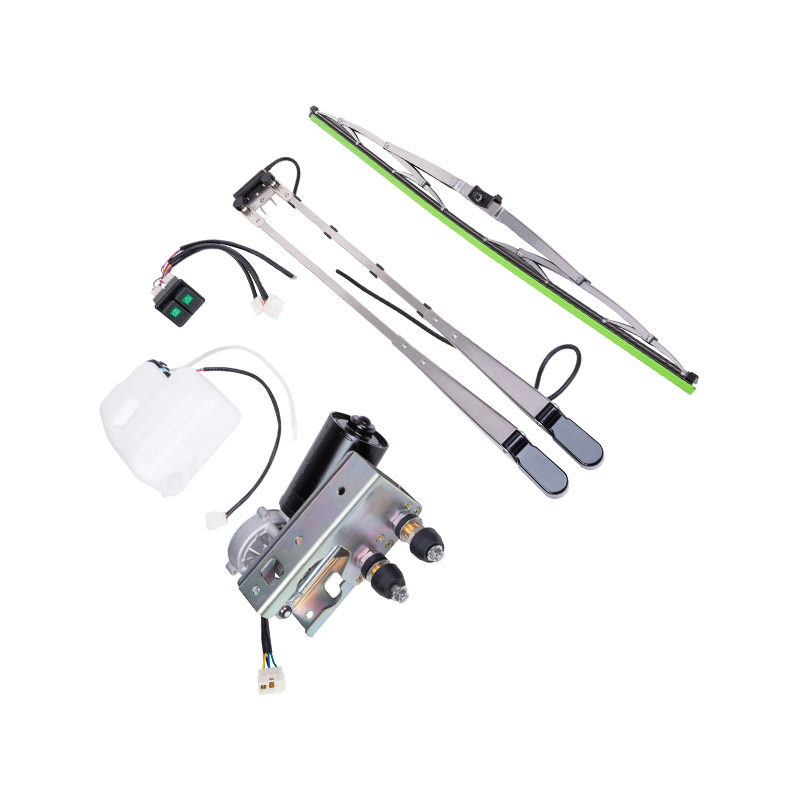
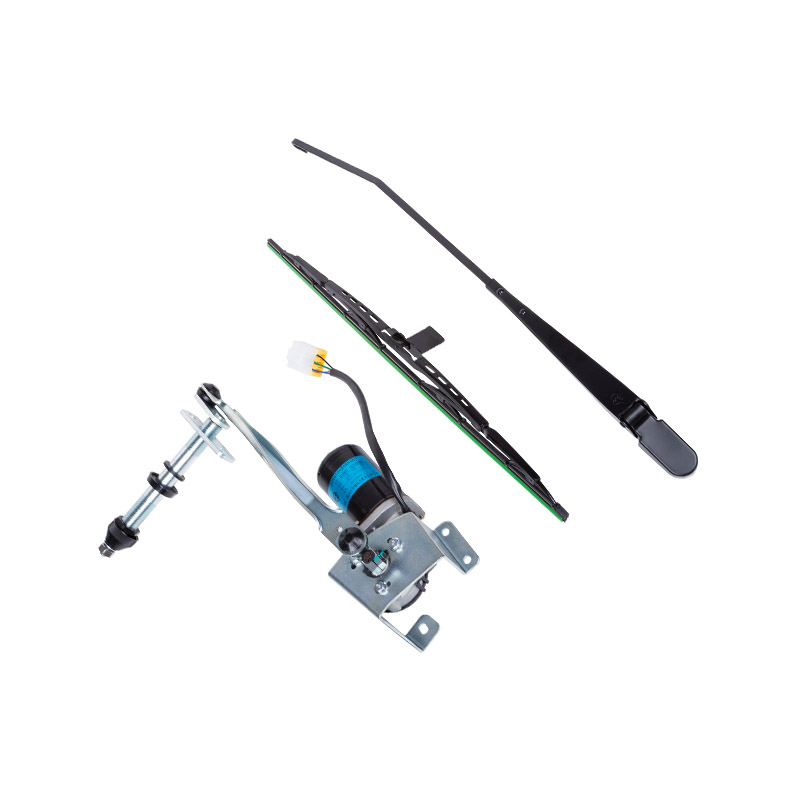
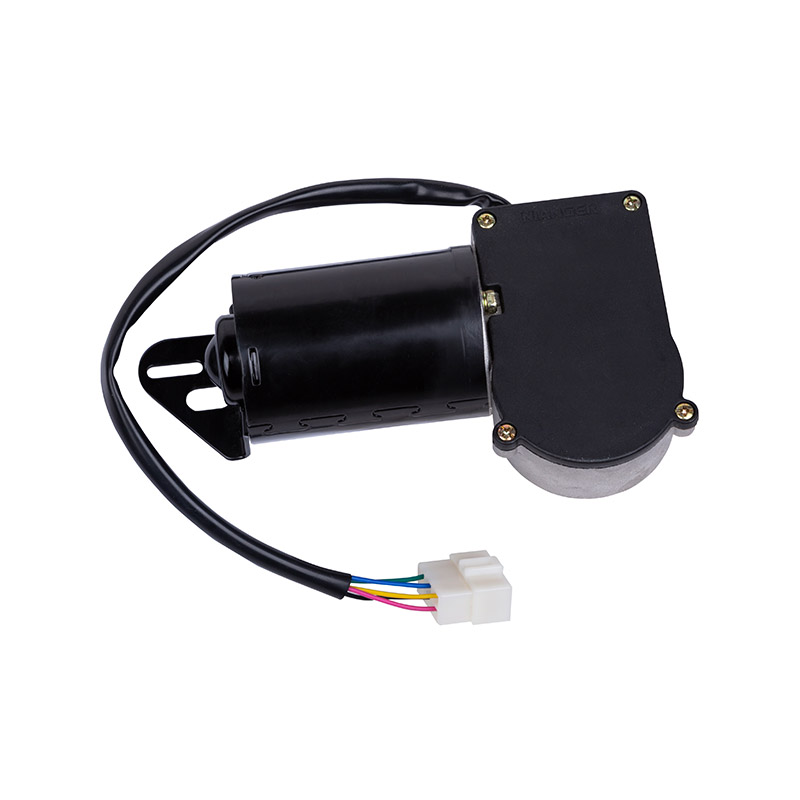
 Driving conditions rarely remain constant, especially during unpredictable weather where light drizzle, moderate rain, and sudden showers can alternate within minutes. In this context, systems such as the Bus Wiper Motor and Wiper Motor With Rain Sensor are designed to respond to these variations without requiring continuous manual adjustment. By combining environmental sensing with controlled motor operation, these systems help maintain windshield clarity while adapting to real-time conditions.
How Automatic Adaptation Works in Everyday Driving
Rain-sensing systems rely on continuous monitoring rather than fixed intervals. A sensor mounted near the windshield detects moisture levels and transmits signals to a control unit. Based on the intensity and pattern of detected water, the system determines whether the wiper motor should remain idle, operate intermittently, or run at a higher speed.
This process is not limited to detecting rain presence alone. It also evaluates how quickly droplets accumulate and how they spread across the glass. For example, during a light drizzle, the system may trigger intermittent wiping with longer pauses. If the rain becomes slightly heavier, those pauses shorten automatically. When the rain subsides, the system gradually reduces activity instead of stopping abruptly.
For buses, where windshields are significantly larger than those of passenger vehicles, this adaptive behavior becomes more noticeable. The Bus Wiper Motor must handle broader wiping coverage while maintaining consistent motion, even when water distribution is uneven.
Sensor Sensitivity and Real-Time Adjustments
The effectiveness of a Wiper Motor With Rain Sensor depends largely on how accurately the sensor interprets environmental input. Sensitivity settings influence how quickly the system reacts to small changes in moisture levels.
Higher sensitivity allows the system to respond earlier to light rain, while lower sensitivity may delay activation until more water accumulates. This balance is important because overly frequent wiping can interrupt visibility just as much as delayed wiping.
In real-world conditions, factors such as road spray, mist, or even condensation can affect sensor readings. Modern systems are designed to filter out minor disturbances, focusing instead on patterns that indicate actual rain. This helps maintain stable operation across varying weather scenarios without constant manual corrections.
Mechanical Response of the Motor Under Changing Loads
Adapting to weather is not only about detection; it also involves how the motor responds physically. The wiper motor adjusts its speed and torque output depending on resistance encountered on the windshield surface.
When the glass is nearly dry, resistance is relatively low, and the motor operates with minimal effort. As rain intensity increases, water creates additional drag, requiring the motor to maintain steady movement without abrupt changes. For buses, this is particularly relevant because larger wiper blades encounter varying resistance across different sections of the windshield.
Smooth transitions between intermittent and continuous modes help reduce wear on mechanical components. Instead of frequent starts and stops, the system maintains a controlled rhythm that aligns with environmental conditions.
Differences Between Manual and Automatic Wiper Control
Understanding how automatic systems compare to traditional manual controls can help users evaluate their practical value. The table below outlines key differences:
|
Aspect |
Manual Wiper System |
Rain-Sensing Wiper System |
|
Activation Method |
Driver-controlled |
Sensor-triggered |
|
Adjustment to Weather Changes |
Requires manual input |
Adjusts automatically |
|
Response to Light Rain |
Fixed intermittent settings |
Variable intervals |
|
Driver Attention Requirement |
Higher |
Lower |
|
Adaptability |
Limited |
More flexible in varying conditions |
Environmental and Operational Factors That Influence Performance
Several conditions can affect how well the system adapts to weather changes. Understanding these can help users maintain consistent operation:
- Windshield cleanliness: Residue or dirt may interfere with sensor readings
- Blade condition: Worn blades can leave streaks that affect detection accuracy
- Vehicle speed: Airflow can alter how water accumulates on the glass
- Temperature changes: Fog or condensation may influence sensor input
- Installation angle of the sensor: Incorrect positioning can impact detection consistency
Regular inspection and cleaning can help reduce unexpected behavior and maintain stable system response.
Common Questions About Weather-Adaptive Wiper Systems
- Do rain-sensing wipers work in very light mist?
They can detect fine moisture, but response time depends on sensitivity settings and how droplets form on the windshield.
- Why does the system sometimes pause unexpectedly?
This may happen when moisture levels temporarily decrease, such as when airflow clears the windshield.
- Can the system handle sudden heavy rain after light drizzle?
Yes, it adjusts wiping speed as sensor readings change, though there may be a brief transition period.
- Is manual control still available?
Many systems allow manual override, enabling drivers to select fixed speeds if needed.
- How does dirt affect sensor performance?
Dirt or residue can alter light reflection, causing inaccurate readings or unnecessary activation.
- Are these systems suitable for all climates?
They are used in various environments, but sensitivity adjustments may be needed depending on local weather patterns.