

 English
  Español
  русский
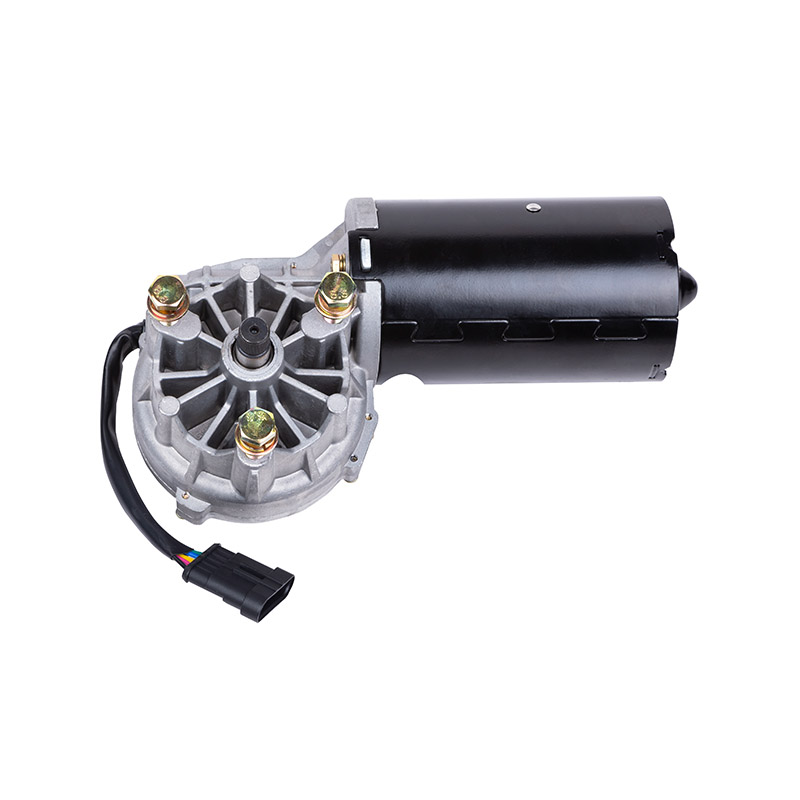
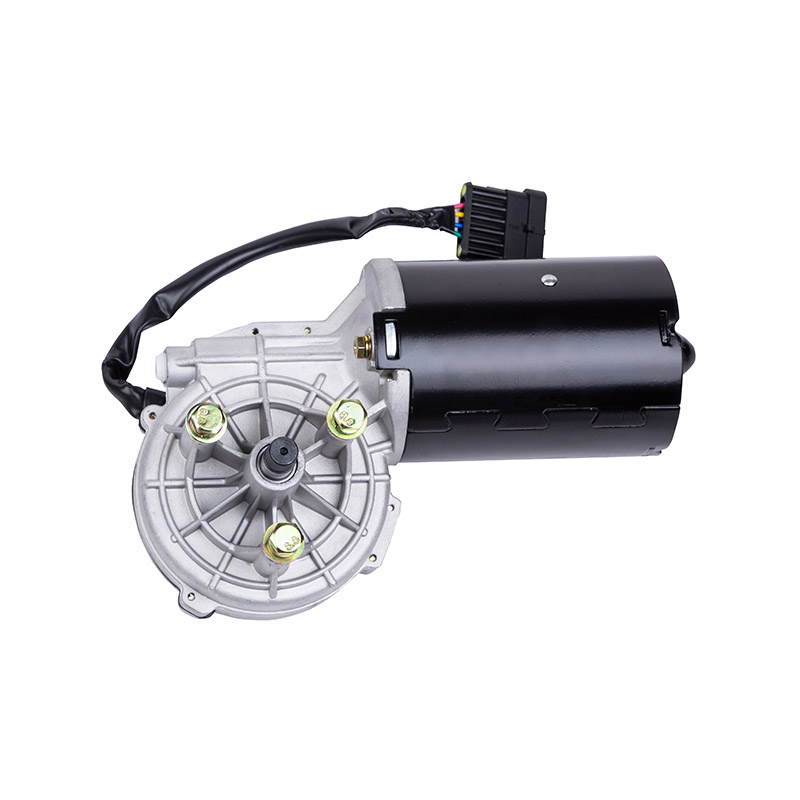
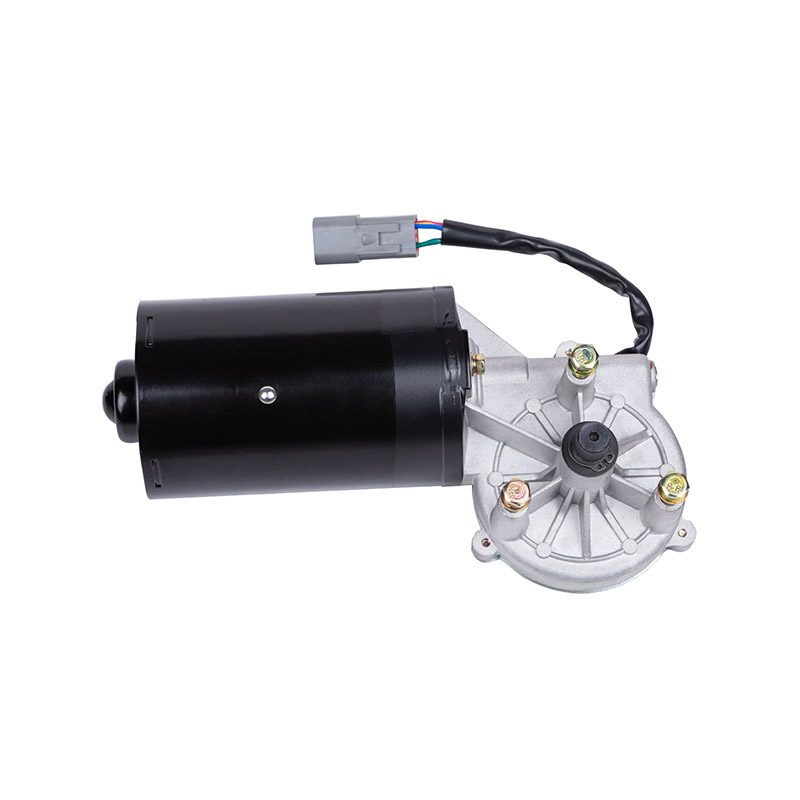
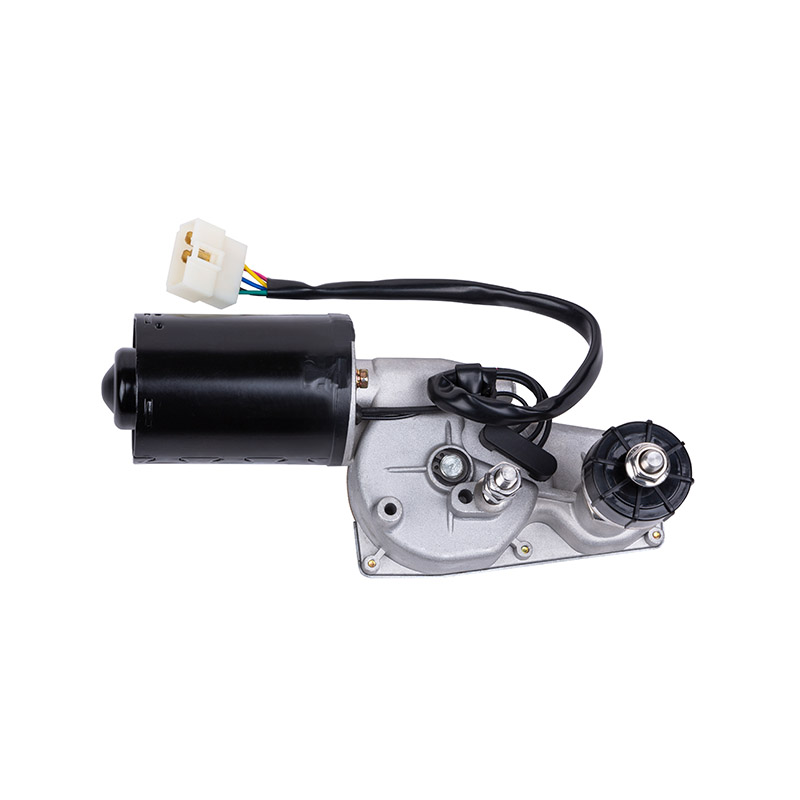
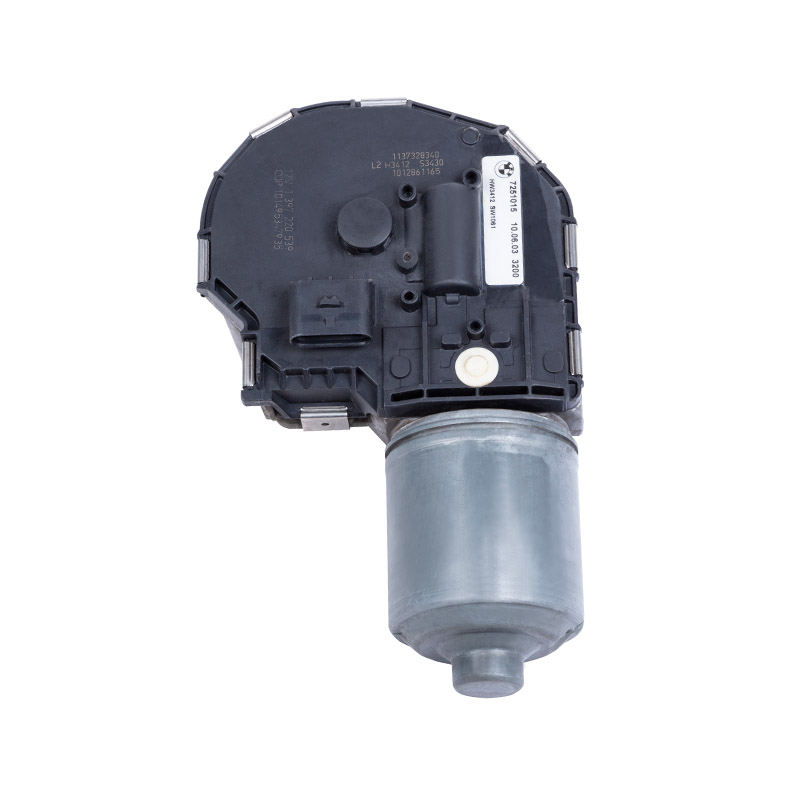
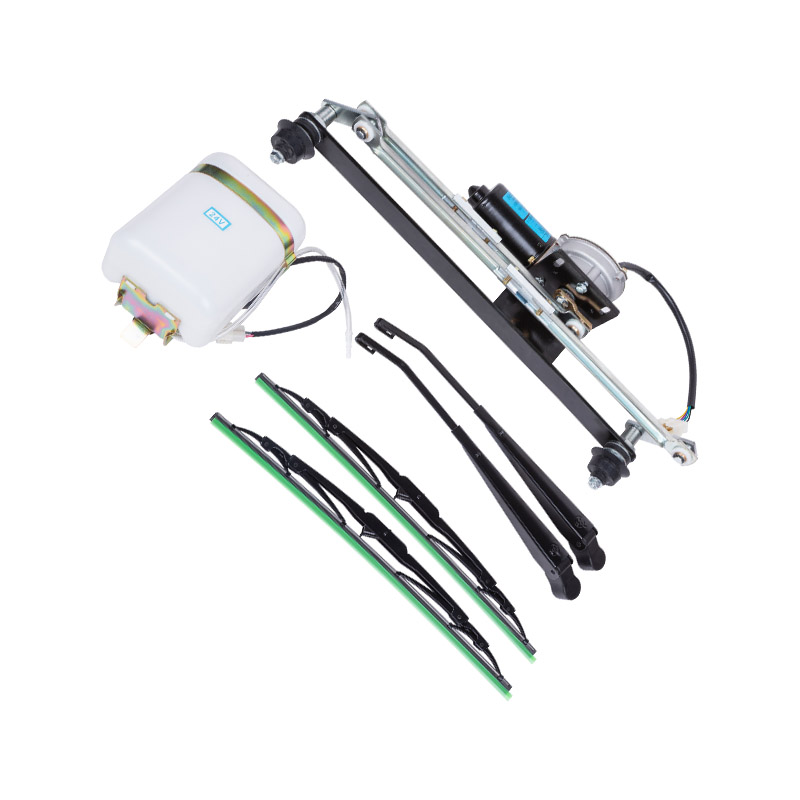
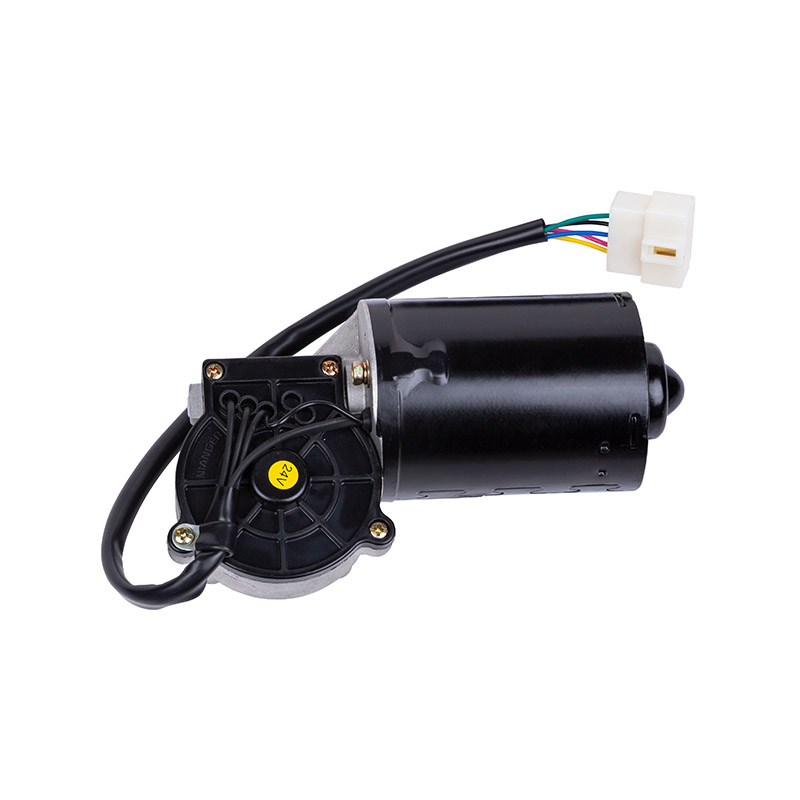
 Light rain rarely falls in a uniform pattern. Instead, it often shifts between mist, drizzle, and intermittent droplets, creating a constantly changing visibility condition for drivers. In such situations, systems like the Bus Wiper Motor and Wiper Motor With Rain Sensor play a practical role in adjusting wiping behavior without requiring manual input. Rather than relying on fixed-speed settings, these systems are designed to interpret subtle environmental changes and respond accordingly, helping maintain a consistent field of view during operation.
From Signal to Motion: How the Motor Adjusts Wiping Speed
Once the rain sensor identifies a change in moisture level, it sends signals to the control unit, which then determines how the wiper motor should respond. The Wiper Motor With Rain Sensor does not simply switch between “on” and “off.” Instead, it adjusts the wiping interval or speed based on signal intensity.
In light rain conditions, the system often selects intermittent wiping modes. As droplet density increases slightly, the intervals shorten. If the rain decreases again, the system extends the pause between wipes. This continuous adjustment avoids unnecessary mechanical movement while still maintaining visibility.
For a Bus Wiper Motor, torque characteristics are also considered. Because bus windshields are larger and may experience uneven water distribution, the motor must maintain stable movement even when resistance varies across the glass surface. Smooth transitions between speeds help reduce mechanical stress and improve long-term usability.
Why Light Rain Is More Complex Than Heavy Rain
Heavy rain presents a straightforward scenario: large volumes of water require continuous wiping at higher speeds. Light rain, however, introduces variability. Droplets may accumulate slowly, evaporate due to airflow, or be displaced unevenly by vehicle motion.
This variability creates several challenges:
Intermittent visibility obstruction rather than constant blockage
Uneven droplet distribution across different windshield zones
Frequent transitions between dry and wet states
A system without adaptive control would either over-wipe or underperform in such conditions. The integration of rain sensors allows the system to respond dynamically, adjusting in real time rather than relying on driver intervention.
Key Factors That Influence Sensor Response
Several external and design-related factors affect how accurately the system responds to light rain variations:
- Windshield condition: Dirt, oil films, or scratches can alter light reflection and affect sensor readings
- Glass curvature and size: Larger surfaces, such as those in buses, may show inconsistent water patterns
- Vehicle speed: Airflow can disperse droplets, temporarily reducing detectable moisture
- Ambient light conditions: Although many sensors compensate for this, extreme lighting changes may still have minor effects
- Wiper blade condition: Worn blades may leave streaks, which can be misinterpreted as moisture
- Understanding these factors helps users and maintenance teams better interpret system behavior and identify when adjustments or servicing may be needed.
Practical Differences Between Standard and Sensor-Based Systems
To better illustrate how sensor-equipped systems compare with conventional setups, the following table outlines key distinctions:
|
Feature |
Standard Wiper System |
Sensor-Based Wiper System |
|
Operation Mode |
Manual or fixed interval |
Automatic with variable response |
|
Response to Light Rain |
Limited adjustment |
Continuous adaptation |
|
Driver Involvement |
Frequent manual control |
Reduced manual input |
|
Sensitivity to Moisture Changes |
Low |
Moderate to high (adjustable) |
|
Suitability for Large Windshields |
Moderate |
More adaptable for varying conditions |
FAQ: Common Questions About Rain-Sensing Wiper Motors
- Why do wipers sometimes activate without visible rain?
This can happen when the sensor detects moisture-like patterns caused by dirt, condensation, or residue on the windshield. Cleaning the sensor area usually helps reduce this issue.
- Can light rain cause delayed wiper activation?
Yes, if the droplet size or density is below the sensor’s threshold, there may be a short delay before activation. Adjusting sensitivity settings can help improve responsiveness.
- Does vehicle speed affect how the system behaves?
At higher speeds, airflow may disperse droplets, temporarily reducing sensor input. The system may adjust wiping frequency accordingly.
- Are these systems suitable for large vehicles like buses?
They are commonly used in buses, but the system design must account for larger windshield areas and varying water distribution patterns.
- What happens if the sensor fails?
In many cases, the system can revert to manual control, allowing the wiper motor to function like a standard setup.
- How often should the system be inspected?
Routine inspection during regular vehicle maintenance is generally sufficient, especially focusing on the sensor area and wiper components.