

 English
  Español
  русский
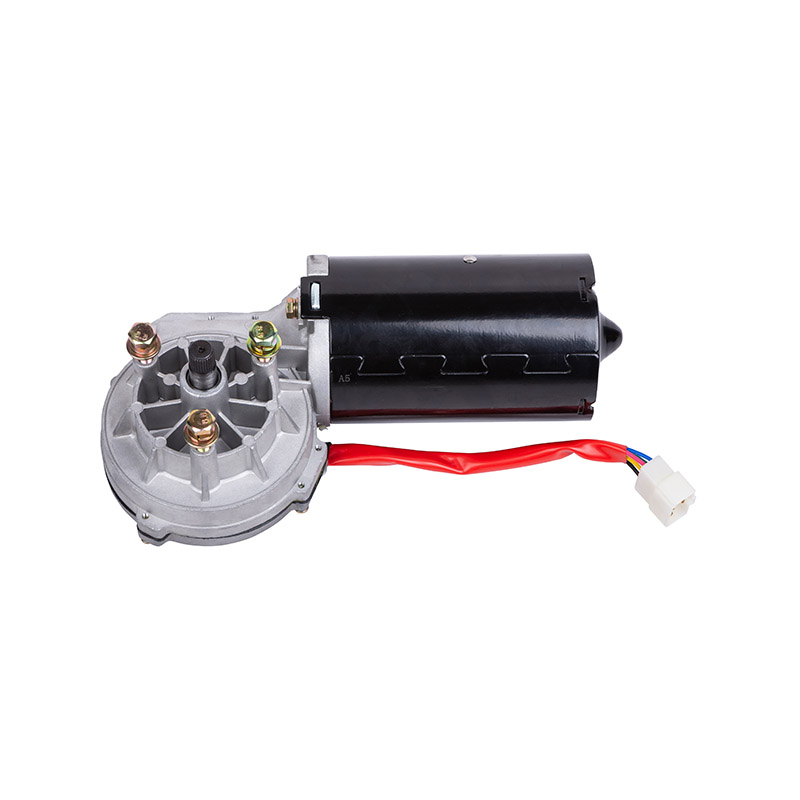
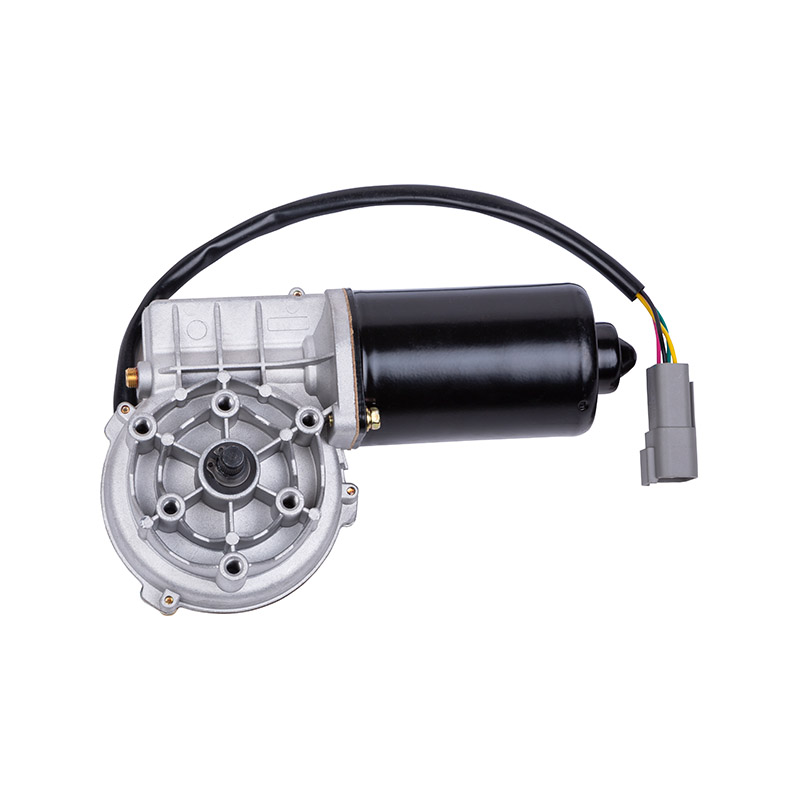
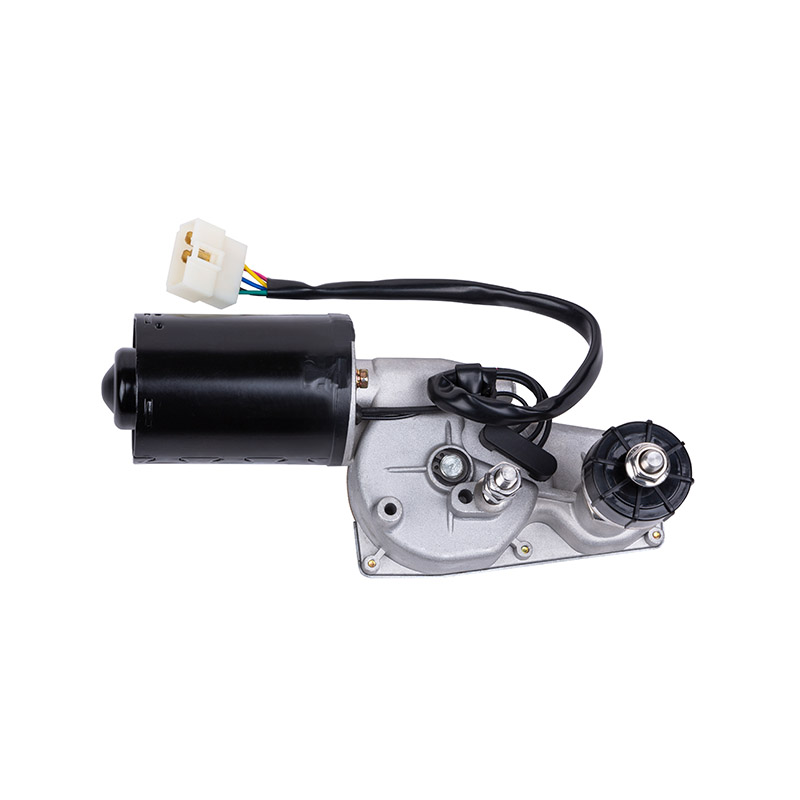
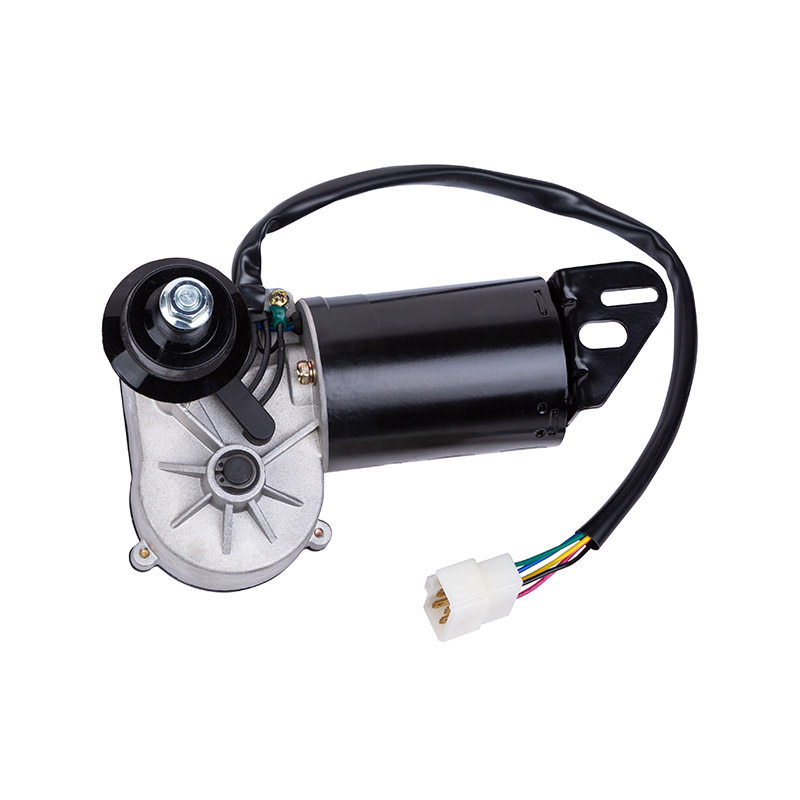
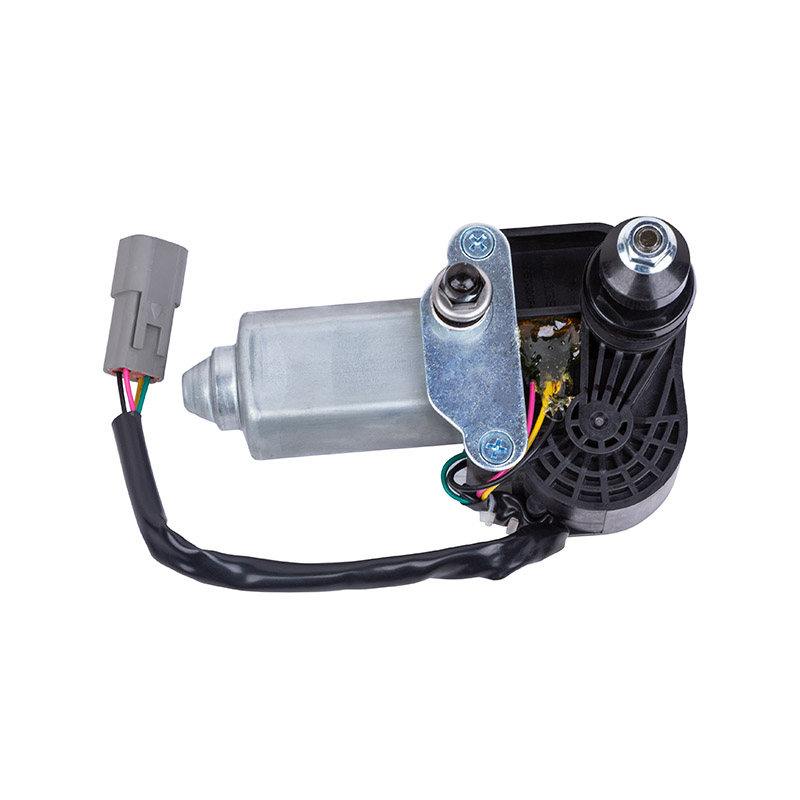
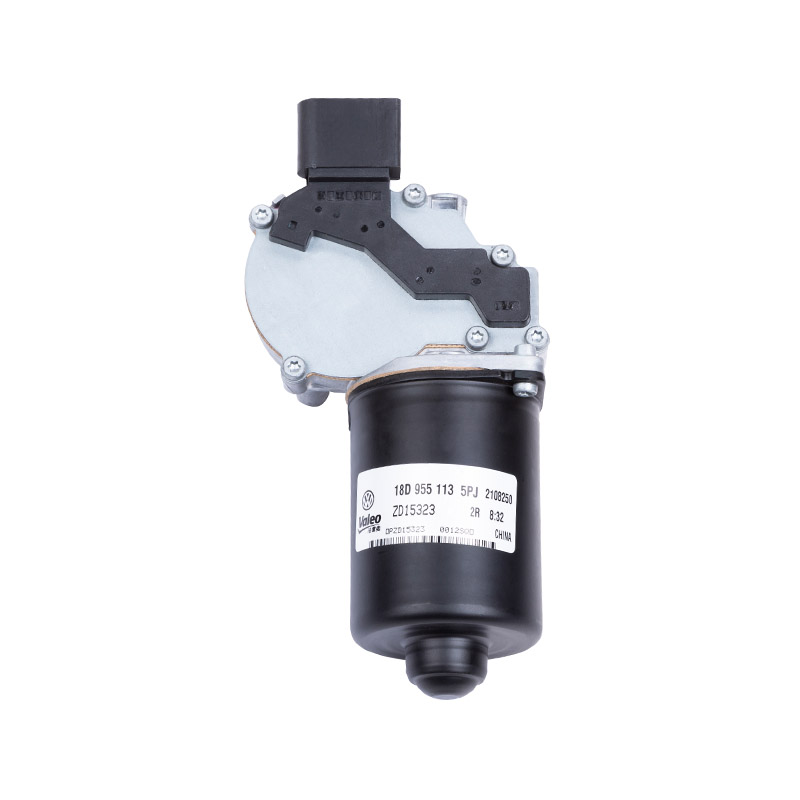
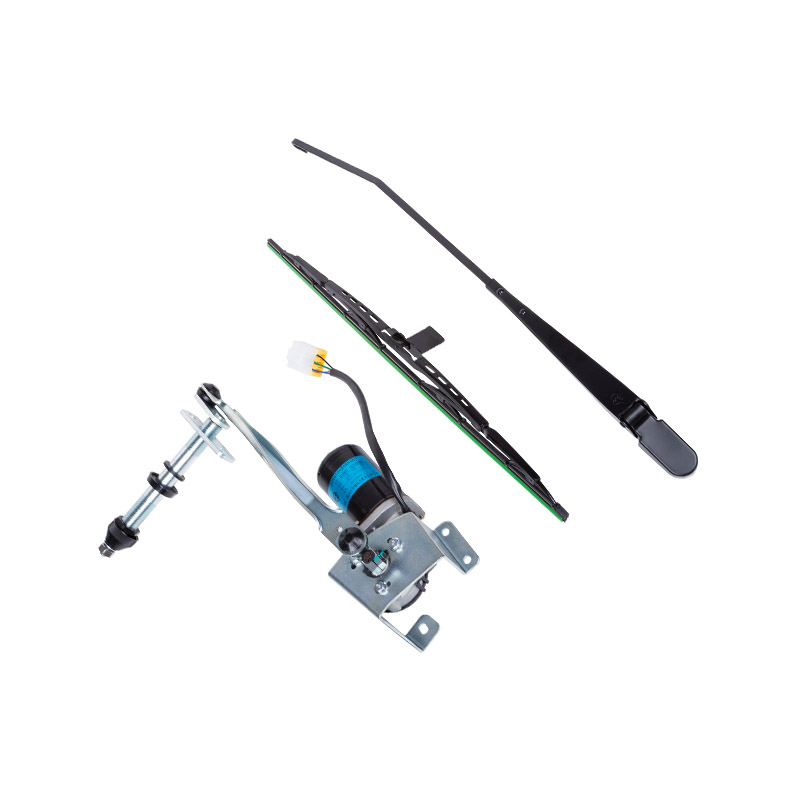
 Energy use in a wiping system is shaped by more than motor power rating alone. A Synchronous Motor working together with a Stainless Wiper Accessory forms a mechanical and electrical combination that directly affects how smoothly energy is converted into controlled blade movement. When rotational speed, torque transmission, and structural resistance remain stable, the system can operate with fewer unnecessary losses.
The Relationship Between Motor Design and Power Consumption
A Synchronous Motor rotates at a speed determined by the frequency of the electrical supply. Because its rotor moves in step with that frequency, rotational speed remains stable under normal operating loads. This predictable behavior has a direct influence on energy use.
In wiping systems driven by motors that experience frequent speed variation, electrical input may fluctuate as the motor compensates for load changes. Acceleration and deceleration cycles can increase current draw. By contrast, synchronized rotation reduces irregular speed shifts, helping maintain a steadier power profile during operation.
Energy efficiency in this context does not simply mean lower wattage; it refers to how effectively electrical input is converted into useful mechanical motion. When rotation is consistent, less energy is spent correcting speed instability. The motor maintains steady angular velocity rather than constantly adjusting to maintain sweep rhythm.
Mechanical stability also plays a role. If the structural system introduces unnecessary friction, even a synchronized motor may draw more current to overcome resistance. This is where corrosion-resistant components contribute to maintaining balanced load conditions.
Reduced Reactive Losses Through Stable Speed Control
One of the technical characteristics of a Synchronous Motor is its ability to operate with controlled power factor behavior under designed conditions. Because rotor speed matches supply frequency, reactive losses related to slip can be reduced compared to certain other motor types.
In wiping applications, this stability contributes to more predictable electrical performance. When speed remains constant, the motor does not repeatedly compensate for load-induced slip. This helps avoid irregular spikes in current draw during steady wiping cycles.
For example, during light rain conditions where wiping resistance remains relatively stable, synchronized rotation ensures that the energy input corresponds closely to mechanical output. The motor does not waste energy accelerating beyond the required speed or compensating for significant rotational lag.
Although the overall power savings depend on system design, steady rotational control forms a foundation for consistent energy use rather than fluctuating consumption patterns.
How Mechanical Resistance Influences Energy Demand
Energy efficiency cannot be evaluated without considering mechanical resistance. Even a well-designed motor may consume additional power if linkages, pivots, or mounting brackets introduce uneven friction.
A Stainless Wiper Accessory supports energy efficiency by maintaining smooth mechanical transmission. Stainless materials resist corrosion that would otherwise roughen surfaces or cause binding at pivot joints. Reduced surface degradation helps maintain consistent friction levels across the sweep cycle.
When friction remains stable:
- The motor operates under predictable torque demand
- Current draw does not spike due to sudden resistance changes
- Heat generation from excess load is reduced
- Mechanical wear progresses at a steadier rate
These factors contribute to maintaining steady energy input rather than irregular peaks caused by structural instability. In outdoor environments exposed to moisture or salt, stainless components help prevent rust-related resistance that could otherwise increase motor load.
Balanced mechanical conditions allow the motor to function within its intended operating range without compensating for structural irregularities.
Continuous Operation and Long-Term Energy Behavior
Many wiping systems operate intermittently, but some applications require extended or continuous operation. During prolonged use, even small inefficiencies can accumulate into noticeable differences in energy consumption.
A Synchronous Motor maintains rotational consistency across long operating periods, provided the electrical supply remains stable. Because speed does not drift significantly, the energy required for each sweep cycle remains consistent over time. This helps avoid gradual increases in consumption that can occur when motors experience speed variation or increased slip under load.
Structural durability supports this long-term stability. Stainless hardware resists environmental degradation that might otherwise introduce uneven resistance after months of exposure. If pivot joints corrode or mounting brackets loosen, the motor may require additional torque to maintain motion. By reducing these changes, stainless components indirectly support steady energy use across the lifespan of the system.
For users concerned with operational costs in fleet vehicles, marine equipment, or industrial enclosures, stable energy behavior simplifies planning and reduces the likelihood of unexpected electrical demand increases.