

 English
  Español
  русский
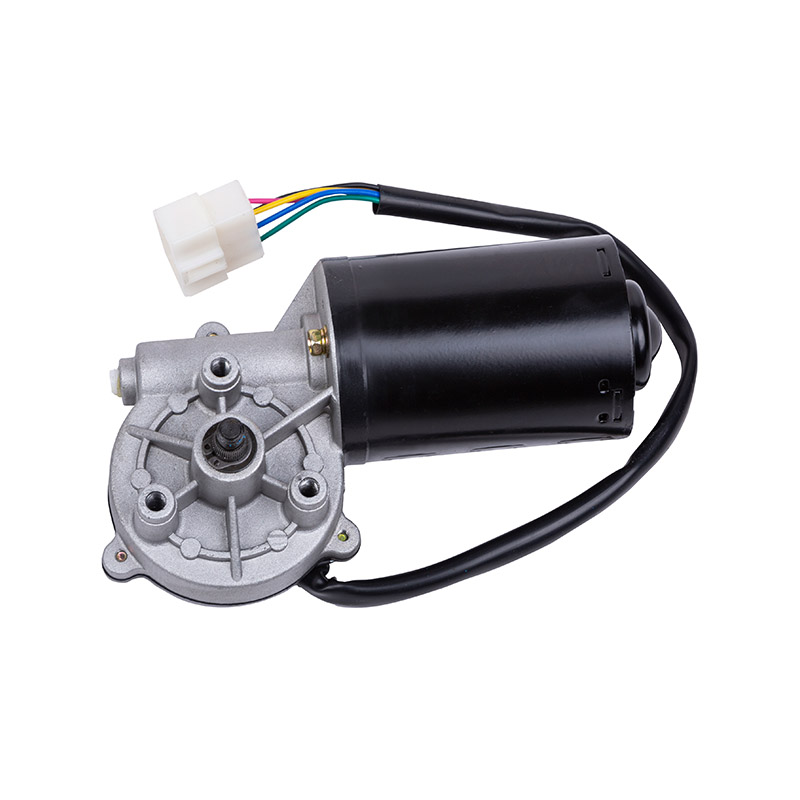
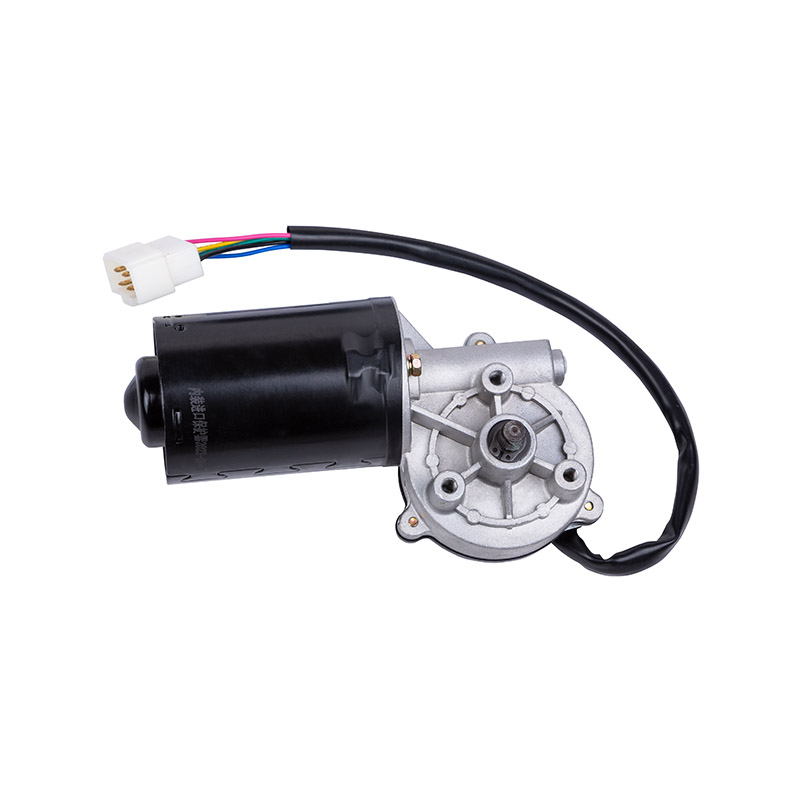
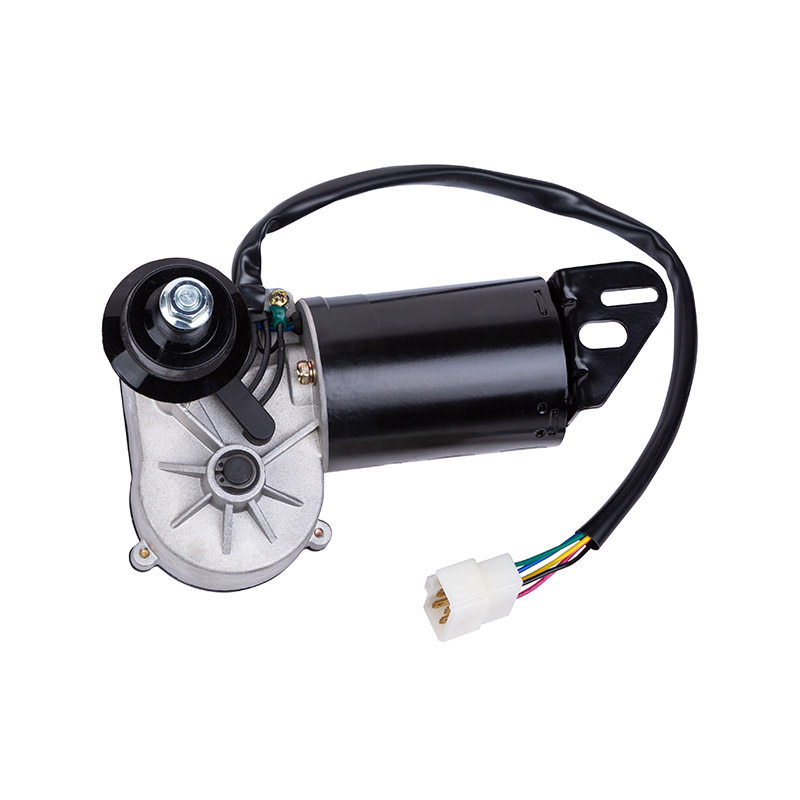
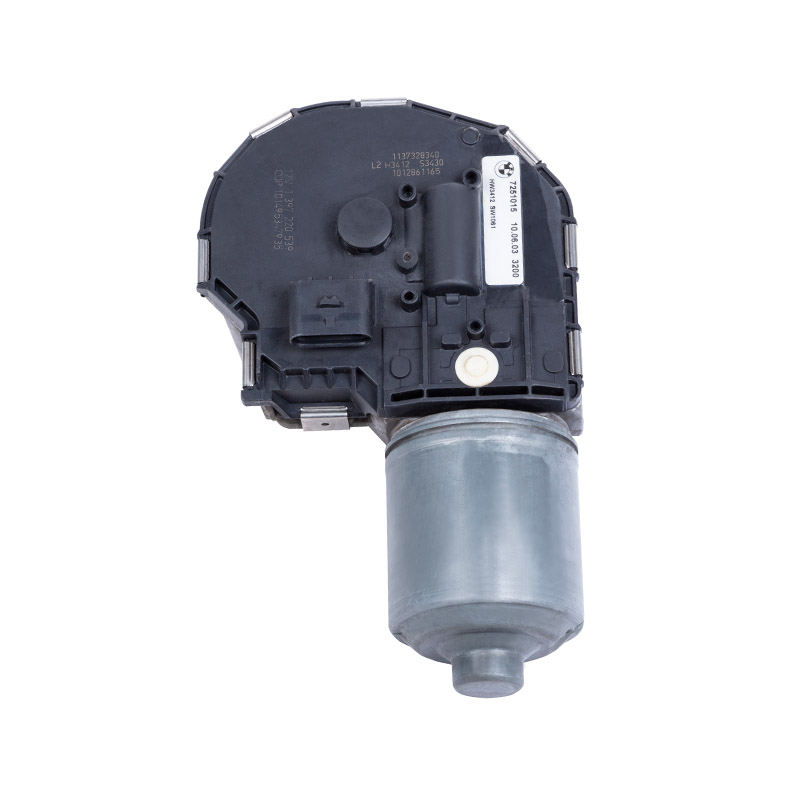
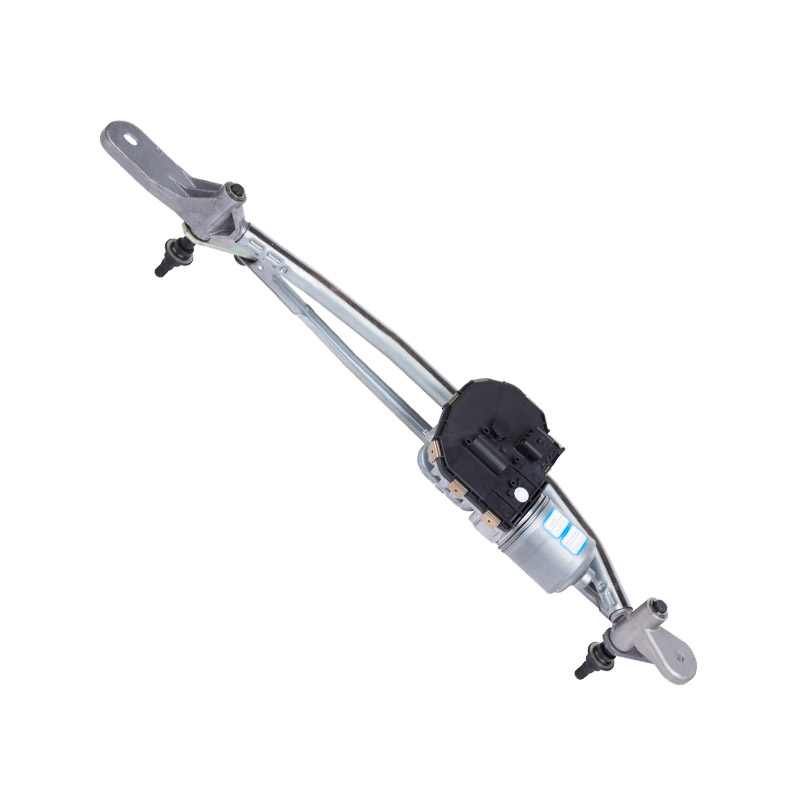
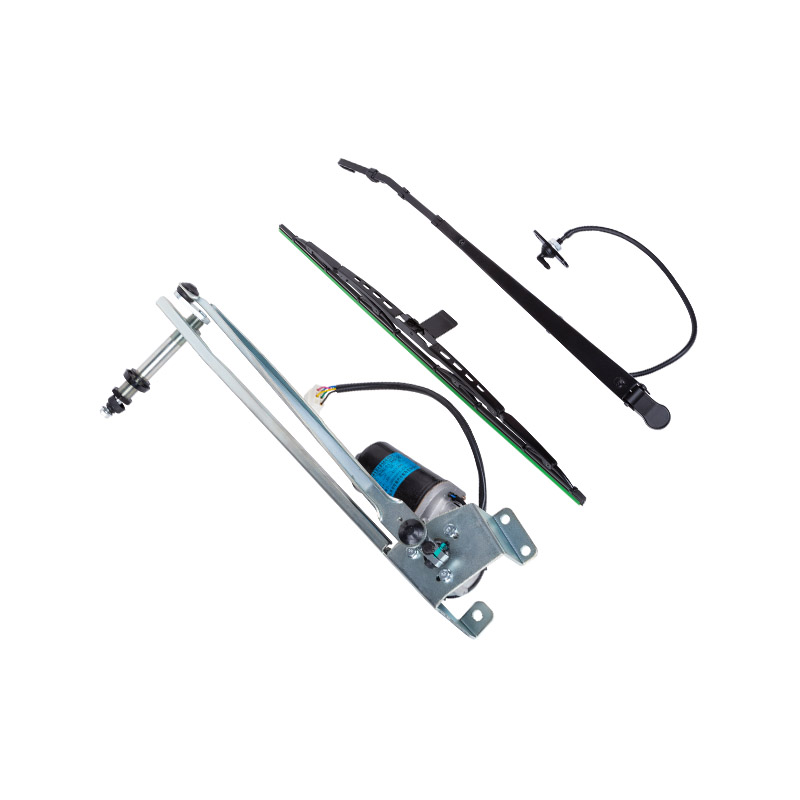
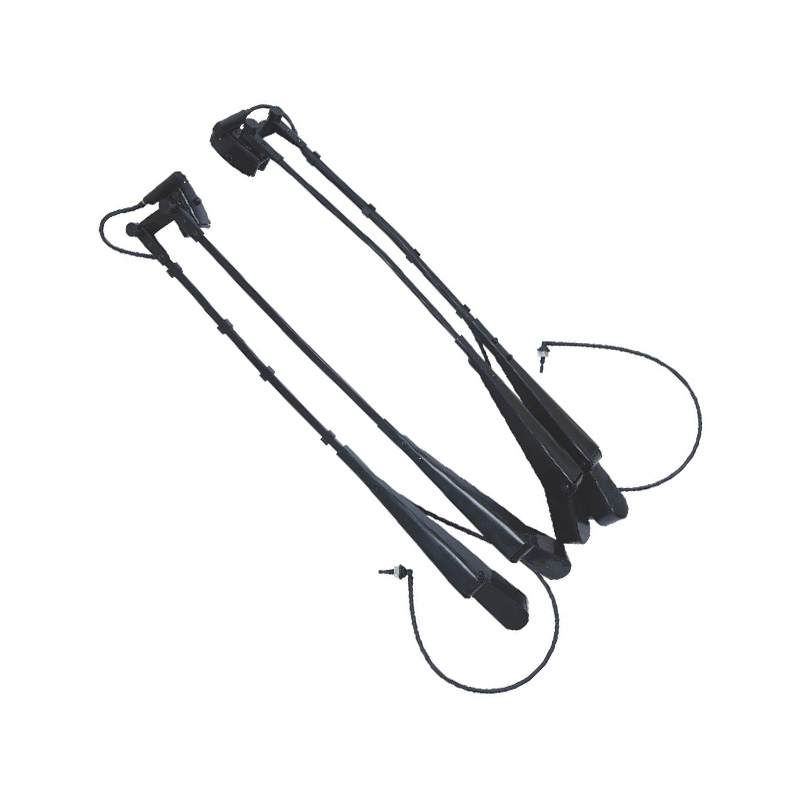
 Uneven wiper movement often appears as shaking, inconsistent sweep speed, incomplete return strokes, or irregular stopping positions. These issues are not always caused by the blade itself. In many systems, movement stability depends on how a Synchronous Motor interacts with the mechanical structure, including the Stainless Wiper Accessory that supports linkage, mounting, and blade attachment. When electrical rotation and structural components are properly matched, irregular motion can be significantly reduced.
Why Uneven Wiper Movement Occurs in the place?
Before discussing solutions, it is important to identify the common sources of uneven motion. Wiper instability typically results from variations in rotational speed, inconsistent torque output, mechanical misalignment, or fluctuating resistance at pivot points.
In conventional motor systems, rotational speed may change slightly when load conditions vary. For example, when the blade encounters heavier water buildup or increased wind resistance, the motor can slow down momentarily. Over repeated cycles, these small variations create visible irregularities in sweep timing.
Mechanical factors also contribute. If mounting brackets flex, pivot joints corrode, or linkage arms shift, the motion transferred from the motor becomes inconsistent. Even if the motor rotates smoothly, structural instability can cause uneven blade travel across the glass surface.
Addressing uneven movement therefore requires attention to both the motor’s rotational behavior and the durability of supporting components.
How Synchronous Rotation Supports Stable Sweep Speed
A Synchronous Motor operates at a speed directly tied to the frequency of its power supply. This characteristic allows it to maintain consistent rotational speed under typical operating loads, provided the system is properly designed. Because the rotor turns in step with the electrical frequency, sweep cycles follow a predictable timing pattern.
This consistent rotation helps reduce speed fluctuations during wiping. When resistance changes moderately—such as during light rain or surface debris—the motor maintains steady motion instead of noticeably slowing or accelerating. Stable rotational speed contributes to smoother transitions at direction changes, especially at the ends of each sweep arc.
Uneven wiping often becomes visible at reversal points, where the blade changes direction. If motor speed varies during these transitions, the blade may jerk or pause briefly. Synchronous drive systems support smoother directional changes because angular displacement per electrical cycle remains steady.
However, electrical stability alone cannot eliminate uneven movement if mechanical transmission is compromised. This is where stainless structural components contribute to overall system performance.
Structural Reinforcement and Motion Consistency
The movement generated by the motor must pass through linkage arms, pivots, and mounting brackets before reaching the blade. If these components lack rigidity or suffer from corrosion, uneven motion may still occur even when motor speed is steady.
A Stainless Wiper Accessory adds structural stability in several practical ways:
- Maintains alignment between motor shaft and linkage
- Reduces deformation in arm structures under repeated cycles
- Resists corrosion at pivot joints exposed to moisture
- Limits vibration transfer from mounting surfaces
Corrosion resistance is particularly important. Rust buildup can increase friction unevenly at certain points in the sweep path. This creates localized resistance that disrupts otherwise smooth motor rotation. Stainless materials help prevent such irregular friction zones, supporting more uniform motion across the entire cycle.
Load Distribution and Balanced Torque Transmission
Uneven wiper movement is often linked to uneven torque distribution. When mechanical resistance varies across the sweep path, torque demand fluctuates. If the motor cannot respond smoothly, the blade may move faster in one section and slower in another.
A Synchronous Motor maintains consistent rotational speed when operating within its designed load range. When paired with structurally stable stainless accessories, the system experiences fewer sudden resistance spikes. Balanced load conditions allow the motor to operate with less variation in torque output.
For example, in outdoor applications such as marine equipment or agricultural machinery, exposure to salt spray and dust can increase joint friction over time. Stainless components reduce the likelihood of surface degradation that would otherwise create uneven resistance.