

 English
  Español
  русский
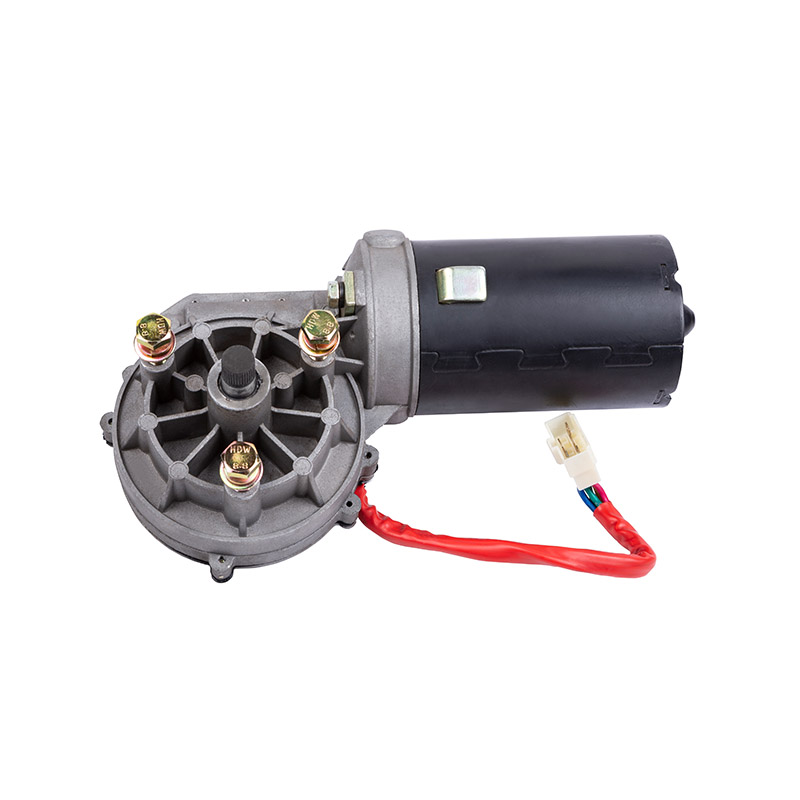
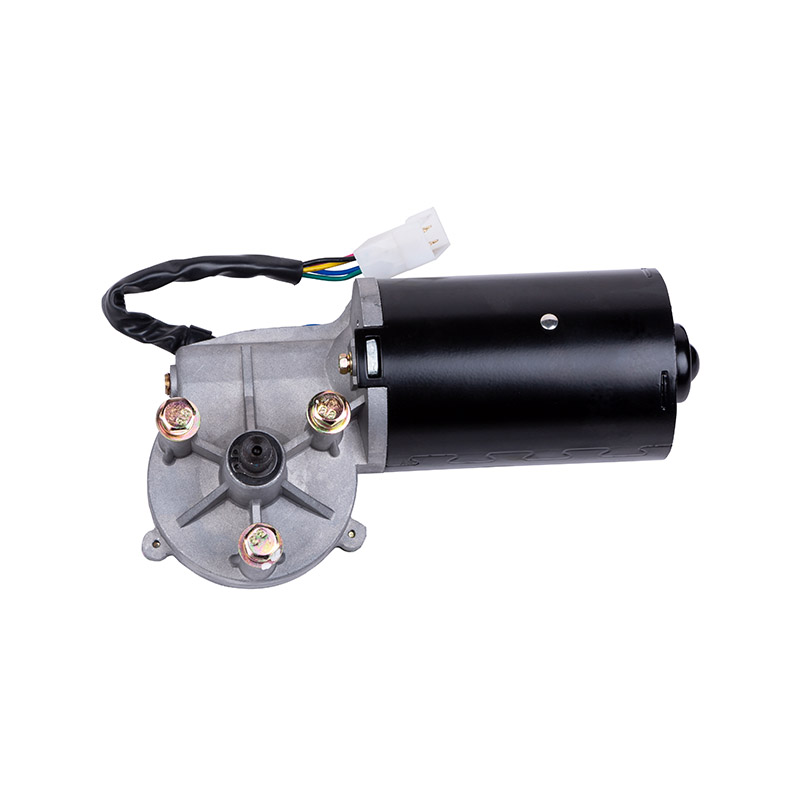
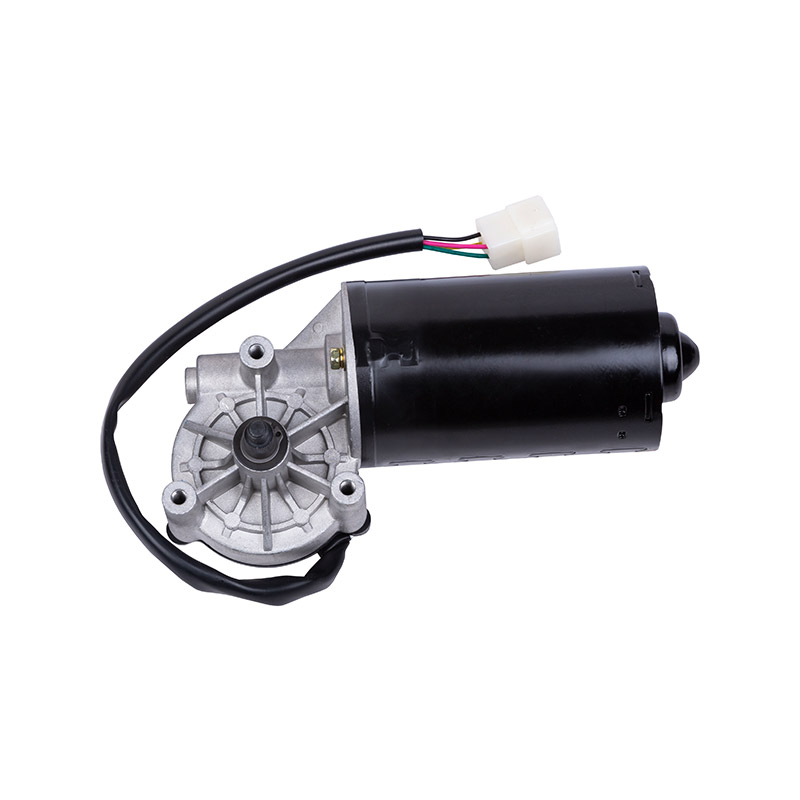
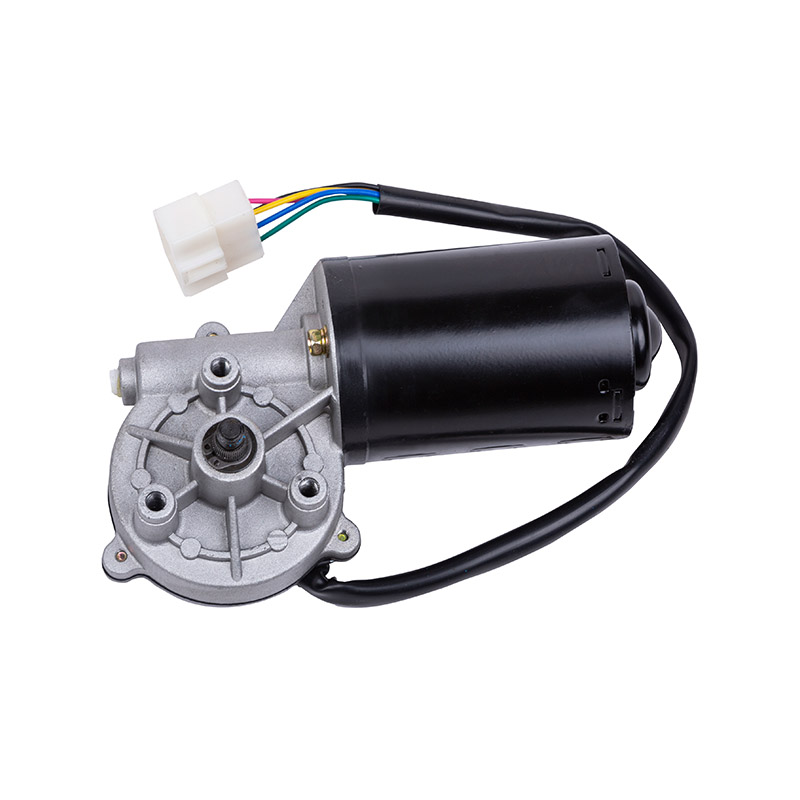
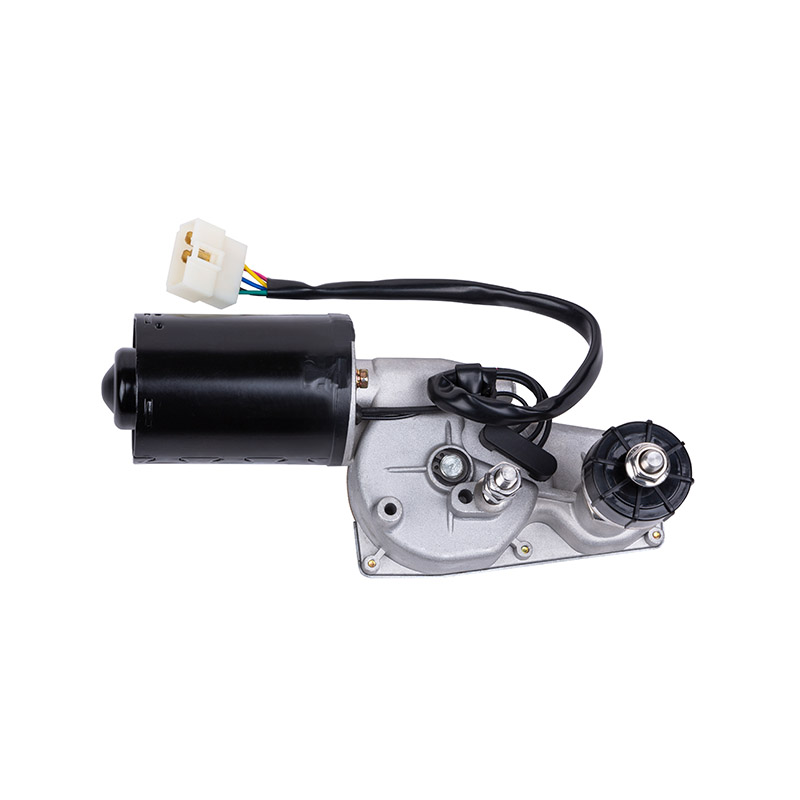
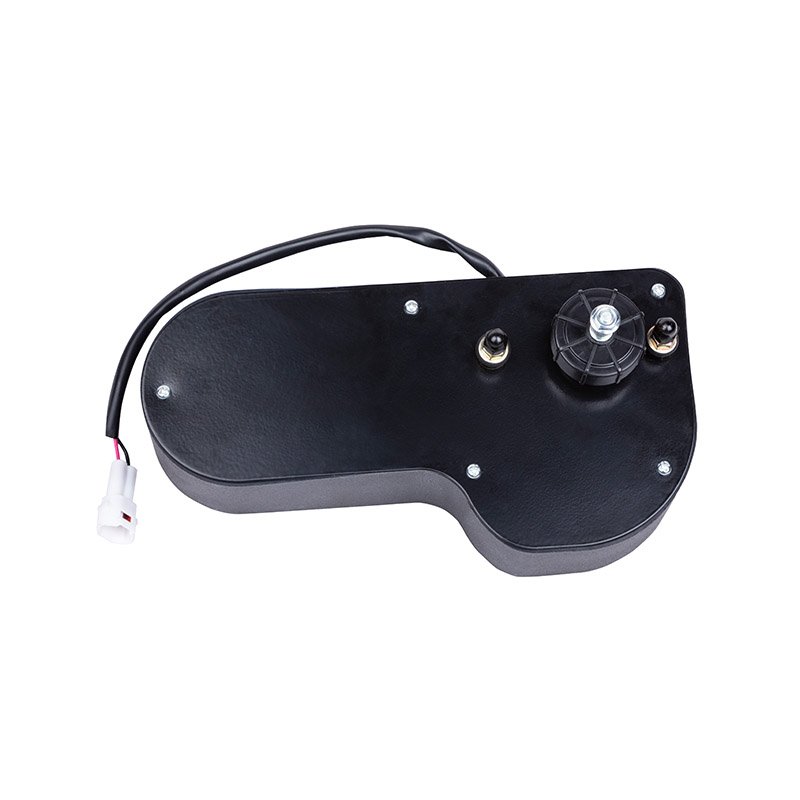
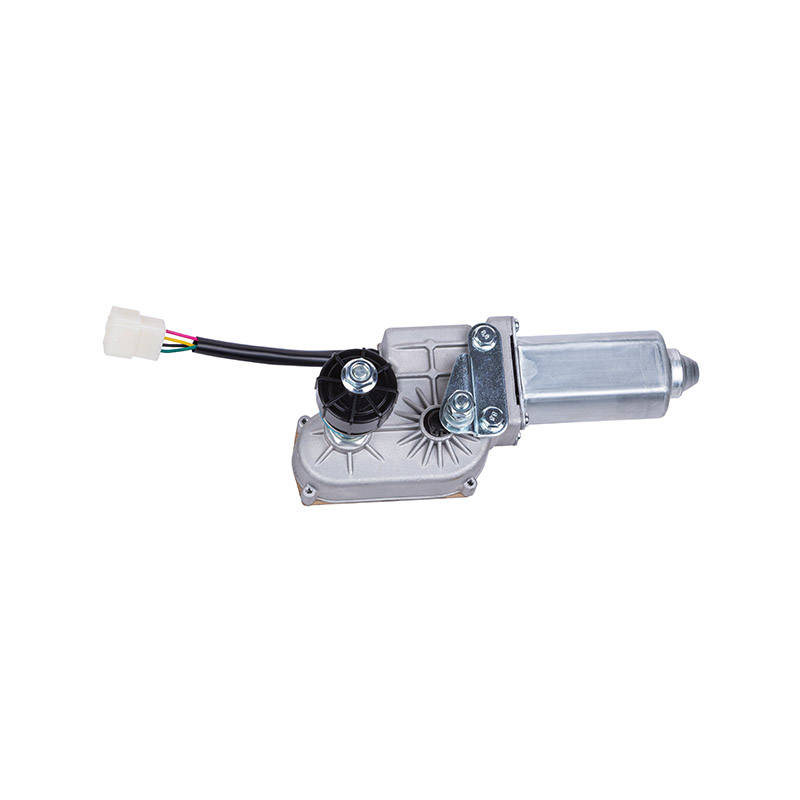
 Accurate wiping cycles depend on coordinated mechanical and electrical control. In many engineered wiping systems, a Synchronous Motor works together with a Stainless Wiper Accessory to maintain stable movement, consistent sweep intervals, and controlled stopping positions. When timing precision matters—whether for vehicle windshields, marine equipment windows, or industrial viewing panels—the motor type plays a central role in how consistently the wiper operates.
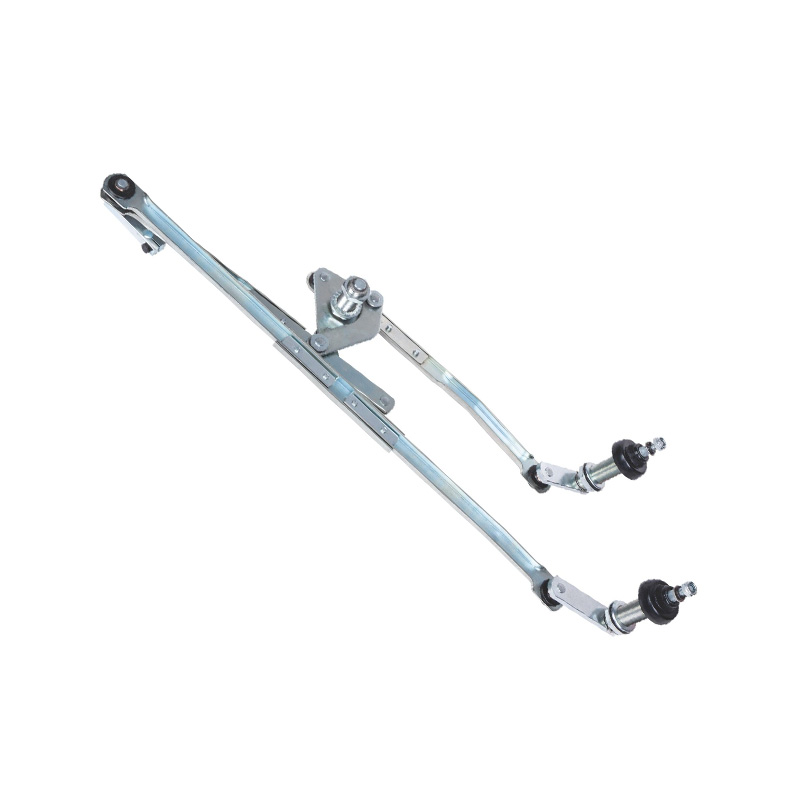
What Makes Synchronous Rotation Different from Other Drive Methods
A Synchronous Motor operates at a speed directly related to the frequency of the supplied electrical power. Unlike asynchronous or brushed motor systems that may experience slight speed variations under load, synchronous designs rotate in step with the input frequency. This predictable speed characteristic forms the basis of improved timing control in wiping systems.
When applied to a wiper assembly, this consistent rotational behavior means that each sweep cycle follows a stable time interval. If the power supply frequency remains steady, the motor’s rotational speed does not fluctuate significantly due to moderate mechanical load changes. For wiping applications that require regular intervals—such as timed intermittent sweeps—this characteristic supports consistent cycle repetition.
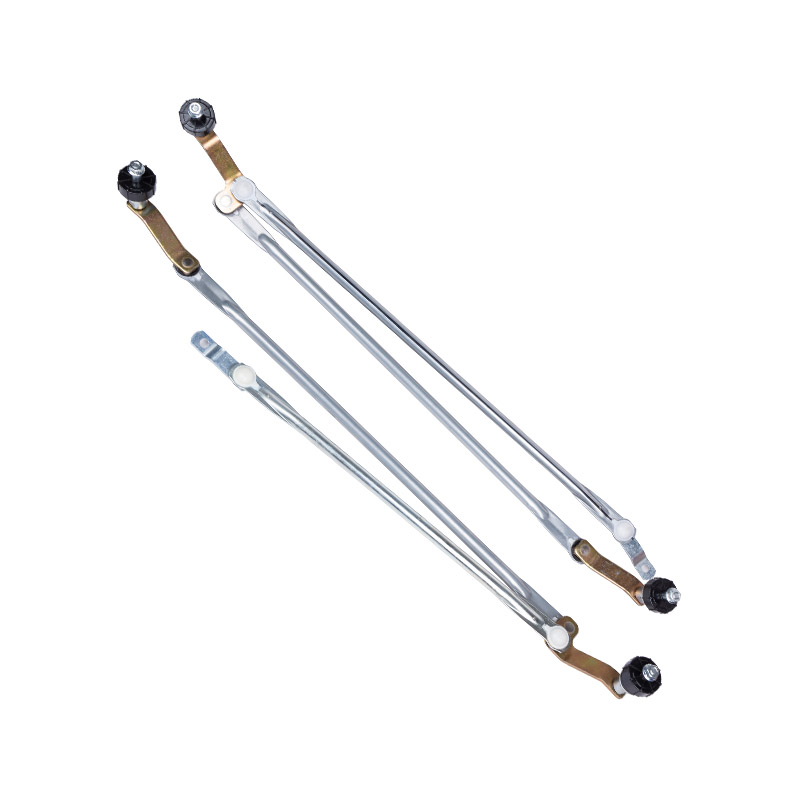
Mechanical resistance can still influence overall performance, which is why structural components such as a Stainless Wiper Accessory play a supportive role. When linkages and mounting structures remain rigid and corrosion-resistant, they reduce unexpected drag that might otherwise disturb timing consistency.
In systems using synchronous drive technology, timing accuracy is therefore not achieved through complex electronics alone but through predictable mechanical and electrical coordination.
Consistent Sweep Intervals Under Variable Environmental Conditions
Environmental factors such as rain intensity, dust accumulation, or wind pressure can alter the mechanical resistance experienced by a wiper blade.
A Synchronous Motor maintains rotational speed in line with electrical frequency, which helps keep sweep intervals steady even when moderate load variations occur. This stability becomes particularly useful in applications where visual monitoring depends on rhythmic clearing patterns, such as surveillance windows or control cabin panels.
When paired with stainless structural components, the system benefits from reduced mechanical interference. Stainless hardware resists corrosion and deformation, helping preserve smooth linkage movement. Stable mechanical transmission ensures that synchronized motor rotation translates directly into consistent blade motion rather than being partially absorbed by shifting joints.
Over extended use, consistent timing reduces uneven blade wear. When sweep intervals remain uniform, contact pressure distribution across the glass surface tends to stay balanced, contributing to predictable wiping behavior rather than irregular motion patterns.
Controlled Start and Stop Positioning
Timing accuracy is not limited to the duration of each sweep; it also includes the ability to return the blade to a defined resting position. A Synchronous Motor supports this by maintaining predictable angular displacement per electrical cycle. When integrated with appropriate gearing or linkage design, the blade can stop at consistent park positions.
Irregular stopping points often occur when motors decelerate inconsistently or when mechanical backlash develops in the linkage. Stainless Wiper Accessory components help reduce this backlash by maintaining firm connections at pivot joints and mounting interfaces. Reduced structural play supports more repeatable stop positions after each operating cycle.
Accurate parking is particularly important in:
Vehicle applications where the blade must remain outside the driver’s primary field of vision
Marine systems where equipment space is limited
Industrial panels where obstruction of viewing areas can interfere with monitoring tasks
Automated systems with timed wipe-and-rest cycles
When start and stop positions remain stable over time, operators spend less effort adjusting mechanical alignment. This contributes to consistent system behavior without frequent recalibration.
Reduced Timing Drift During Continuous Operation
Some wiping systems operate intermittently, while others run continuously during extended exposure to rain or spray. In continuous operation, even small speed variations can accumulate into noticeable timing drift. Over many cycles, this drift may shift the sweep rhythm relative to external events or coordinated equipment.
Because synchronous rotation remains tied to supply frequency, cumulative timing drift is reduced. Each full rotation corresponds to a defined number of electrical cycles, which helps maintain long-term consistency in sweep duration.
Mechanical stability also influences drift. If pivot joints loosen or corrosion increases friction unevenly, slight inconsistencies may develop in sweep endpoints. Stainless accessories provide structural support that helps preserve linkage geometry during long operation periods
For industrial or marine systems where multiple components may operate in coordination, stable wipe timing ensures predictable interaction with sensors, cameras, or monitoring routines. Rather than relying solely on software correction, mechanical and electrical synchronization work together to maintain steady timing.
How Structural Integrity Supports Timing Precision
Electrical synchronization alone does not guarantee accurate wiping cycles. Mechanical integrity plays an equally important role. Stainless Wiper Accessory components reinforce timing accuracy by maintaining stable alignment across the system.
When structural elements remain firm:
- Linkage arms transfer rotational motion without bending
- Pivot points maintain consistent angular travel
- Mounting brackets resist vibration-induced loosening
These mechanical factors ensure that the time required for each sweep corresponds closely to the motor’s rotational period. If structural parts deform or shift, effective sweep distance may change slightly, altering perceived timing even if the motor speed remains constant.