

 English
  Español
  русский
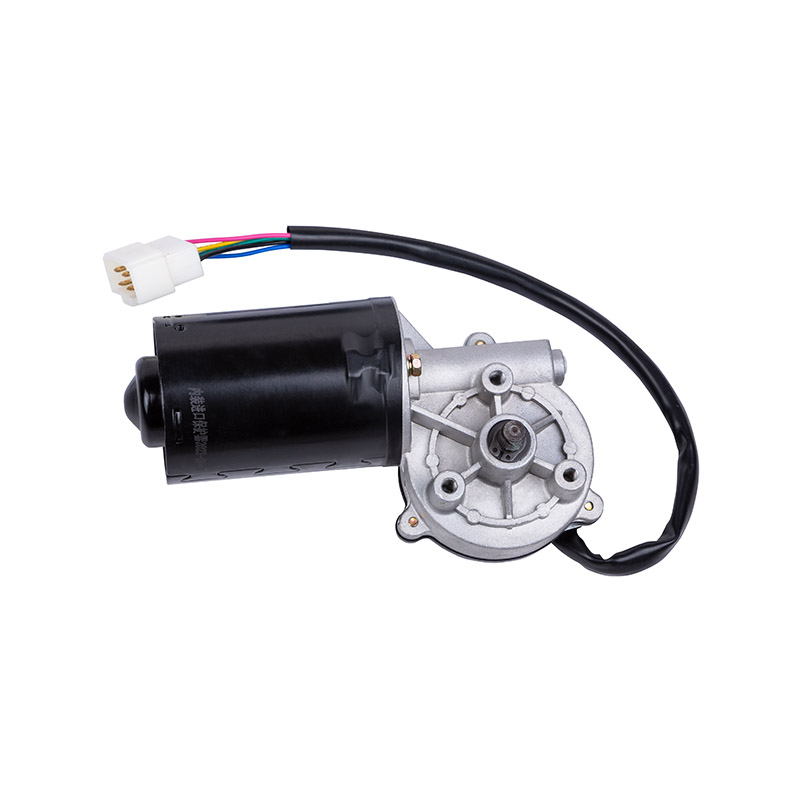
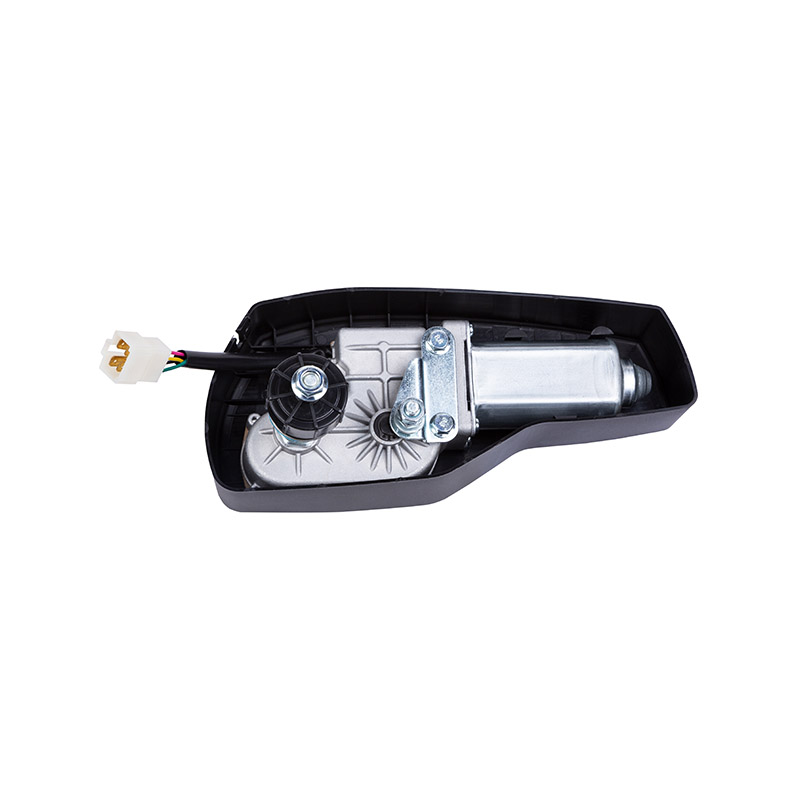
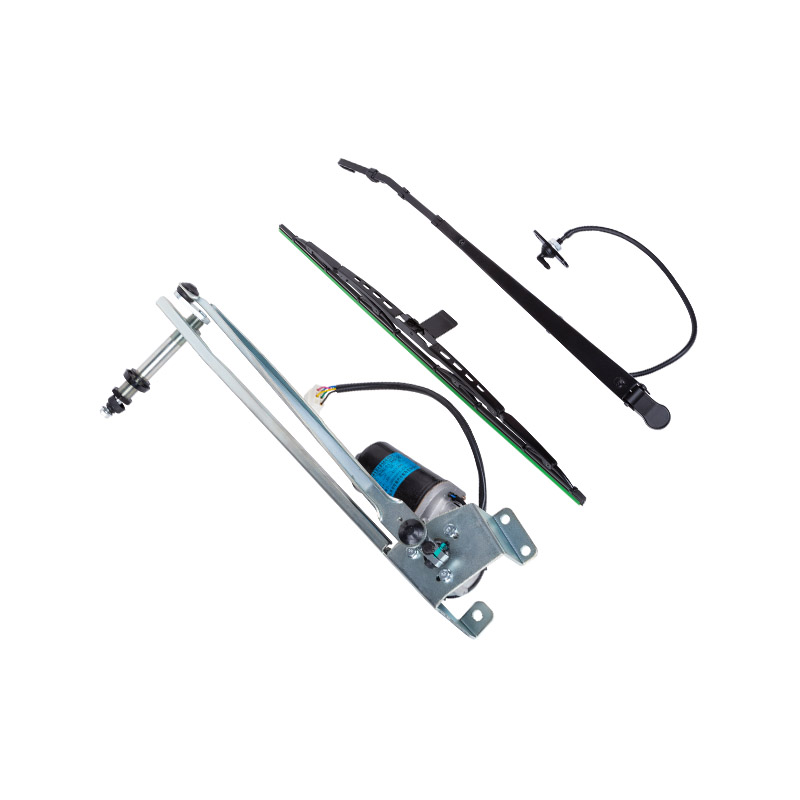
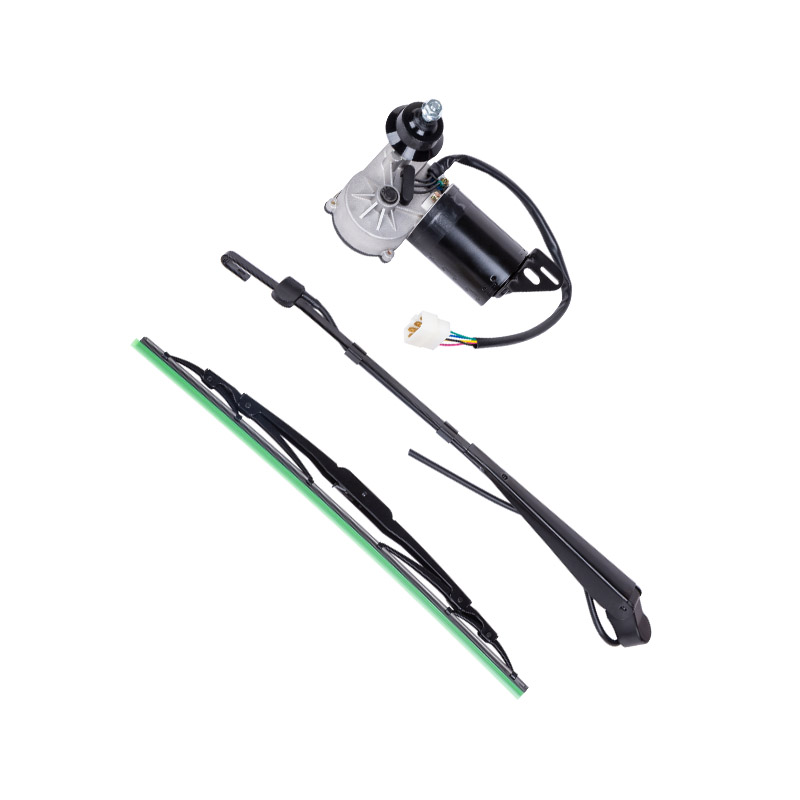
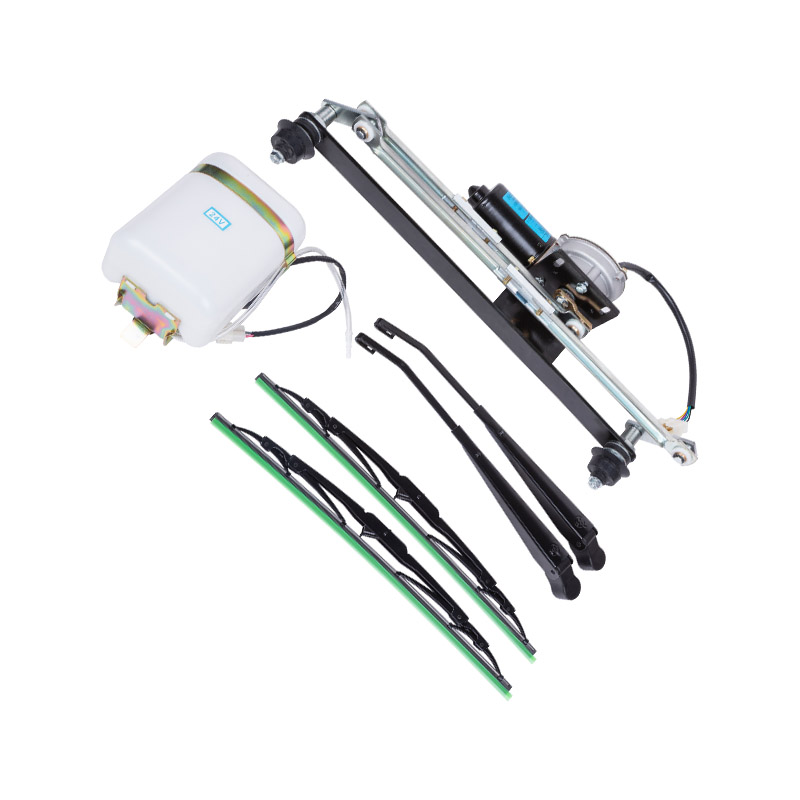
 Stable wiping performance depends on more than blade quality alone. A Synchronous Motor provides coordinated and steady rotational movement, while a Stainless Wiper Accessory supports the mechanical structure that transfers that motion to the glass surface. When both elements function together within a properly assembled system, structural stability becomes easier to maintain across different operating conditions.
Stability at the Motor-to-Linkage Connection
The connection point between the motor shaft and the wiper linkage is one of the mechanically stressed areas in any wiping system. A Synchronous Motor is designed to rotate at a constant speed based on the input frequency, which means torque is delivered in a consistent and predictable pattern. However, if the connecting hardware lacks sufficient rigidity, that steady motion can be compromised by flexing, loosening, or uneven wear.
A Stainless Wiper Accessory used in this region typically includes mounting brackets, coupling arms, or fasteners made from corrosion-resistant steel. These parts help maintain structural integrity by reducing deformation under repeated movement. Over time, materials that are prone to bending can alter the alignment between the motor shaft and the linkage arm, resulting in irregular sweep angles or vibration.
Stainless construction supports the following aspects of structural stability:
- Maintains fixed alignment between shaft and linkage
- Reduces flexing under repetitive torque cycles
- Resists corrosion that may weaken fastening points
- Supports consistent transfer of rotational motion
When this connection remains stable, the motor can operate under expected load conditions. This reduces the risk of irregular mechanical resistance that could otherwise affect the overall motion pattern. For systems operating continuously or exposed to moisture, maintaining the rigidity of this connection is especially important.
Reinforcement at Pivot and Joint Areas
Pivot points are essential for translating rotational motor movement into a sweeping arc. These joints endure repeated back-and-forth motion and are exposed to friction, environmental contaminants, and mechanical stress. If pivot hardware corrodes or wears unevenly, the entire wiping mechanism can lose stability.
Stainless steel accessories in pivot assemblies help preserve dimensional accuracy. Because stainless materials resist oxidation and surface degradation, they are less likely to develop rough or flaking surfaces that interfere with smooth articulation. When joints remain structurally sound, blade pressure across the wiping surface stays more uniform.
In systems powered by a Synchronous Motor, steady rotational timing depends on predictable mechanical resistance. If pivot joints begin to bind due to corrosion or deformation, the load on the motor may fluctuate. Stainless components reduce the likelihood of such variations by maintaining smoother movement at contact surfaces.
Structural stability at pivot points also prevents lateral play. Excessive side-to-side movement can cause uneven blade wear or intermittent glass contact. Over extended use, stable joint construction contributes to more consistent sweep patterns without requiring frequent mechanical adjustments.
Support Along the Wiper Arm Structure
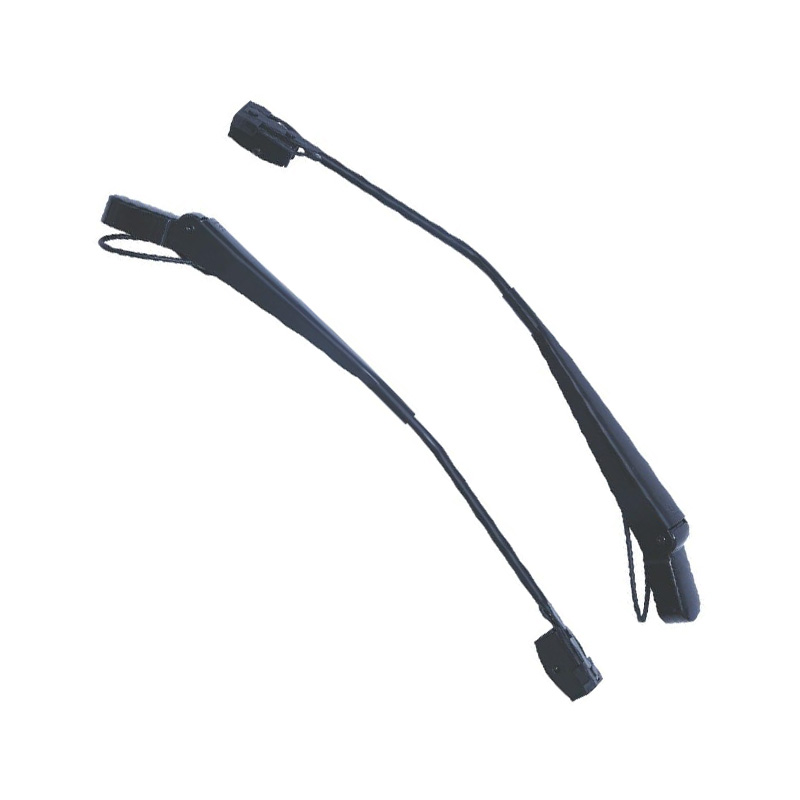
The wiper arm itself acts as the primary structural extension between the motor assembly and the blade. It must resist bending while maintaining appropriate contact pressure across the glass. Stainless Wiper Accessory components used within the arm assembly—such as reinforcing frames or attachment clips—add rigidity where stress concentration is highest.
When operating at higher speeds or under windy conditions, the arm is subjected to aerodynamic forces. Materials that lack sufficient structural strength may experience gradual deformation. Even minor bending can alter the contact angle between blade and surface, reducing cleaning consistency.
Stainless steel reinforcement helps maintain arm geometry across repeated cycles. This structural consistency ensures that the synchronized motion delivered by the motor translates into a stable and repeatable wiping arc. In applications such as marine equipment, agricultural machinery, or transport vehicles, where vibration and environmental exposure are common, reinforced arm structures play a significant role in maintaining performance continuity.
Resistance to Environmental Load and Surface Degradation
Environmental exposure often challenges structural stability more than mechanical stress alone. Rainwater, salt spray, dust, and cleaning agents can degrade untreated metals over time. When surface corrosion develops, it may reduce material thickness or compromise fastening strength.Stainless accessories add stability by resisting such degradation. Unlike coated metals that rely on surface treatments, stainless steel maintains corrosion resistance through its material composition. This reduces the risk of structural weakening caused by rust formation at connection points or along support brackets.
In outdoor systems powered by a Synchronous Motor, consistent load distribution depends on intact structural components. If corrosion affects mounting brackets or base plates, alignment may shift subtly. Over time, this misalignment can influence sweep angle and blade pressure.