

 English
  Español
  русский
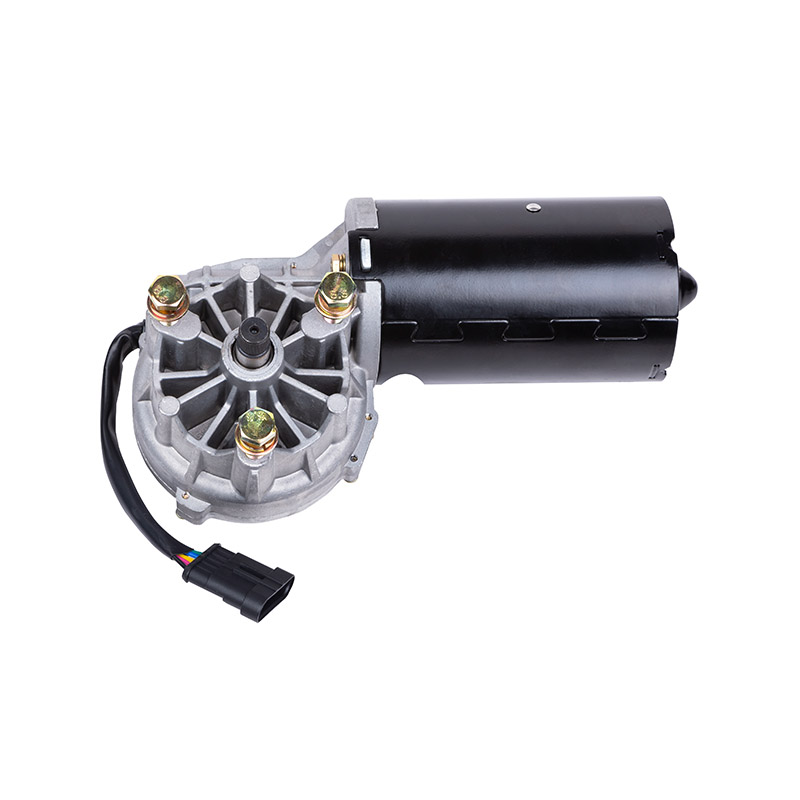
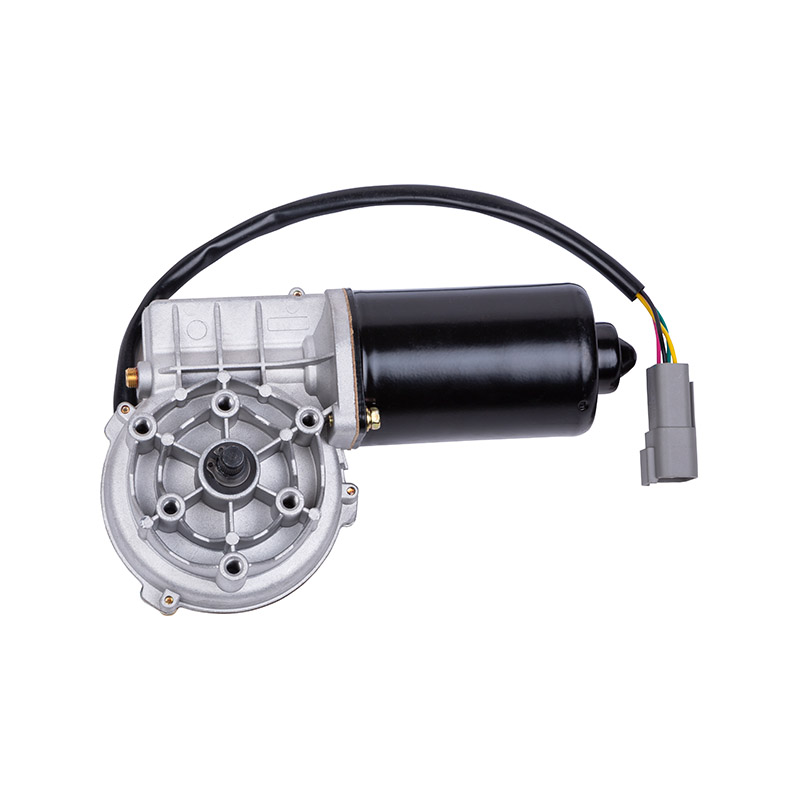
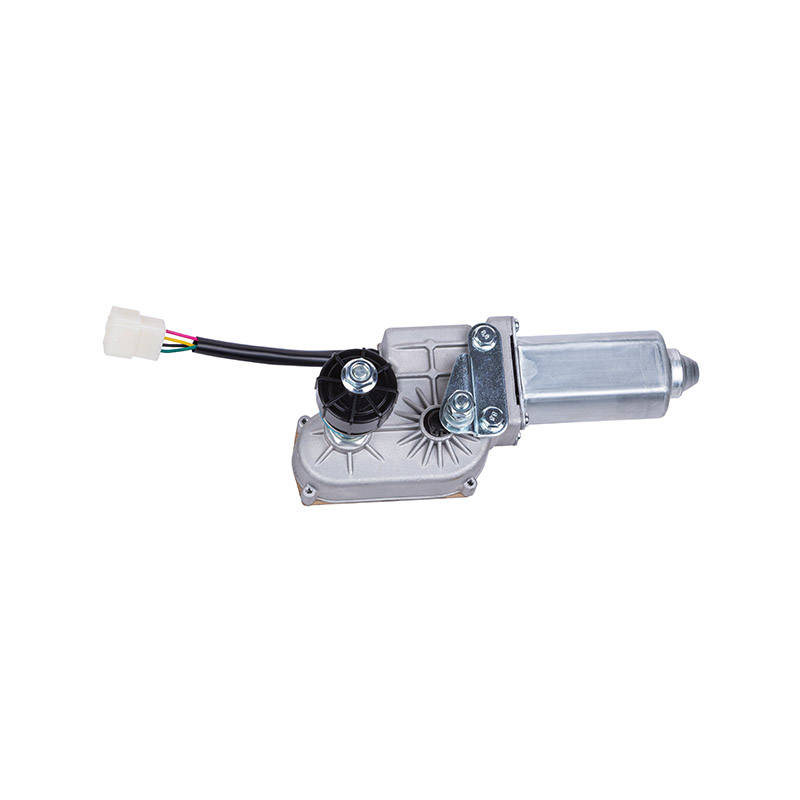
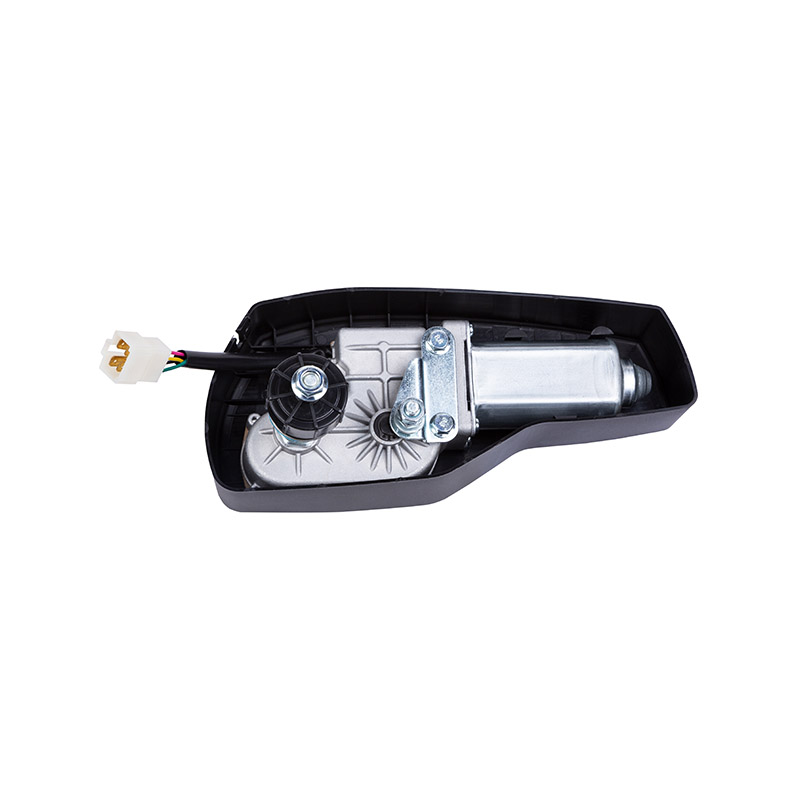
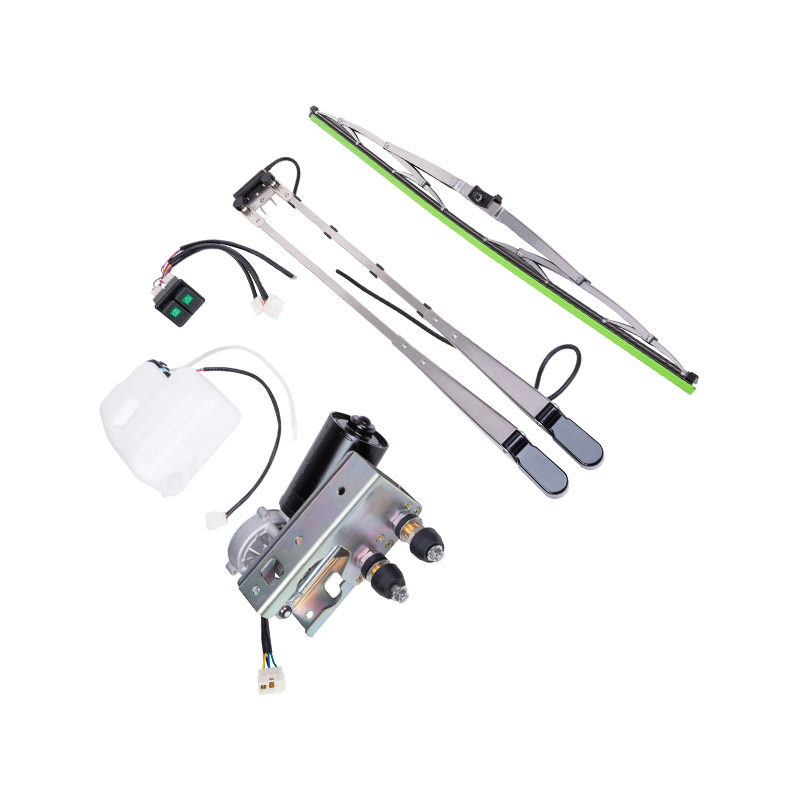
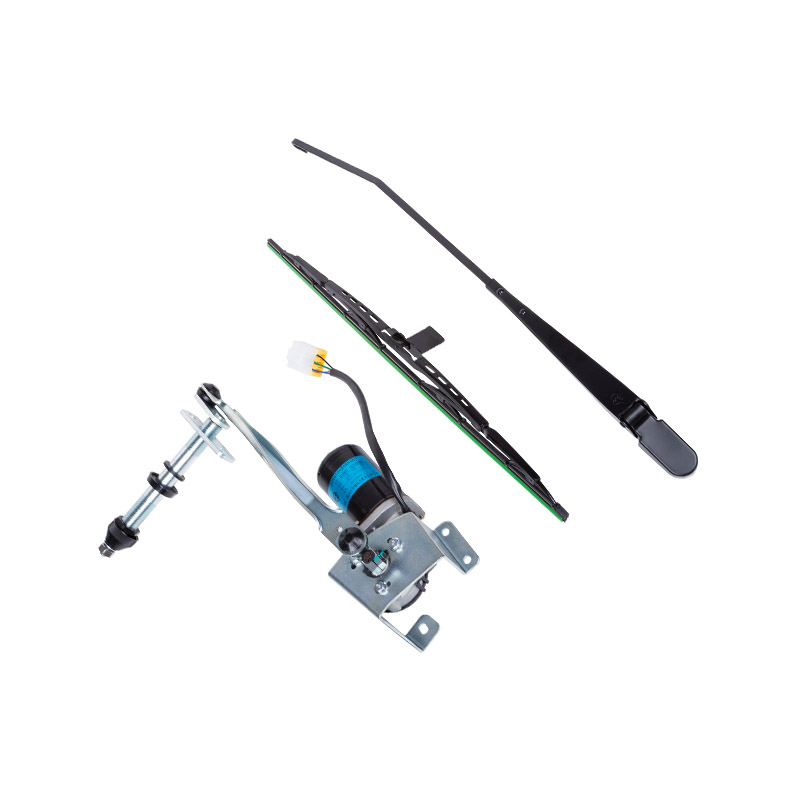
 Clear visibility during operation depends not only on the wiper blade itself but also on the internal driving structure and the supporting components around it. In many wiping systems, a Synchronous Motor works together with a Stainless Wiper Accessory to maintain consistent movement, stable contact pressure, and structural durability. When these elements are properly selected and installed, they help prevent a range of common operational issues that affect performance, safety, and maintenance costs.

Preventing Corrosion-Related Failures in Moist Environments
Wiper systems are frequently exposed to rainwater, cleaning fluids, humidity, and even chemical residues. Standard metal accessories may gradually corrode under such conditions.
A Stainless Wiper Accessory is designed to resist corrosion in both indoor and outdoor environments. Stainless steel components reduce the risk of oxidation that can occur over time with untreated metal parts. This helps prevent:
- Surface rust that affects alignment
- Seized joints caused by corrosion buildup
- Structural weakening of brackets and connectors
- Staining or residue transfer onto glass surfaces
In systems powered by a Synchronous Motor, stable motion depends on smooth mechanical interaction between parts. If corrosion develops in linkages or mounting points, the motor may experience uneven load resistance. Over time, this can cause irregular wiping patterns or increased electrical strain. By reducing corrosion risks, stainless accessories contribute to smoother mechanical coordination and more predictable movement.
For vehicles, marine equipment, industrial inspection windows, or outdoor machinery panels, corrosion resistance directly influences maintenance frequency. Replacing rusted hardware often costs more in labor than in material. Stainless construction helps reduce such repetitive service needs.
Reducing Mechanical Wear and Misalignment
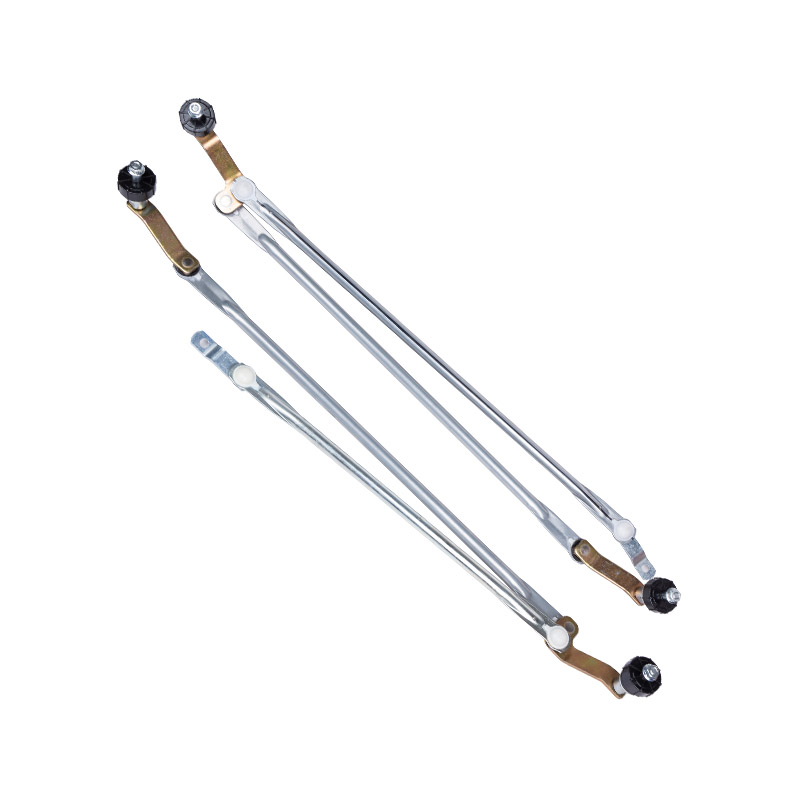
A wiping system includes more than just the blade. Connectors, arms, pivot points, and mounting brackets all influence how evenly the blade contacts the surface. When lower-grade materials deform or loosen, wiping pressure becomes inconsistent. This may result in streaking, skipping, or incomplete cleaning areas.
Stainless steel accessories maintain dimensional stability under repeated movement. Compared to softer materials, they are less likely to bend or distort during long-term use. In systems driven by a Synchronous Motor, synchronized rotation ensures consistent angular movement. However, if accessory components shift or wear unevenly, the motor’s precise timing cannot compensate for mechanical misalignment.
Mechanical wear often begins subtly. Slight deformation in a mounting bracket can alter blade angle. Over time, this creates uneven rubber wear and shortens blade life. Stainless accessories provide structural support that helps maintain:
- Stable blade positioning
- Balanced contact pressure
- Consistent pivot alignment
- Reduced vibration during operation
By preventing small shifts in hardware alignment, the overall wiping path remains more uniform. This is especially important for automated systems where manual adjustments are infrequent.
Avoiding Electrical and Motor Strain
While a Synchronous Motor is designed for steady rotational speed and coordinated motion, its performance depends on the mechanical resistance it encounters. If accessories introduce friction due to corrosion, deformation, or poor material compatibility, the motor may draw higher current or experience irregular torque load.
Stainless components with smoother surface finishes and stable structural properties help reduce unnecessary resistance in moving joints. Lower friction at pivot points allows the motor to operate within its intended parameters. This can help prevent:
- Overheating due to prolonged resistance
- Increased energy consumption
- Unexpected motor stoppage
- Premature wear of internal motor parts
In many industrial or specialized wiping systems, downtime can interrupt workflow. Preventing excessive load on the motor supports more stable operation over time. Rather than focusing solely on motor specifications, evaluating the accessory materials can significantly influence system longevity.
Protecting Against Environmental Contaminants
Dust, sand, salt, and airborne particles often accumulate around exposed mechanical systems. In coastal or industrial areas, salt spray and fine particulate matter can accelerate degradation. Accessories made from untreated metal may trap debris in corroded surfaces, increasing friction and wear.
Stainless Wiper Accessory components are less likely to develop rough, flaking surfaces. Their smoother finish discourages buildup of debris and simplifies cleaning. This contributes to maintaining consistent movement without requiring frequent disassembly.
In environments where visibility through glass panels is critical—such as agricultural machinery cabins, marine navigation windows, or monitoring equipment housings—maintaining wiping consistency directly affects operational awareness. Accessories that resist contamination buildup help keep the wiping motion stable even under demanding environmental conditions.