

 English
  Español
  русский
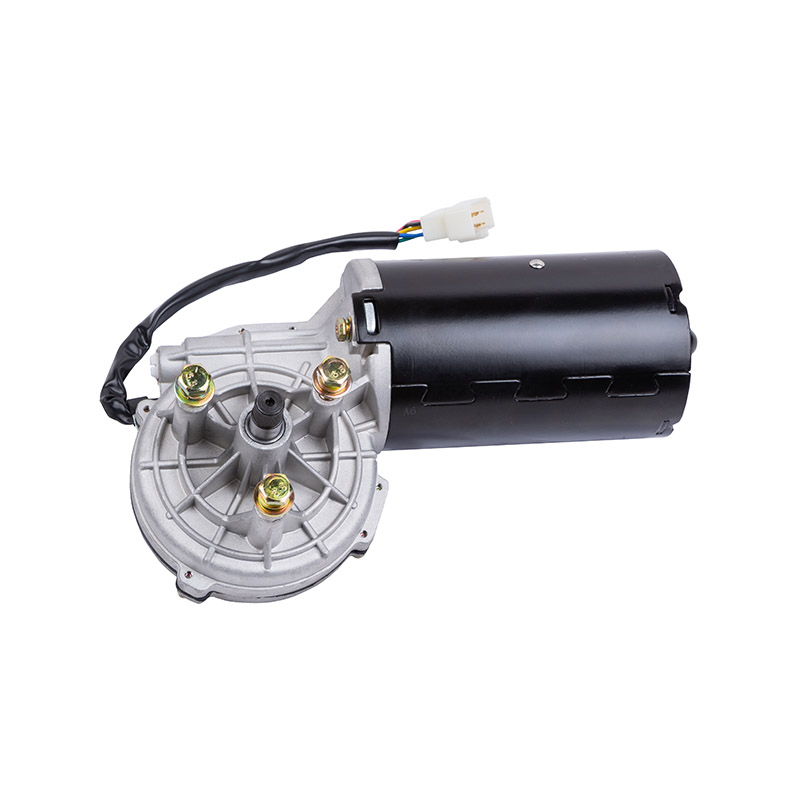
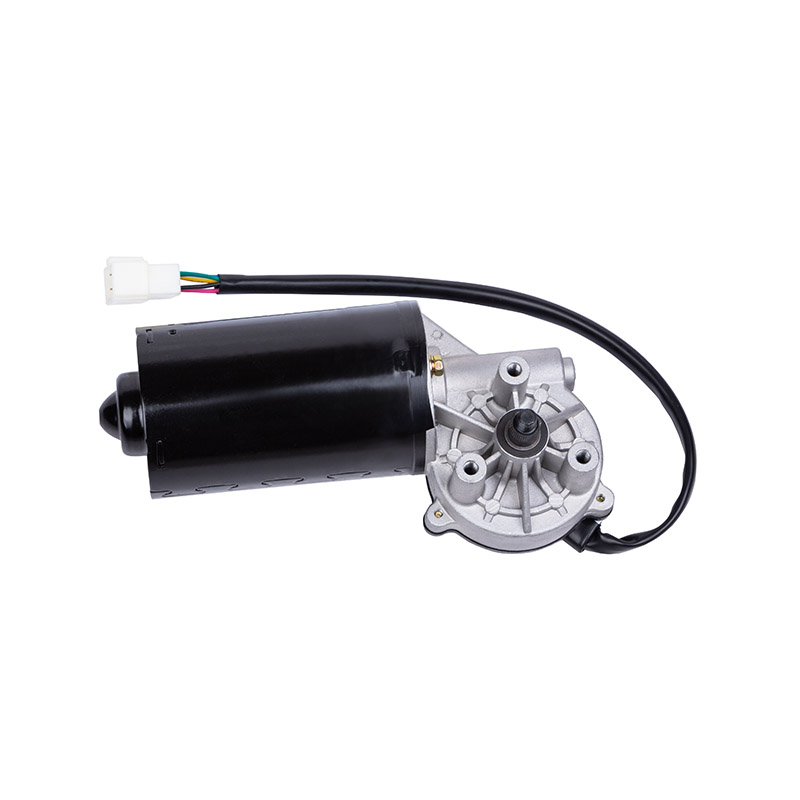
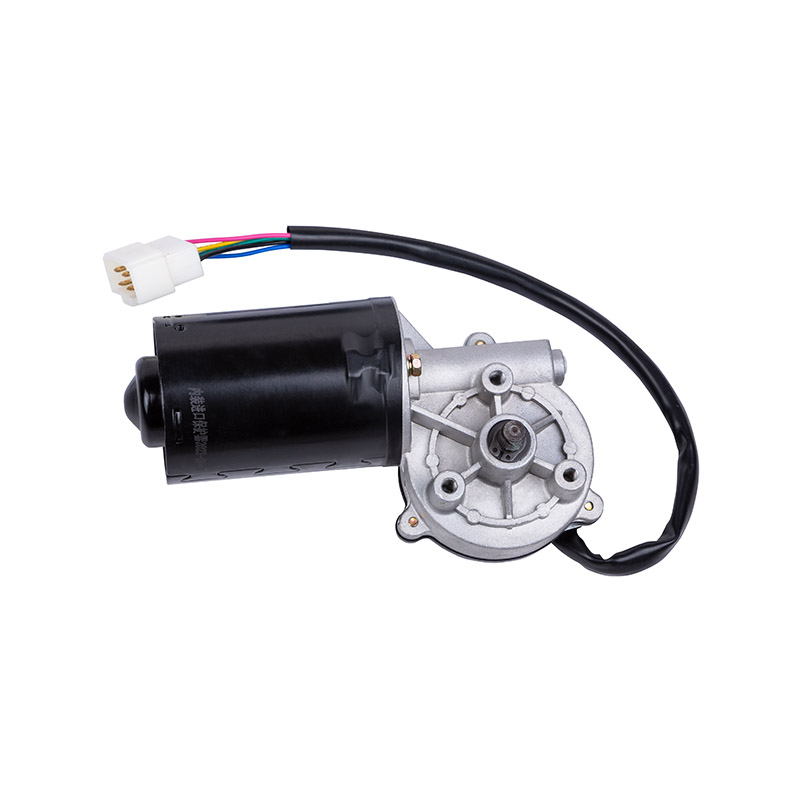
 Railway wiper motors and wiper motors with rain sensors play a significant role in maintaining clear visibility on trains while also affecting the overall electrical load of the vehicle. Understanding how these systems can reduce energy consumption is important for efficient operation and managing power resources on rail vehicles. Efficient operation is achieved through careful design, sensor integration, and appropriate motor management, which together help to control energy usage without compromising windshield clearing performance.
Motor Design and Efficiency
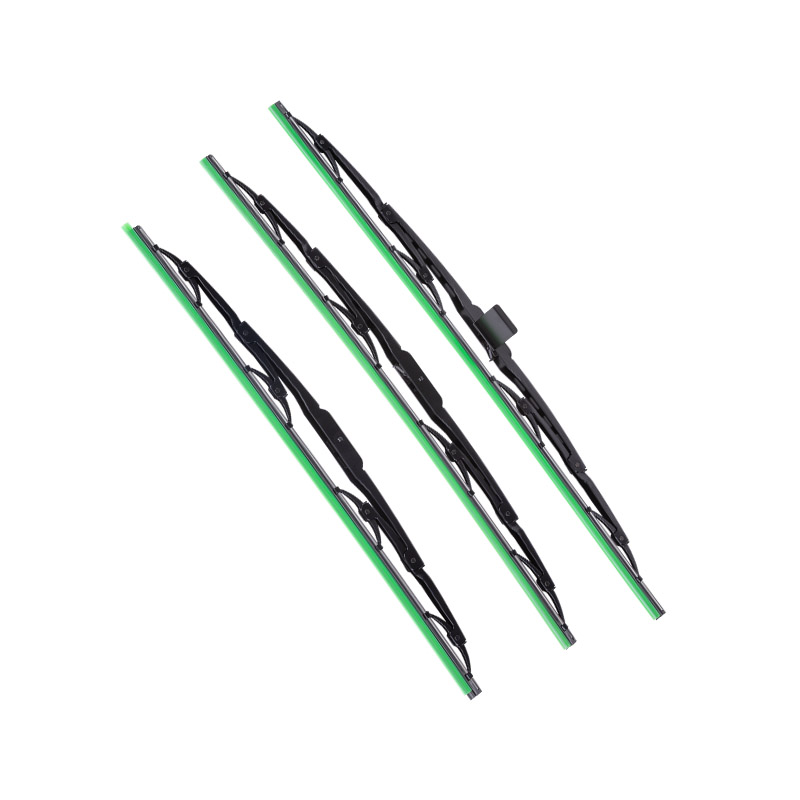
Modern railway wiper motors are designed to operate with moderate electrical consumption while providing consistent movement. The motor components, including windings, brushes, and linkages, are engineered to reduce electrical resistance and friction, allowing the motor to move wiper blades using only the necessary amount of current. By maintaining steady operation and avoiding excessive energy draw, these motors contribute to lower overall electrical usage on the vehicle.
Sensor-Based Control
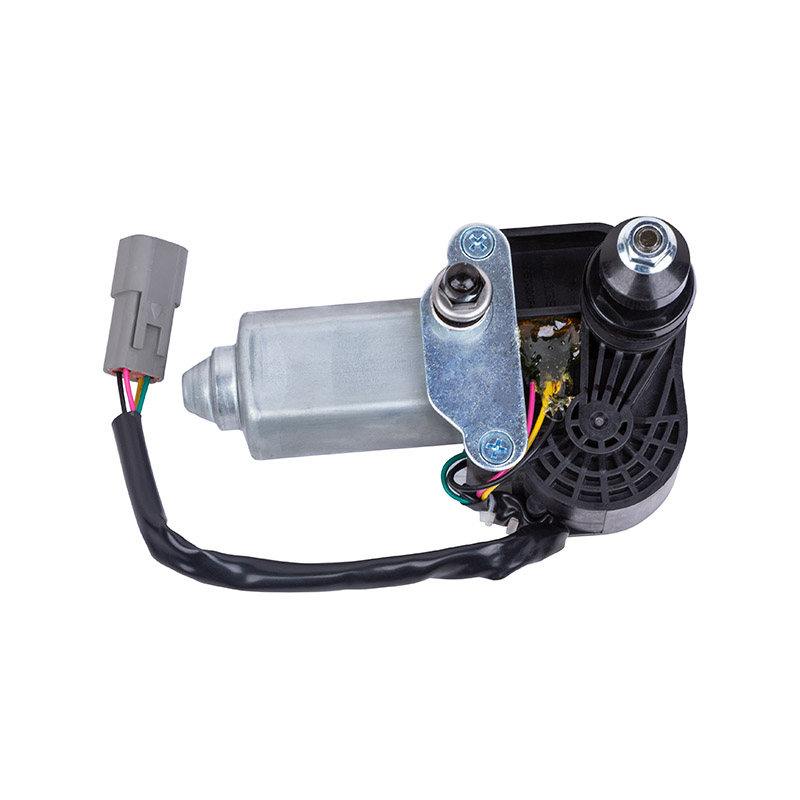
Wiper motors with rain sensors detect the presence and intensity of precipitation, enabling the system to adjust wiper speed automatically. In light rain or mist, the sensor triggers intermittent operation, which reduces the frequency of motor activation. By only using higher motor speed when required, energy consumption is balanced with operational needs. This automatic adjustment prevents continuous high-speed operation when it is not necessary, helping to manage the electrical load efficiently.
Intermittent Wiper Operation
One practical method for reducing energy use is the intermittent mode, controlled either manually or through a rain sensor. When rainfall is light or scattered, the wiper motor moves the blades at spaced intervals rather than continuously. This reduces the time the motor draws power, which can contribute to lower energy usage over long periods of operation. Intermittent operation is particularly useful on longer routes where precipitation intensity can change frequently.
Power Management Integration
Railway wiper motors are connected to the vehicle’s electrical system in a way that allows for effective power management. Signals from the rain sensor and control units determine the appropriate current supplied to the motor.
Low-Resistance Wiring and Connections
Proper installation of railway wiper motors also contributes to energy efficiency. Low-resistance wiring and secure electrical connections reduce voltage drops and unnecessary current loss. Consistent electrical delivery to the motor allows it to operate without drawing extra energy to overcome resistance, ensuring that the motor runs efficiently under normal conditions.
Lightweight Components
Some wiper motor systems are designed with lighter mechanical components that reduce the force required to move the wiper blades. Reduced mechanical resistance means the motor does not have to draw additional current to perform its movements. While the primary purpose is to maintain smooth operation, this design also helps manage energy usage by aligning mechanical demand with the motor’s electrical input.
Maintenance and Performance
Regular maintenance of both the railway wiper motor and wiper motor with rain sensor can also influence energy usage. Well-maintained linkages, clean windshield surfaces, and properly calibrated sensors prevent the motor from working harder than necessary. For example, debris or worn parts can increase friction, forcing the motor to draw more power. Routine inspection and cleaning help maintain consistent performance and reduce unnecessary electrical consumption.
Adaptability to Varying Conditions
Railway wiper motors with integrated rain sensors adjust operation according to changing weather conditions. By dynamically responding to the amount of precipitation, the motor avoids unnecessary continuous operation during light rain or dry conditions. This adaptability supports both clear visibility and efficient use of electrical energy across different environmental scenarios.
Energy Considerations for Long Routes
On long-distance routes, managing electrical consumption becomes increasingly relevant. Continuous operation of any electrical device contributes to cumulative energy use. Wiper motors that adjust operation based on actual need, through sensor input and intermittent modes, help manage energy resources efficiently over extended travel periods. This is particularly valuable for trains with multiple onboard systems drawing from the same power supply.
System Integration and Safety Balance
While reducing energy use is a consideration, the primary goal remains clear visibility and safe operation. Railway wiper motors and wiper motors with rain sensors balance electrical efficiency with functional reliability. Sensor-based control and mechanical design features work together to ensure that visibility is maintained while using energy in a measured way, allowing operators to maintain focus on safe navigation.