

 English
  Español
  русский
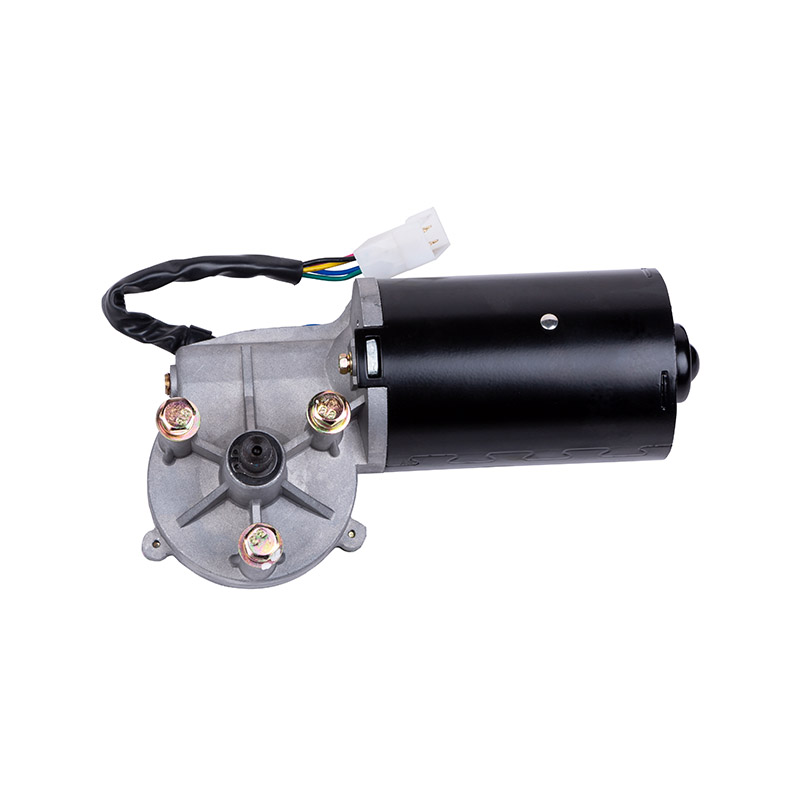
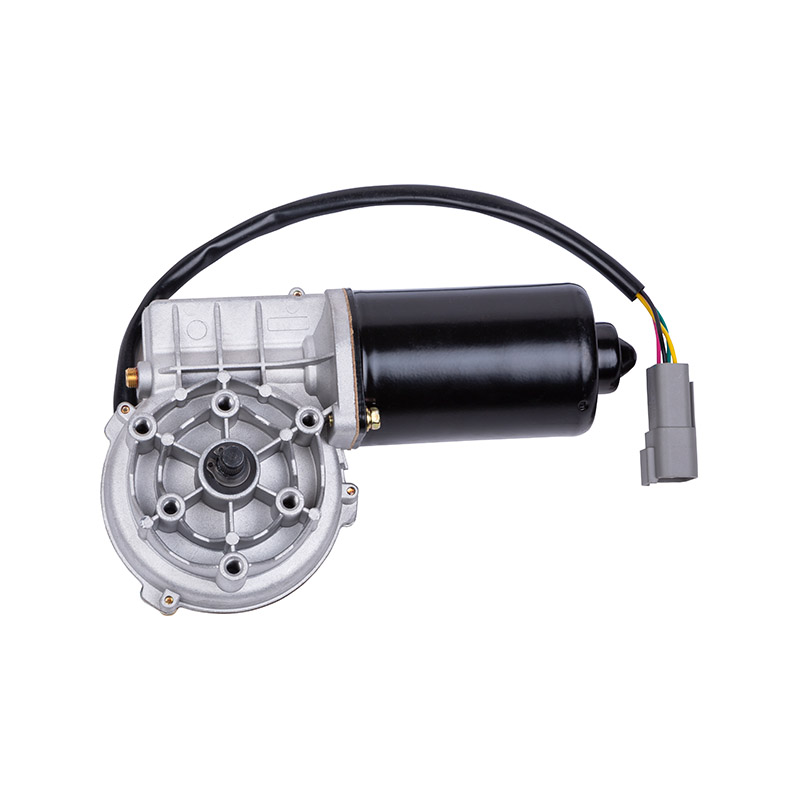
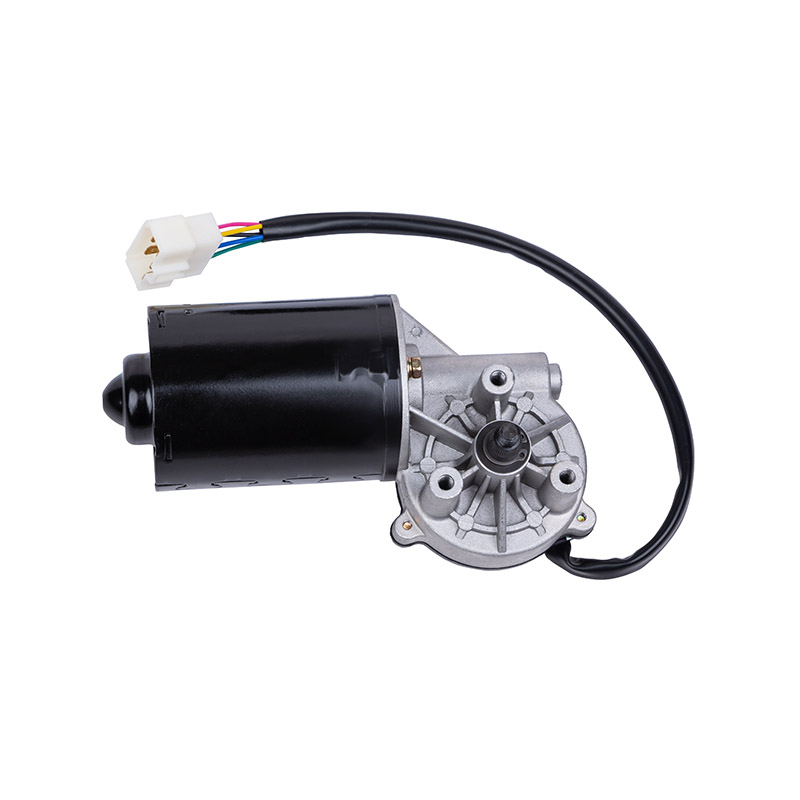
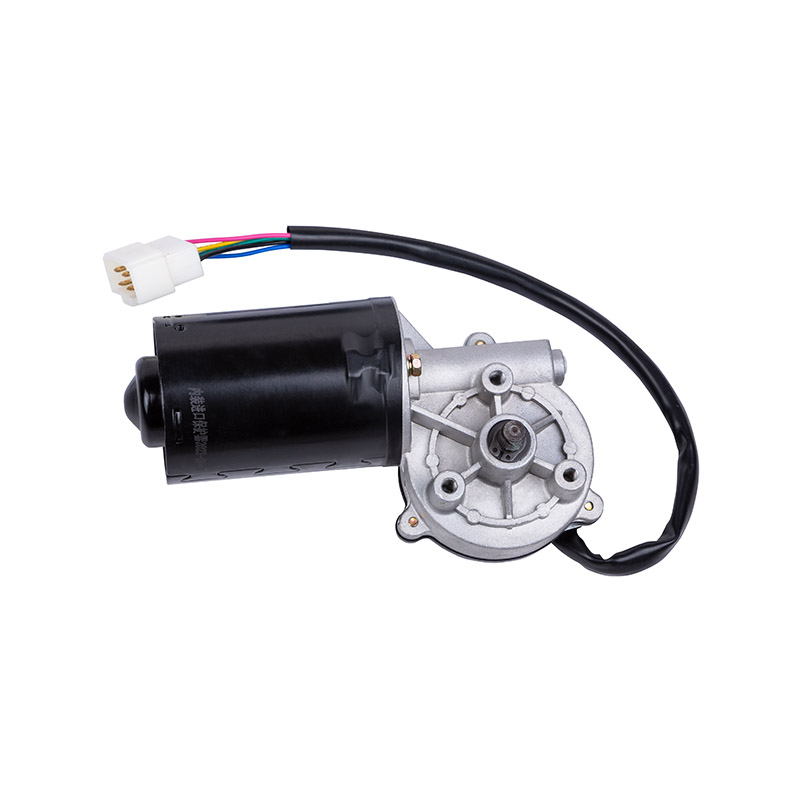
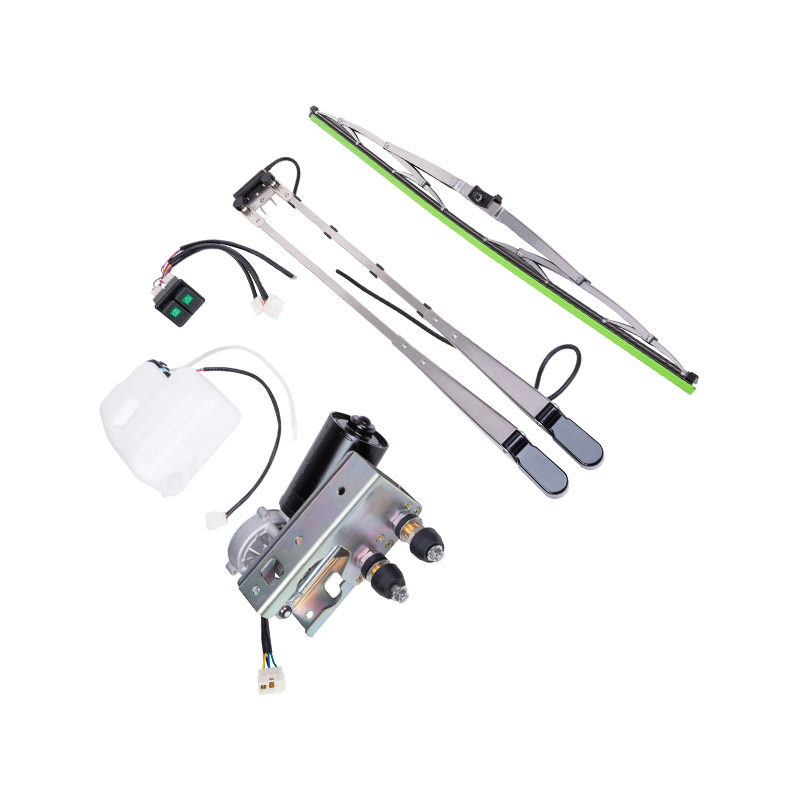
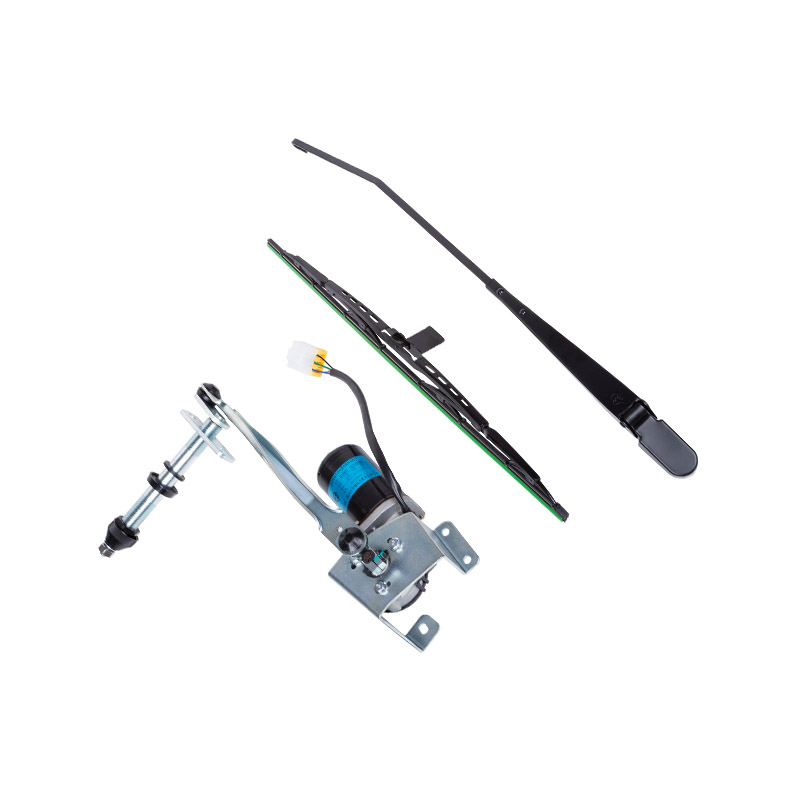
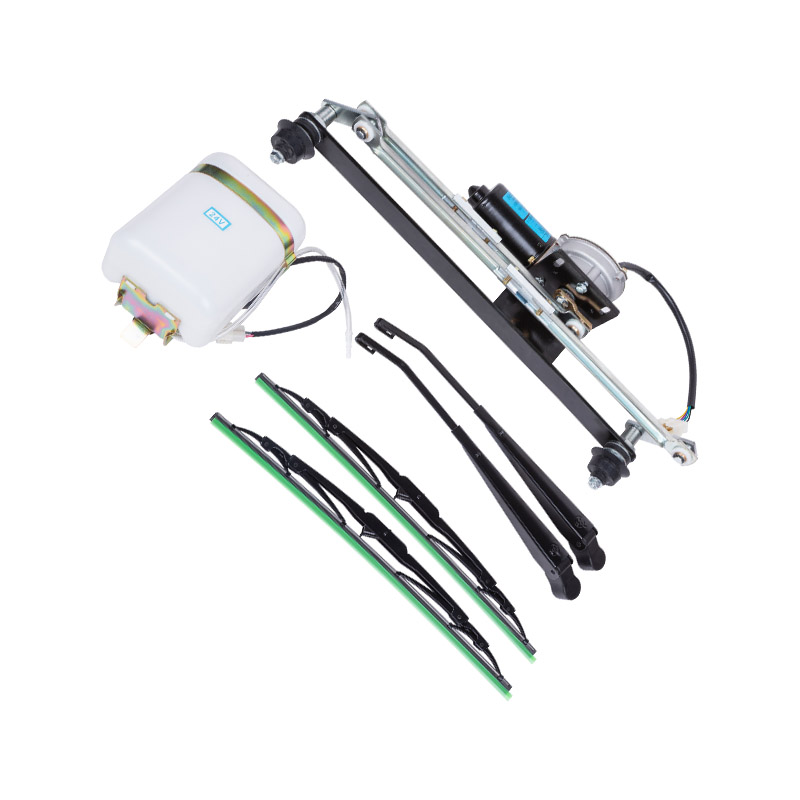
 Modern train and vehicle operations often depend on clear visibility for safe navigation. Railway wiper motors and wiper motors with rain sensors provide an automated approach to windshield clearing, adjusting to the amount of precipitation without requiring constant manual control. Understanding how these systems detect rain intensity can help operators and maintenance teams ensure proper performance under varying weather conditions.
Sensor Technology Overview
Wiper motors with rain sensors use specialized sensors mounted near the windshield to detect moisture. These sensors typically employ optical or capacitive technology to identify the presence and amount of rain. Optical sensors measure how light reflects through the glass, detecting water droplets on the windshield surface. Capacitive sensors, on the other hand, detect changes in the electrical properties of the glass when moisture is present. Both methods allow the system to respond to rain without direct operator input.
Automatic Adjustment of Wiper Speed
Once the sensor detects rain, it communicates with the railway wiper motor to adjust the wiper speed. Light rain or mist triggers slower, intermittent wiper movement, while heavier rain prompts more frequent or continuous wiping. This automated adjustment ensures that the windshield remains sufficiently clear for visibility, reducing the need for operators to monitor and manually control the wiper system during changing weather conditions.
Placement of Rain Sensors
Rain sensors are usually installed near the top center of the windshield, within the operator’s line of sight but outside direct obstruction. This position allows the sensor to detect water evenly across the windshield area that the wipers cover. Proper alignment and calibration are important to ensure accurate readings. Misaligned sensors can cause delayed response or uneven wiper operation, affecting visibility.
Integration With Railway Wiper Motors
Railway wiper motors are designed to respond to signals from the rain sensor while maintaining smooth and consistent movement. The motor receives input on the required speed and activates the wiper linkage accordingly. This integration allows for coordinated operation, where sensor detection and motor movement work together to maintain a clear windshield under different levels of precipitation.
Electrical and System Compatibility
For the rain sensor and wiper motor to function correctly, compatibility with the vehicle’s electrical system is necessary. The sensor requires power and communication pathways to send signals to the motor control unit. Railway wiper motors designed for this setup include input terminals that accept sensor signals, ensuring seamless operation without additional modifications.
Benefits of Sensor-Based Detection
Using a wiper motor with rain sensor reduces the need for constant operator attention to changing weather conditions. The sensor’s automatic detection supports a consistent and timely response to rainfall, helping maintain a clear view while the operator focuses on navigation and other operational tasks. By adjusting wiper frequency to match rain intensity, the system can also reduce wear on both the motor and wiper blades over time.
Maintenance Considerations
Rain sensors require routine inspection and cleaning to maintain accurate detection. Dirt, scratches, or residue on the windshield can interfere with sensor readings, causing inconsistent wiper operation. Railway wiper motors paired with properly maintained sensors generally perform more predictably, reducing unexpected interruptions during operation. Technicians should follow manufacturer guidelines for sensor maintenance and recalibration if necessary.
Calibration and Testing
Calibration ensures that the rain sensor accurately interprets moisture levels and adjusts the wiper motor appropriately. During installation or after maintenance, technicians may test the system by applying water or using specialized equipment to simulate rain. Adjustments can be made to the sensor sensitivity to match the specific vehicle and operational environment, ensuring that the wipers respond correctly under various precipitation conditions.
Adaptability for Different Weather Scenarios
Wiper motors with rain sensors can adjust to a wide range of conditions, from light drizzle to heavy rainfall. The sensor continuously monitors the windshield, allowing the wiper motor to change speed dynamically as conditions evolve. This adaptability is particularly useful in regions with variable weather, where precipitation can change intensity quickly, providing consistent visibility without operator intervention.
Long-Term Operational Reliability
Proper installation and maintenance of both the railway wiper motor and the rain sensor support long-term operation. By ensuring that the sensor remains clean and correctly positioned, the system can provide consistent performance over time. Coordinated interaction between the sensor and motor allows the vehicle to maintain a clear windshield efficiently under different weather conditions, helping operators maintain focus and safe navigation.