

 English
  Español
  русский
 Introduction to Windshield Wiper Systems
Windshield wiper systems have been an essential part of vehicles for over a century. Their primary role is to ensure clear visibility during adverse weather conditions, such as rain, snow, or dust storms. Over time, technological developments and changes in vehicle design have led to improvements in wiper performance, durability, and integration with other vehicle systems. Modern windshield wiper systems are no longer just mechanical devices; they have become an integral component of vehicle safety.
Advancements in Windscreen Motor Technology
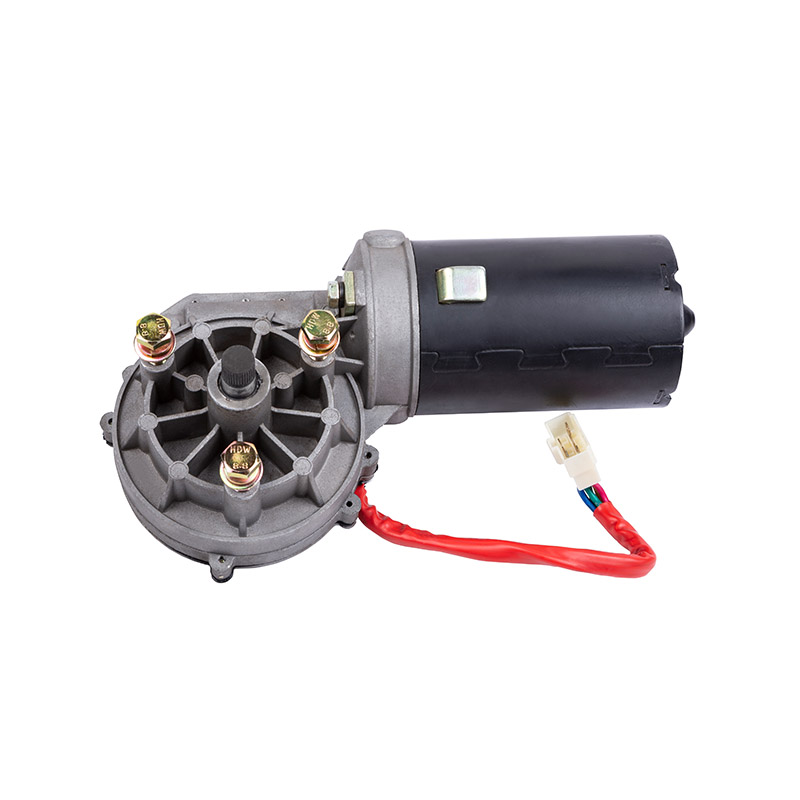
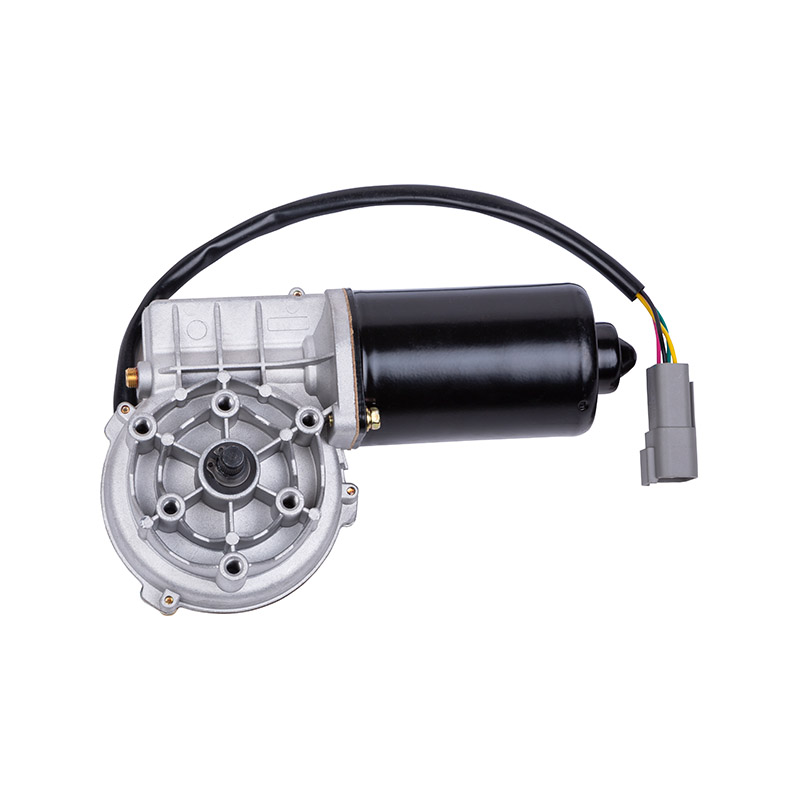
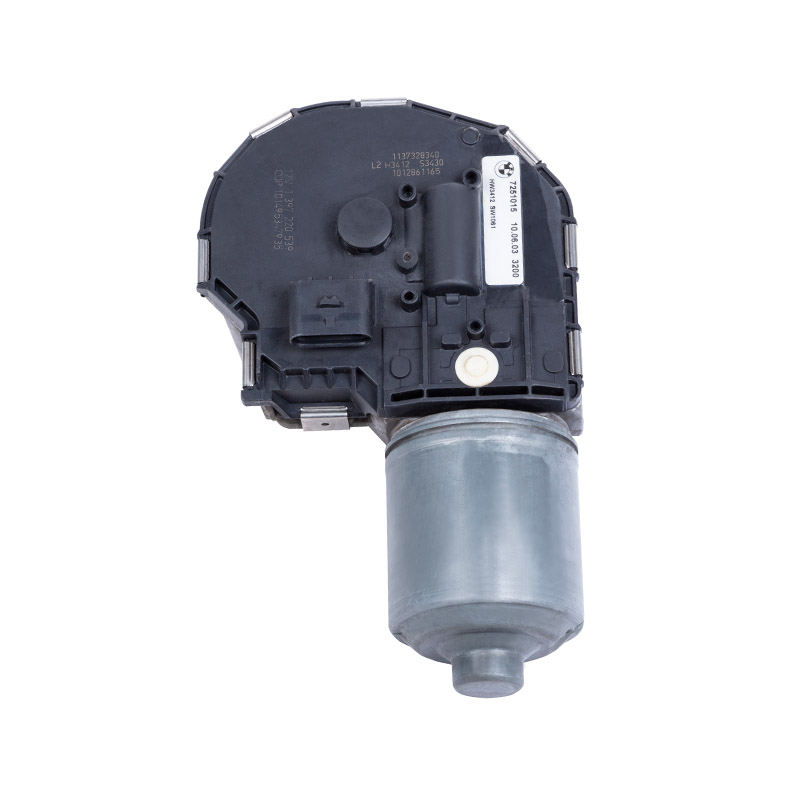
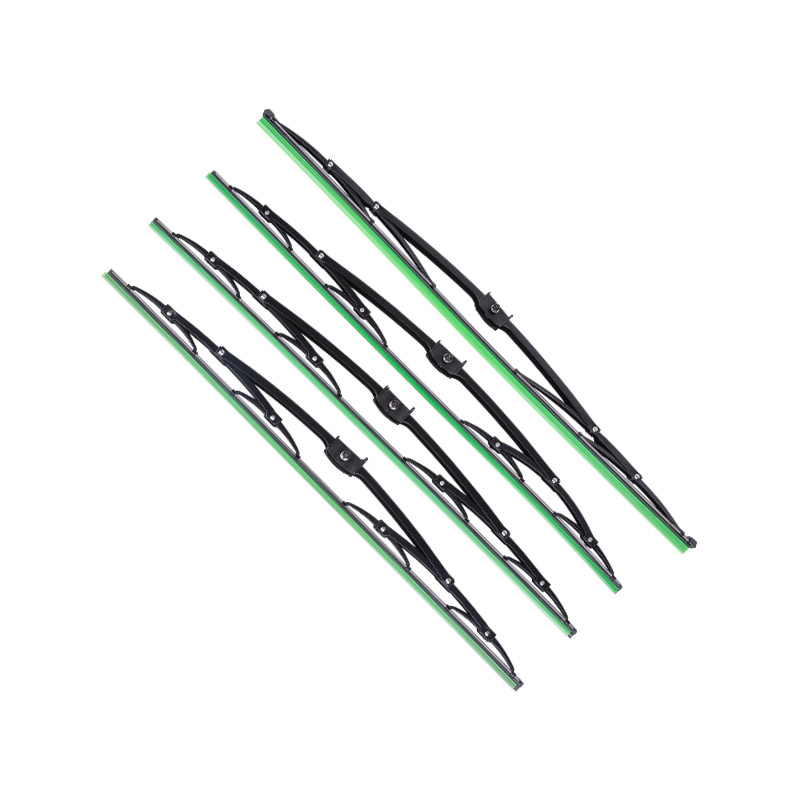
At the heart of any wiper system is the windscreen motor, which converts electrical energy into the mechanical motion required to move the wiper blades. In recent years, improvements in windscreen motor design have focused on energy efficiency, noise reduction, and reliability. Motors are now often compact, lightweight, and capable of supporting variable speed operations, which allow for smoother performance in light rain or heavy downpours. Additionally, integration with vehicle electronics allows for automatic control, where the wiper speed adjusts according to the intensity of rainfall.
Evolution of Train Wiper Systems
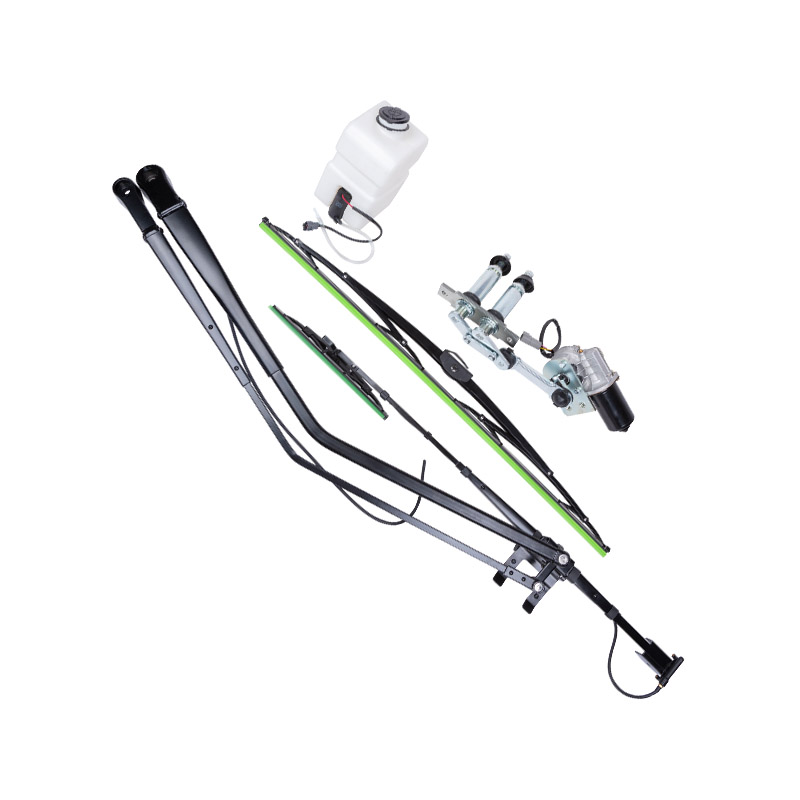
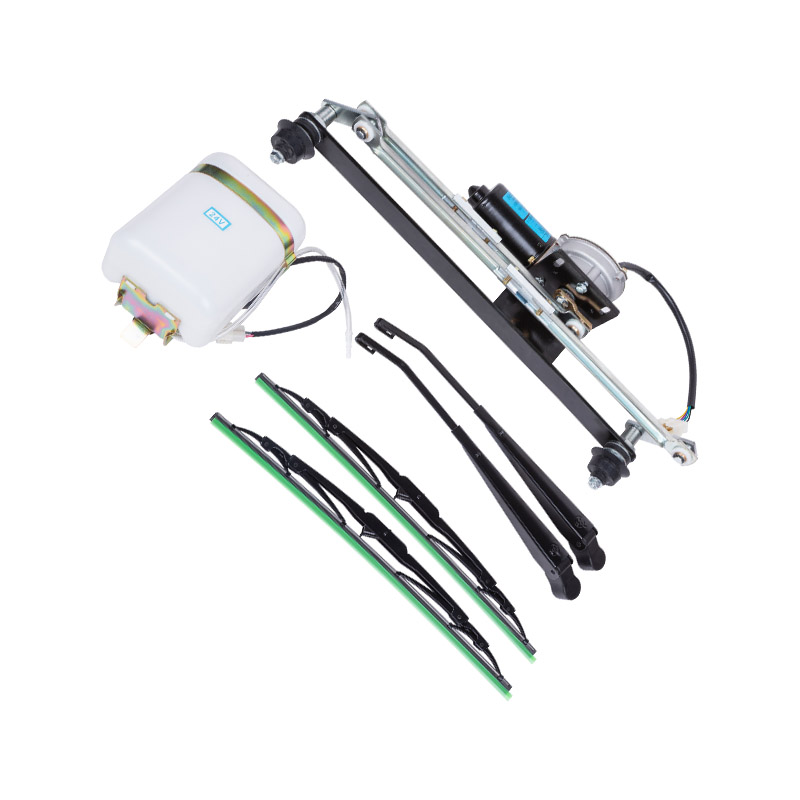
Train wiper systems have developed to meet the specific needs of rail transport. Unlike passenger vehicles, trains require large, robust wipers that can operate effectively at high speeds and in varying weather conditions. Modern train wiper systems often include multiple blades that cover extensive windscreen areas and high-torque motors capable of consistent performance over long periods. In addition, some trains have wipers synchronized with sensors that detect precipitation, ensuring the windscreen remains clear for drivers on long journeys. The evolution of these systems reflects the need for durability, reliability, and safety in rail transport.
Integration in Different Vehicles
Windshield wiper systems are not limited to cars and trains. They are commonly found in buses, construction machinery, agricultural vehicles, and marine vessels. In each case, wiper systems are adapted to the environment and operational requirements. For example, heavy-duty vehicles may use stronger windscreen motors and reinforced blades to handle debris and dust, while marine vessels require corrosion-resistant components to withstand saltwater exposure. This adaptability has allowed windshield wiper systems to become a universal safety feature across multiple forms of transportation.
Maintenance and Practical Considerations
Regular maintenance of windshield wiper systems is essential for good performance. Components such as the windscreen motor, wiper blades, and arms should be inspected periodically for wear and tear. Timely replacement of worn blades ensures consistent contact with the windscreen, while checking the motor for smooth operation can prevent unexpected failures. For trains and other large vehicles, maintenance schedules often include detailed inspections of the wiper system's electrical connections, motor torque, and blade alignment. Proper upkeep not only prolongs the lifespan of the system but also enhances safety for operators and passengers.
Future Trends in Wiper System Development
The evolution of windshield wiper systems continues as new technologies emerge. Sensor-based automatic wipers, advanced motor controls, and materials that resist environmental damage are gradually becoming more common. In addition, some modern systems are being designed to integrate with autonomous driving technologies, providing consistent visibility without manual intervention. These developments suggest that wiper systems will remain a vital, yet increasingly intelligent, component of transportation safety.
Windshield wiper systems, from the simple mechanical devices of the past to the advanced train wiper systems of today, demonstrate significant technological evolution. With improvements in windscreen motors, blade design, and system integration, these components continue to play a crucial role in ensuring clear visibility and safety across a variety of vehicles. As transportation technology advances, windshield wiper systems are likely to become more adaptive, reliable, and efficient, maintaining their importance in modern transportation equipment.