

 English
  Español
  русский
 Wiper systems are a critical component of vehicle safety, ensuring clear visibility in various weather conditions. International regulations set specific safety standards to guarantee that wiper systems operate effectively and reliably. Understanding these standards is essential for vehicle manufacturers, operators, and maintenance teams.
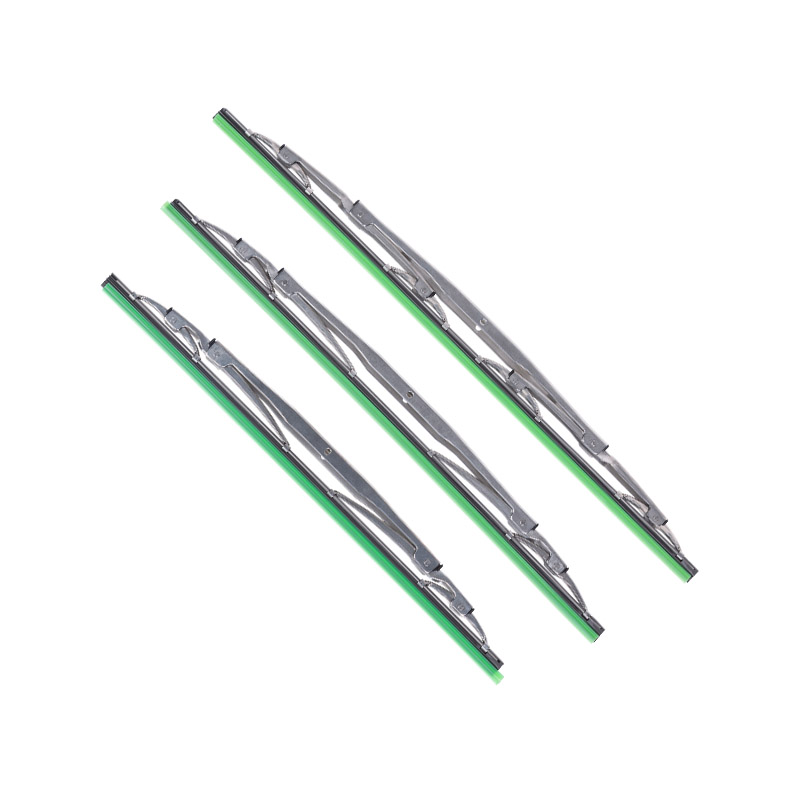
Wiper Motor Car Requirements
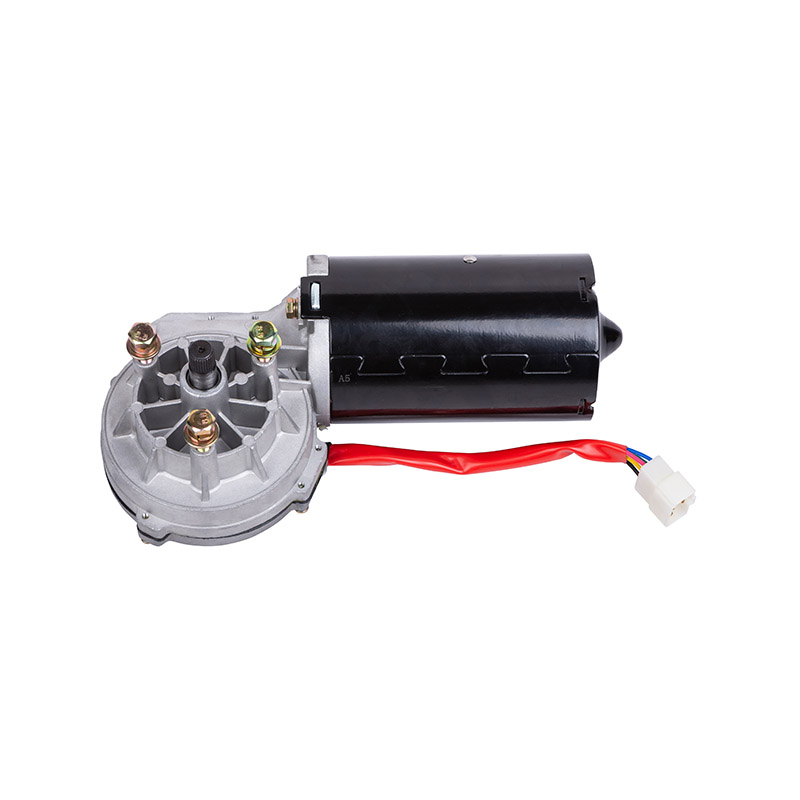
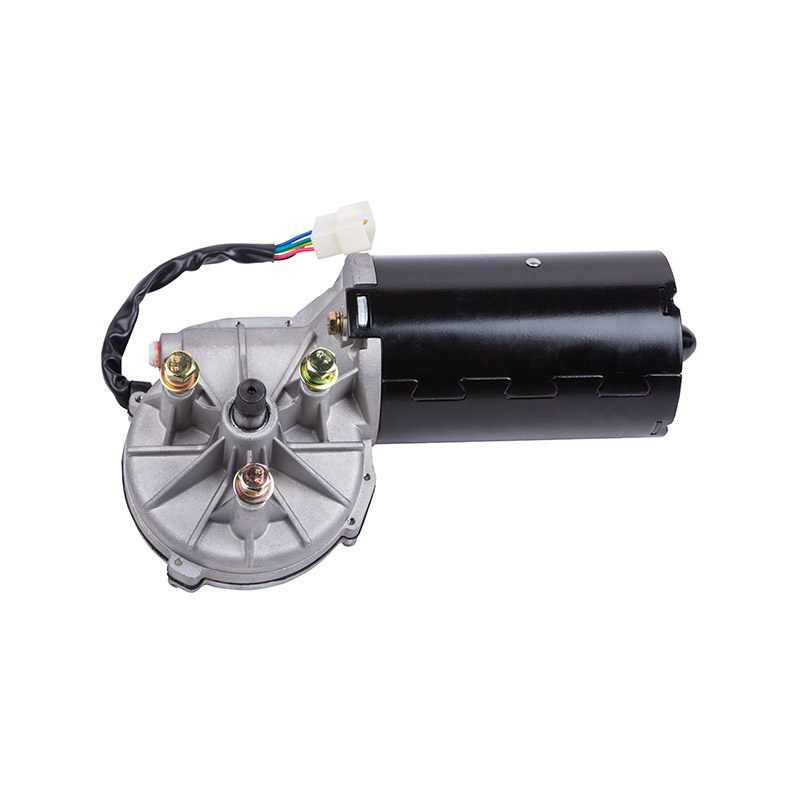
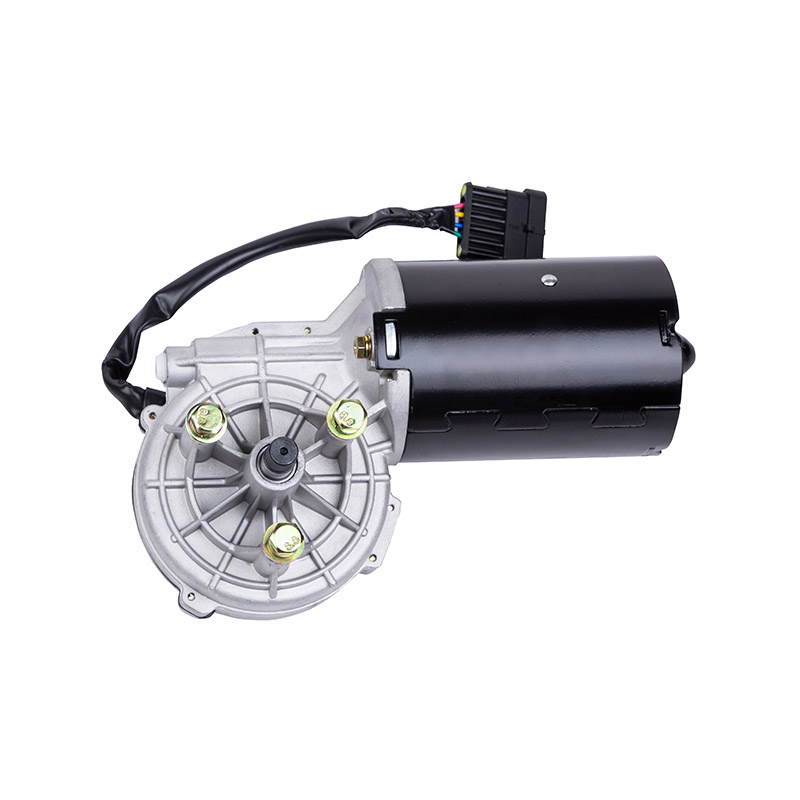
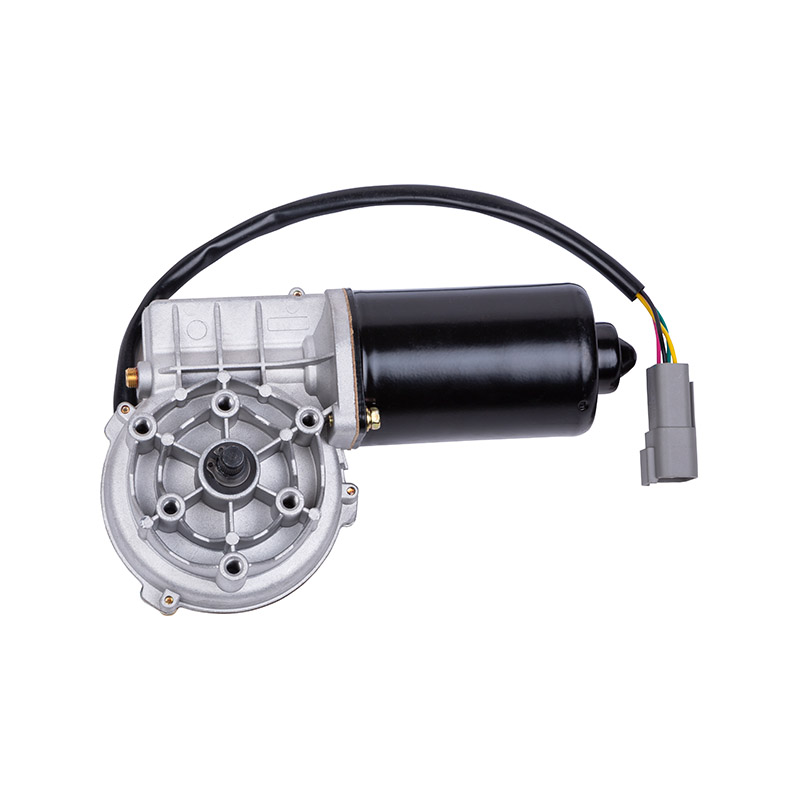
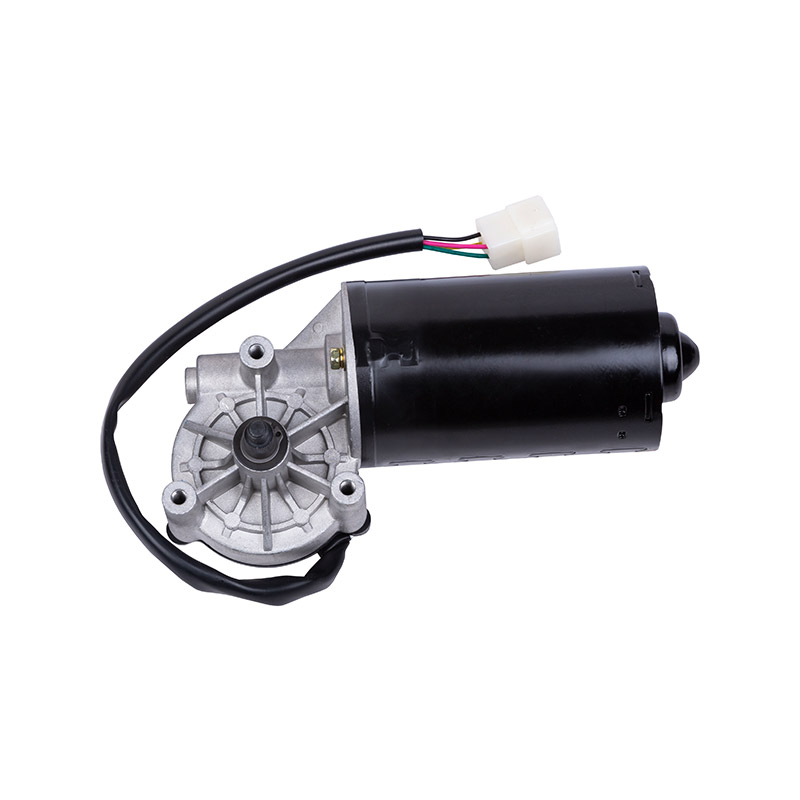
The wiper motor in a car plays a central role in controlling the movement of the blades across the windshield. Regulations often specify performance criteria for wiper motors, including operational speed, torque, and durability under different environmental conditions. Safety standards require that wiper motors maintain consistent motion even in bad temperatures and during prolonged use.
In addition, regulations highlight the importance of electrical safety. Wiper motors must be designed to prevent overheating and short circuits. Proper insulation and waterproofing are commonly required to ensure safe operation, especially during heavy rain or snow. Regular testing is recommended to verify that wiper motors meet these safety requirements.
Motorized Windshield Wiper Systems
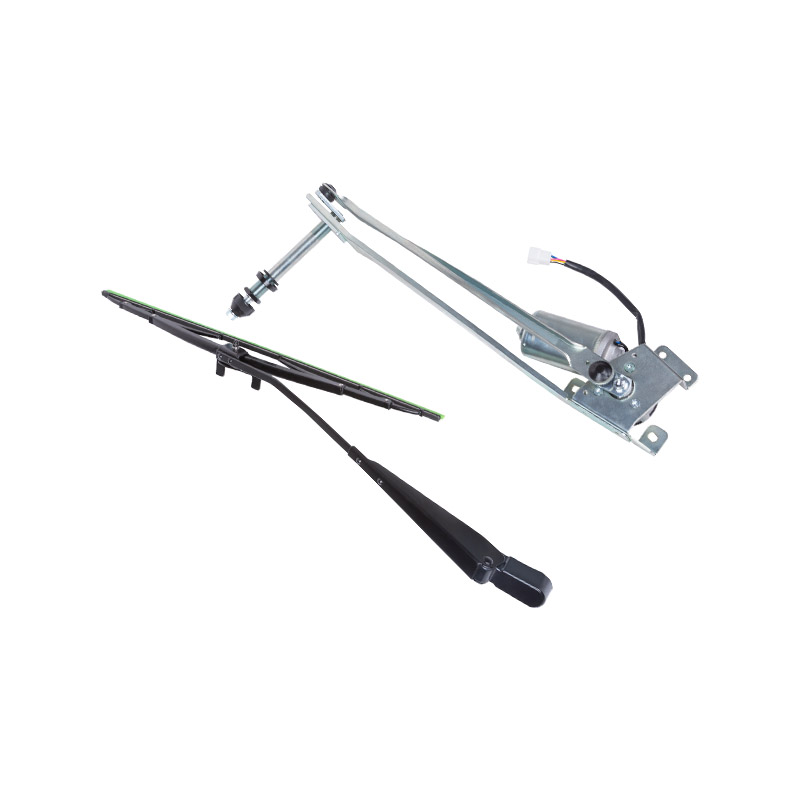
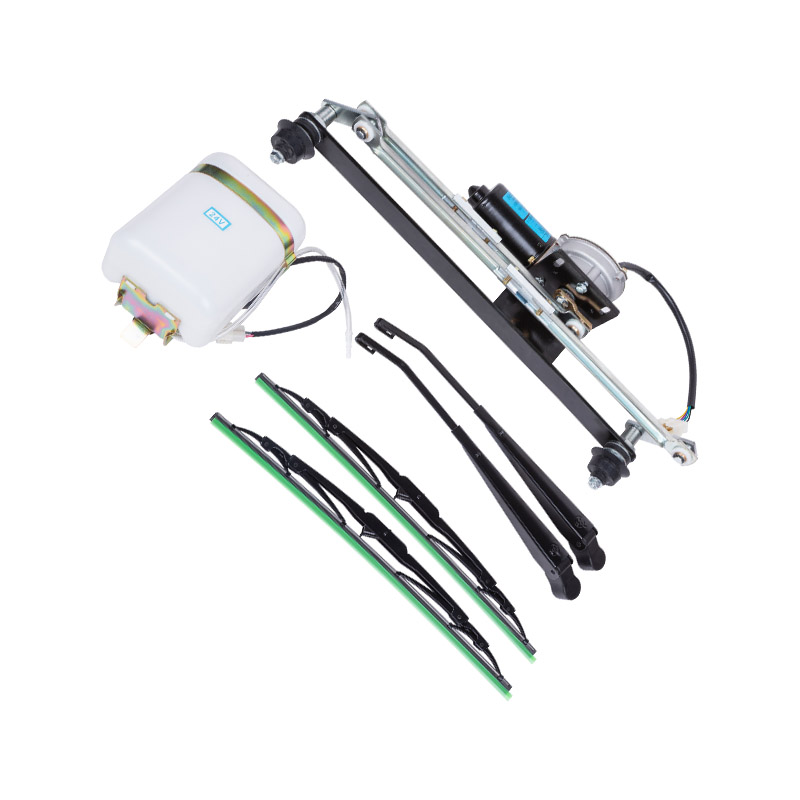
Motorized windshield wiper systems combine mechanical components with electrical control to improve efficiency and reliability. Safety standards emphasize the uniform application of pressure across the windshield to prevent streaking and maintain visibility. Uneven pressure can cause blind spots, which are a hazard in traffic conditions.
International guidelines also address system responsiveness. Motorized wipers should be capable of adjusting to various speeds automatically or manually, ensuring that drivers can maintain clear visibility under light drizzle or heavy rainfall. Manufacturers often conduct vibration and endurance tests to comply with these safety standards, verifying that motorized systems can withstand repeated operation without failure.
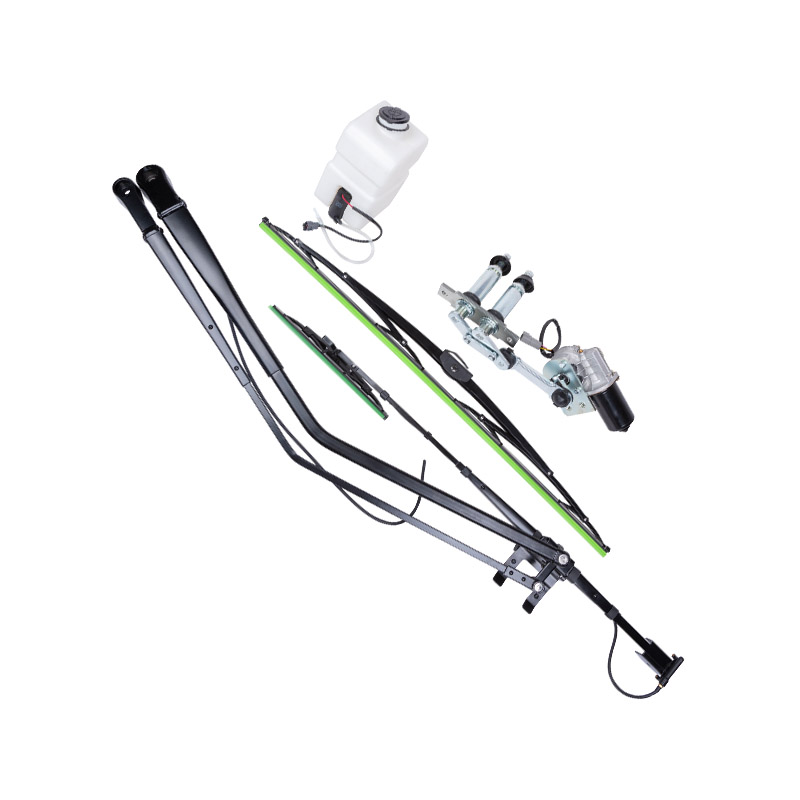
School buses require specialized wiper systems to ensure the safety of children during transport. Regulations often demand higher performance and reliability for these vehicles due to the greater responsibility for passenger safety. School bus wiper systems must provide sufficient coverage for large windshields, including the driver's view and passenger windows if applicable.
Durability is a key aspect of these standards. School bus wiper systems should resist wear and tear from frequent use and be capable of operating in both urban and rural conditions. In addition, safety regulations often require regular maintenance schedules and inspections to ensure that all components, including the wiper motor, arms, and blades, function correctly.
Global Compliance and Testing
International regulations vary slightly by region but generally aim to enhance safety through consistent testing methods. Compliance with these standards typically involves laboratory tests and real-world trials. Vehicles may be tested for wiper speed, coverage, noise, and resistance to environmental factors such as rain, ice, and debris.
For wiper motor cars, motorized windshield wiper systems, and school bus wiper systems alike, adherence to international standards provides assurance that the vehicle meets recognized safety expectations. Manufacturers often document compliance through certifications that indicate the system has passed all required tests.
Maintenance and Practical Considerations
Meeting safety standards is not limited to manufacturing. Routine maintenance is essential for long-term performance. Wiper motors should be inspected for electrical integrity, and blades should be checked for wear. Motorized systems may require occasional calibration to maintain consistent pressure across the windshield. For school buses, maintenance records are often part of regulatory requirements, ensuring that inspections are performed on a scheduled basis.
Vehicle operators should also be aware of regional regulations when purchasing replacement parts or upgrading systems. Using compatible components that meet or exceed the safety criteria helps maintain compliance and ensures that visibility remains reliable under all conditions.
Wiper system safety standards in international regulations provide a framework for reliable and effective operation. From wiper motor cars to motorized windshield wiper systems and school bus wiper systems, these standards address performance, durability, and safety under various conditions. Understanding and adhering to these guidelines benefits manufacturers, operators, and passengers alike, ensuring that clear visibility is maintained whenever vehicles are on the road.