

 English
  Español
  русский
 For special-purpose vehicles, the design of wiper systems requires careful consideration of technical specifications to ensure safe and consistent performance. Unlike passenger cars, these vehicles often operate with larger windshields and under harsher environmental conditions, which means higher demands on both the mechanical and electrical components.
Importance of Custom Wiper Systems
Special vehicles operate in unique environments. Buses, for instance, travel through urban areas where heavy rain, dust, and pollution can affect the windscreen. Similarly, construction machinery and agricultural vehicles face dirt, mud, and debris that can quickly wear down standard wiper components. Customized wiper systems are designed to handle these challenges, providing consistent contact with the windscreen and maintaining visibility.
A well-designed wiper system reduces the need for frequent maintenance and prevents operational delays caused by impaired vision. It also enhances passenger safety in buses, especially during long-distance routes or in regions with unpredictable weather.
Wiper Arm and Blade Considerations
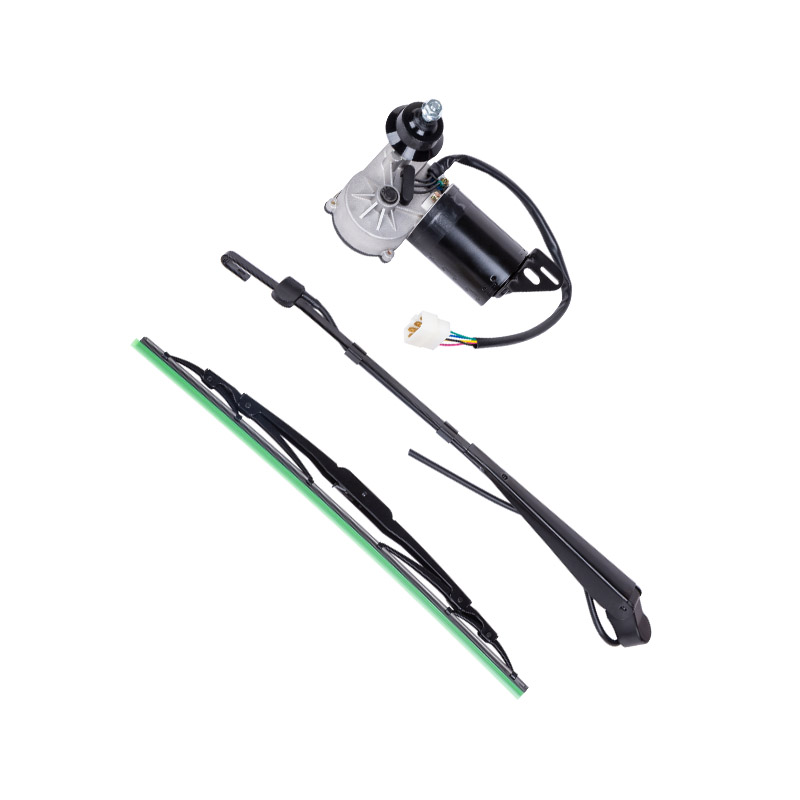
The core components of any wiper system are the wiper arm and blade. For special vehicles, these components require careful selection based on size, shape, and material. The wiper arm must provide adequate pressure along the entire length of the blade, ensuring that water and debris are effectively removed from the windscreen.
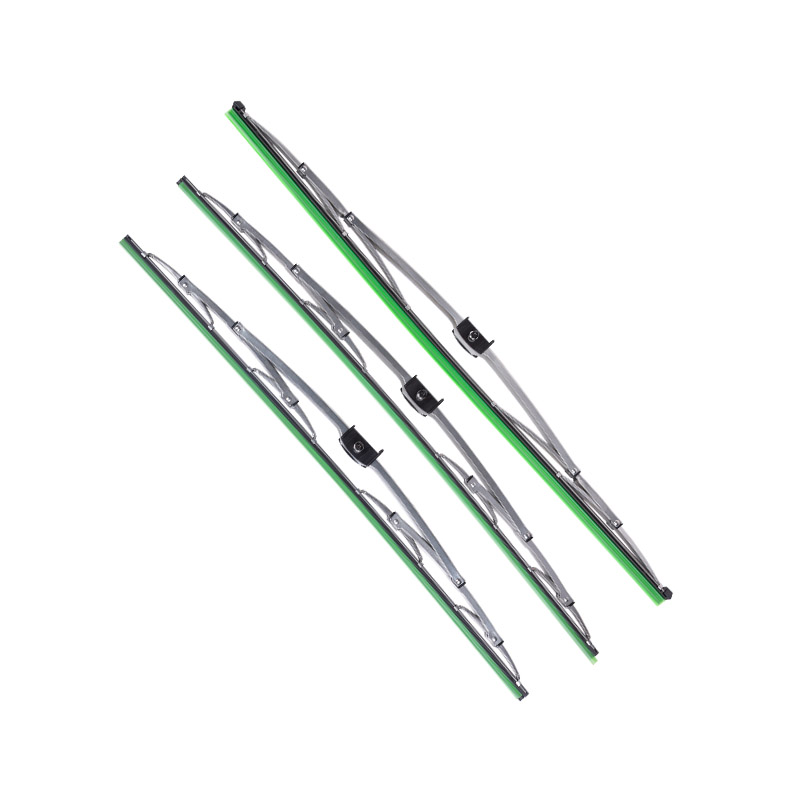
Blades themselves can vary in material and construction. Rubber and silicone blades each have distinct properties; rubber is flexible and effective in standard conditions, while silicone can resist wear and maintain performance in bad temperatures or harsh environments. Additionally, blade length and curvature should match the vehicle's windscreen design to prevent streaking and uneven wiping.
Buses present a unique challenge because of their large windscreens and frequent exposure to rain and dust. A standard car wiper may not provide sufficient coverage or pressure. Windscreen wipers for buses are often longer and paired with more robust motors to handle the increased size and weight of the blades.
Customization for bus wipers may also involve dual-arm or multi-arm configurations to cover wide areas efficiently. Adjustable tension settings and reinforced mounting points ensure that wipers maintain contact with the windscreen even during high-speed travel or in strong winds. Proper integration with the bus's electrical system is also necessary to synchronize multiple wipers and control their speed accurately.
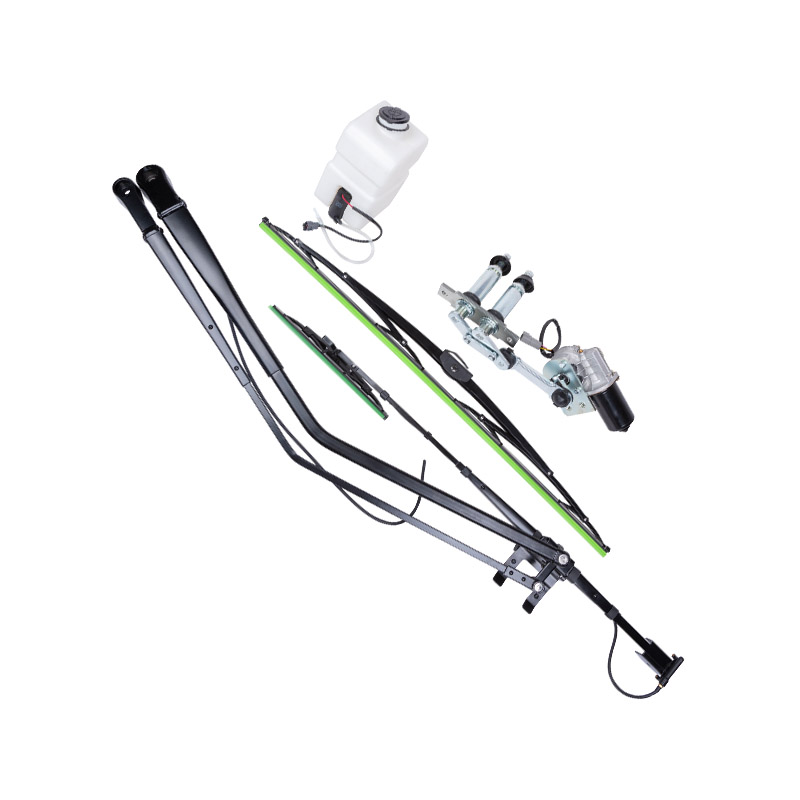
A complete bus wiper arm and blade kit is an essential solution for fleet maintenance. These kits typically include the wiper arms, blades, mounting hardware, and sometimes motor adapters. Using a dedicated kit designed for a specific bus model ensures that all components fit correctly and operate harmoniously.
Kits also simplify replacement and reduce downtime. Fleet operators can replace worn blades and arms with small adjustment, avoiding the need for trial-and-error fitting. Furthermore, kits that match the bus's windscreen design help maintain consistent wiping performance, which is particularly important for passenger safety.
Integration and Performance Testing
Customization doesn't end with selecting components. Testing the wiper system under real-world conditions is crucial. Wiper performance should be evaluated across different rainfall intensities, speeds, and temperatures. For buses and other special vehicles, testing should also consider factors such as vibration, exposure to sunlight, and debris impact.
By identifying potential weaknesses through testing, adjustments can be made to arm tension, blade material, or motor specifications. This approach ensures the wiper system performs reliably in daily operation and bad weather, reducing the risk of accidents and extending the lifespan of components.
Wiper system customization is a key consideration for special vehicles like buses, construction machinery, and agricultural equipment. Focusing on the wiper arm and blade, choosing the appropriate windscreen wiper for buses, and using dedicated bus wiper arm & blade kits can significantly improve visibility, safety, and reliability. Proper selection, installation, and testing of these components ensure that special vehicles operate smoothly in various weather conditions and demanding environments.