

 English
  Español
  русский
 The electrical efficiency of a wiper motor is a crucial factor in ensuring the reliability and performance of vehicle wiper systems. Different types of vehicles, from passenger cars to boats, rely on efficient wiper motors to maintain clear visibility under various weather conditions. Understanding how wiper motors work and how their efficiency can be optimized helps in extending the lifespan of the entire wiper system and ensuring consistent operation.
Front Windshield Wiper Motor Functionality
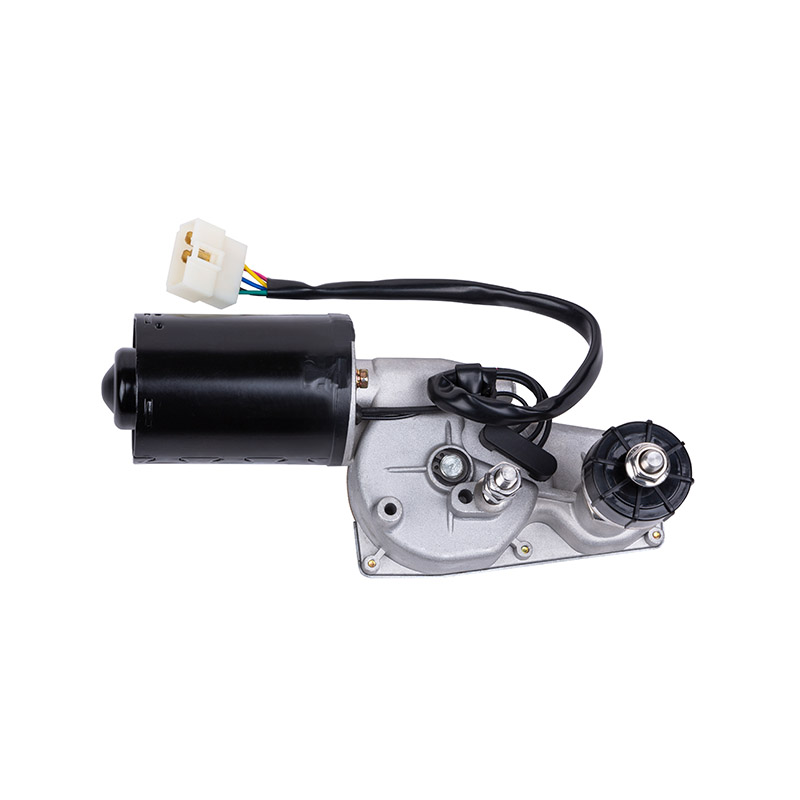
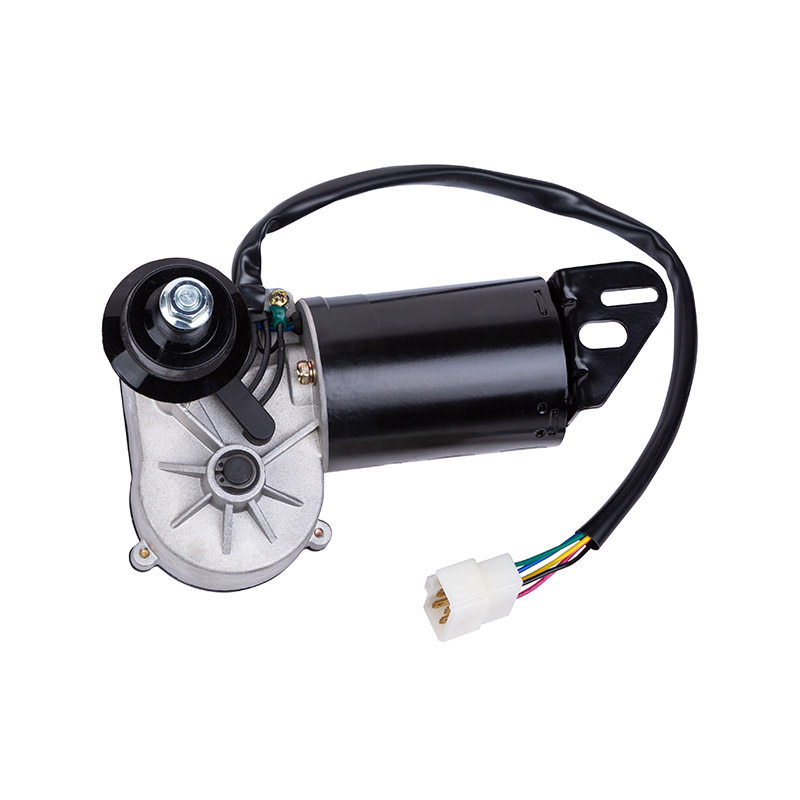
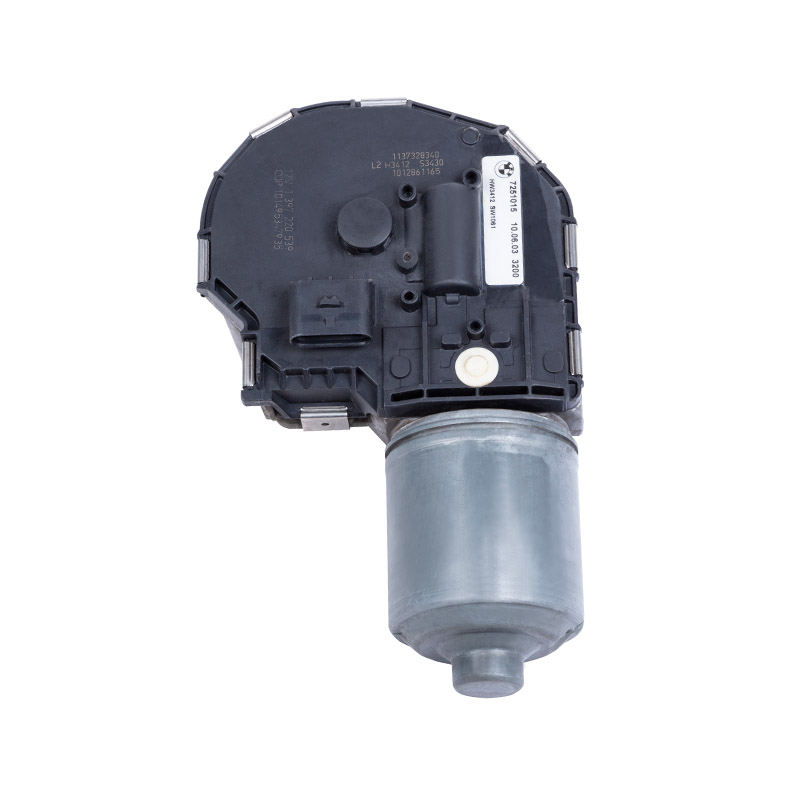
The front windshield wiper motor is responsible for converting electrical energy into mechanical motion to drive the wiper arms and blades. Its efficiency directly affects the speed and smoothness of the wiper operation. A well-designed wiper motor can maintain a stable speed even under heavy rainfall or when the windshield is loaded with debris. Electrical efficiency is influenced by factors such as motor winding design, voltage control, and the quality of internal components. For vehicles operating in urban or rural settings, the wiper motor must adapt to varying demands without drawing excessive electrical current, which could impact the overall vehicle electrical system.
Routine maintenance can also influence motor efficiency. Regular checks on motor connections, lubrication of moving parts, and inspection of the wiper linkage help reduce electrical resistance and mechanical load. By keeping the motor and associated components in good condition, the system maintains consistent energy use, which can reduce strain on the vehicle's battery and alternator.
Railway Windscreen Wiper Systems
Rail vehicles operate under demanding conditions, often exposed to high speeds, vibrations, and bad weather. Railway windscreens require wiper motors that are electrically efficient to ensure long-term reliability and safe operation. The electrical efficiency of a wiper motor in a rail system affects its ability to clear the windshield quickly without excessive power consumption.
Rail wiper motors are typically designed for heavy-duty use, with reinforced housings and specialized electrical components that can withstand continuous operation. Motors that are efficient reduce heat generation, helping prevent premature wear and reducing maintenance needs. Engineers also consider energy consumption in the context of the train's electrical system, ensuring that the wiper motor does not interfere with other onboard systems or compromise overall energy management.
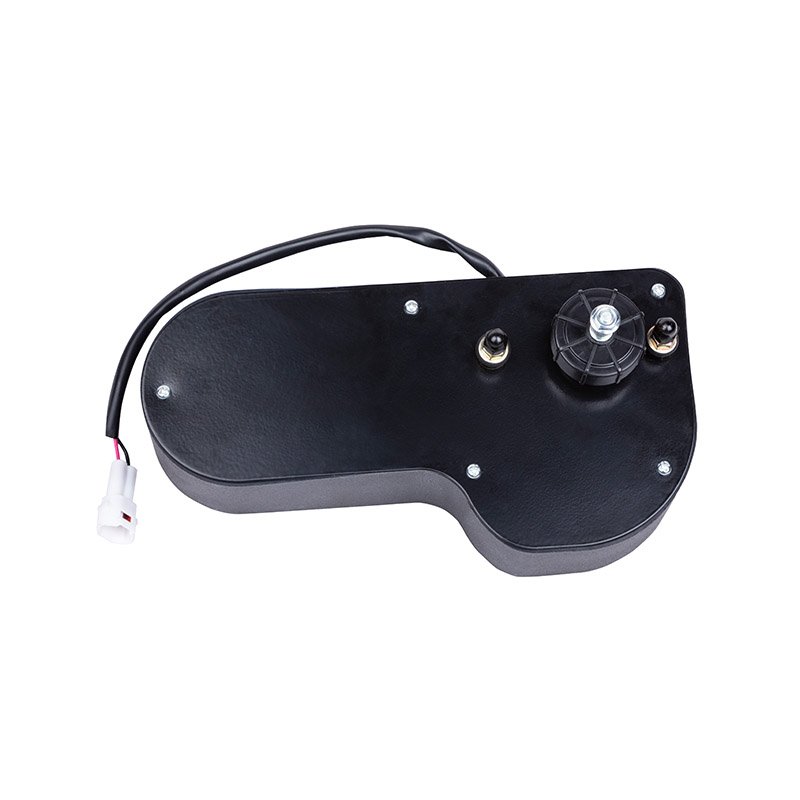
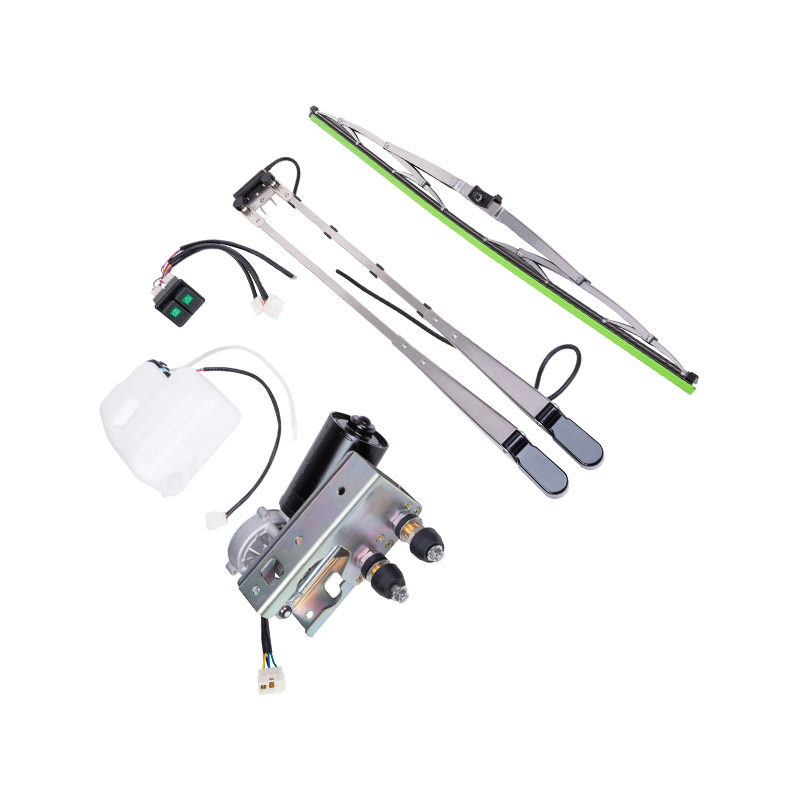
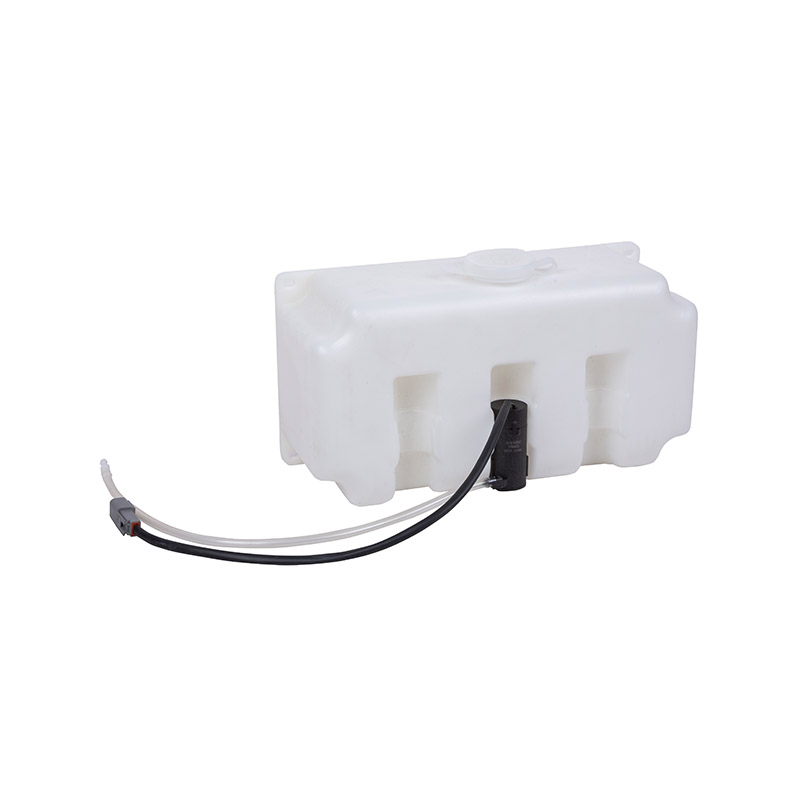
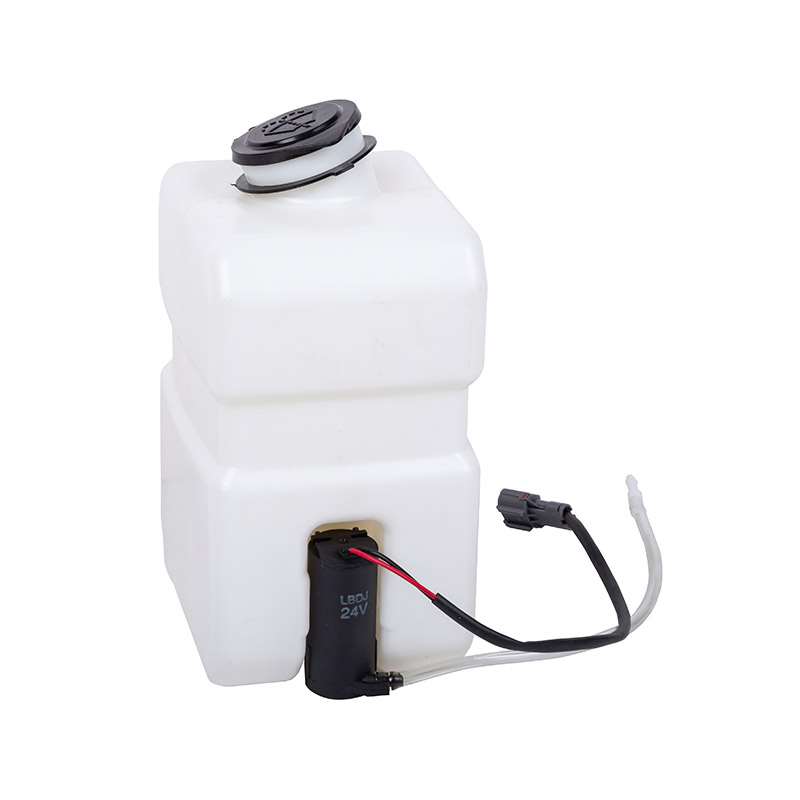
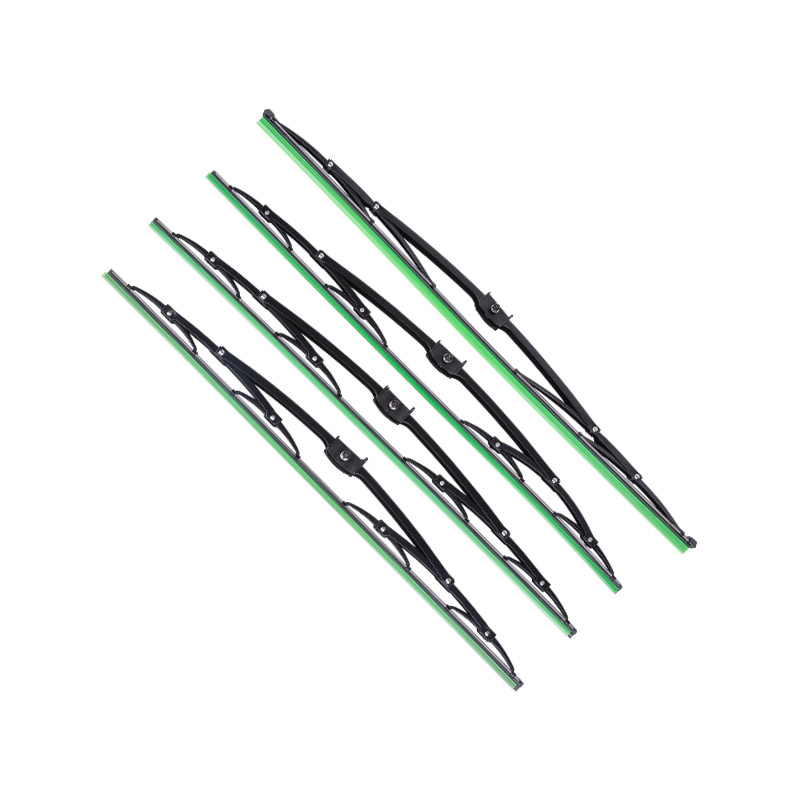
Marine environments present unique challenges for wiper motor performance. Boat wipers must resist saltwater corrosion, humidity, and sudden weather changes, all while operating efficiently on the vessel's electrical system. Boat wipers and components are often paired with motors designed to handle variable loads, from light rain to heavy spray during rough seas.
Electrical efficiency in marine wiper motors is particularly important because vessels typically have limited electrical resources. Efficient motors reduce the risk of battery drain and allow for longer operation periods without interruption. Additionally, well-designed motors ensure smooth blade movement, which is essential for maintaining visibility and navigation safety. Many marine wiper systems also incorporate variable speed settings that rely on precise electrical control, demonstrating the link between efficiency and overall system performance.
Factors Influencing Wiper Motor Efficiency
Several factors determine the electrical efficiency of wiper motors across vehicles:
Voltage and Current Management: Proper voltage supply and current regulation reduce energy losses.
Motor Design: The internal structure, including winding configuration and materials, affects resistance and heat generation.
Load Handling: Motors that can manage different blade pressures without overloading maintain consistent energy use.
Environmental Conditions: Exposure to moisture, dust, and temperature variations can influence electrical resistance and mechanical friction.
Optimizing these factors ensures that the wiper motor performs reliably while consuming little energy, whether it is installed in a car, a train, or a boat.
Wiper motor electrical efficiency plays a central role in the performance and reliability of vehicle wiper systems. Front windshield wiper motors, railway windscreens, and marine wipers all benefit from motors that deliver consistent motion with controlled energy use. By focusing on proper design, routine maintenance, and environmental considerations, the efficiency of wiper motors can be maintained, supporting clear visibility and safer operation across all types of vehicles.