

 English
  Español
  русский
 Ensuring the proper functioning of wiper systems is essential for the safety and comfort of operators across different vehicles and vessels. Regular inspections can help prevent unexpected failures, improve visibility during adverse weather, and extend the lifespan of components. This article explores practical tips for maintaining swift wiper motors, railway window wipers, and marine windshield wiper systems.
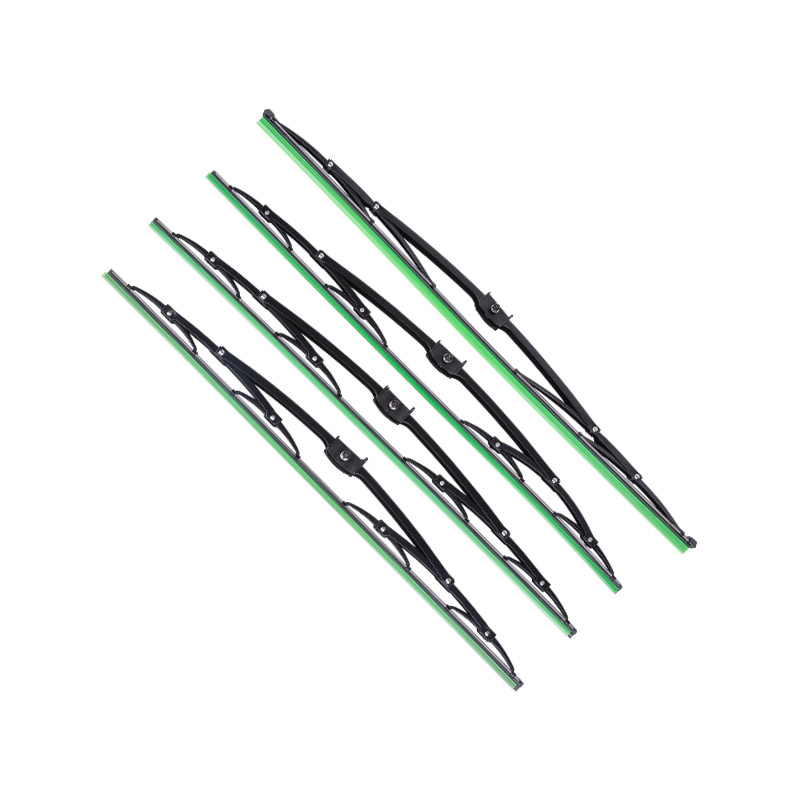
Understanding Wiper System Components
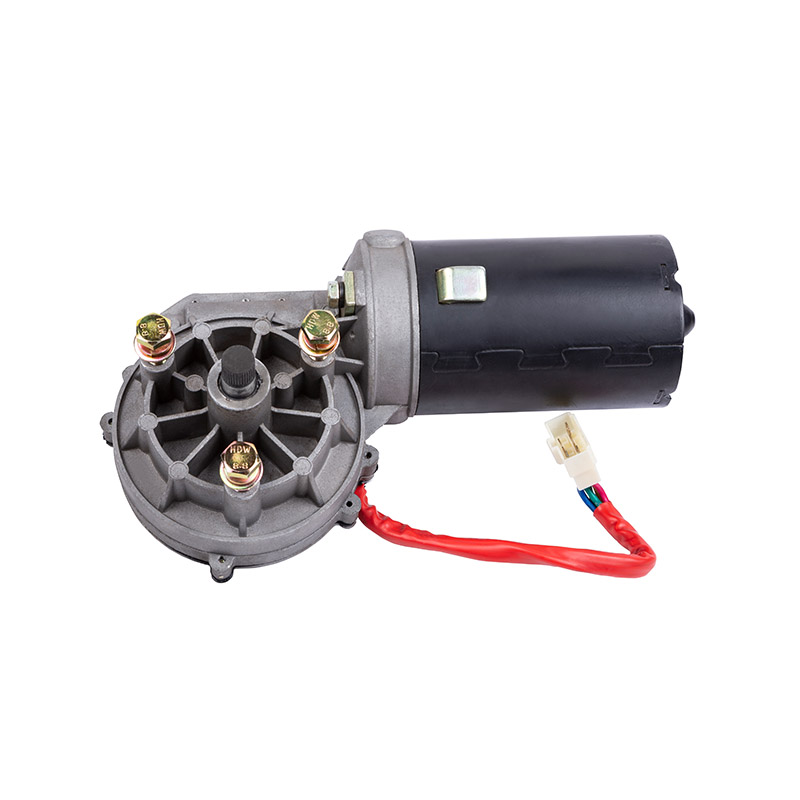
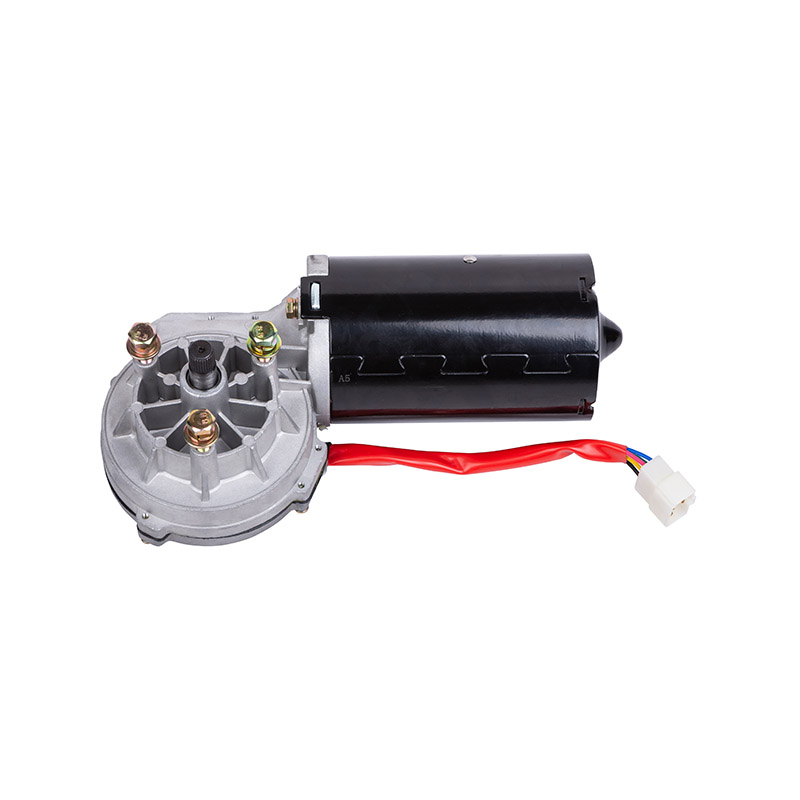
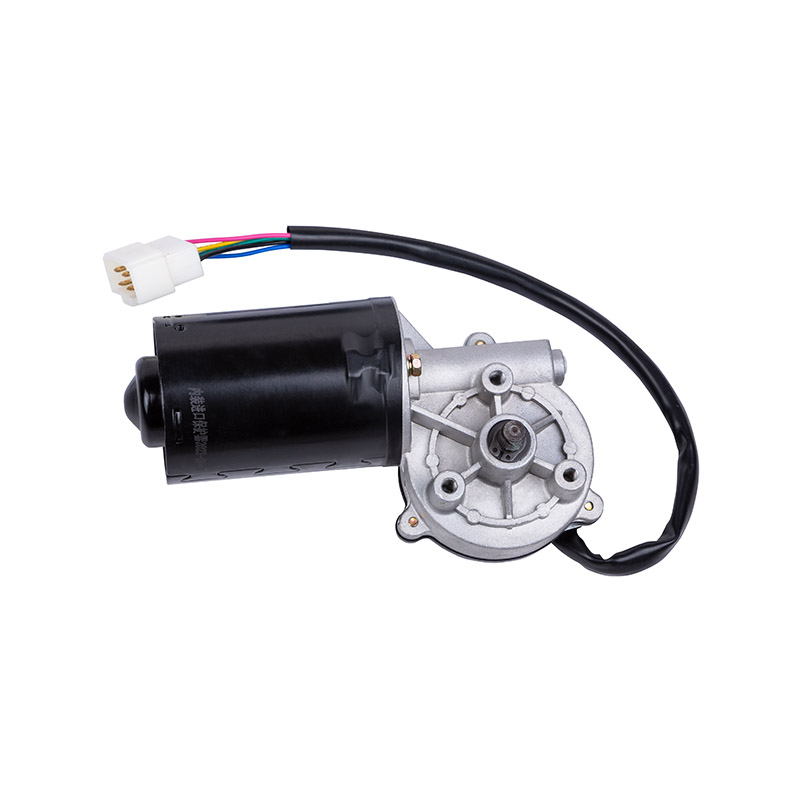
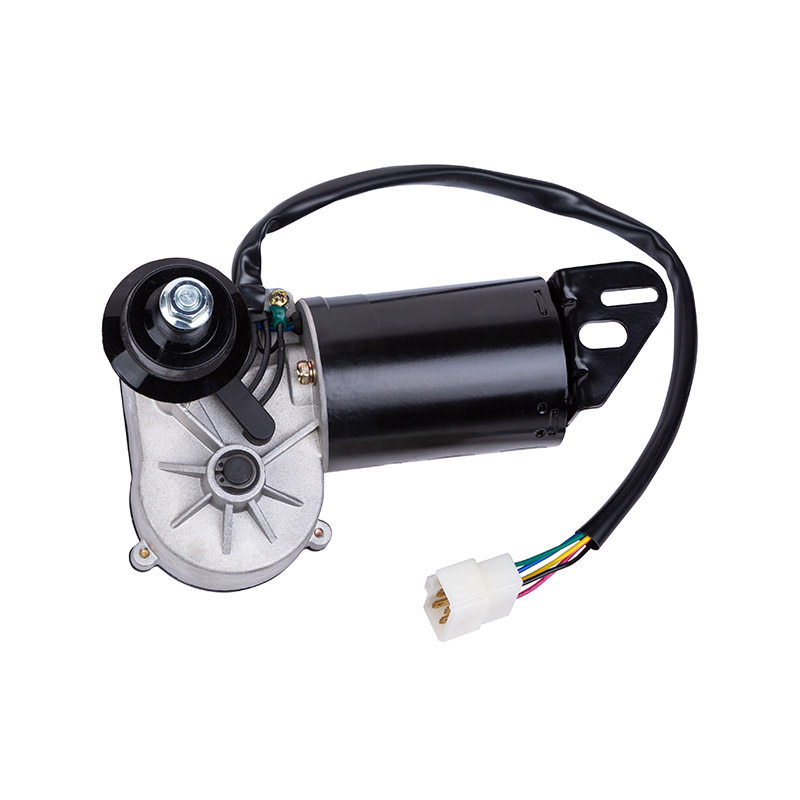
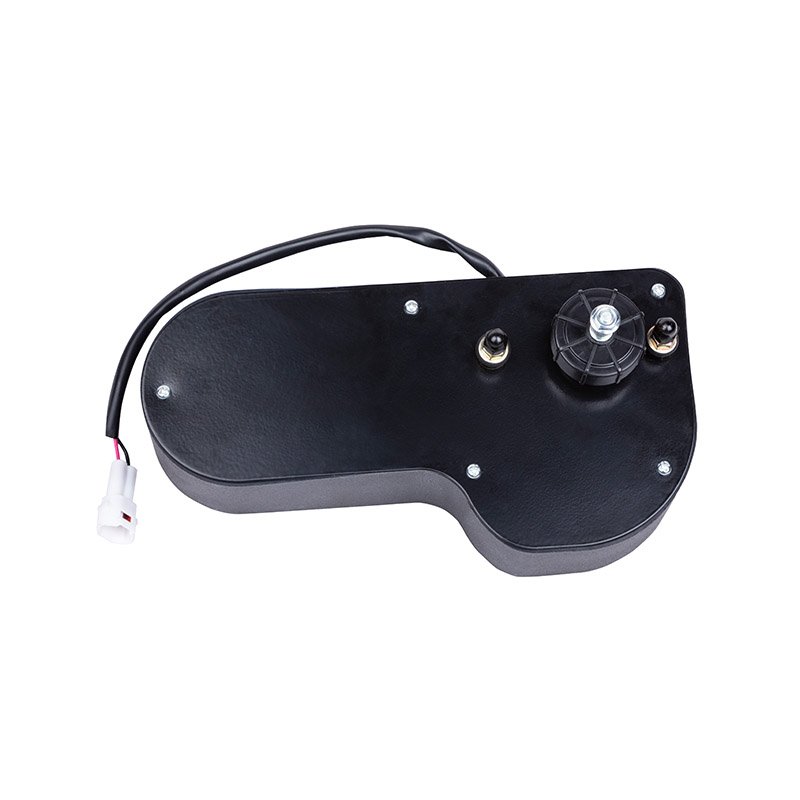
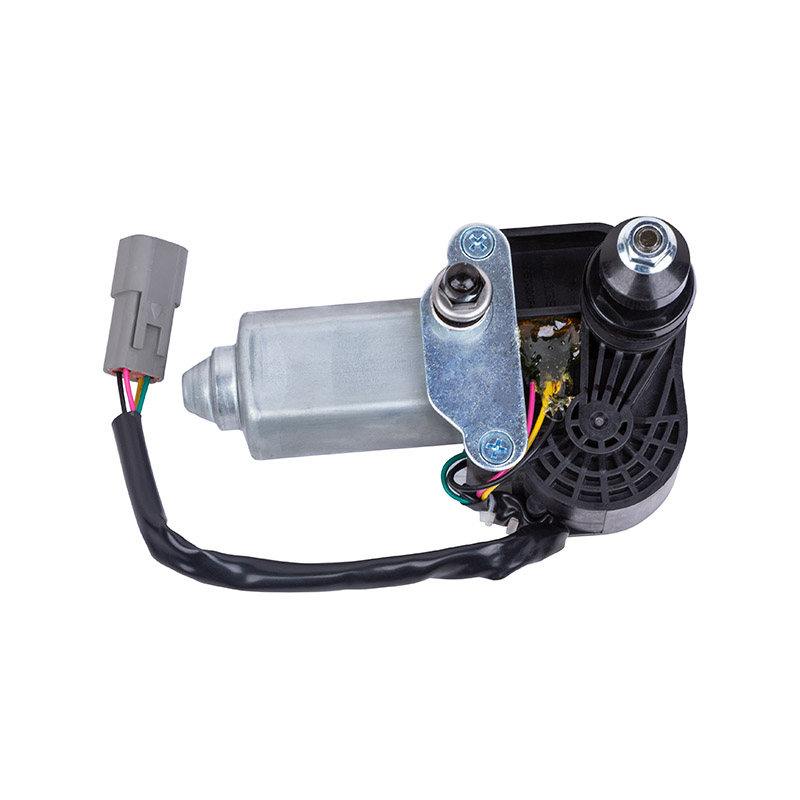
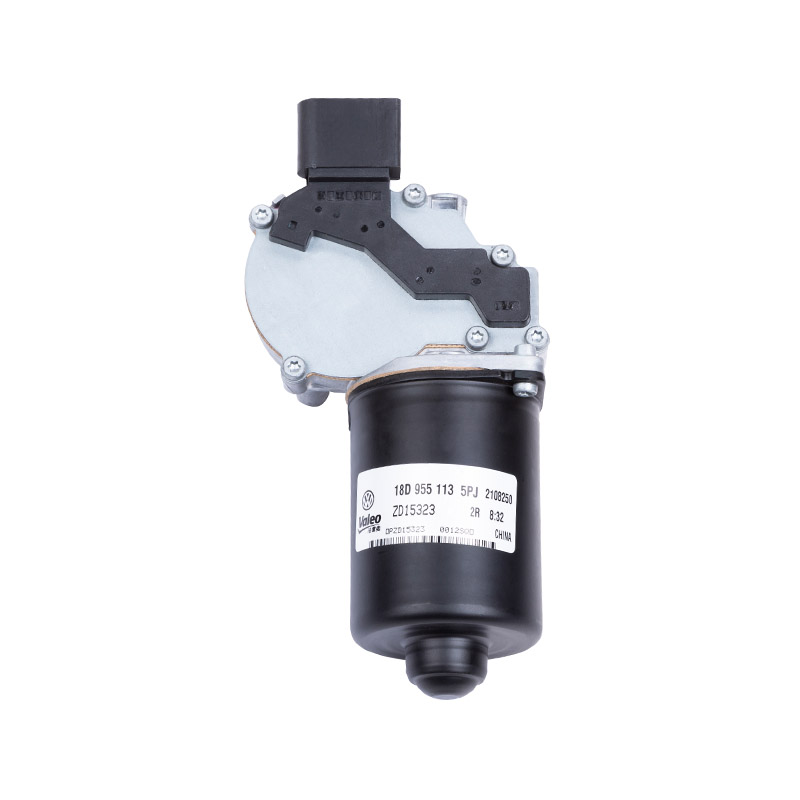
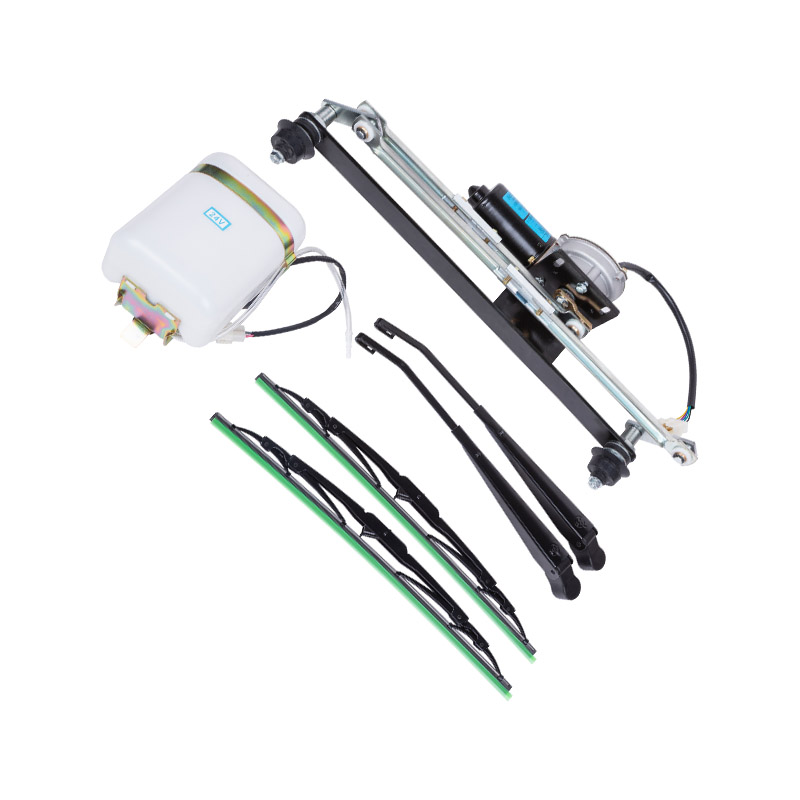
A wiper system consists of several key components, including the wiper motor, wiper blades, wiper arms, and control mechanisms. Swift wiper motors are widely used in modern vehicles due to their compact size and reliable performance. These motors convert electrical energy into mechanical motion to drive wiper arms across the windshield. Proper functioning of the motor is crucial, as a malfunction can leave the operator without visibility during rain or snow.
Railway window wipers are designed to handle large windows and operate under continuous or frequent use. Unlike automotive wipers, railway wipers often face heavy environmental stress, including dust, snow, and vibrations from moving trains. Similarly, marine windshield wiper systems must withstand exposure to saltwater, humidity, and strong winds. Each system requires tailored inspection routines to ensure safety and performance.
Daily and Weekly Checks
Routine inspection begins with visual checks. For swift wiper motors, examine the wiring for signs of wear, corrosion, or loose connections. A small electrical issue can advance to uneven or stopped movement, which can be dangerous during sudden rainfall. For railway and marine systems, ensure that the motor housings are properly sealed and free from water or dust ingress.
Check wiper blades and arms for physical damage or excessive wear. Blades should make full contact with the windshield without streaking or skipping. For railway window wipers, pay attention to heavy-duty arms and their pivot points, as loose joints can reduce wiping efficiency. In marine systems, inspect the blades for corrosion or deformation due to exposure to saltwater. Regular lubrication of pivot points and linkages can help maintain smooth motion.
Functional Tests
Conducting functional tests is a critical part of inspections. Activate the swift wiper motor at different speeds and ensure smooth, uninterrupted motion. For railway window wipers, test multiple units simultaneously if they are linked in a synchronized system. Look for irregular movement or unusual noises, which may indicate worn gears or alignment issues.
Marine windshield wiper systems often include variable speed and intermittent modes. Test all operating modes in dry and wet conditions, if possible, to verify responsiveness. Observe whether the blades return to their resting position correctly and whether the motor maintains consistent torque under load. Early detection of inconsistencies can prevent failures during navigation in stormy conditions.
Maintenance and Preventive Measures
Preventive maintenance extends the life of all wiper systems. Replace worn blades regularly, clean the windshield thoroughly to reduce abrasion, and inspect seals and housings. For motors, ensure proper voltage supply and check for overheating. In railway and marine applications, perform routine inspections according to operational hours or distance traveled rather than purely time-based schedules.
Using high-quality lubricants and corrosion-resistant components can reduce wear and environmental damage. Documenting inspections and maintenance activities helps identify recurring issues, making it easier to implement corrective actions before a failure occurs.
Routine inspection of wiper systems, including swift wiper motors, railway window wipers, and marine windshield wiper systems, is essential for safety and efficiency. By regularly checking electrical connections, blades, arms, and motor performance, operators can prevent unexpected failures and maintain reliable visibility in diverse conditions. Structured inspection routines not only improve operational safety but also contribute to longer component life and reduced maintenance costs. Consistent care and attention ensure that wiper systems perform reliably when they are needed more.