

 English
  Español
  русский
 Wiper systems play a critical role in ensuring visibility and safety across various transportation modes. From rail vehicles to buses and private cars, these systems are continuously evolving to meet increasing demands for efficiency, reliability, and intelligent operation. The integration of smart control technologies is gradually transforming traditional wiper systems into adaptive and responsive components, improving both performance and user experience.
Smart Wiper Control in Rail Wiper Systems
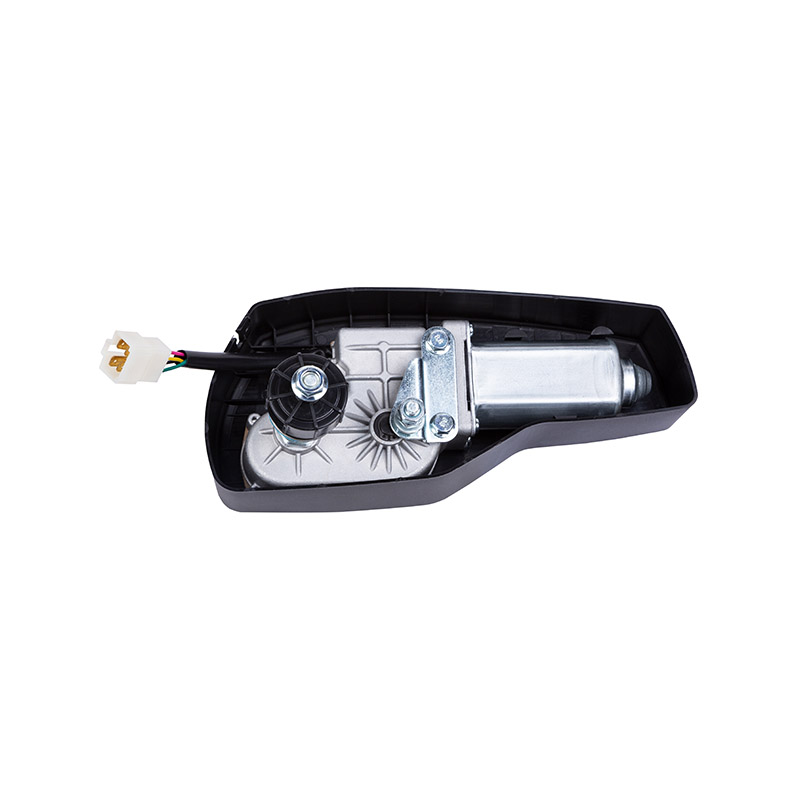
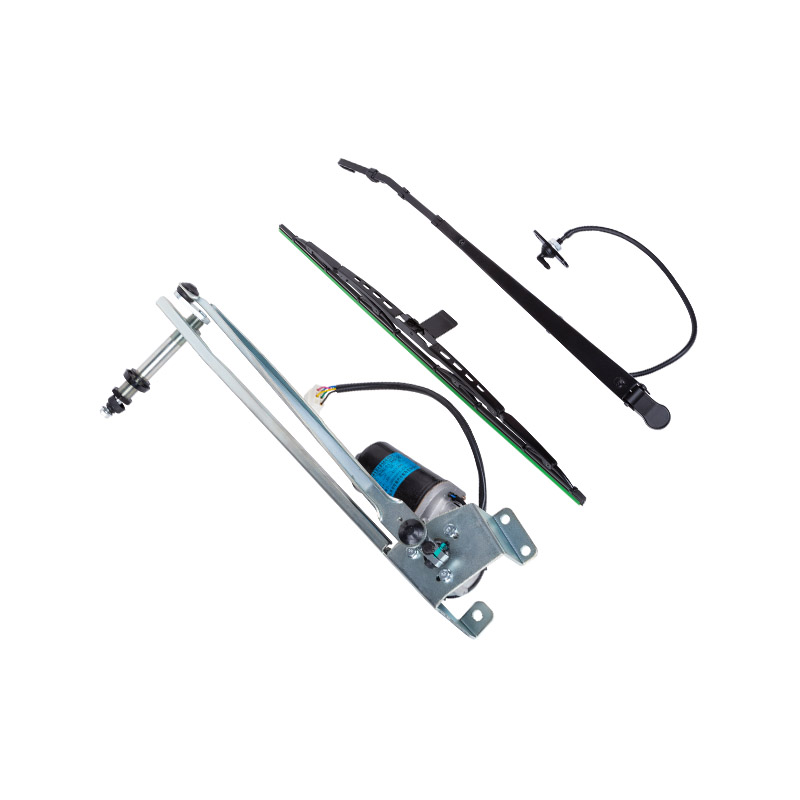
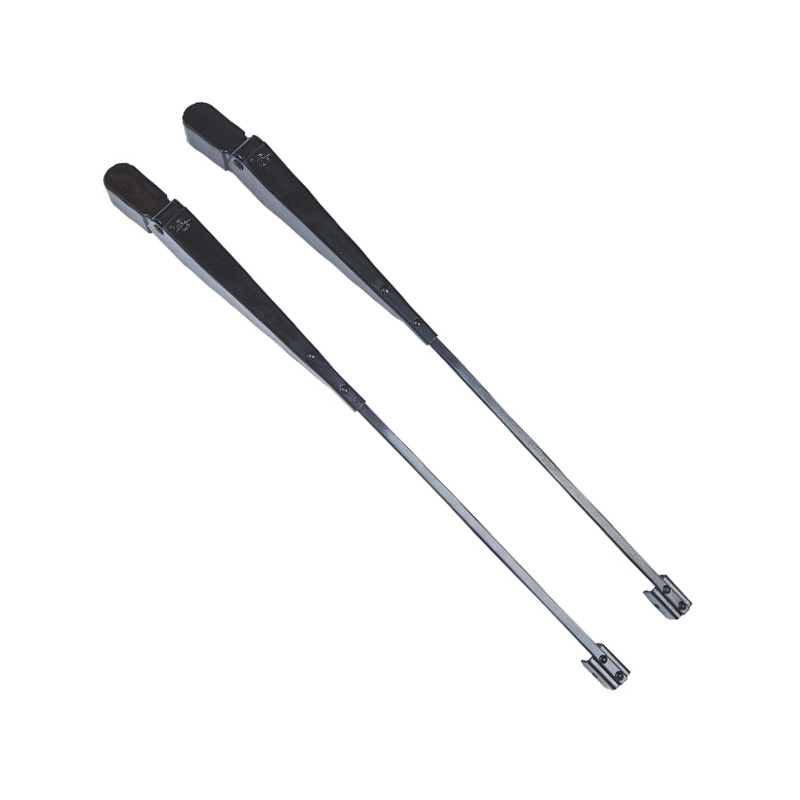
Rail Wiper Systems operate in challenging environments where reliability and durability are essential. Modern smart control systems allow wipers to adjust automatically based on environmental conditions such as rain intensity, snow, or ice formation. Using sensors installed near the windshield, the system can modulate the speed and stroke of the wipers, ensuring good visibility for train operators without manual intervention.
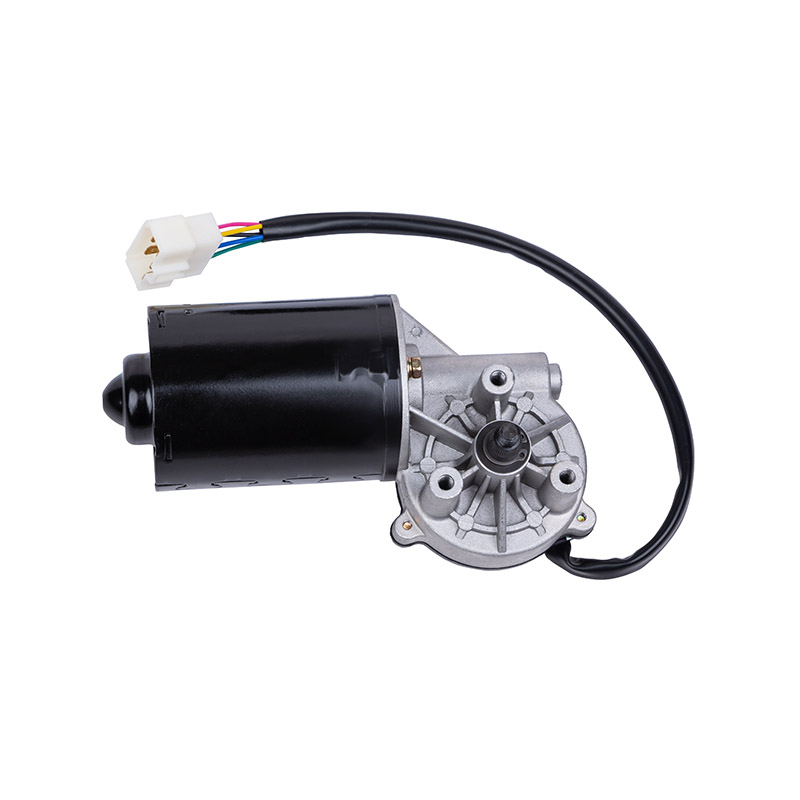
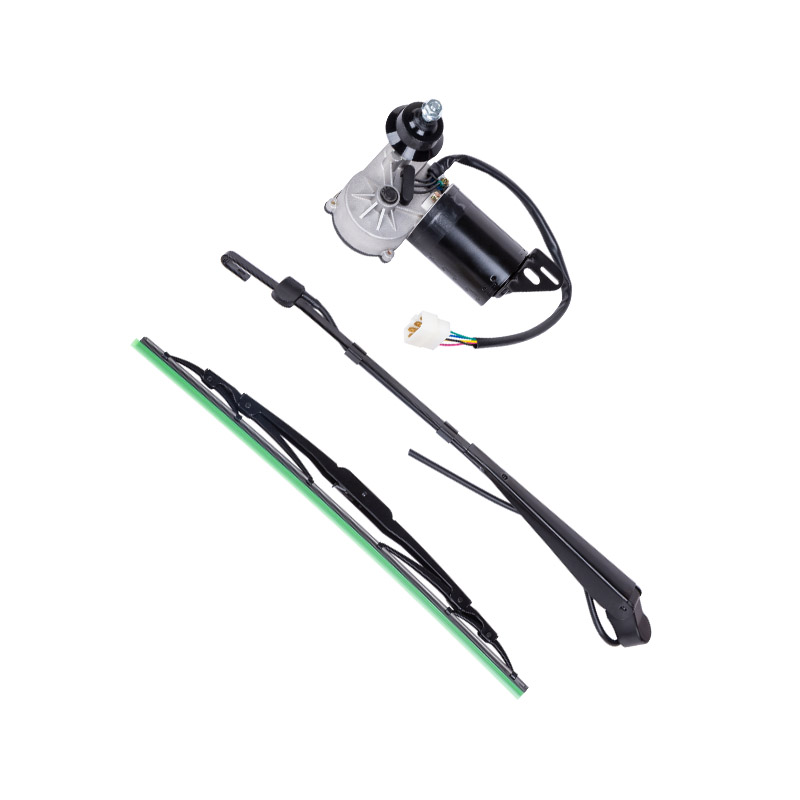
DC wiper motors are commonly used in rail wiper systems due to their durability and ability to deliver consistent torque. When combined with smart controllers, these motors can respond dynamically to changing weather conditions, reducing wear on both the motor and wiper blades while maintaining steady performance. Predictive maintenance technologies are also emerging, enabling operators to monitor motor health and anticipate necessary servicing.
Advancements in Transportation Wiper Systems
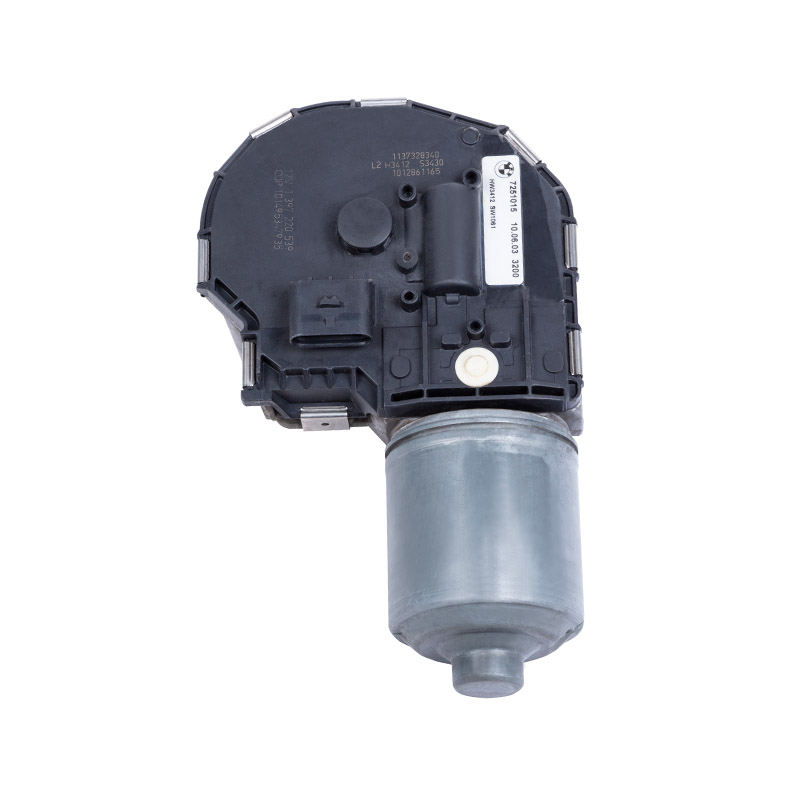
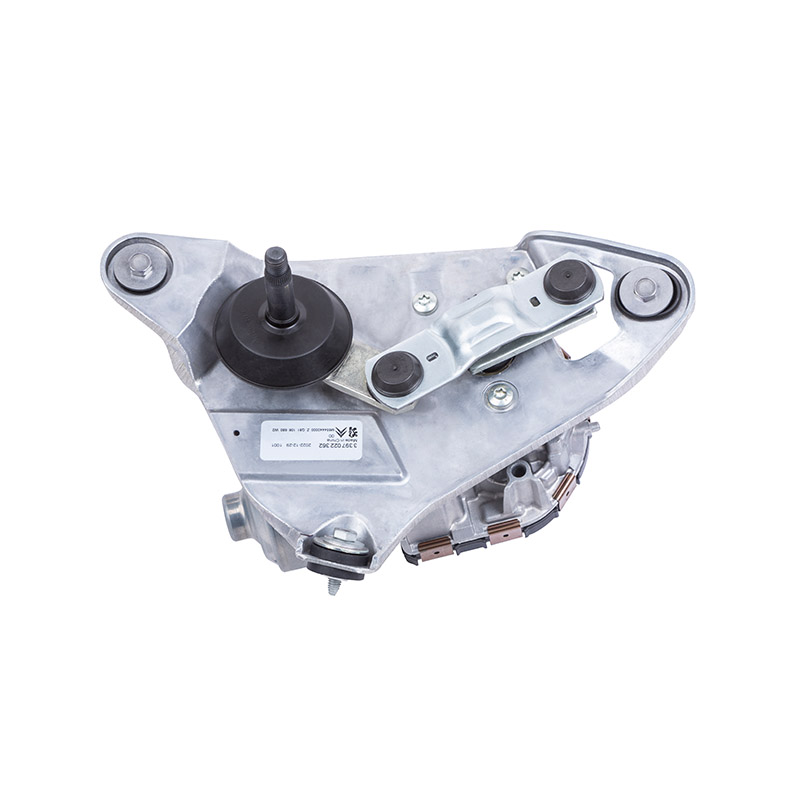
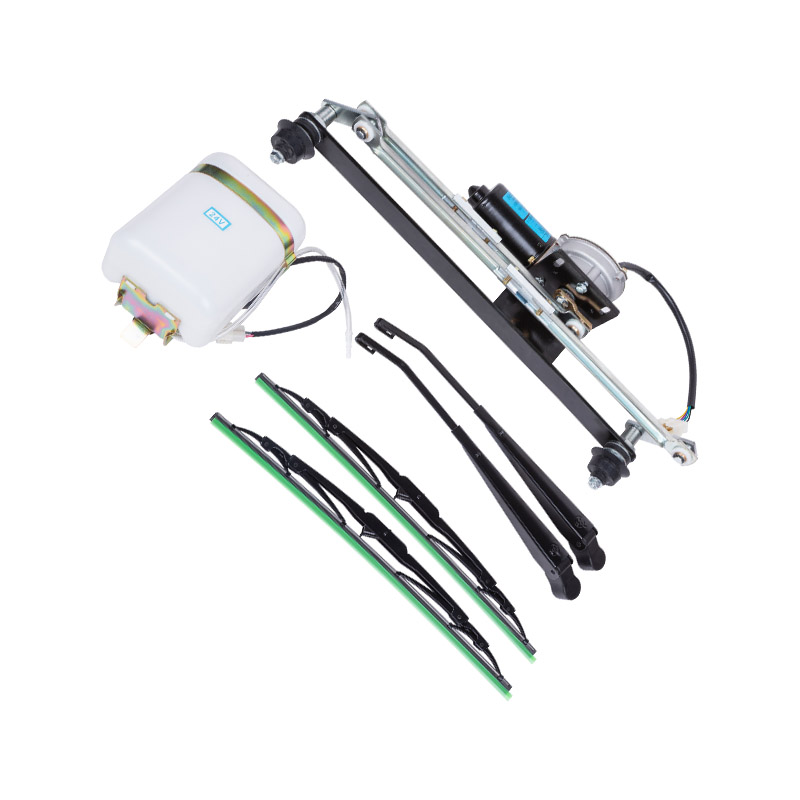
Beyond rail vehicles, transportation wiper systems for buses, trucks, and other public transit vehicles are increasingly integrating intelligent features. Smart controllers allow for adaptive wiping patterns, which vary according to vehicle speed, windshield curvature, and even detected water levels. These systems not only enhance driver safety but also extend the service life of wiper components.
DC wiper motors remain central to these advancements, offering smooth operation and flexible speed control. Paired with microprocessor-based controllers, transportation wiper systems can offer programmable wiping cycles, intermittent modes, and automatic adjustments based on real-time environmental data. Some systems now include integrated heating elements for ice removal, demonstrating how smart technologies enhance the resilience and functionality of wipers in all-weather conditions.
Emerging Technologies and IoT Integration
The future of wiper systems lies in further integration with intelligent transportation systems. Internet of Things (IoT) technology allows wiper systems to communicate with vehicle sensors, weather monitoring services, and predictive maintenance platforms. For instance, data collected from a DC wiper motor in a rail wiper system can be analyzed to predict wear patterns, enabling timely replacement before performance is compromised.
Artificial intelligence and machine learning algorithms are being explored to optimize wiping cycles automatically. These algorithms can consider multiple factors simultaneously, such as rainfall intensity, vehicle speed, windshield shape, and driver behavior, offering a more responsive and efficient wiping experience. For transportation fleets, this level of control could reduce operational costs and improve safety outcomes.
Sustainability and Efficiency Considerations
Smart control technologies also contribute to energy efficiency. By regulating motor speed and stroke length according to actual needs, energy consumption can be lessened without compromising performance. In addition, adaptive systems help reduce material waste by preventing unnecessary wear on wiper blades and mechanical components.
Rail Wiper Systems and transportation wiper systems that incorporate these technologies are increasingly recognized for their ability to operate reliably in diverse climates and challenging environments. These systems demonstrate that smart control is not just about convenience but also about sustainability and long-term performance.
The integration of smart control technologies into wiper systems is reshaping how transportation vehicles maintain visibility and safety. DC wiper motors, when combined with intelligent controllers, provide adaptive, efficient, and reliable operation across rail and road applications. Emerging trends, including IoT connectivity, predictive maintenance, and AI-driven optimization, point toward a future where wiper systems are not only reactive but also proactive in maintaining clear visibility. As transportation continues to evolve, these innovations will play a key role in enhancing safety, efficiency, and resilience for all types of vehicles.