

 English
  Español
  русский
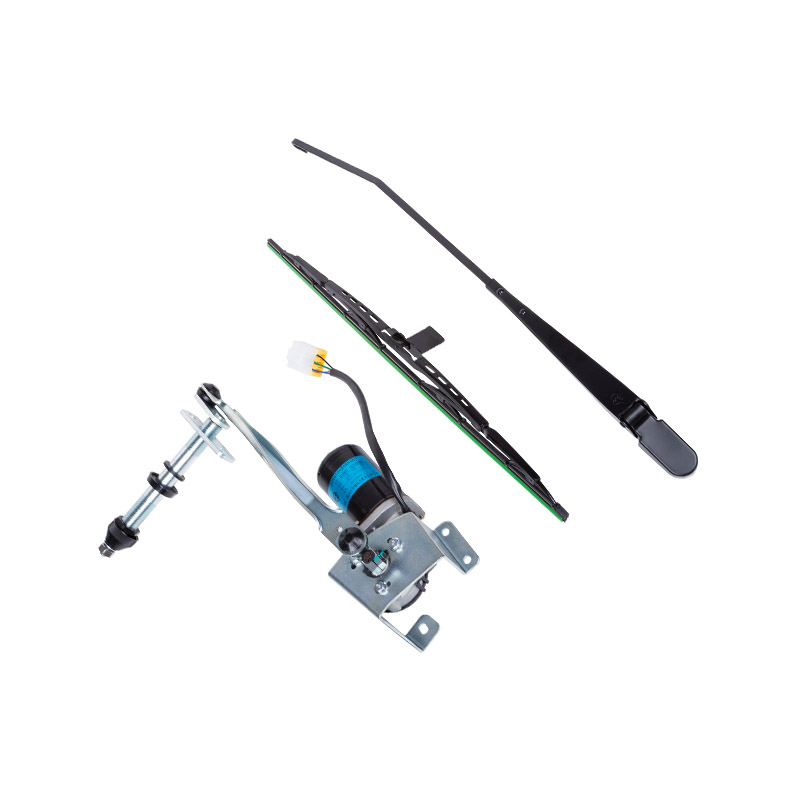
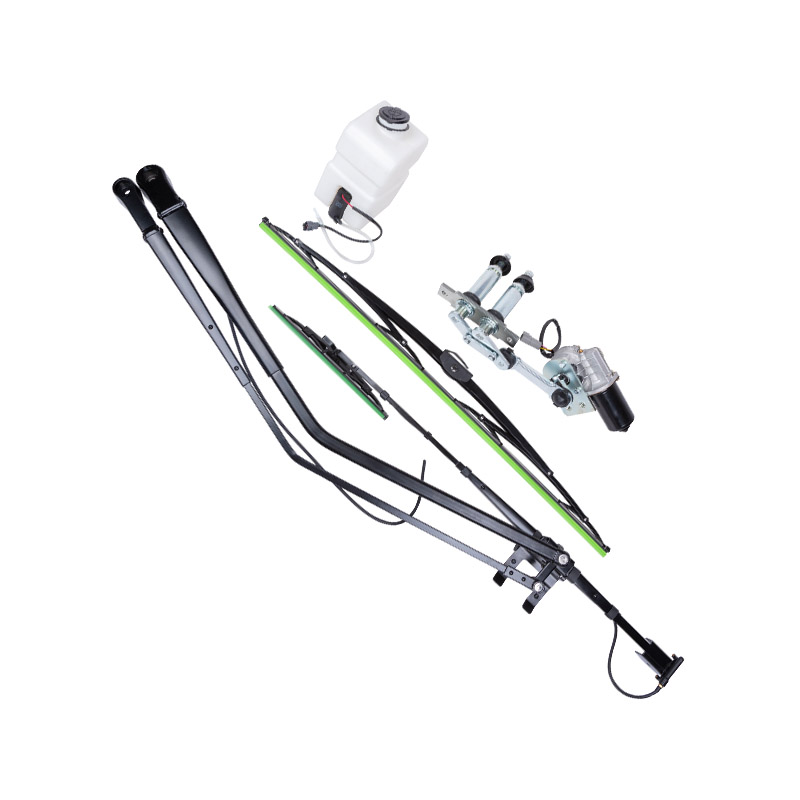
 Understanding the influence of climate differences on wiper system performance is essential for vehicle safety and reliability. Variations in temperature, humidity, and precipitation can affect components such as the wiper arm, wiper blade, and high-torque DC motor. Manufacturers and users alike need to consider these factors to ensure consistent visibility and effective operation in various environments.
Effects of Temperature on Wiper Systems
Temperature plays a significant role in wiper system performance. In badly cold conditions, rubber wiper blades can become stiff and lose flexibility. This may reduce their contact with the windshield, leaving streaks and impairing visibility. Additionally, ice and frost accumulation can place extra strain on the wiper DC motor, especially if it is not designed to handle increased resistance.
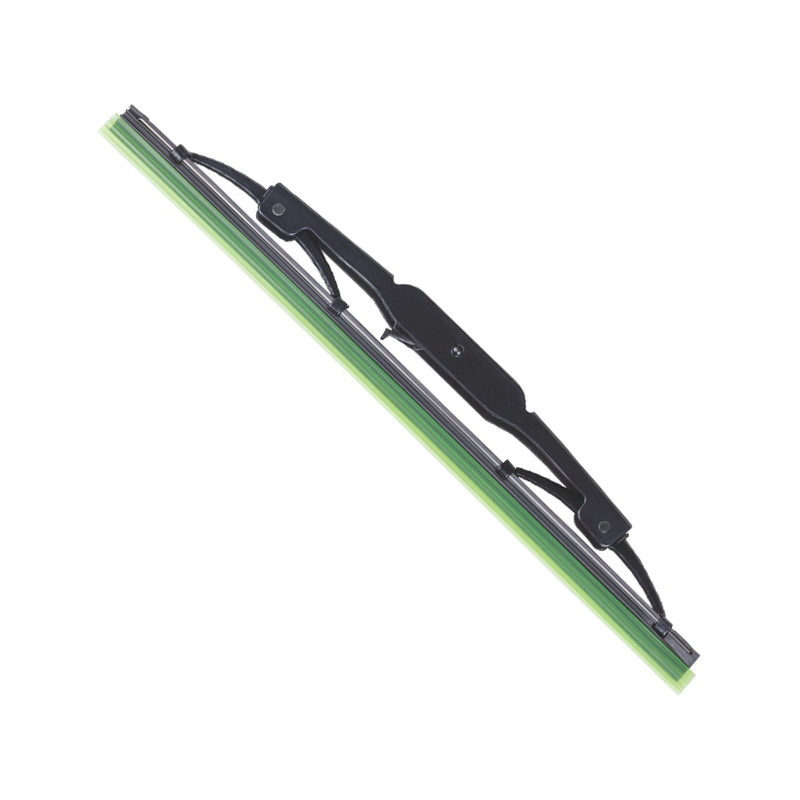
Conversely, in hot climates, prolonged exposure to sunlight can cause wiper blade rubber to harden or crack. Metal parts, including wiper arms, may expand slightly under high temperatures, which can influence the overall pressure applied by the blade. Wiper arm manufacturers often use corrosion-resistant coatings and adjustable tension mechanisms to account for thermal expansion and contraction, helping maintain consistent performance across different climates.
Humidity and Precipitation Considerations
High humidity and frequent rainfall present unique challenges for wiper systems. Constant exposure to water can accelerate corrosion on metal components, particularly the wiper arm and connecting mechanisms. Wiper accessories, including the wiper dc motor housing, require effective sealing to prevent moisture ingress, which could otherwise compromise electrical performance.
Rainwater mixed with dust or sand can create an abrasive layer on the windshield. This increases wear on the wiper blade and may also strain the DC high-torque motor. Selecting durable wiper blades and maintaining proper lubrication for moving parts can help mitigate these effects, ensuring reliable operation during heavy rainfall or humid conditions.
Snow, Ice, and Winter Challenges
Snow and ice are especially demanding for wiper systems. Accumulated snow can block wiper movement, forcing the DC high-torque motor to work harder than usual. In some cases, improper blade selection or insufficient motor strength may advance to premature motor wear or blade detachment. Wiper arm manufacturers often consider winter-specific designs, such as heated blades or reinforced arms, to maintain consistent pressure and prevent damage under icy conditions.
It is also important for operators to clear heavy snow and ice from windshields before activating the wipers. Doing so prevents excessive load on the wiper DC motor and reduces the risk of mechanical failure.
Dust, Sand, and Harsh Environmental Factors
In regions with frequent dust storms or sand, the wiper system can face additional stress. Abrasive particles can scratch the windshield and erode the rubber on wiper blades. Wiper arms and motor housings exposed to fine dust may accumulate debris, potentially obstructing smooth operation. Regular cleaning and inspection of wiper components, along with using protective coatings on wiper arms, can help extend service life and maintain performance.
Motor DC High Torque and System Reliability
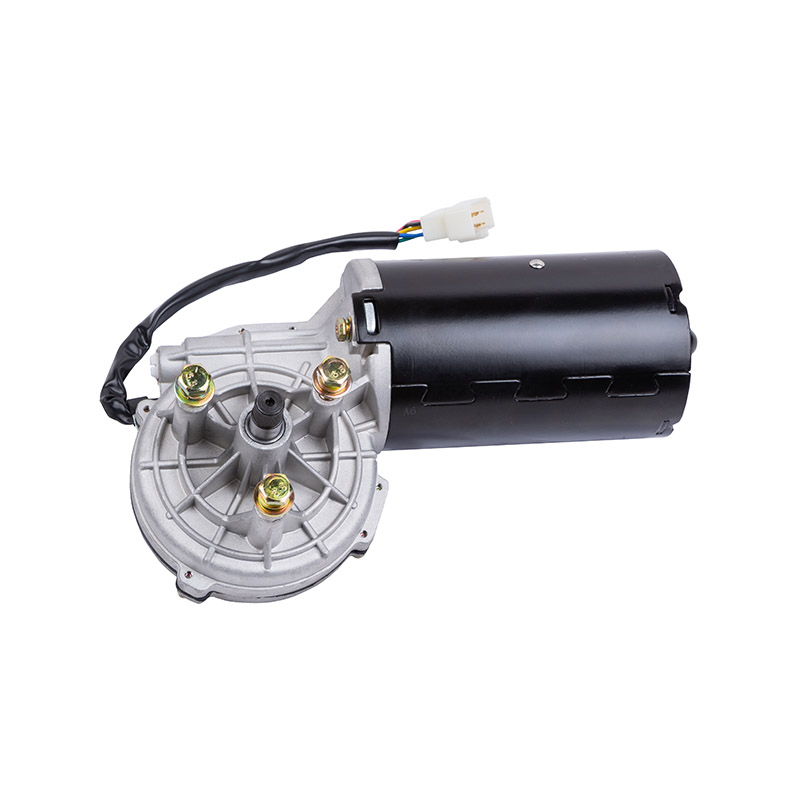
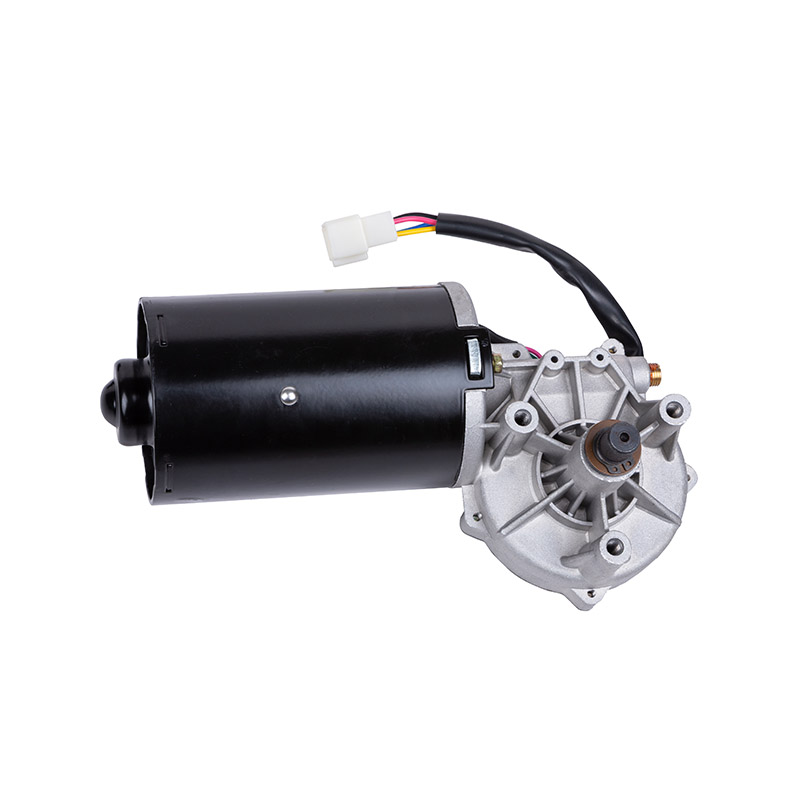
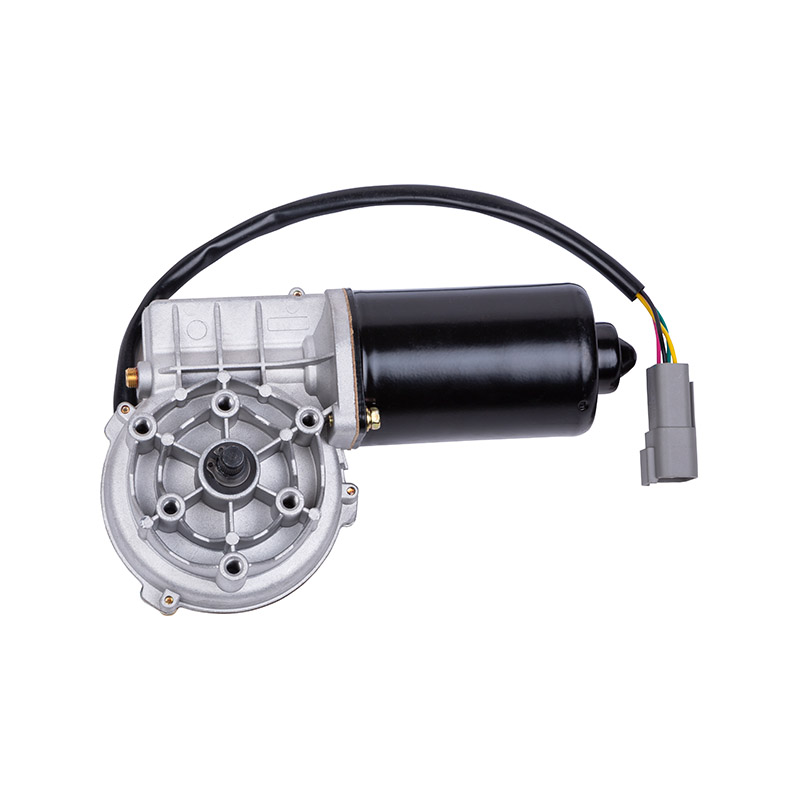
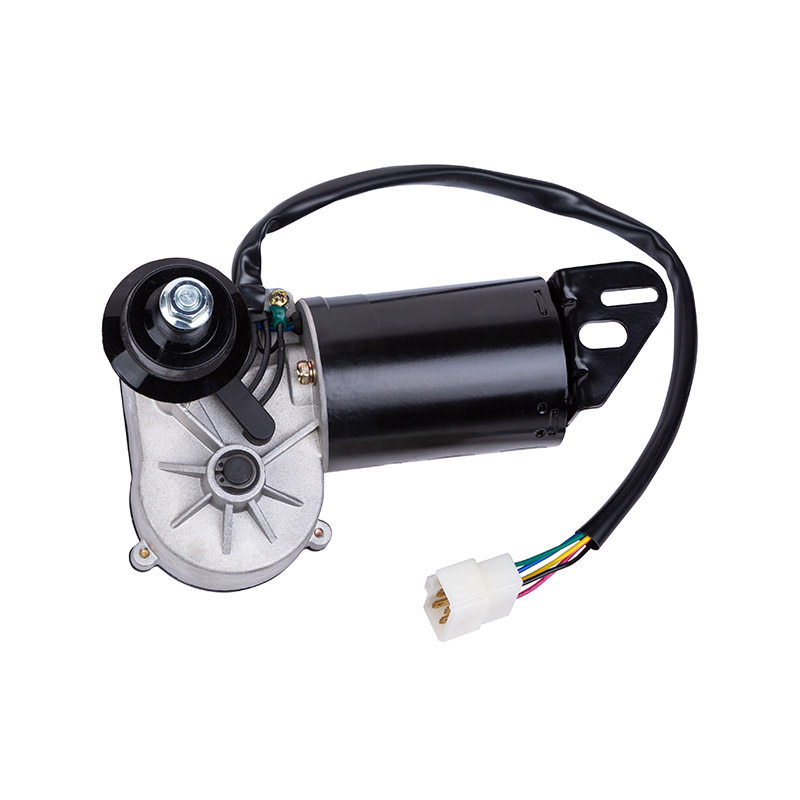
The DC high-torque motor is a critical component in handling diverse climate conditions. In areas with frequent heavy rain, snow, or ice, the motor must deliver sufficient torque to move the wiper blades without strain. Selecting a wiper DC motor rated for higher torque ensures it can overcome resistance caused by environmental factors. Routine maintenance, such as checking electrical connections and inspecting for signs of wear, supports consistent motor performance.
Role of Wiper Arm Manufacturers
Wiper arm manufacturers play a key role in adapting systems for climate variability. By designing arms that can tolerate temperature fluctuations, resist corrosion, and maintain correct blade pressure, they ensure that wiper systems remain effective in different regions. Adjustable or flexible designs help accommodate expansion, contraction, or ice accumulation, preventing damage and improving longevity.
Climate differences have a direct impact on wiper system performance, affecting components from the wiper blade to the DC high-torque motor. Bad temperature, humidity, precipitation, and environmental debris all contribute to potential performance issues. Understanding these challenges and selecting appropriate components, including wiper arms from specialized manufacturers and reliable wiper DC motors, can help maintain visibility, safety, and durability across diverse weather conditions. Regular inspection and maintenance are essential practices that ensure wiper systems perform consistently, regardless of climate challenges.