

 English
  Español
  русский
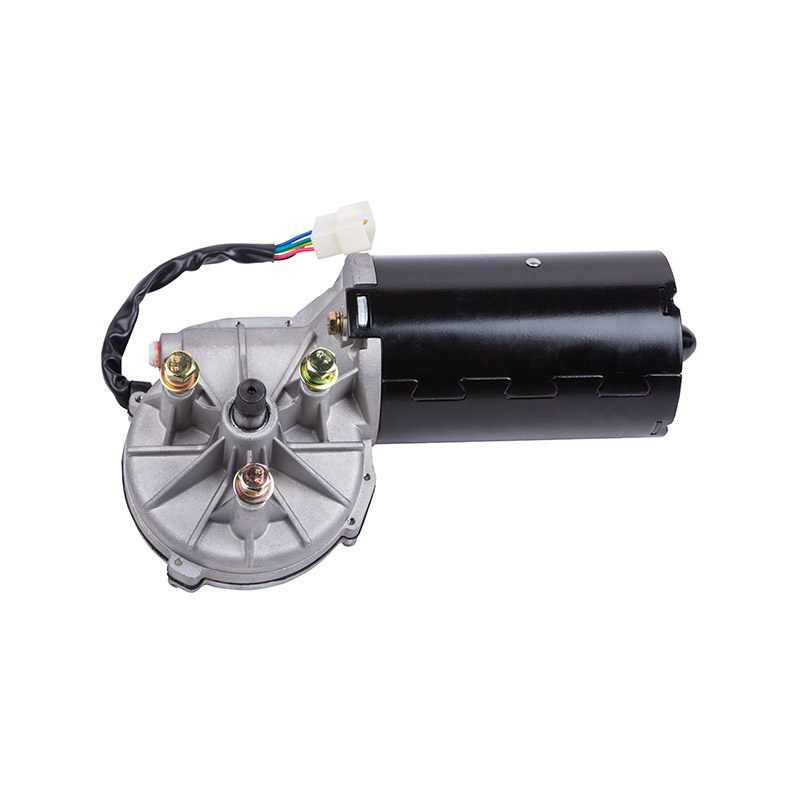
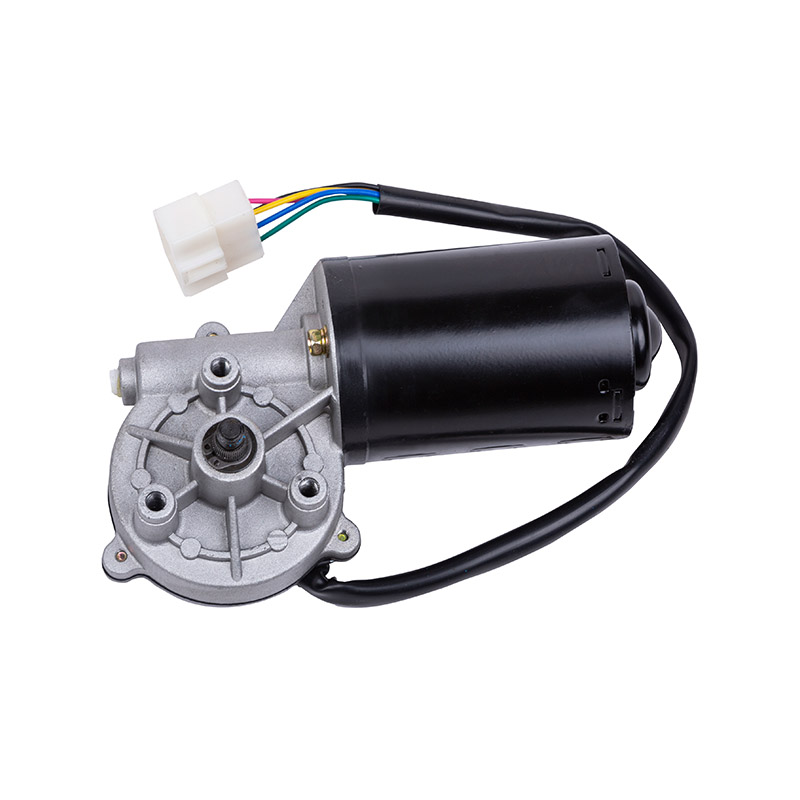
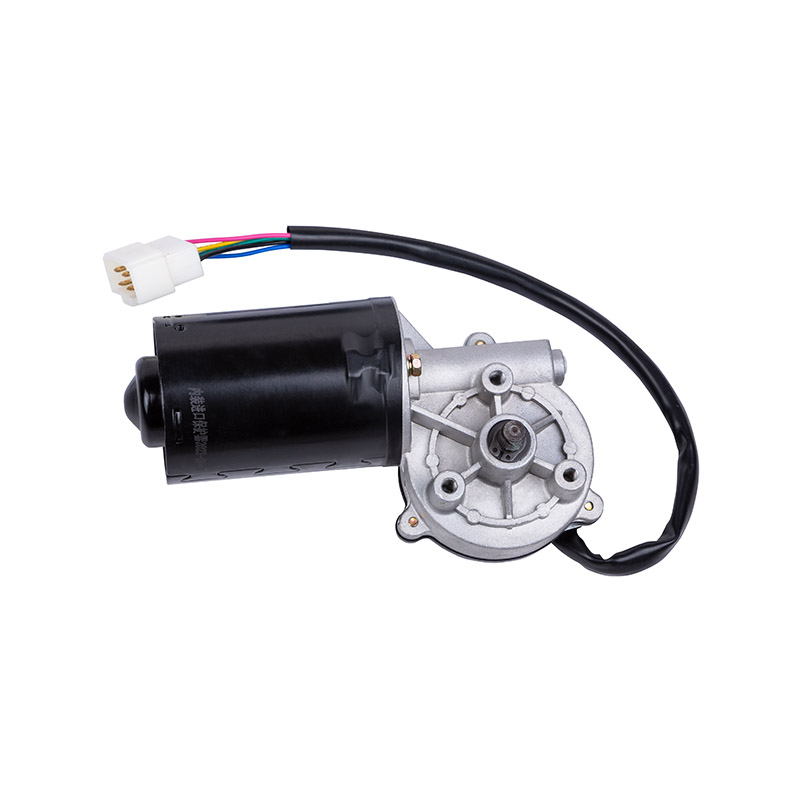
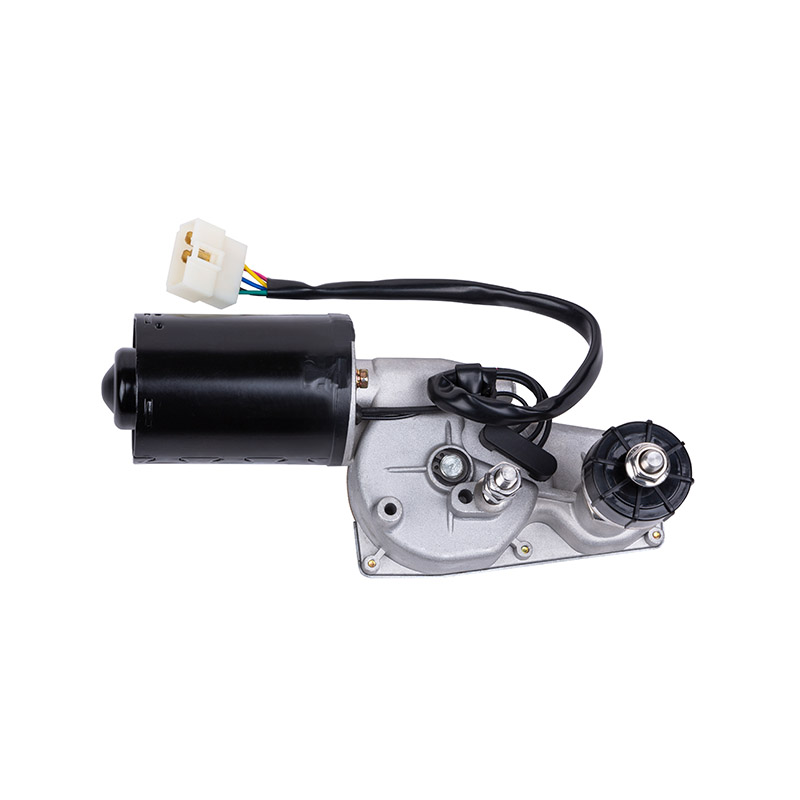
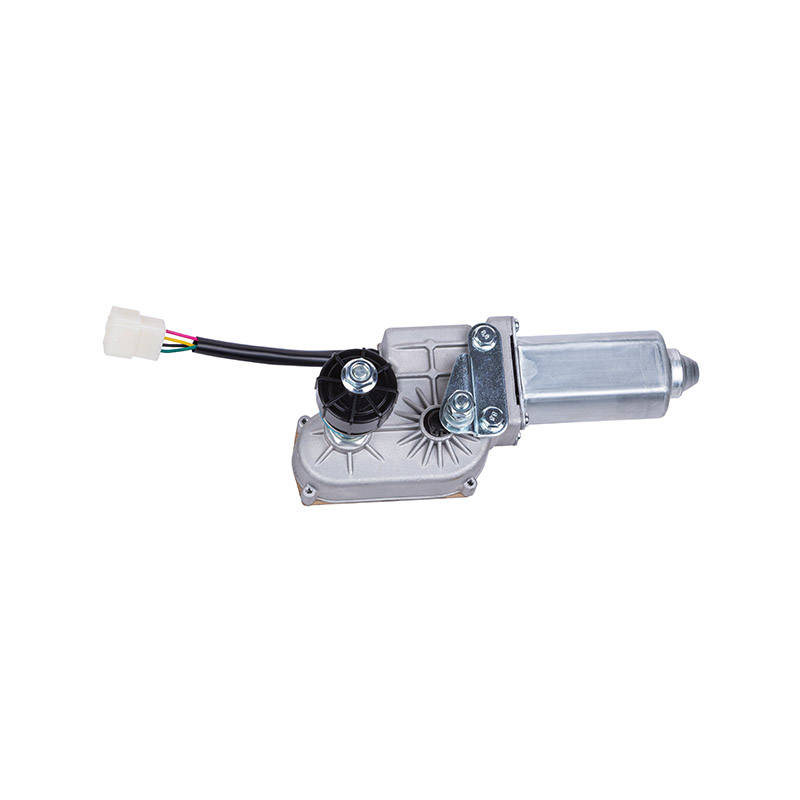
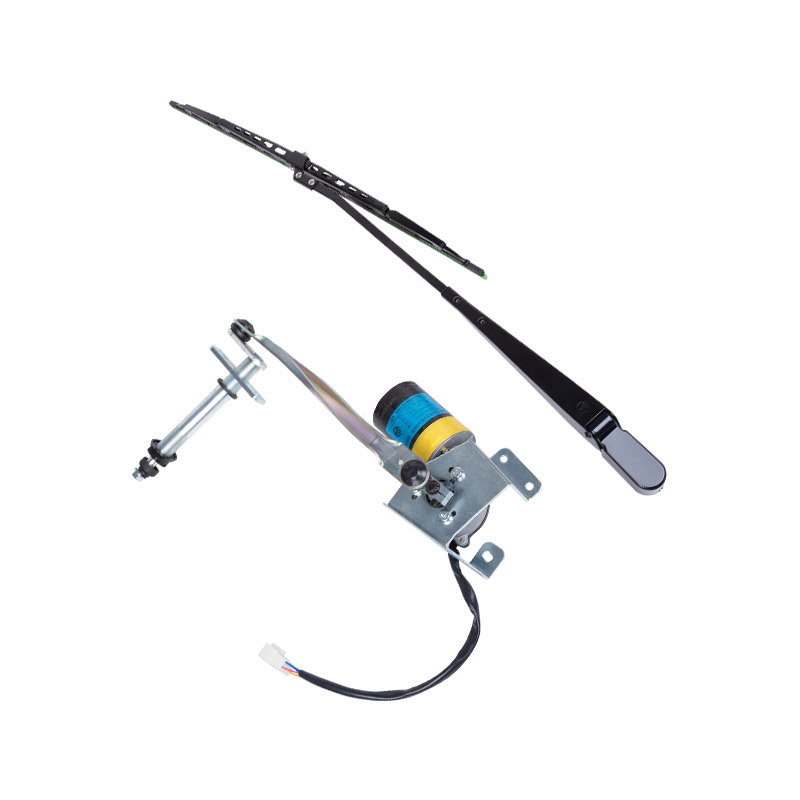
 Clear visibility and a comfortable driving experience often go hand in hand, and a Special Vehicle Wiper Motor or Bus Wiper Motor plays a significant role in both. Beyond moving the wiper blades to keep the windshield clean, these motors influence noise levels inside the vehicle cabin, which can affect driver concentration and passenger comfort. Specially designed wiper motors incorporate features that help reduce operational noise while maintaining consistent performance.
Smooth Motion and Balanced Force
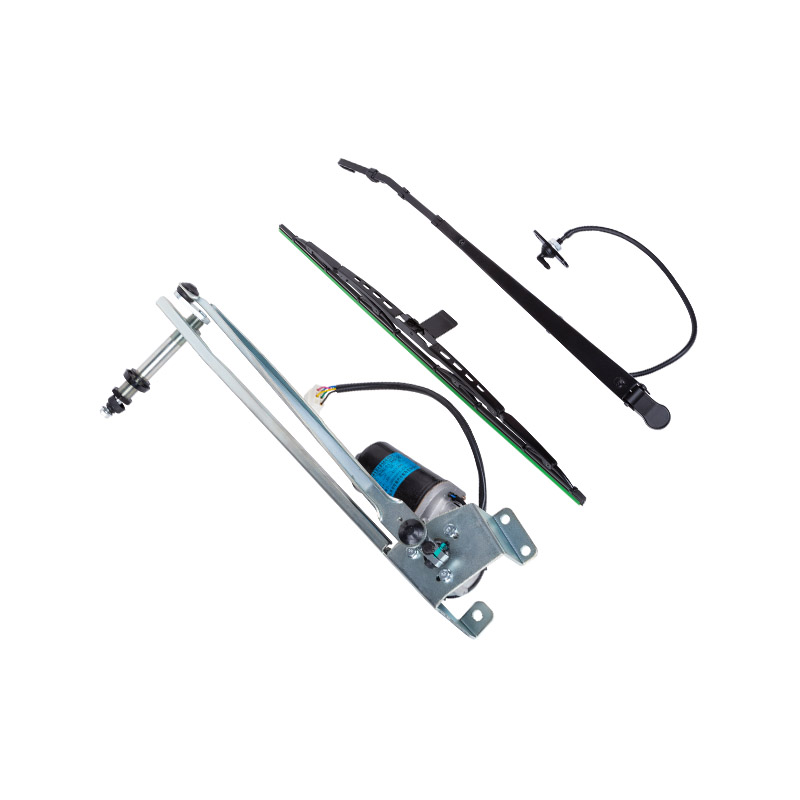
A common source of wiper noise comes from uneven motion or inconsistent pressure along the wiper blade. Special Vehicle Wiper Motors are engineered to distribute force evenly across the wiper arms. This even pressure reduces vibrations and irregular movement, which are often perceived as squeaks or rattles. For buses, where the wiper blades cover a larger surface area, the Bus Wiper Motor ensures that the entire windshield is swept smoothly, reducing noise while maintaining effective cleaning.
Damping and Vibration Control
Noise is not only generated at the point of blade contact but also from vibrations traveling through the motor and vehicle frame. Modern wiper motors include damping mechanisms that absorb excess vibrations and limit transmission to the vehicle cabin. This design helps drivers and passengers experience a quieter environment even when the wipers operate at higher speeds during heavy rain. Consistent vibration control also lowers the stress on wiper components, contributing to longer-lasting operation.
Material Selection and Blade Interaction
The interaction between the wiper blade and windshield surface is another factor influencing noise. Special motors work effectively with wiper blades made from materials that are designed to flex without creating harsh contact points. This combination prevents the scraping or chattering sounds that can occur in conventional systems. For vehicles exposed to varying weather conditions, including frost or heat, the motor’s stable motion supports blades that maintain contact without generating additional noise.
Adjustable Speeds and Responsive Operation
Vehicle Wiper Motors often come with multiple speed settings to match weather intensity, while Bus Wiper Motors are designed for larger windshield areas that require more precise timing. Smooth acceleration and deceleration of the motor help prevent sudden jerks or stops, which can contribute to operational noise. Drivers can adjust the wiper speed according to rainfall or snow levels, maintaining visibility without creating additional sound disturbances.
Maintenance and Long-Term Performance
Operational noise can increase over time if wiper motors or blades are not maintained properly. Special wiper motors are designed for easier inspection and maintenance, allowing operators to identify worn components or misaligned arms before they cause noise issues. In buses and larger vehicles, this helps ensure that the system continues to function smoothly over extended periods, supporting both visibility and passenger comfort.
Enhancing Cabin Comfort
Reduced operational noise is particularly important in vehicles used for public transport or long-distance travel. Quieter wiper operation contributes to a calmer cabin environment, helping drivers focus on road conditions and reducing fatigue during long trips. Passengers benefit from the reduction in repetitive scraping sounds, making journeys less stressful and more comfortable.
By maintaining smooth motion, balancing force across the wiper arms, and incorporating vibration damping, special Vehicle Wiper Motors and Bus Wiper Motors contribute to quieter operation while preserving windshield cleaning efficiency. These features support both driver concentration and passenger comfort, offering a practical improvement that enhances the overall driving experience in everyday and challenging conditions.