

 English
  Español
  русский
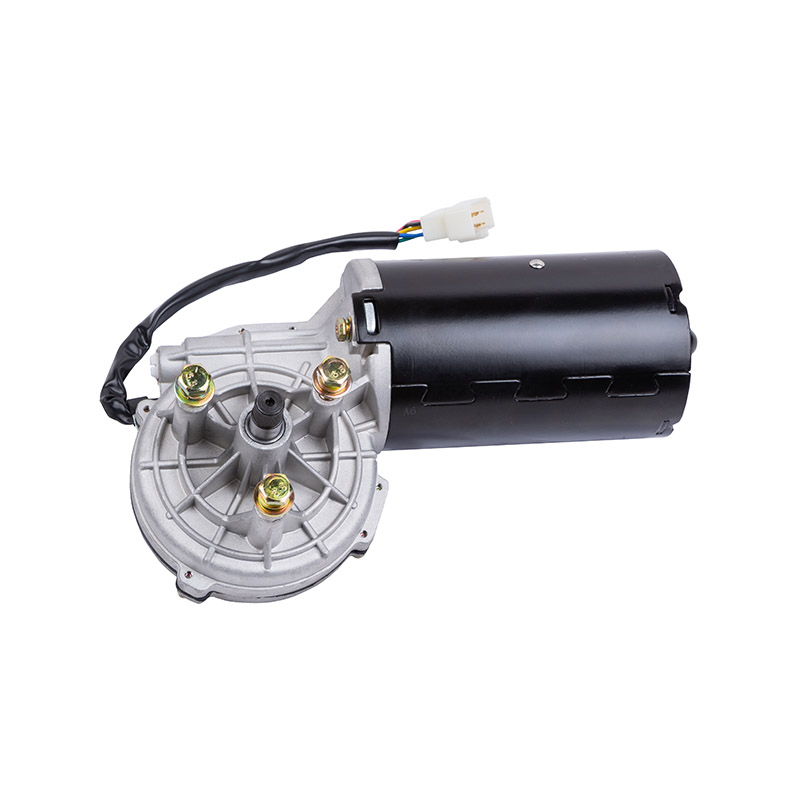
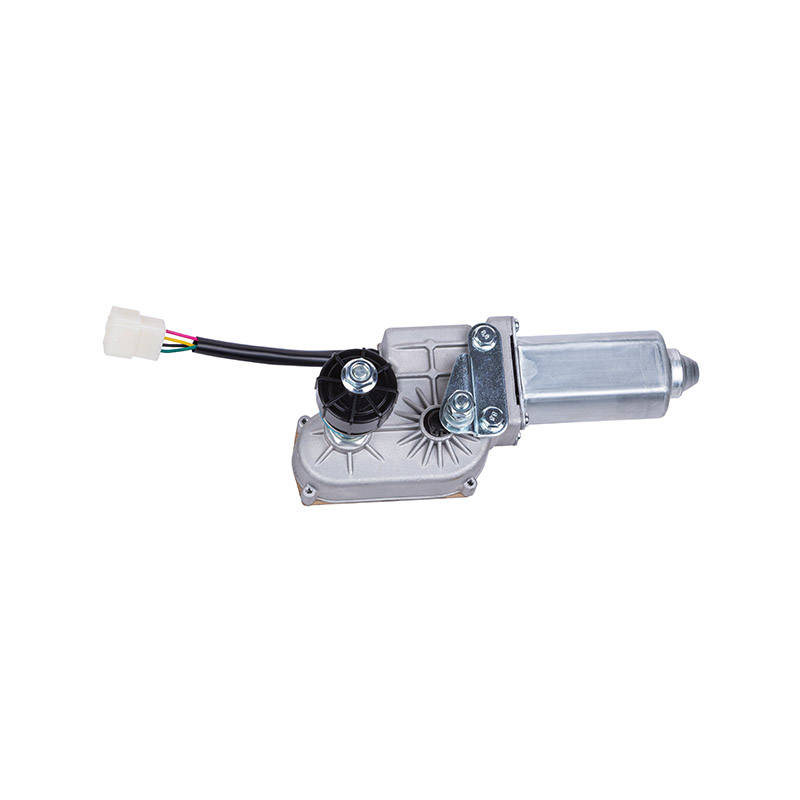
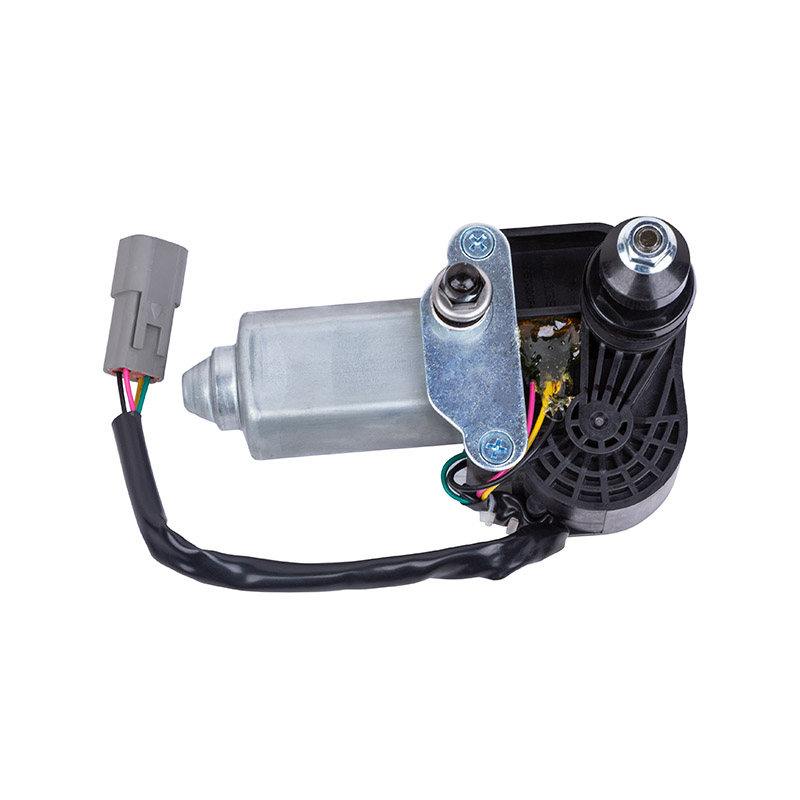
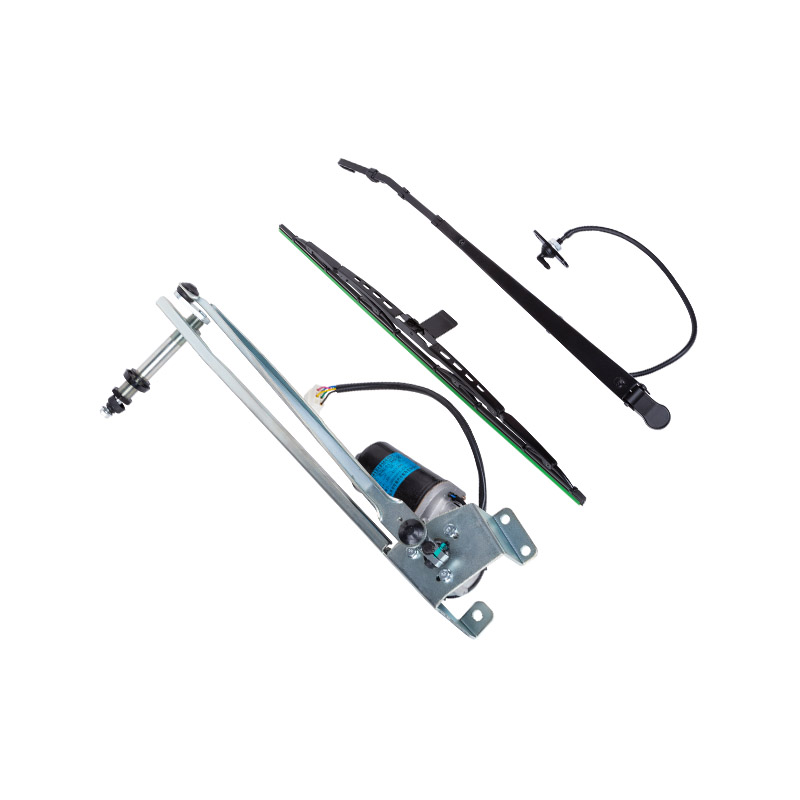
 Maintaining clear vision is a fundamental part of safe and comfortable driving, and both Special Vehicle Wiper Motors and Bus Wiper Motors play a central role in this. These components ensure that wiper blades move efficiently across the windshield, keeping glass surfaces clean and free from obstructions. When a wiper motor begins to fail, its impact is felt not only in visibility but also in the overall driving experience, affecting driver focus and passenger comfort.
Uneven Wiper Movement and Visibility
One of the immediate effects of a malfunctioning wiper motor is uneven or inconsistent movement of the wiper blades. For buses with larger windshields, this can result in areas of the glass being left uncleared during rainfall or snow, creating blind spots for the driver. In smaller vehicles, inconsistent motion can distract the driver as they attempt to adjust the wiper controls frequently. Over time, this inconsistency can make driving stressful, particularly in adverse weather conditions.
Increased Operational Noise
Failing wiper motors can produce unusual noises, including grinding, buzzing, or intermittent squeaks. These sounds occur when the motor struggles to maintain a consistent speed or when internal components wear unevenly. For bus drivers, constant noise in the cabin can be distracting and fatiguing, especially during long routes. Passengers may also experience discomfort due to repeated or irregular sounds, which can affect the perception of ride quality and overall comfort.
Delayed Response During Rain or Snow
A degraded Vehicle Wiper Motor or Bus Wiper Motor may respond more slowly to control inputs. This delay can result in temporary obscured vision during sudden rain showers or heavy snowfall, forcing the driver to reduce speed or make abrupt adjustments. In buses, where multiple passengers rely on the driver’s awareness, delayed wiper response can affect the perceived safety of the ride. Even minor delays in wiping can cause significant discomfort and increase the cognitive load on the driver.
Strain on Wiper Components
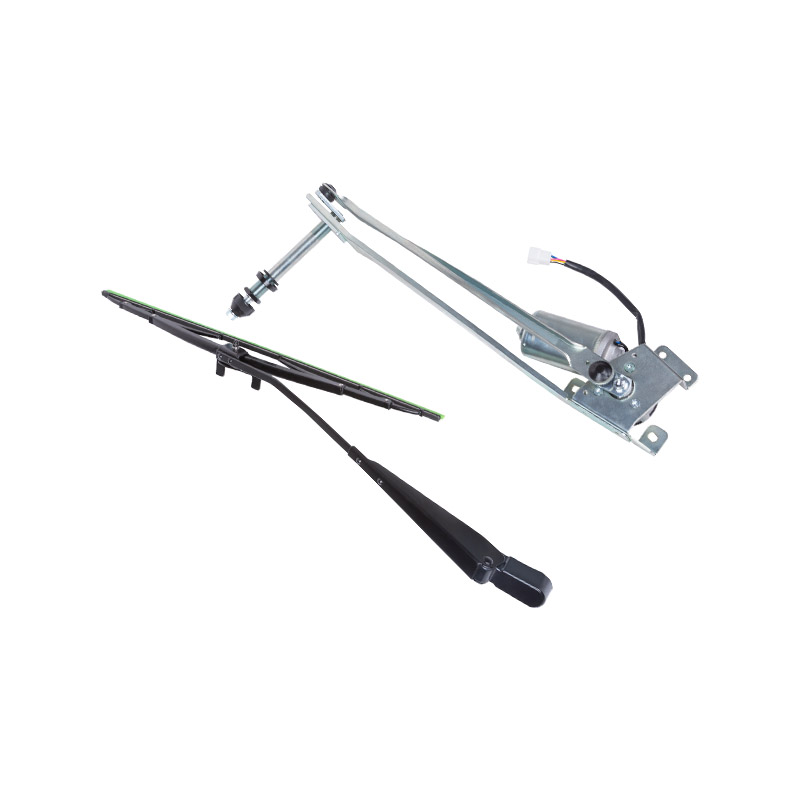
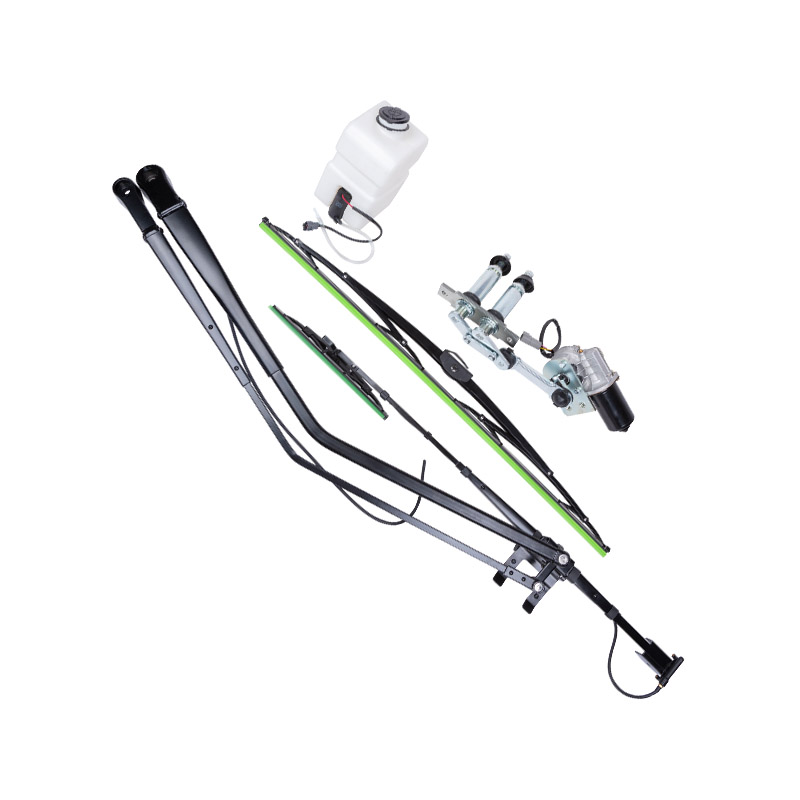
When a motor does not operate smoothly, it can place uneven stress on the wiper arms and blades. Over time, this may cause faster wear of these components, causing scratching, streaking, or partial failure of the blades. Drivers may notice reduced clarity and increased effort to maintain clean windshields. In buses, the impact is amplified because longer wiper arms must cover wider glass areas, making maintenance and operational smoothness essential for comfortable driving.
Safety and Passenger Comfort
Bus Wiper Motor failures influence both safety and comfort. Reduced visibility and increased noise can make the cabin environment less pleasant and more stressful for passengers. Drivers may need to focus more on windshield cleaning rather than road conditions, which indirectly affects the quality of the ride. For vehicles operating on long-distance or public transport routes, maintaining properly functioning wiper motors is crucial to keep conditions comfortable for both driver and passengers.
Practical Maintenance Considerations
Regular inspections and timely maintenance of Vehicle and Bus Wiper Motors help identify early signs of wear or malfunction. Ensuring that motors are lubricated, components are aligned, and electrical connections are secure can prevent unexpected failures. For buses, scheduled checks are particularly important because the scale of the wiper system increases the chance of operational issues impacting driving comfort. Simple adjustments or component replacements can restore smooth operation, reducing noise and maintaining clear visibility.
Properly functioning wiper motors are more than mechanical components; they influence the entire driving environment. Failures in Vehicle Wiper Motors or Bus Wiper Motors can cause uneven wiper movement, increased noise, delayed response, and faster wear of blades—all of which affect driver focus and passenger comfort. Regular maintenance and attention to motor performance help maintain a smoother, quieter, and safer driving experience under varied weather conditions.