

 English
  Español
  русский
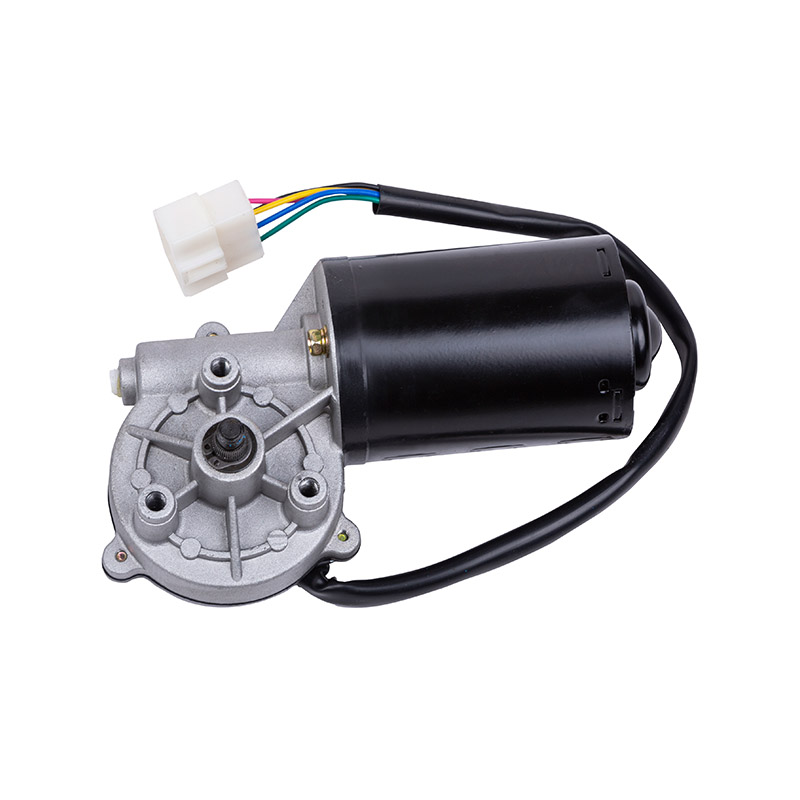
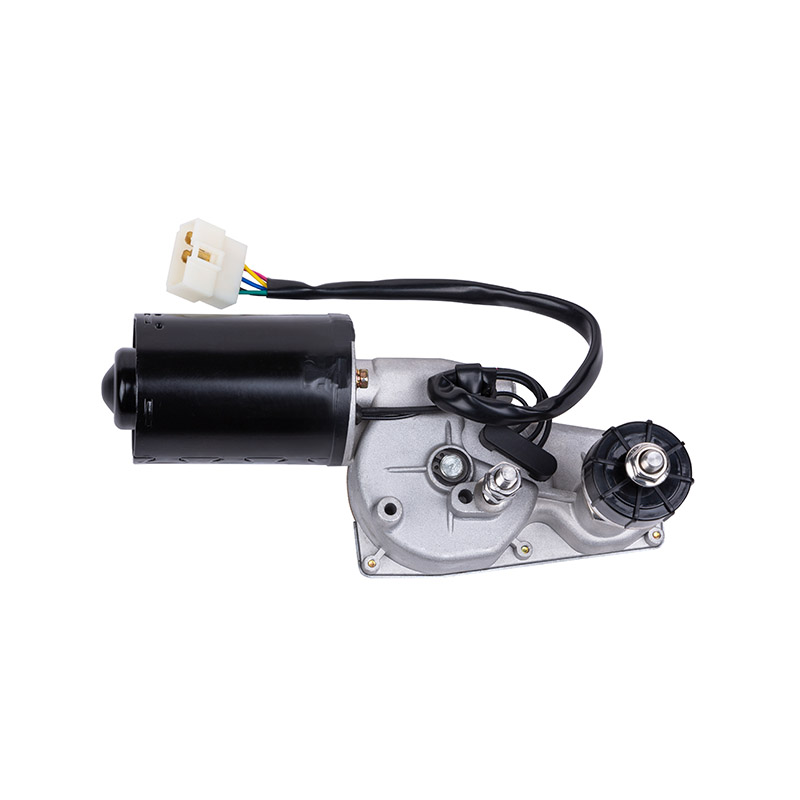
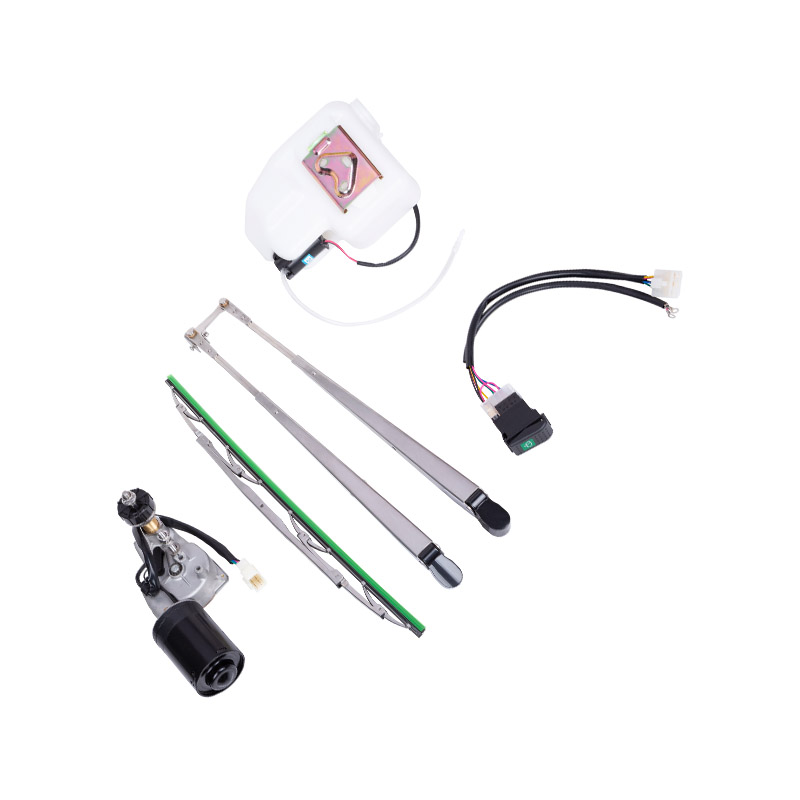
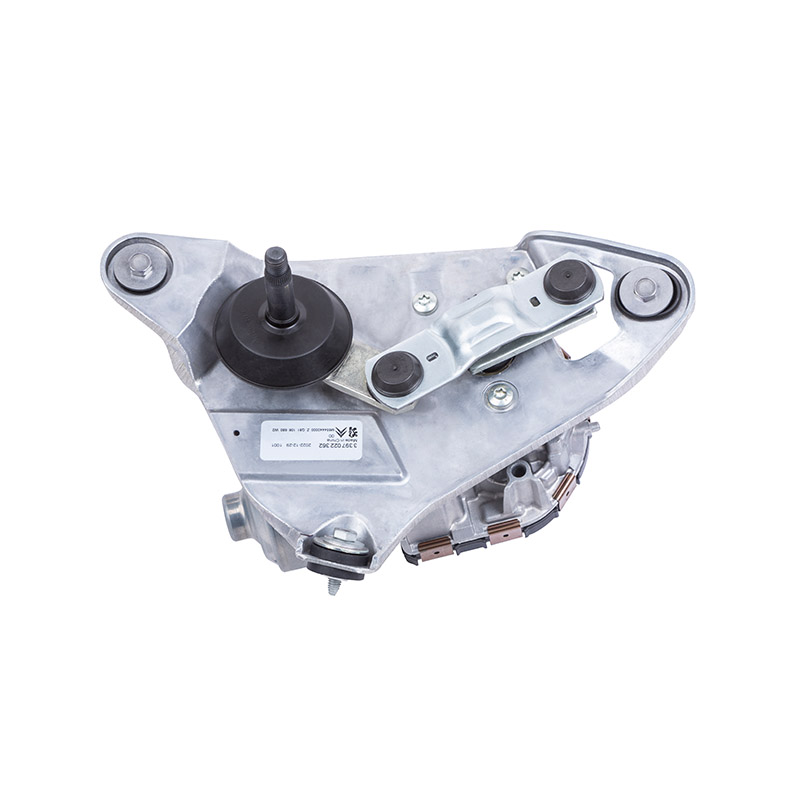
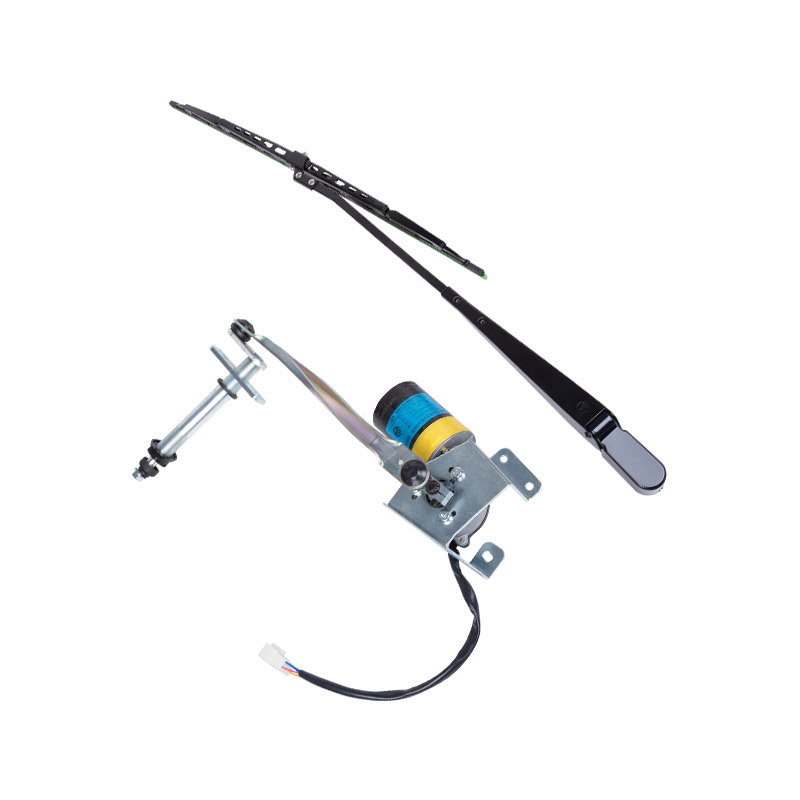
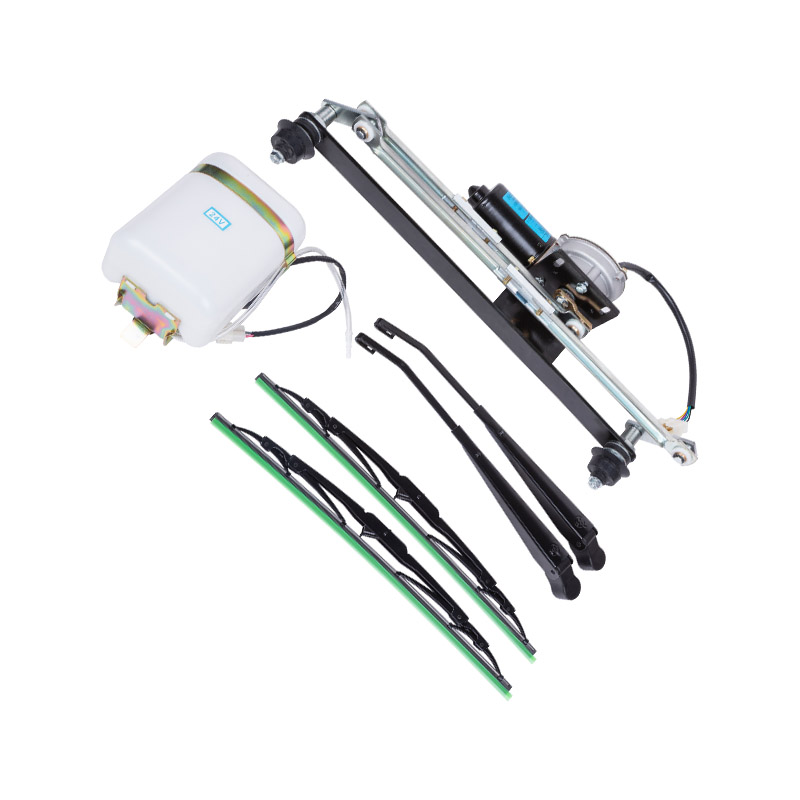
 Proper installation of a Special Vehicle Wiper Motor or Bus Wiper Motor is essential for ensuring smooth operation and consistent windshield cleaning. These components are critical for driver visibility, particularly in adverse weather conditions, and their performance can be affected by even minor errors during installation. Special installation methods help maintain motor function, reduce mechanical wear, and support safe and comfortable driving experiences.
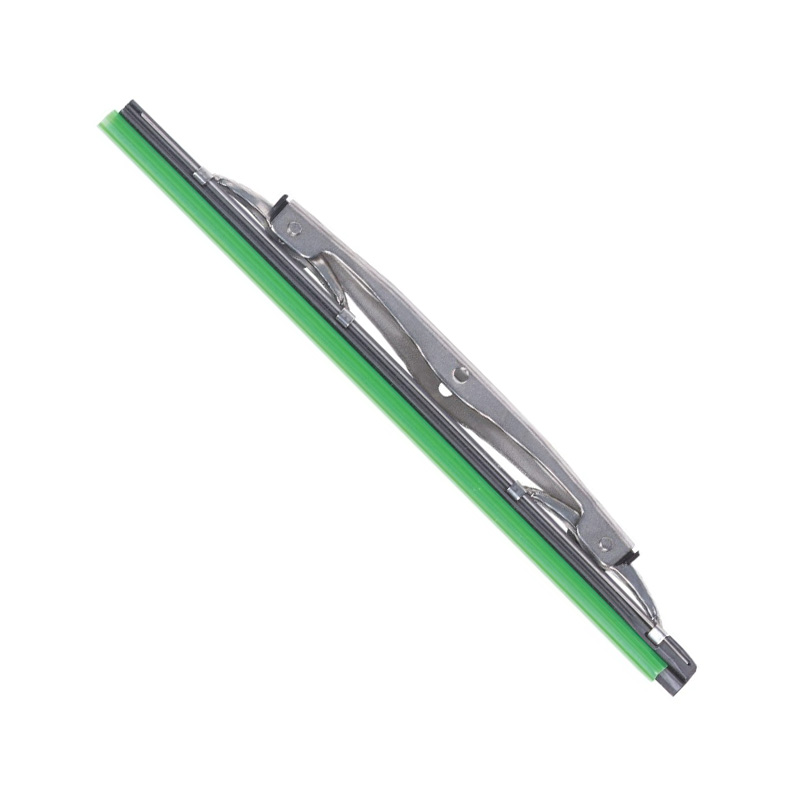
Alignment and Positioning
One key aspect of wiper motor installation is the correct alignment of the motor relative to the wiper arms and windshield. For buses, where windshields are larger and wiper arms cover a broader area, precise positioning is crucial. Incorrect alignment can cause uneven pressure along the blade, resulting in streaks, incomplete wiping, or increased noise during operation. Even in smaller vehicles, misalignment can cause inconsistent contact between the wiper blade and the glass, which affects visibility and driver comfort.
Electrical Connections and Safety
Vehicle and Bus Wiper Motors require secure and properly configured electrical connections. Improper wiring can cause intermittent operation, slow response, or motor failure. Following specific installation procedures ensures that voltage is supplied correctly and that protective circuits function as intended. For buses, where wiper systems often include multiple motors or integrated control units, attention to wiring details reduces the risk of malfunction and supports consistent performance across the entire system.
Mechanical Stability and Mounting
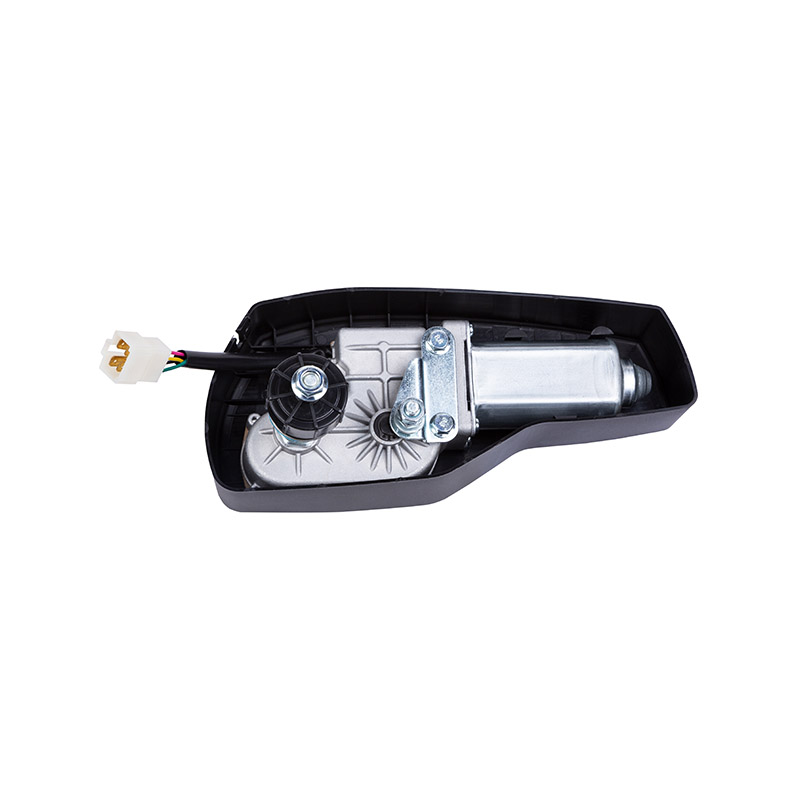
Bus Wiper Motors must be mounted securely to prevent vibration or movement that could impact blade motion. Loose mounts can transmit additional vibration to the wiper arms, increasing noise and accelerating wear on mechanical parts. Special mounting methods involve careful torque settings, use of appropriate fasteners, and sometimes reinforcement of the mounting area to accommodate the size and weight of the motor. These steps ensure that the motor operates smoothly under continuous use, especially during long routes or heavy rainfall.
Interaction with Wiper Mechanisms
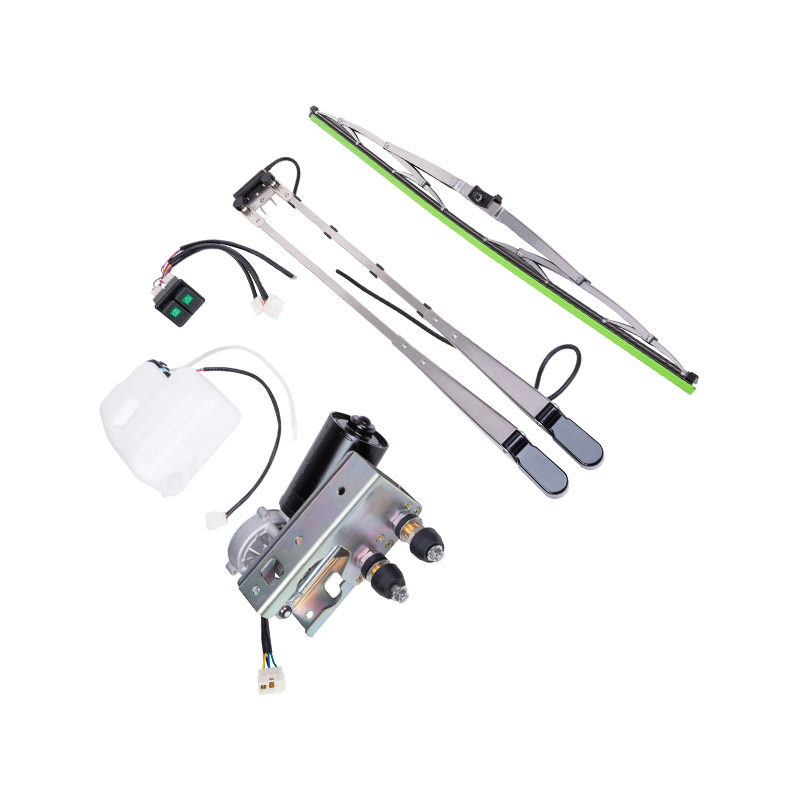
The way a wiper motor engages with the linkage and arms affects the overall efficiency of the system. Specific installation methods ensure that gears, pivots, and joints are correctly positioned to allow smooth rotation and consistent blade motion. Misaligned components can result in jerky movement, uneven wiping, or increased mechanical stress. In buses, where the wiper system is more complex due to extended arm length and larger windshield coverage, adherence to installation specifications prevents premature component wear and maintains consistent wiping performance.
Environmental Considerations
Vehicle and Bus Wiper Motors are exposed to temperature changes, moisture, and road contaminants. Installation methods that provide proper sealing and secure positioning help prevent water ingress or debris from affecting motor function. This protection is especially important for buses that operate in varying climates or on long-distance routes. Correct installation reduces the risk of corrosion or mechanical obstruction, supporting long-term performance and maintaining a quieter, more comfortable driving environment.
Maintenance Accessibility
Following specific installation procedures also allows for easier maintenance and inspection. Motors that are properly positioned and secured can be serviced without disassembling large sections of the vehicle. For buses, this means less downtime during routine checks or part replacement. Clear access to bolts, connectors, and mounting points ensures that maintenance work can be performed efficiently, keeping the wiper system functioning smoothly and supporting ongoing driver visibility and comfort.
Proper installation of Vehicle Wiper Motors and Bus Wiper Motors is not merely a technical step; it directly affects the effectiveness, durability, and operational smoothness of the entire wiper system. Attention to alignment, electrical connections, mechanical stability, and environmental protection ensures consistent performance, reduces operational noise, and supports clear visibility. Following recommended installation methods contributes to safer, more comfortable driving for both drivers and passengers under varied weather conditions.