

 English
  Español
  русский
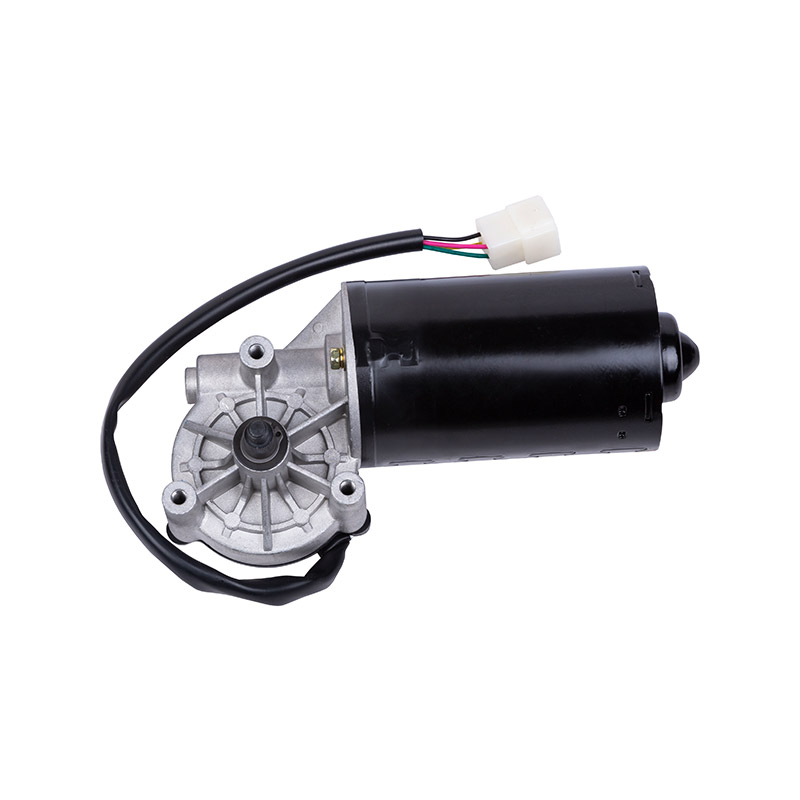
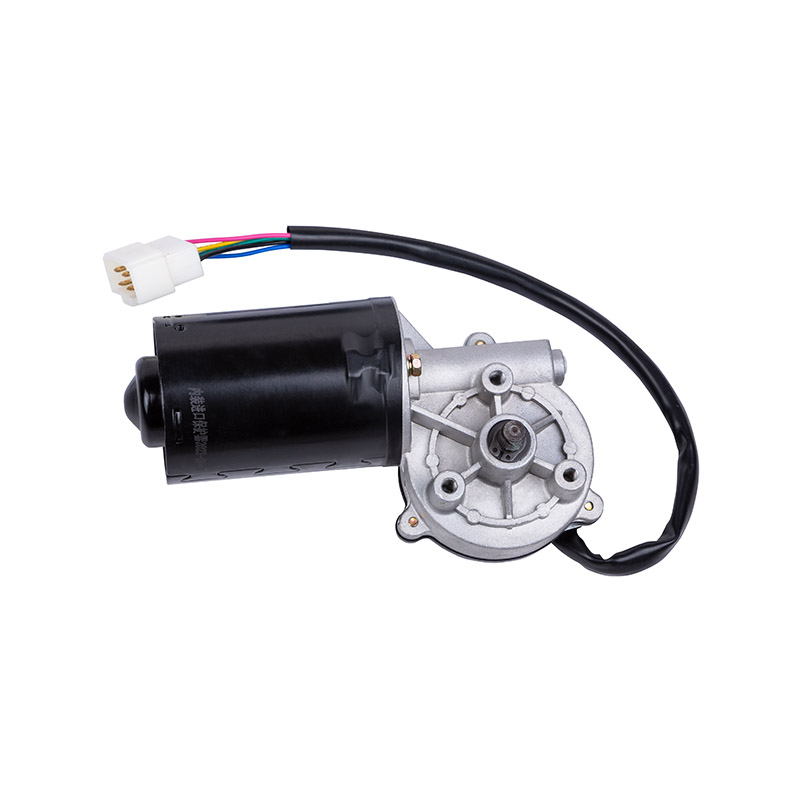
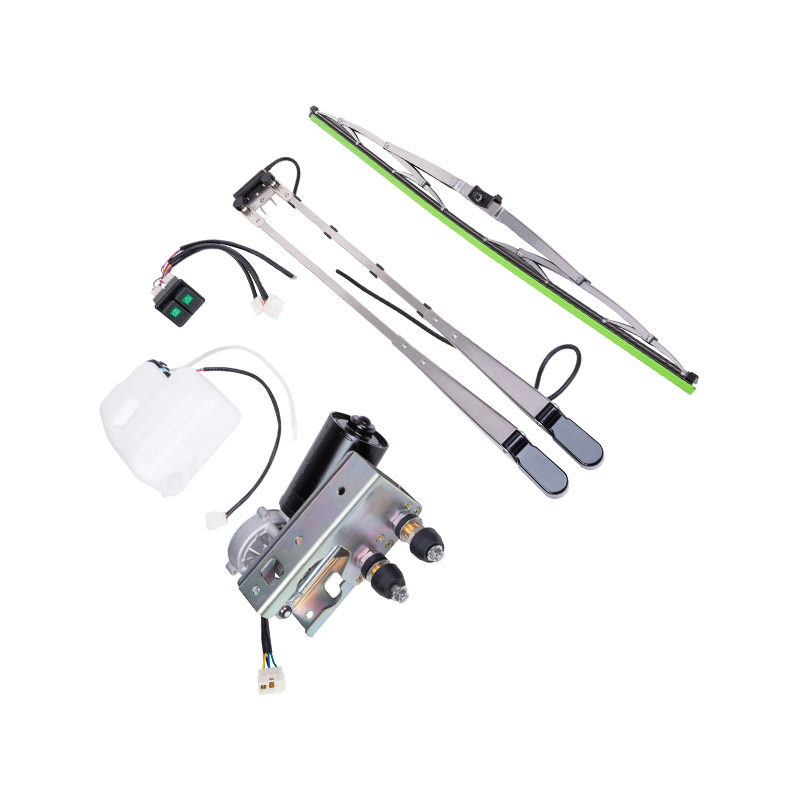
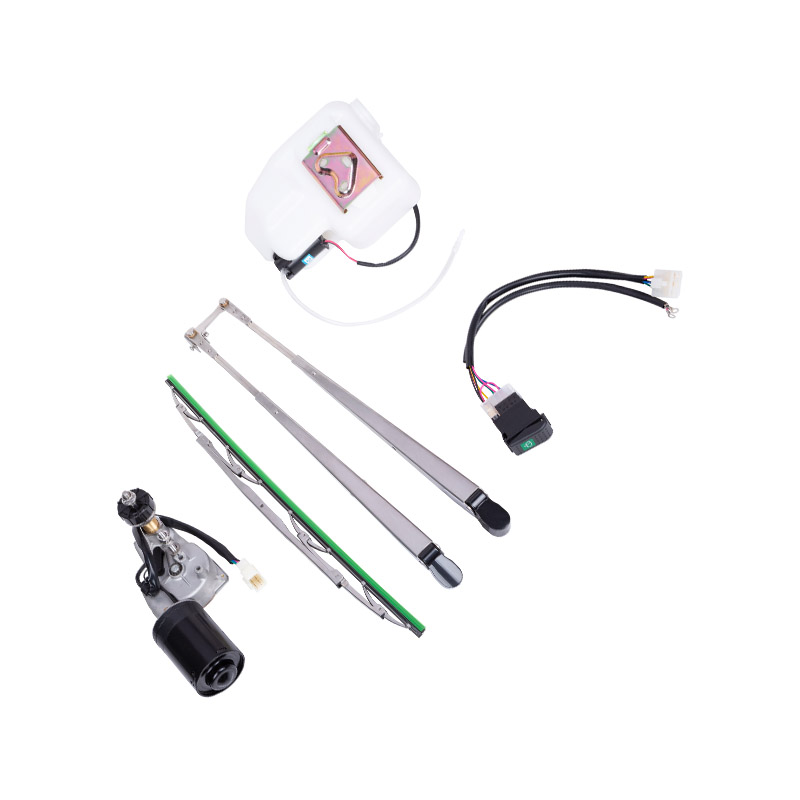
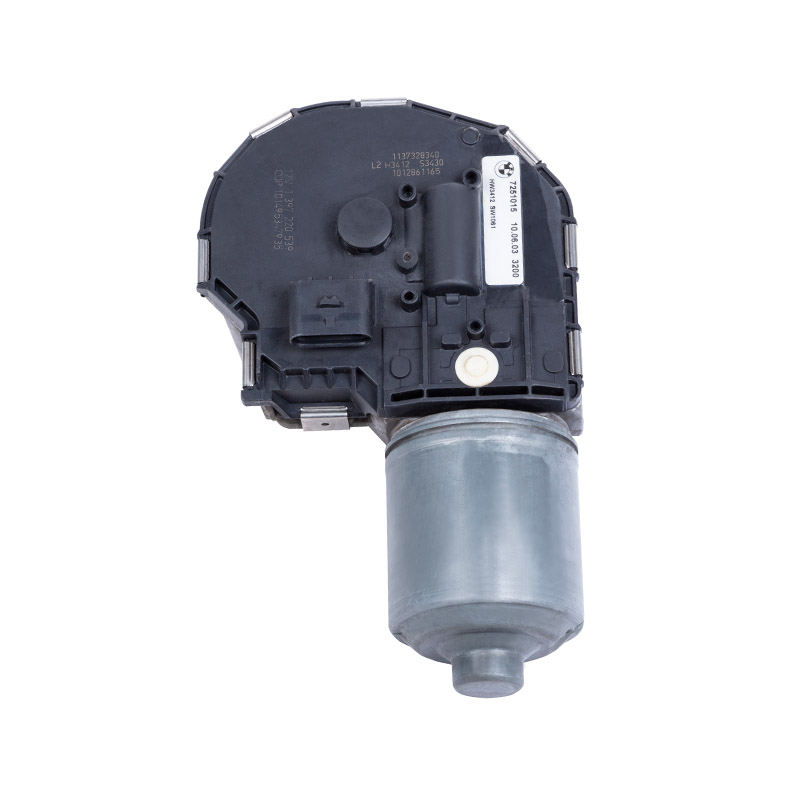
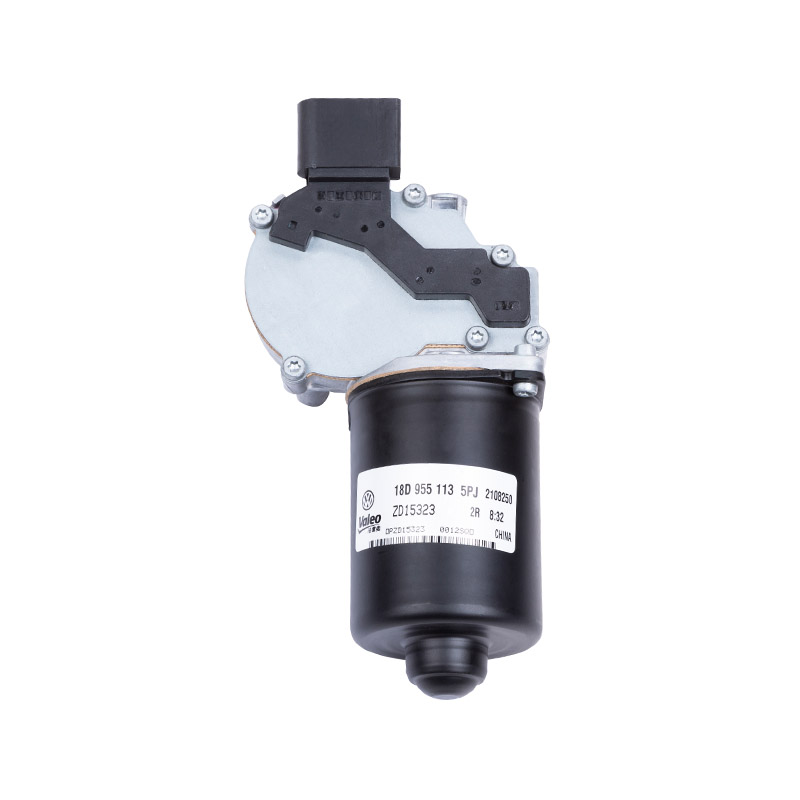
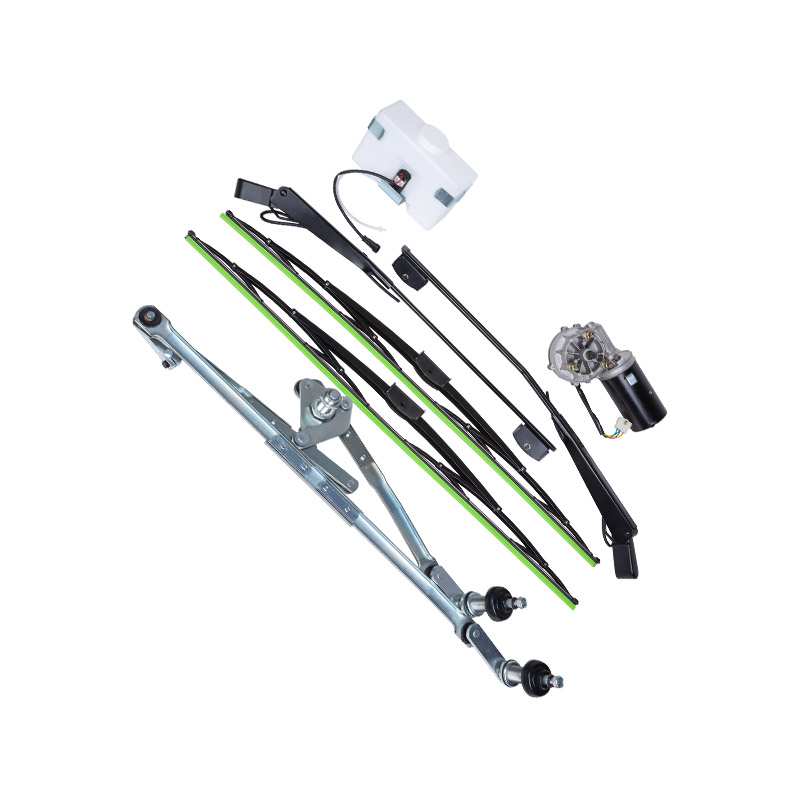
 Practical upgrades in vehicle visibility equipment have gradually become a focus for transportation operators. When a Wiper Motor With Rain Sensor works together with a well-built Stainless Wiper Accessory, the wiping process can progress more smoothly with fewer manual adjustments from drivers. This pairing is useful not only for daily commuting vehicles but also for larger commercial fleets that operate across long routes and changing weather conditions.
How Automatic Rain Detection Adjusts Wiping Frequency
A sensor-based motor relies on real-time detection of raindrops on the windshield. Instead of waiting for the driver to adjust the wiper interval, the system evaluates moisture levels and activates the wipers accordingly. This reduces the need for constant manual switching between different speeds, especially during weather that changes quickly.
Drivers often encounter drizzle that suddenly turns into heavy rain or short bursts of moisture caused by passing trucks. Without automation, they may need to shift attention from the road to adjust the control lever repeatedly. A rain-sensing motor reduces these interruptions and allows drivers to remain focused on road conditions, pedestrians, and surrounding vehicles.
Why Sensor-Based Operation Improves Driving Continuity
Manual control requires the driver to make frequent decisions about when to activate the wipers, how long to keep them running, and which speed is appropriate. A Wiper Motor With Rain Sensor responds through programmed thresholds that recognize the amount of water on the glass surface. This reaction helps maintain a consistent wiping rhythm without the driver needing to intervene.
The goal is not to replace human decision-making but to support the driver in situations where conditions shift too quickly for repeated manual adjustments. During long trips, especially at night or during fatigue-prone hours, fewer interruptions in the wiping process help maintain steadier driving behavior.
How Stainless Wiper Accessories Contribute to Stable Performance
Even with an automated motor, steady wiping cannot be achieved without strong and durable supporting components. A Stainless Wiper Accessory, such as a bracket, arm, or linkage component, contributes to structural stability. Stainless materials resist corrosion and deformation, which is important for vehicles frequently exposed to rain, snow, road salt, or dusty environments.
Stable physical components reduce vibration during wiping motions and provide better pressure distribution across the windshield. This steadiness helps the sensor-controlled system work as intended because the mechanical response remains consistent even after long operation periods.
Reducing Driver Workload During Long-Distance Operation
Long-distance route vehicles face unpredictable weather patterns. Drivers may pass through tunnels, coastal areas, city zones, and highways within a short time. Each environment introduces different amounts of moisture, dirt, and glare.
With a rain-sensing motor, the wiping function adapts automatically when the windshield transitions from dry to wet. For example:
Entering a light rain zone activates the low wiping mode.
Heavy rainfall triggers stronger wiping action.
When the vehicle exits rain unexpectedly, the wipers gradually slow down and stop.
By automating these responses, the driver is less likely to experience repetitive adjustments, which helps reduce small distractions that accumulate throughout the day.
How the Sensor Handles Mixed Weather Conditions
Mixed weather is often more challenging than steady rainfall. Situations such as intermittent drizzle, wet road splash, or sudden misting require quick reaction times. A rain-sensing system detects tiny changes in moisture and adjusts wiping frequency in small increments.
This type of automatic modulation plays a practical role when visibility drops unexpectedly. Drivers do not always notice early windshield blur, especially during glare or low-light conditions. The sensor can activate the wipers before the driver realizes the need to adjust the controls, helping maintain steady forward visibility.
Material Choices and Mechanical Stability Behind Consistent Wiping
The mechanical portion of a wiper system involves several moving parts. Stainless steel components maintain their shape under repeated motion, which contributes to smoother wiping arcs. Rust-resistant surfaces also help prevent friction points that could otherwise interrupt movement.
When paired with a rain-sensing motor, stable accessories help ensure that every wipe is consistent. Uneven movement may cause smearing or partial clearing, reducing the effectiveness of the automated reaction system. For commercial vehicles or buses exposed to continuous outdoor environments, durability plays an important role in long-term safety and operational efficiency.