

 English
  Español
  русский
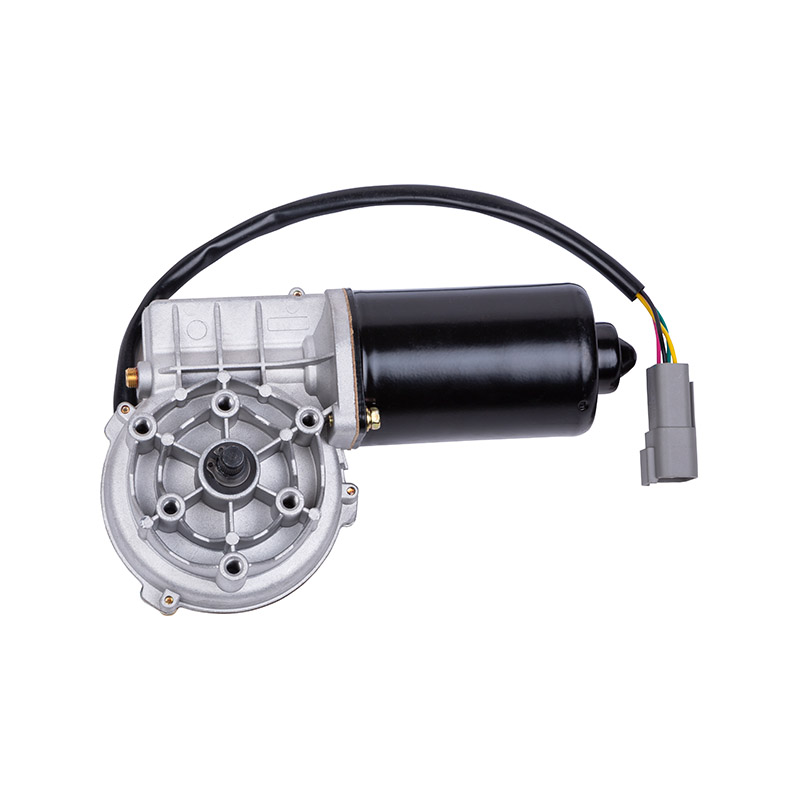
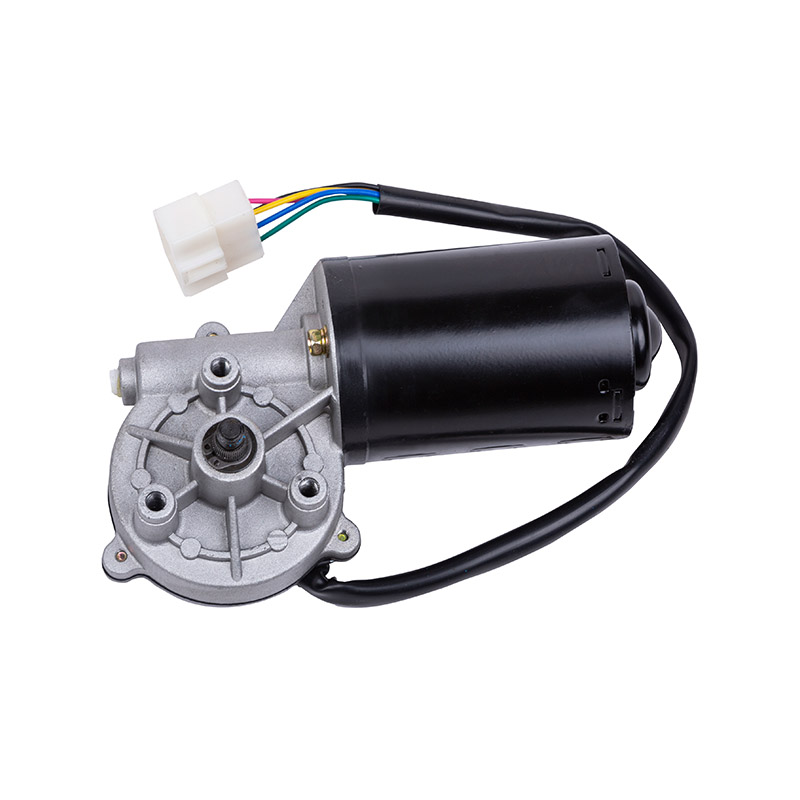
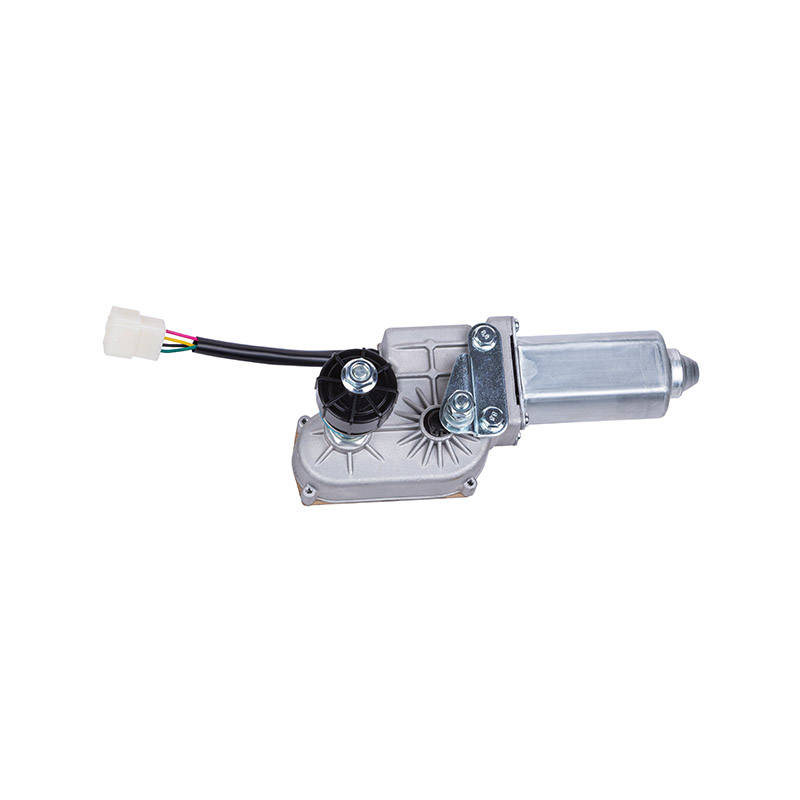
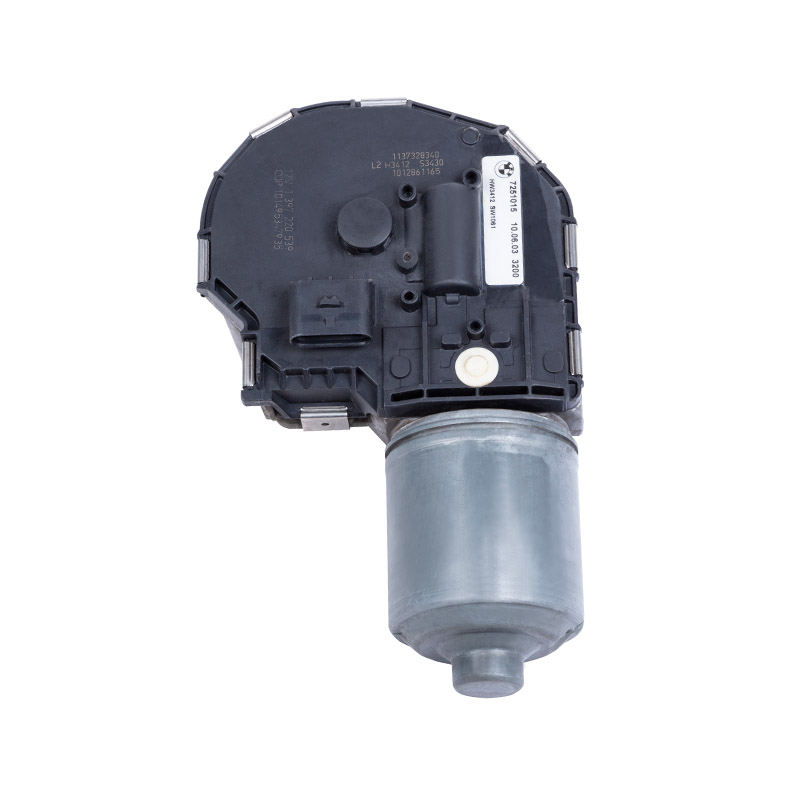
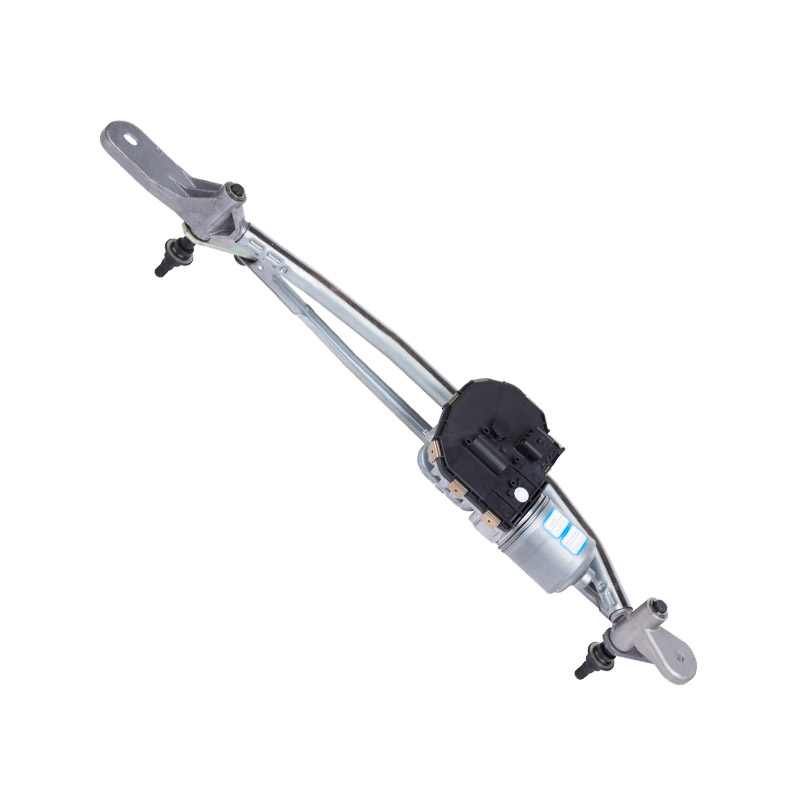
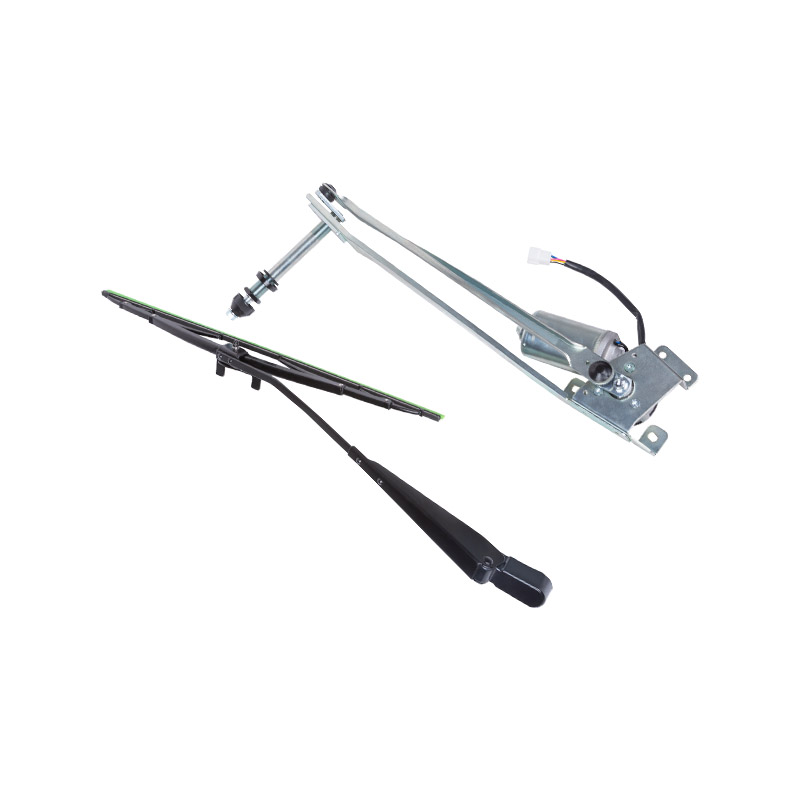
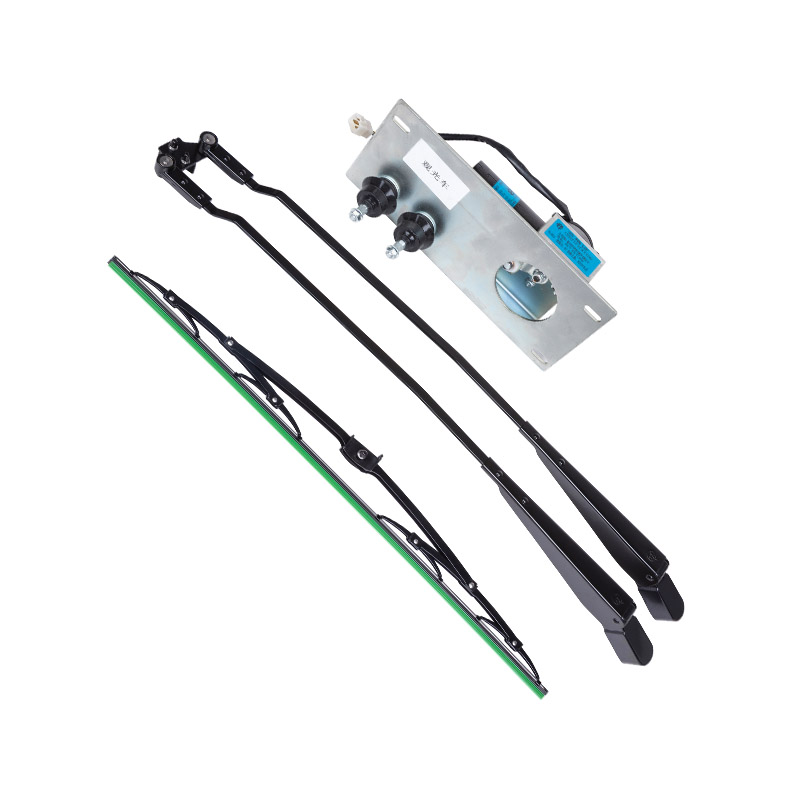
 Daily driving often involves sudden shifts in weather, and systems that help maintain clear visibility are becoming increasingly important. When a Wiper Motor With Rain Sensor works in combination with a well-constructed Stainless Wiper Accessory, the wiping process can respond more smoothly to changing conditions. Many drivers and fleet operators are curious about how these systems detect moisture, why they adjust at certain speeds, and what factors influence their responsiveness during real-world use.
How Moisture Detection Supports Timely Adjustments
A rain-sensing motor responds through a detection module placed near the windshield. This module measures how light passes through or reflects off the glass surface. When raindrops interrupt the light pattern, the system interprets the change as a signal to activate the wipers. Instead of waiting for the driver to notice reduced visibility, the control board interprets sensor data and sets an appropriate wiping frequency.
The degree of sensitivity varies depending on the moisture level. Light drizzle results in mild activation, while more water triggers faster action. This step-by-step response helps avoid unnecessary wiping when the windshield is nearly dry, while still ensuring that visibility remains stable during shifting weather.
Why Sensor Algorithms Influence Real-Time Behavior
The responsiveness of a Wiper Motor With Rain Sensor depends on how its internal algorithm processes signals. The sensor does not simply respond to a single raindrop; it evaluates patterns, density changes, and duration. When the moisture level increases over several seconds, the algorithm interprets this as sustained rainfall and raises the wiper speed accordingly.
During mixed weather—such as drizzle that turns into brief heavy drops—the algorithm adjusts in small increments rather than making abrupt changes. This approach creates a natural transition that feels more intuitive for the driver. The system also considers factors like vehicle speed, allowing higher airflow at fast speeds to influence wiping intervals.
How Stainless Wiper Accessories Contribute to Steady Mechanical Output
A Stainless Wiper Accessory contributes to consistent wiping motion by maintaining rigidity and resisting corrosion. Stainless materials hold their structure under repetitive movement, which helps the wiper arms apply even pressure across the windshield.
When the structural parts stay stable, the sensor-controlled motor can perform as intended. Uneven components may cause chatter, vibration, or incomplete wiping arcs, which disrupt the sensor’s interpretation and reduce the effectiveness of the entire system. The durability of stainless accessories helps preserve responsiveness by ensuring the mechanical output matches the motor’s adjustments.
Interaction Between Sensor Sensitivity and Weather Variation
Weather conditions vary not only in intensity but also in water droplet size, temperature, and the presence of dirt or road spray. A rain-sensing system measures these differences and adjusts accordingly. For instance:
During fog or mist, droplets tend to be fine and diffuse. The sensor detects the gradual haze pattern and begins intermittent wiping.
When road spray from nearby vehicles hits the windshield abruptly, the sensor reacts quickly to the sudden moisture accumulation.
Snowflakes that melt on contact may create inconsistent moisture patches, prompting the system to choose moderate wiping speed.
This adaptability is useful for drivers who pass through tunnels, coastal areas, or mountainous regions where weather changes suddenly.
How The Motor’s Internal Design Affects Reaction Speed
Responsiveness also depends on the internal structure of the motor. Many modern motors incorporate gear reduction systems that provide consistent torque. A steady torque output helps the motor shift between wiping speeds smoothly. When the sensor sends a signal, the gear mechanism responds without delay, maintaining control even when larger amounts of water accumulate.
The smoother the internal gearing operates, the more natural the wiping transition feels. This is particularly noticeable when the system shifts from slow intermittent wiping to a continuous motion as rainfall intensifies.
Supporting Driver Focus Through Reduced Manual Adjustments
A common user concern is whether automatic wiping removes too much control from the driver. In practice, the system is designed to reduce unnecessary adjustments rather than override manual settings. Drivers often need to switch between multiple wiping speeds when rain intensity changes. During long trips, this may become repetitive and distracting.
A rain-sensing motor reduces these small interruptions by making routine decisions automatically. Drivers retain the ability to override the system at any time, but the sensor handles moisture-related variations, helping them stay focused on traffic, pedestrians, and changing road conditions.