

 English
  Español
  русский
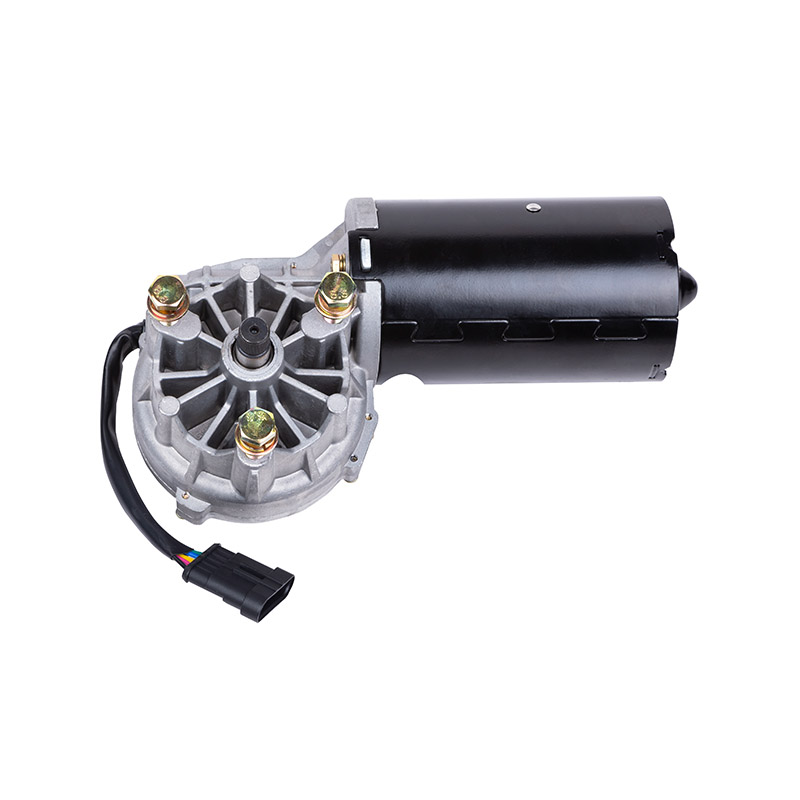
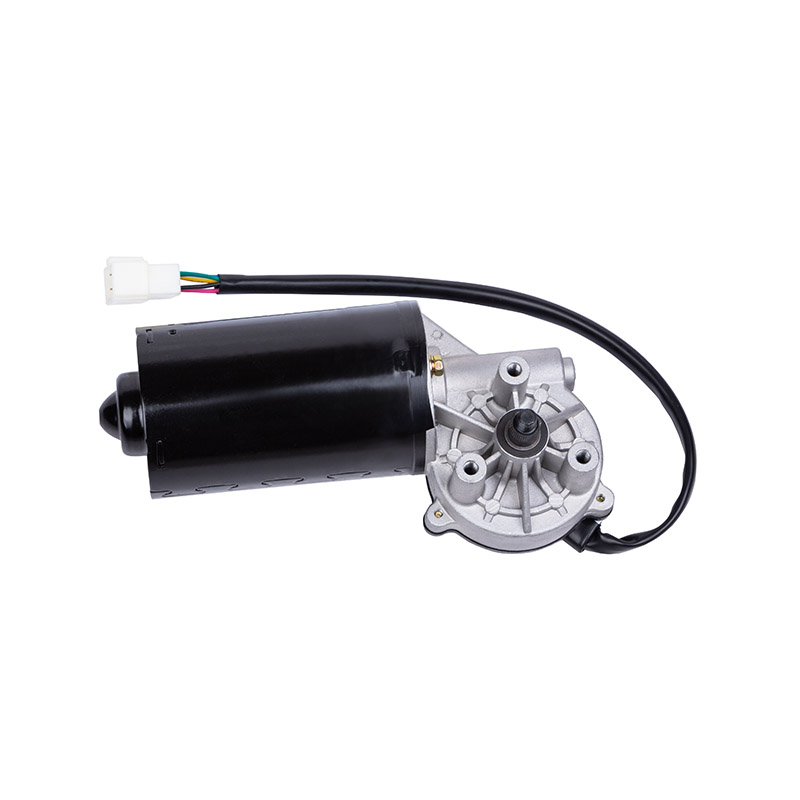
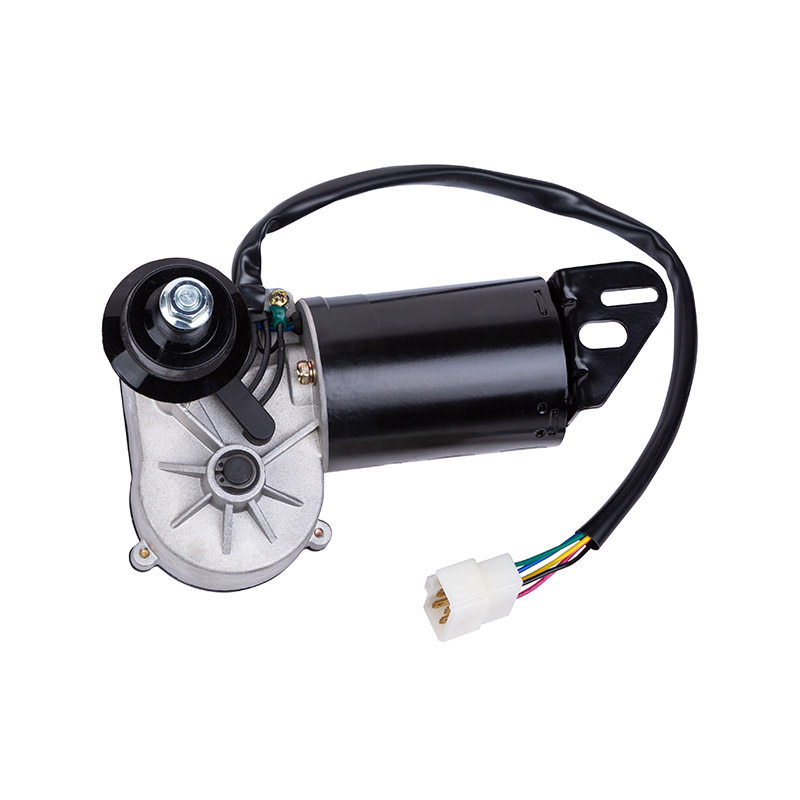
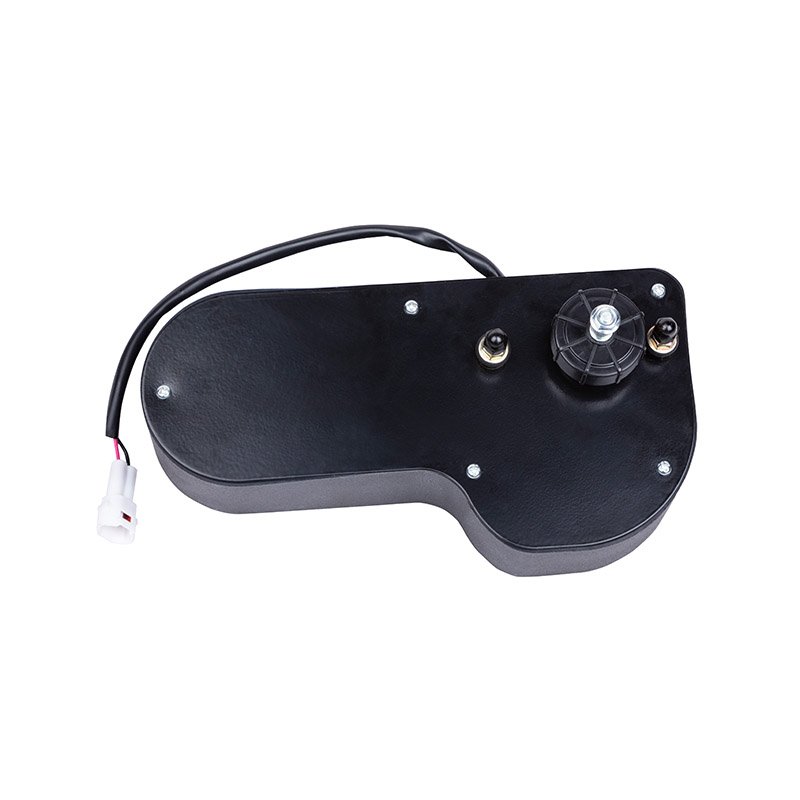
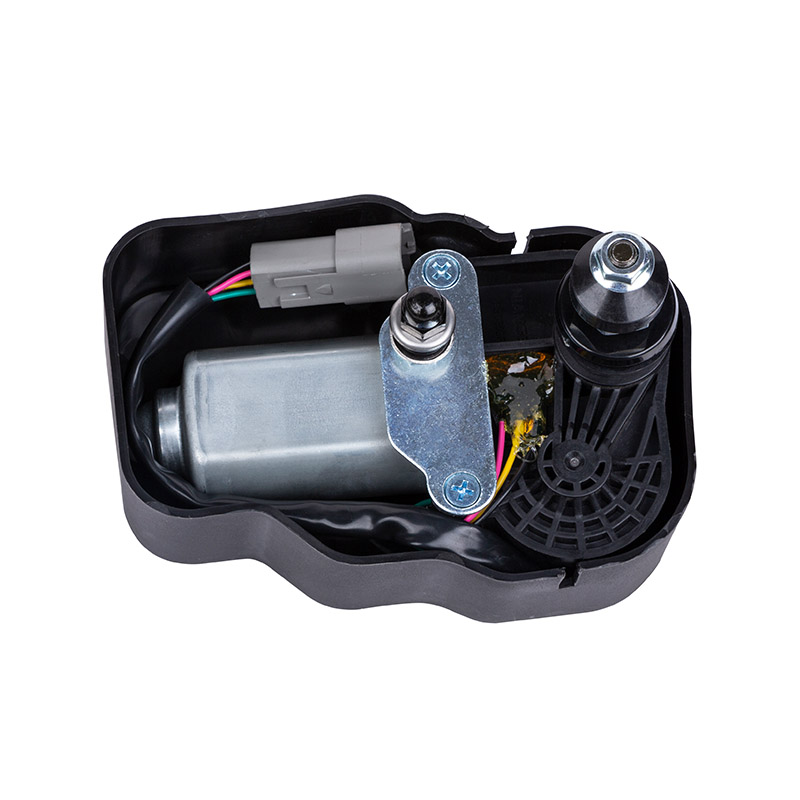
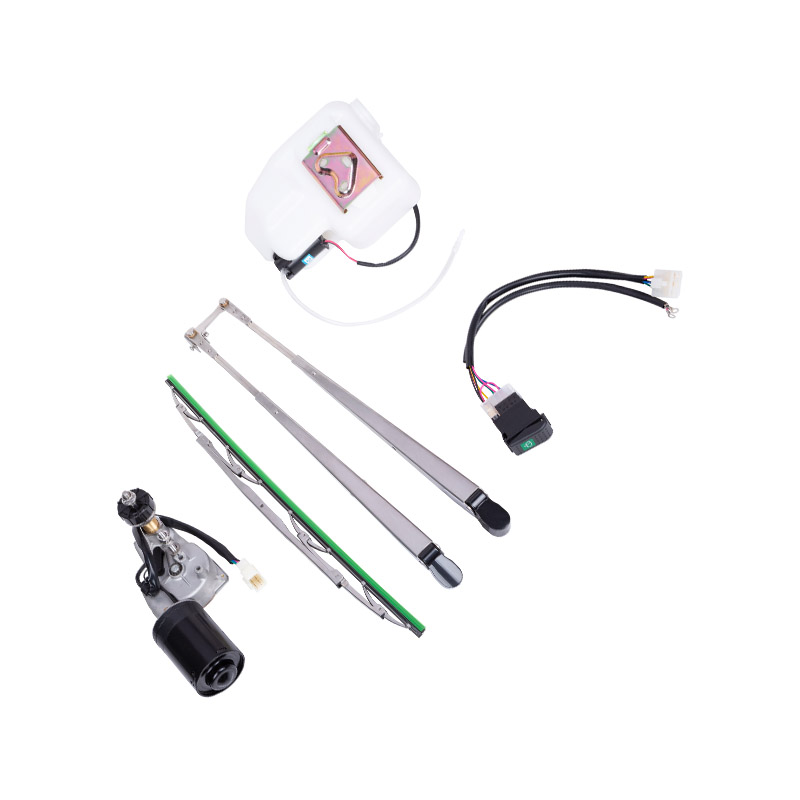
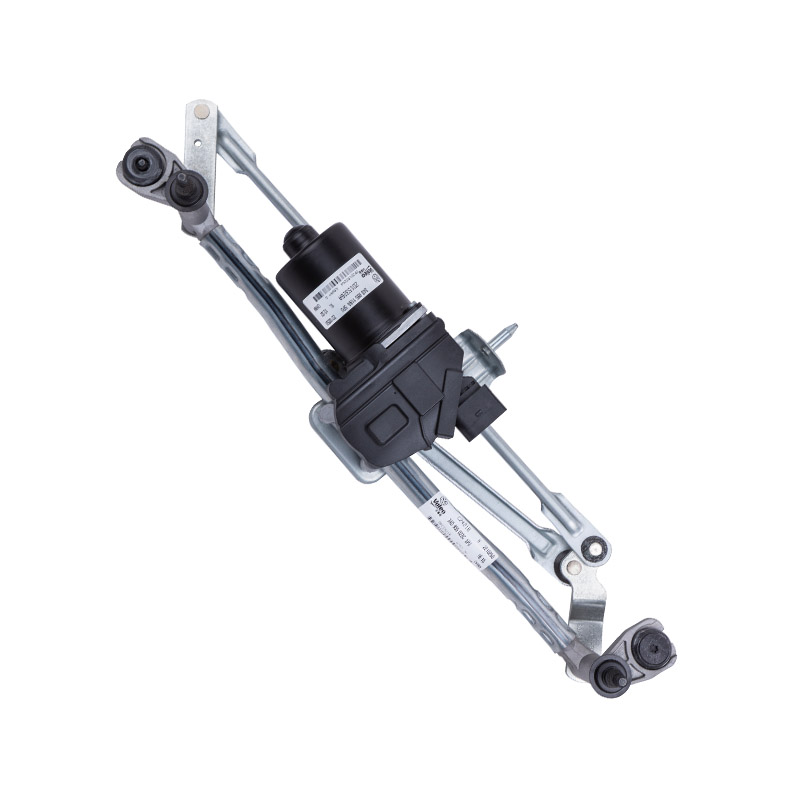
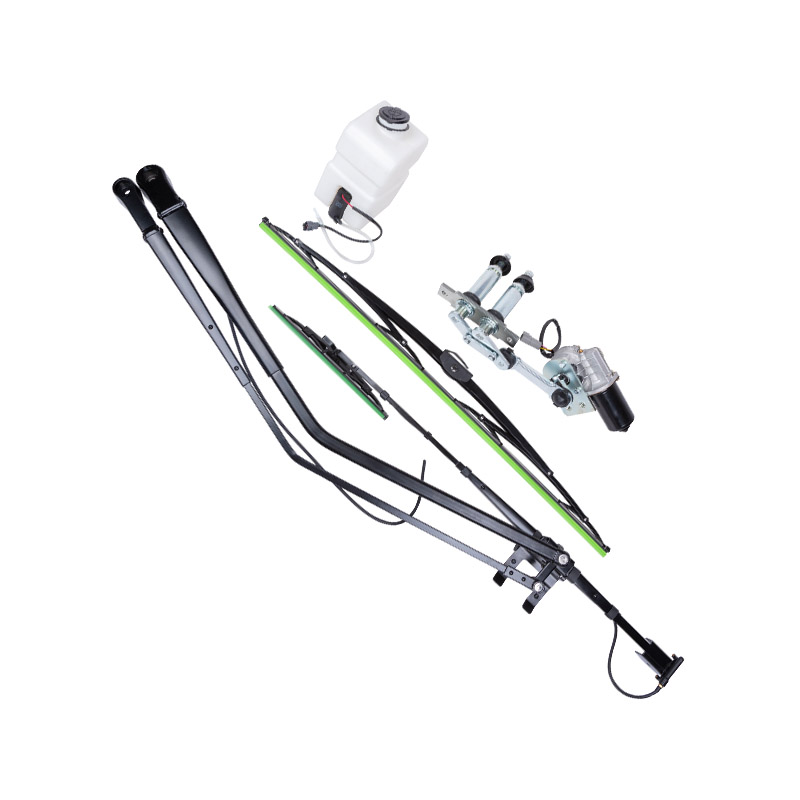
 Drivers often encounter small but persistent visibility challenges that gradually affect their overall driving comfort. Whether paired with a Stainless Wiper Accessory or supported by a Wiper Motor With Rain Sensor, upgraded wiping components can help address several day-to-day issues that appear during regular use of vehicles. Many users notice streaks, inconsistent wiping, or premature wear, yet they may be unsure which parts contribute to these problems or how material improvements can create a more stable wiping experience over time.
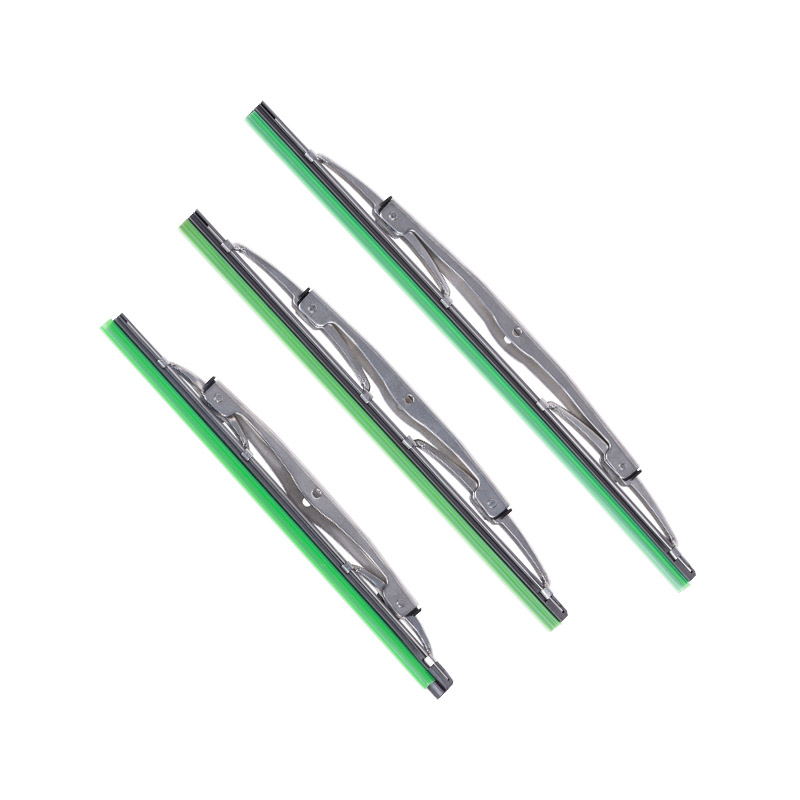
Reducing Streaking and Incomplete Contact on the Windshield
One of the common frustrations is the appearance of streaks during wiping, even when the windshield is relatively clean. This issue often comes from inconsistent pressure applied by the wiper arm or gradual warping of the accessory materials. Stainless accessories maintain their structure more steadily due to their resistance to bending and fatigue, allowing the wiper blade to stay aligned with the glass.
When the accessory maintains proper geometry, the blade can follow the windshield curve more consistently. This helps reduce the gaps where streaking tends to appear. Drivers traveling in urban areas with dust, light drizzle, or morning condensation can notice smoother wiping performance because the blade makes more even contact with the surface.
Addressing Wear Caused by Frequent Daily Use
Daily driving exposes wiper components to friction, temperature changes, and vibration. Accessories made from softer materials may wear more quickly, resulting in looseness at the joint, weaker structural support, or inconsistent wiping arcs. Stainless wiper components handle repetitive motion more steadily, which lowers the chances of sudden mechanical distortion.
This stability becomes especially useful for drivers who rely on their wipers several times a day—such as commuters, delivery vehicles, or buses operating long routes. The accessory’s resistance to deformation helps the entire wiper mechanism stay predictable, reducing unexpected interruptions in wiping performance.
Improving Stability When Paired With Automated Rain Detection
When the system includes a Wiper Motor With Rain Sensor, the precision of the mechanical accessory directly affects how well the automated adjustments work. Rain-sensing motors rely on smooth mechanical responses to carry out their programmed wiping intervals. If the accessory flexes unevenly or vibrates excessively, the motor may respond with slight delays or inconsistent rhythm.
Stainless enhancements give the wiper system a firmer foundation. The sensor can detect moisture levels accurately, and the motor can adjust wiping speed without interruption. For drivers, this means that the transitions between intermittent wiping, moderate wiping, and faster wiping feel more natural during changing weather.
Helping Vehicles Handle Weather-Related Residue
Wipers encounter more than rain—road dust, tree pollen, fog moisture, light frost, and splashes of mud also accumulate on windshields. These substances sometimes create resistance during the wiping process, causing the arm to vibrate or the blade to skip. Enhanced stainless accessories improve the steady downward force applied to the blade, supporting a smoother glide even when the windshield is not fully wet.
This steadier contact helps reduce distracting squeaks or chatter that often appear when environmental residue mixes with light precipitation. For drivers traveling early in the morning, passing through construction zones, or driving on roads with scattered debris, this increased stability makes routine wiping less disruptive.
Enhancing Durability in Harsh Operating Conditions
Vehicles operating in regions with high humidity, coastal air, or pollution may notice faster corrosion of components made from conventional materials. Stainless accessories resist corrosion more effectively, helping maintain their functional shape and connection points over longer periods.
Corrosion at the joints can cause the wiper arm to lose firmness or develop rough movement. Stainless parts reduce the risk of such deterioration, which supports consistent wiping motions even as the vehicle experiences temperature swings, rain exposure, or atmospheric chemicals.
Reducing Noise and Vibrations That Distract Drivers
Many drivers report that older or worn wiper accessories create noticeable noise during operation. Clicking, rattling, or metallic vibration often comes from loosened joints or imbalanced arm structures. Stainless enhancements offer greater structural precision, which helps maintain firmness during operation.
Paired with a rain-sensing motor that adjusts wiping intervals, a stable accessory can reduce unnecessary movement or shaking. The combined effect helps the wipers operate more quietly, particularly during light rain, mist, or intermittent wiping cycles.
Supporting Clear Visibility During Transitional Weather
Sudden shifts from dry conditions to drizzle or from light rain to spray from nearby vehicles often require quick adjustments. Rain-sensing motors help manage these transitions, but the accessory must respond without hesitation. Stainless structures allow the blades to start moving smoothly the moment the motor activates, without lag caused by flexibility or misalignment.
This responsiveness becomes especially important in environments where the weather changes rapidly—coastal regions, mountainous roads, or long-distance routes where vehicles encounter multiple microclimates. Drivers can maintain clearer visibility without needing to constantly adjust wiper settings during these shifts.