

 English
  Español
  русский
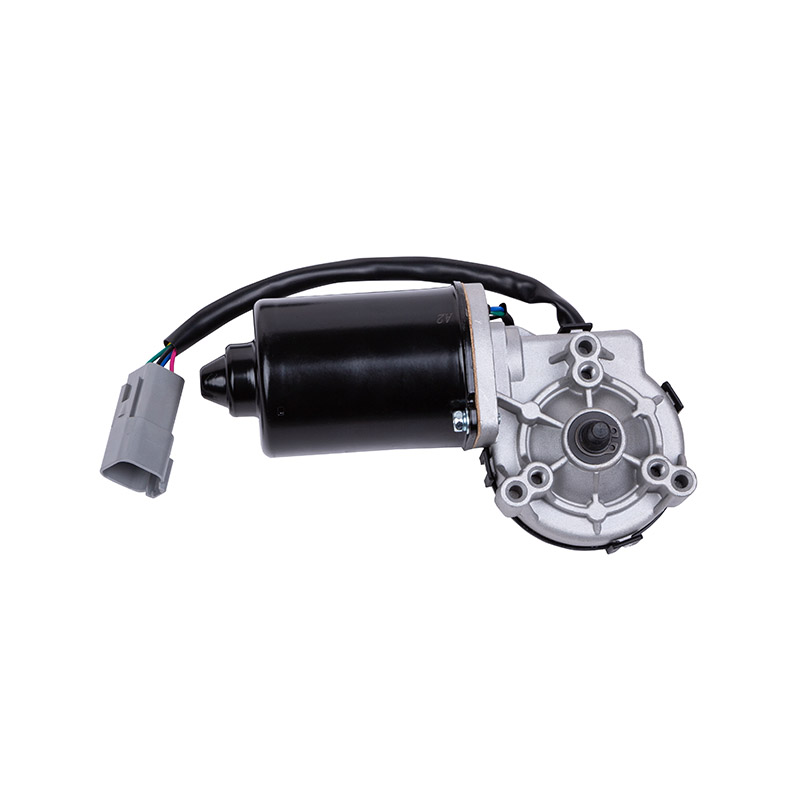
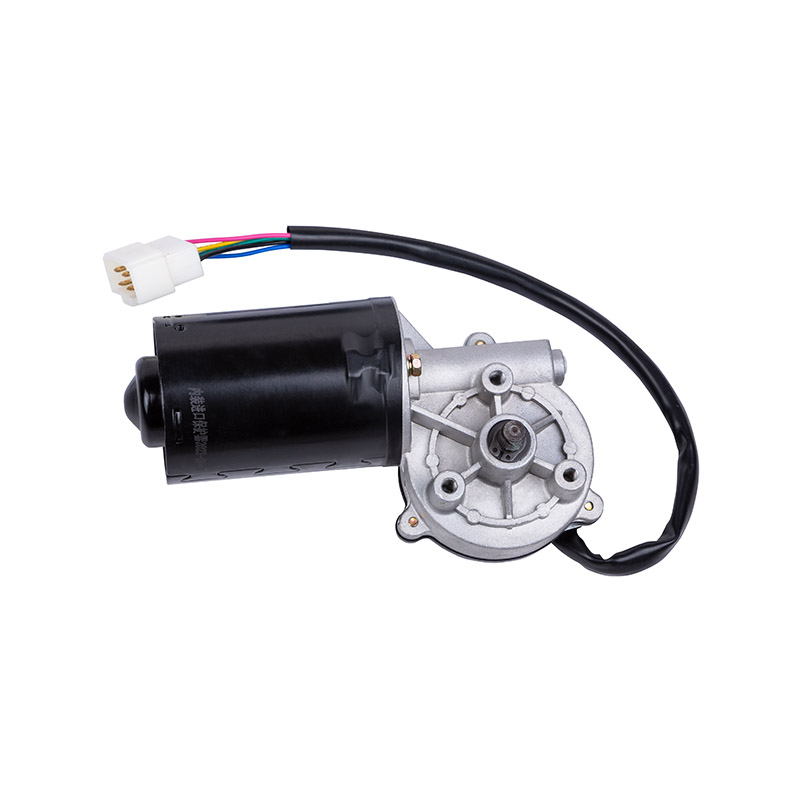
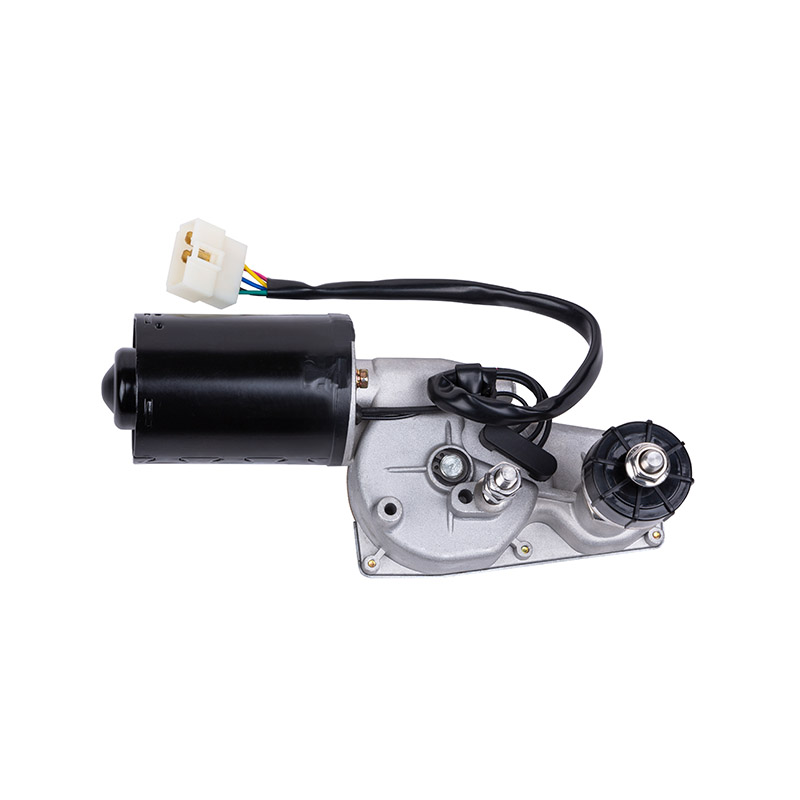
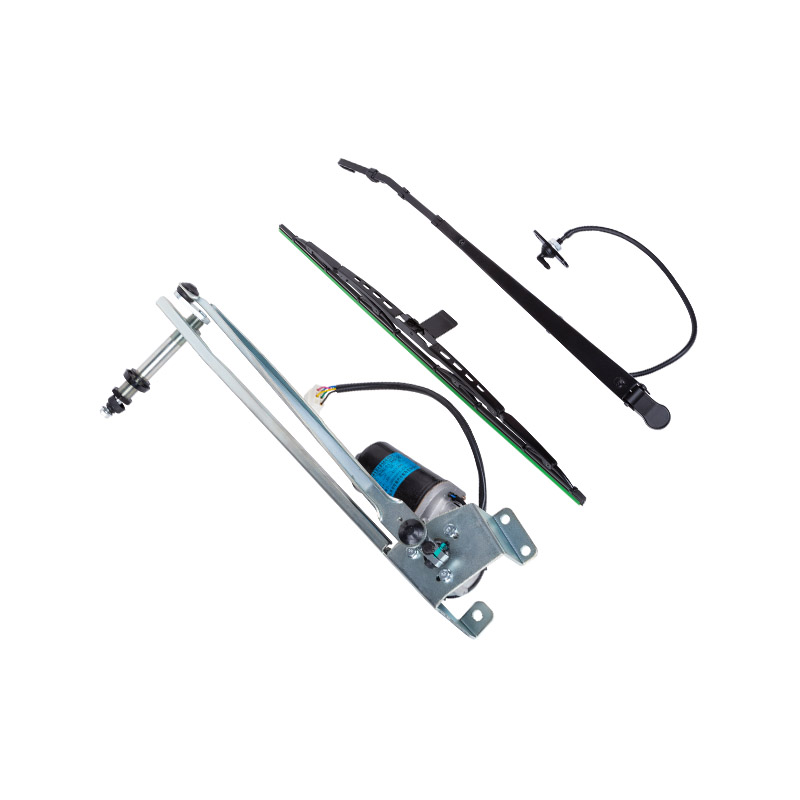
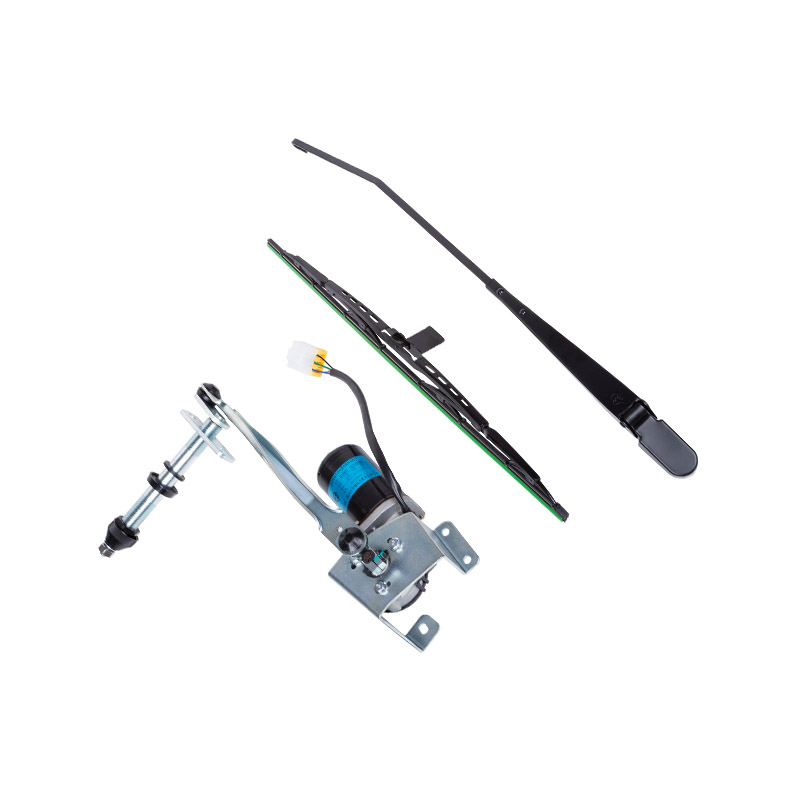
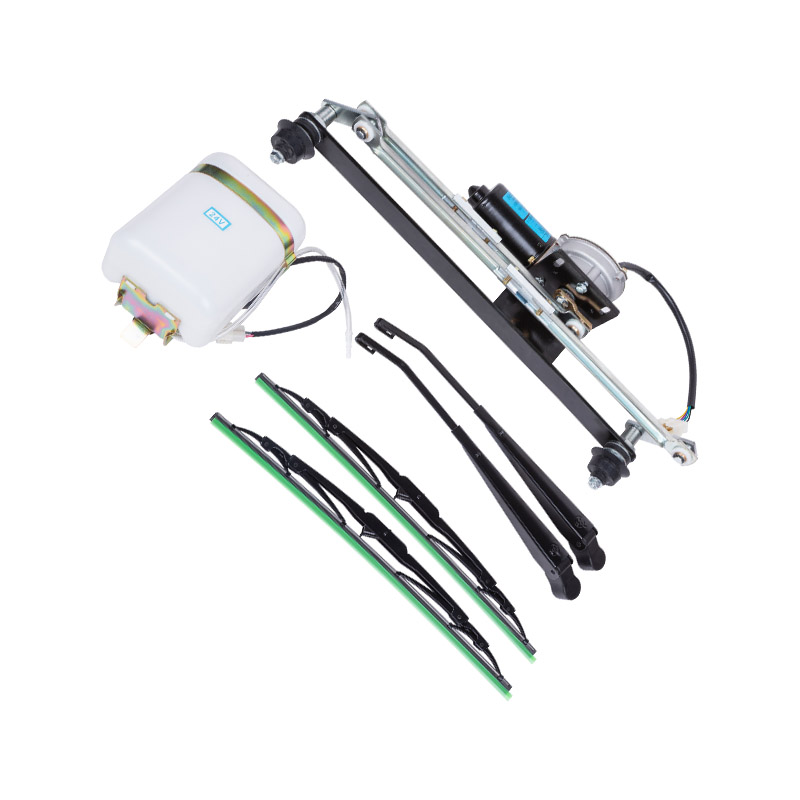
 Drivers depend on clear visibility for safe travel, and systems such as a Wiper Motor With Rain Sensor supported by a Stainless Wiper Accessory aim to make daily driving less demanding. Yet, certain real-world conditions can influence how effectively the sensor interprets moisture and how smoothly the mechanical components respond. Many users notice inconsistent wiping patterns or delayed activation but may not fully understand why these situations occur.
Light Drizzle and Mist That Conflict With Sensor Detection
Rain sensors work by detecting light refraction changes caused by water droplets on the windshield. Very fine mist or extremely light drizzle can create an unclear moisture pattern, making it difficult for the sensor to identify when to activate. Under these conditions, droplets are too small to significantly change the sensor’s reading.
Drivers may experience delayed wiping or intermittent activation that feels slower than expected. This does not indicate malfunction but reflects how sensors interpret very subtle moisture. Using stable stainless accessories helps keep the wiper assembly responsive once the motor activates, although the activation timing itself still depends on how the sensor reads the fine droplets.
Road Spray and Splashes That Produce Irregular Moisture
Vehicles often encounter uneven moisture from road spray, especially when following large trucks or passing through puddles. Unlike rain, spray creates patches of water across the windshield, which may confuse the sensor into thinking rainfall intensity is fluctuating.
The wiper motor may adjust speed more frequently than usual as it reacts to changing moisture patterns. A stainless wiper accessory helps maintain smoother blade pressure during these sudden changes, but the irregular spray can still challenge the system’s ability to determine the correct wiping rhythm.
Low Sun Angles and Strong Glare Affecting Sensor Accuracy
Sensors rely on infrared reflection to measure moisture. When sunlight strikes the windshield at a particular angle—early morning, late afternoon, or during low seasonal sun—the glare can interfere with the sensor’s infrared detection process.
This interference sometimes results in slower-than-expected activation or the system choosing a wiping interval that does not fully match actual rainfall. While not harmful to the sensor, glare is a known environmental factor that affects its interpretation of moisture. A stable accessory can support consistent wiping once activation begins, but the sensor’s response time may vary until lighting conditions change.
Dirt, Dust Film, and Residue Blocking Clear Sensor Readings
A thin dust film, dried water spots, or residue from road grime can distort how moisture forms on the windshield. Instead of clean droplets, the water spreads unevenly, causing the sensor to misread moisture levels. Some drivers may think their rain-sensing motor is responding late or wiping too slowly, but the underlying issue often lies in the windshield surface itself.
Frequent exposure to construction areas, rural roads, or heavy pollen seasons makes this phenomenon more noticeable. Using stainless accessories helps the wipers distribute cleaning fluid more evenly, but the sensor can still struggle when the glass is coated with contaminants. Regular cleaning of the windshield area above the sensor helps stabilize performance.
Sudden Temperature Changes That Influence Droplet Behavior
Conditions such as moving from a cold outdoor environment into a warm tunnel or driving during seasonal transitions can cause condensation to form on the windshield. This is not rainfall, but the sensor may interpret the condensation layer differently depending on how quickly it forms.
In these situations, the motor may activate sporadically, or the wiping interval may not match what the driver expects. Stainless components support steady movement during these transitional conditions, but the sensor may require a short period to adapt as condensation patterns stabilize.
Windshield Coatings That Alter Droplet Shape
Some vehicles use hydrophobic coatings or aftermarket treatments that make water bead more quickly. While these coatings help with visibility, they can cause droplets to form in smaller, faster-moving patterns that behave differently from untreated glass.
Rain sensors are calibrated for typical droplet formation. On treated glass, droplets may move off the sensor zone too quickly, making the system interpret rainfall as lighter than it is. Drivers may notice a slower activation or intervals that feel more relaxed compared to untreated windshields. Stainless wiper accessories still support predictable wiping performance, but the sensor’s reaction speed can vary.
Heavy Downpours That Exceed Sensor Adjustment Speed
Although rain sensors adapt to changing moisture, extremely heavy rainfall can overwhelm the sensor’s speed of interpretation. During rapid downpours, the system may take a moment to adjust to the sudden increase in water volume, creating a short delay before switching to a faster wiping speed.
A stainless accessory contributes to maintaining stable blade contact, which becomes especially helpful during intense precipitation. However, the sensor still requires a brief adjustment window to detect the change in rainfall intensity accurately.