

 English
  Español
  русский
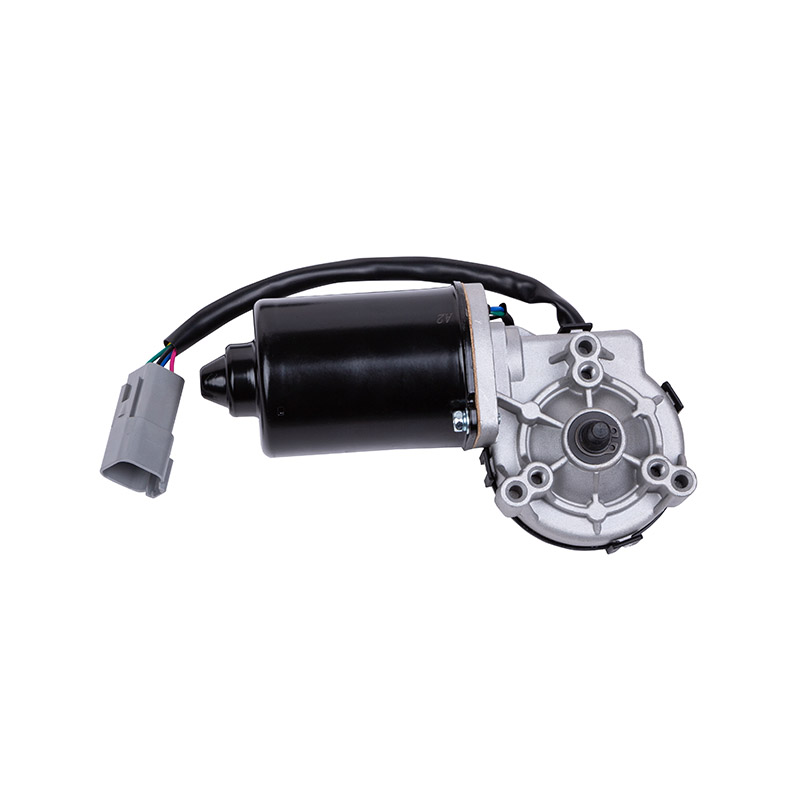
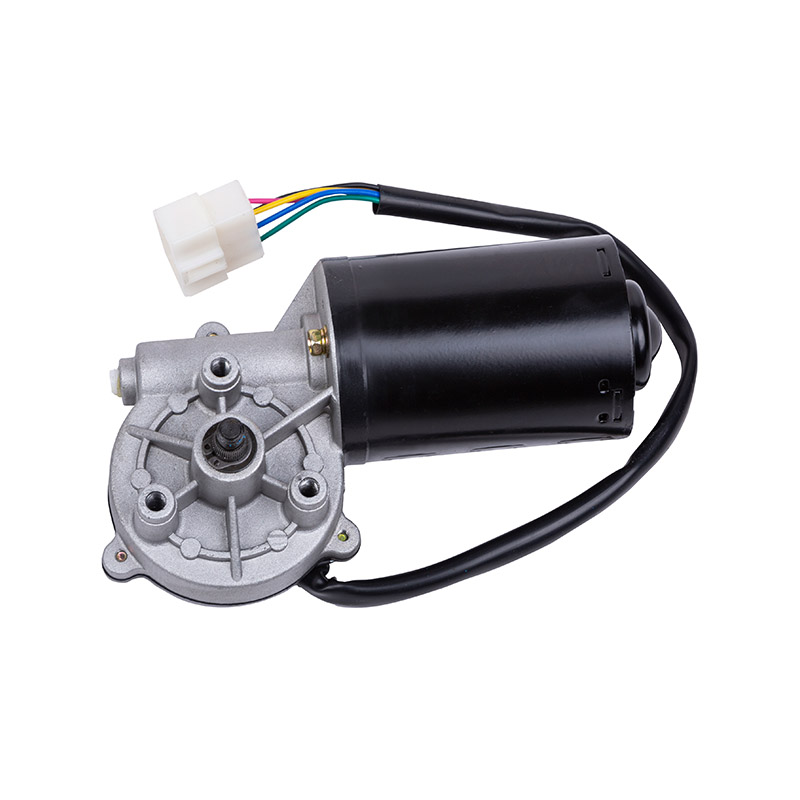
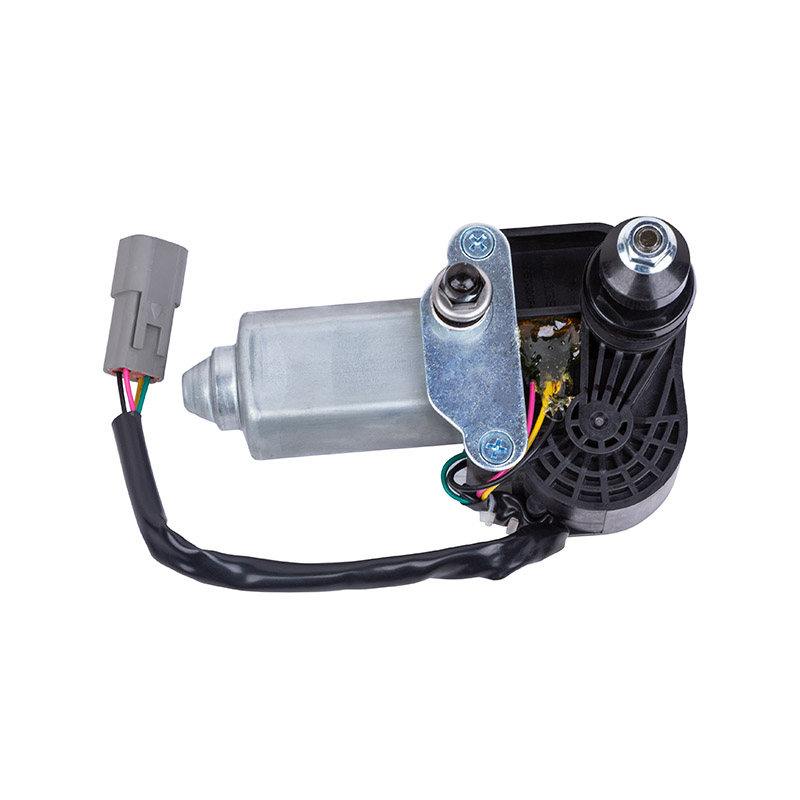
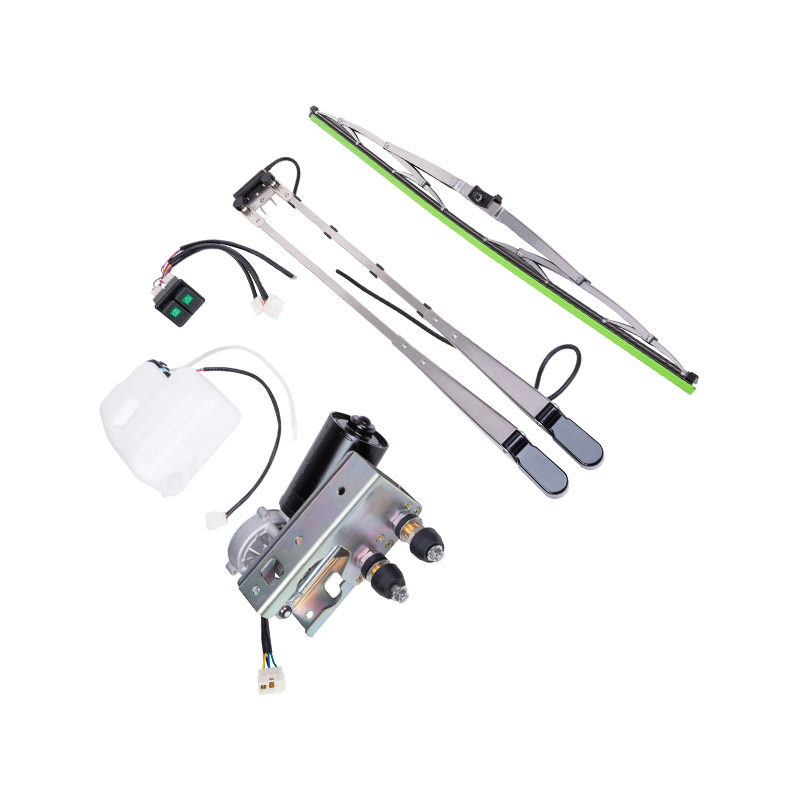
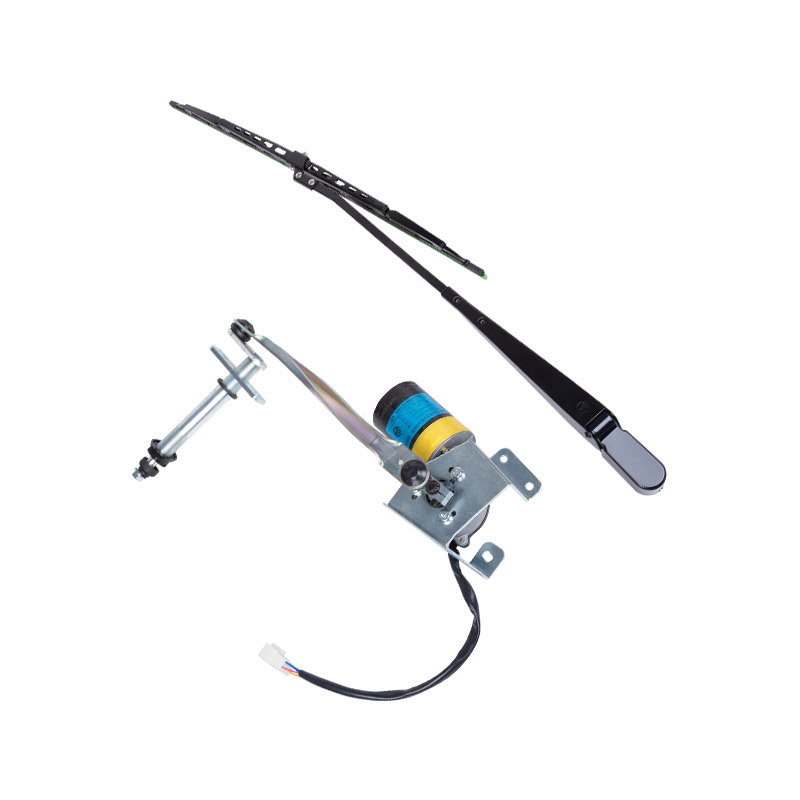
 Unexpected road conditions often test a driver’s ability to respond calmly and clearly. When discussing a Stainless Wiper Accessory and a Wiper Motor With Rain Sensor, many users want to understand how these components quietly influence visibility and driving awareness, especially during changing weather. Instead of focusing only on mechanical functions, it is helpful to look at how they take part in routine driving and support steady reactions on the road.
How Automatic Response Helps Drivers Stay Focused
A wiper motor equipped with a rain sensor detects moisture on the windshield and activates the wipers without requiring repeated manual adjustments. This feature is not simply a matter of convenience. It reduces the moments when the driver shifts attention away from the road to operate the wiper control. When rain levels fluctuate, the system adjusts the wiping frequency to match the amount of water detected, allowing the driver to maintain a consistent view of road markings, pedestrians, and surrounding vehicles.
For those driving in regions where brief showers or drizzle appear suddenly, this automatic response reduces small but frequent interruptions. By keeping the windshield clear in a timely manner, the driver can process external conditions more smoothly.
Why Material Quality of Stainless Wiper Accessories Matters
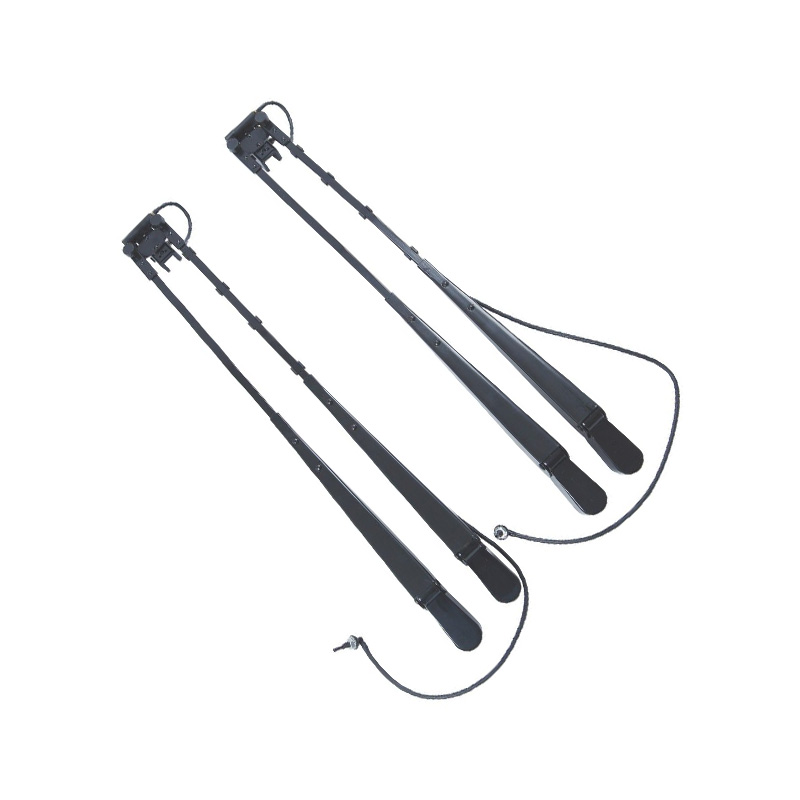
A Stainless Wiper Accessory plays a supporting role in ensuring the wiper mechanism operates steadily over time. Stainless steel components are generally chosen for their resistance to corrosion, especially in climates with high humidity or exposure to road salts. Over time, wipers encounter water, dust, and temperature changes, which can gradually affect stability and appearance if the materials do not hold up well.
Using stainless materials helps the accessory maintain its shape and function through repeated motion cycles. This consistent performance means the wiper blades stay positioned properly, making contact with the windshield as intended. For drivers, this translates into fewer unexpected issues like uneven wiping marks or vibrations that distract from the driving task. When the accessories remain stable, the entire wiper system works in a more predictable way.
How Rain Sensors Interpret Different Weather Conditions
A rain sensor relies on light refraction principles to understand the moisture level on the glass. When raindrops change the light passing through the windshield, the sensor interprets these signals and triggers the motor. This process occurs in real time, and the adjustments can vary from slow, occasional wiping to more frequent cycles when rainfall intensifies.
Drivers often experience weather that changes without warning: entering a tunnel, passing through tree-covered roads, or moving between urban and open areas. These shifts can alter the amount of rain hitting the windshield. A sensor-based system responds to these variations faster than manual operation because it reacts the moment moisture patterns change. This supports the driver in keeping a steady flow of attention during unpredictable conditions.
How Consistent Visibility Supports Overall Awareness
Driving awareness depends on clear vision, quick judgment, and stable perception of surroundings. Even small delays in clearing the windshield can affect how well the driver notices lane lines or braking vehicles ahead. By maintaining windshield clarity without manual input, the wiper motor and rain sensor system help reduce these minor vision inconsistencies.
For example, on busy roads with frequent stops, a clear windshield helps the driver quickly recognize brake lights. During evening rain, when reflections can distort depth perception, uniform wiping reduces sudden visual blur. These are practical differences that matter when navigating through traffic or unfamiliar areas. Instead of reacting to poor visibility, the driver can focus on anticipating traffic flow and observing hazards.
How These Components Contribute to Long-Term Use
Both the rain-sensing motor and the stainless wiper accessories are designed for extended cycles of use. A wiper system performs thousands of motions each year, often in dusty or wet conditions. Stable materials and sensor-assisted operation reduce the stress caused by frequent manual adjustments. This creates a more balanced experience for everyday users who prefer equipment that adapts well to seasonal changes.
Drivers who regularly commute or travel long distances may value the reduced need for constant attention to the control switch. Similarly, those living in coastal or rainy regions may find that stainless steel components retain their condition better over time. Although these components work quietly, they influence routine driving comfort in noticeable ways.