

 English
  Español
  русский
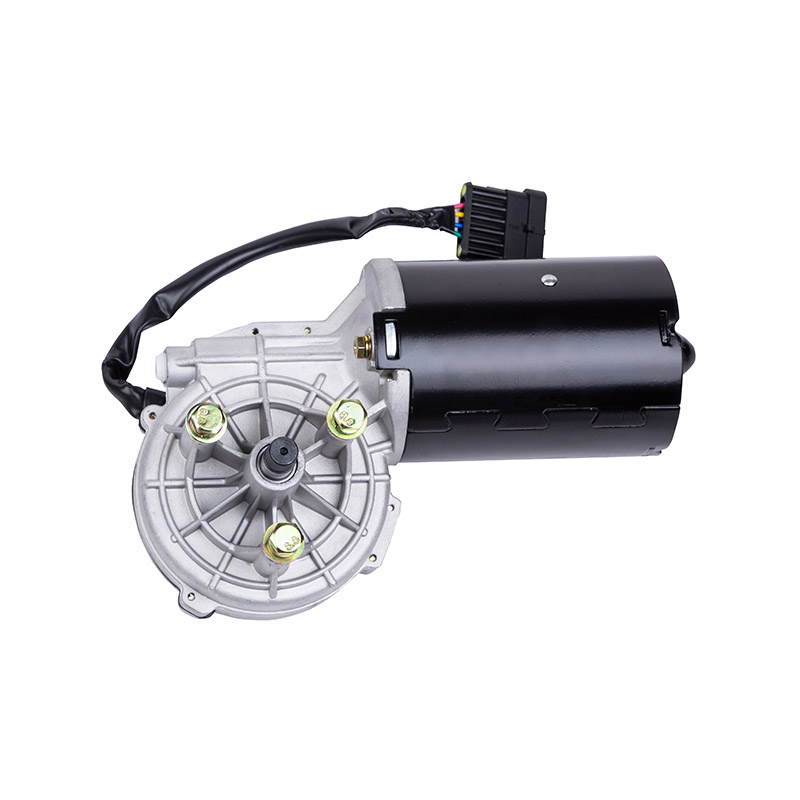
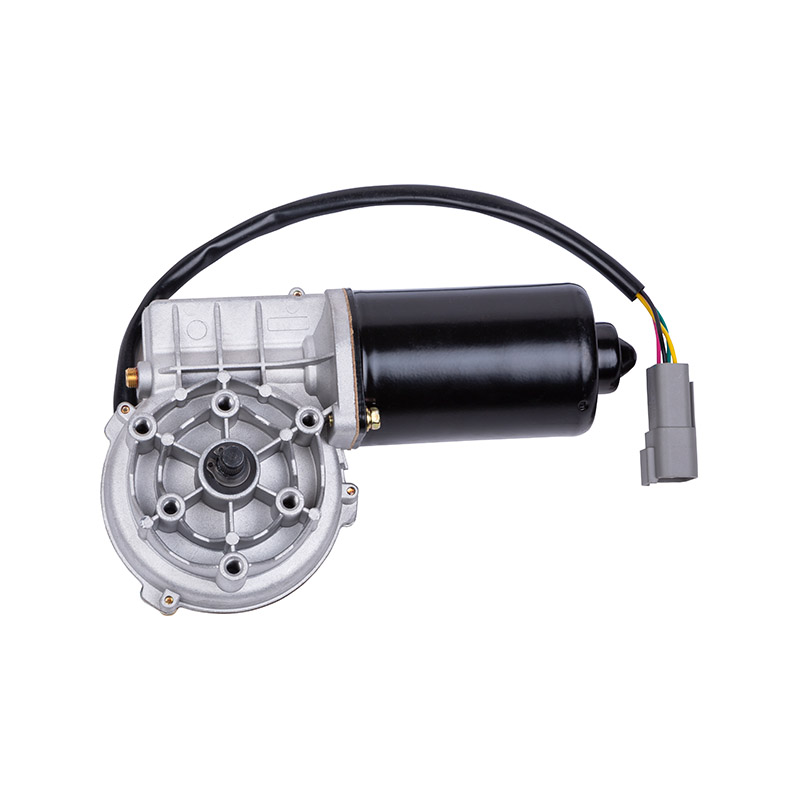
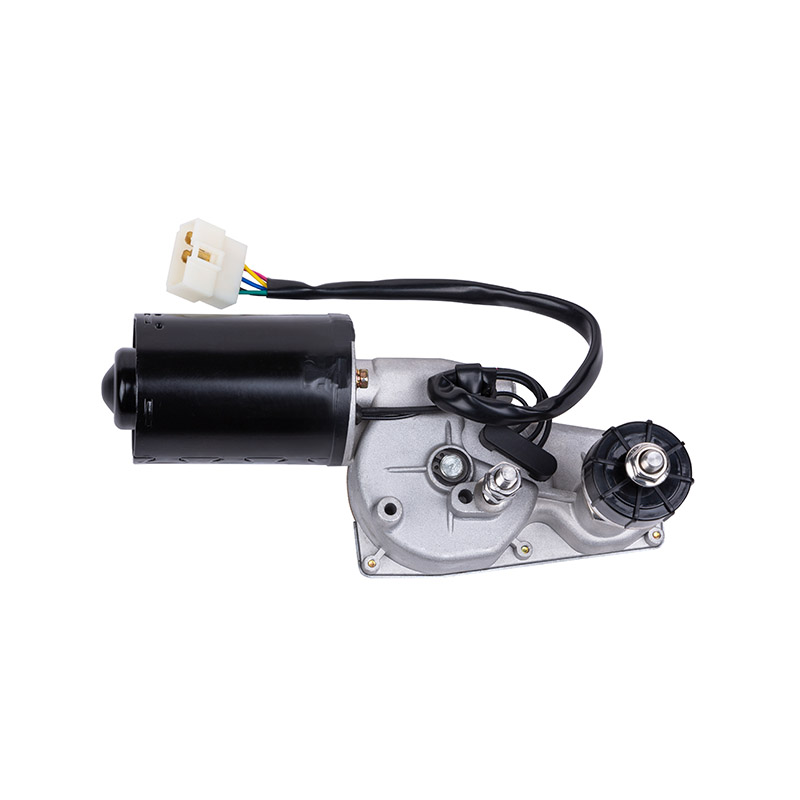
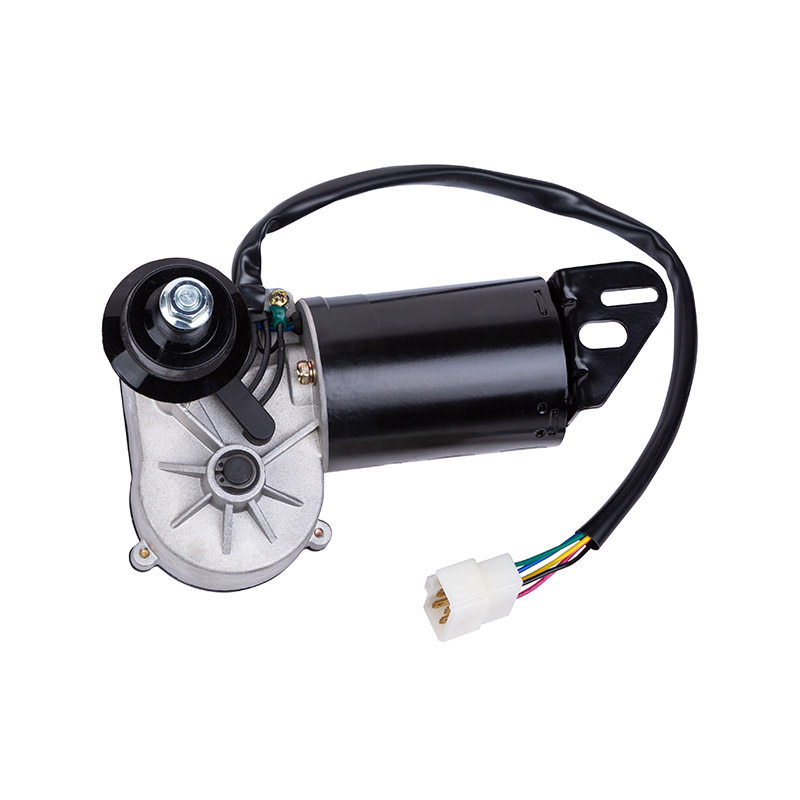
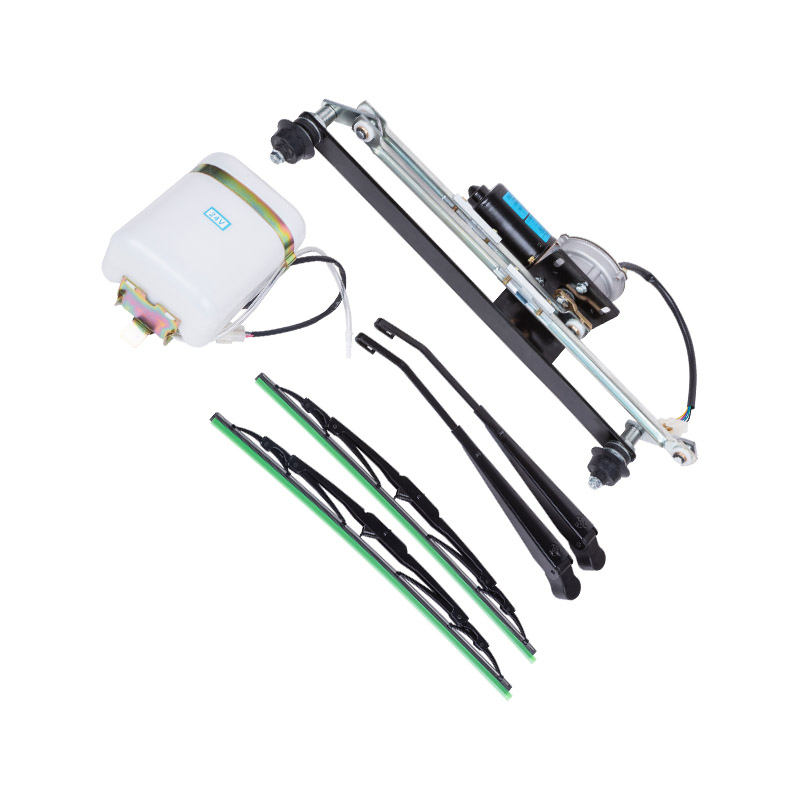
 During rainy or snowy days, maintaining clear visibility on urban rail vehicles is essential for safe operations. Both Metro Wiper Motor and Bus Wiper Motor play a crucial role in keeping windshields and front windows free from water, dust, and light debris. While their applications vary slightly due to vehicle design and operating conditions, their function contributes directly to operational safety and passenger comfort. Understanding how these wiper motors work can help transit operators make informed decisions about maintenance and replacement schedules.
Consistent Performance in Different Weather Conditions
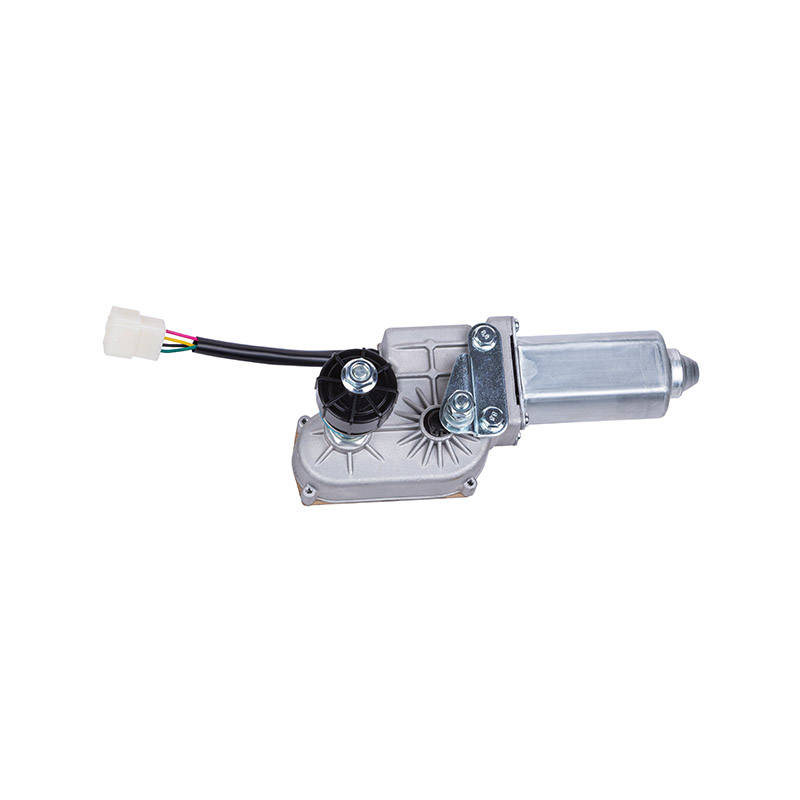
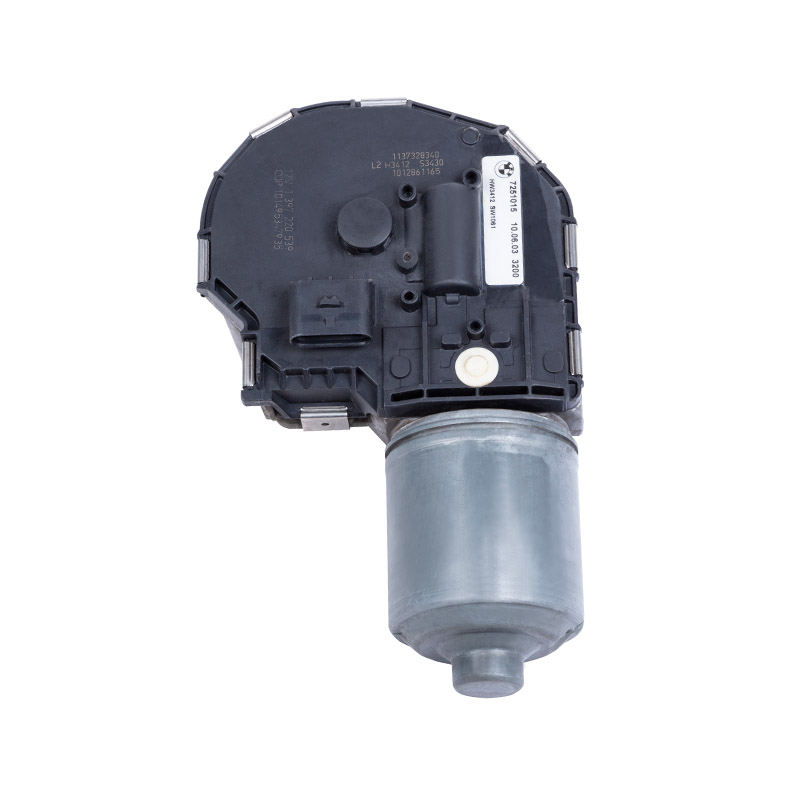
Metro Wiper Motors are designed to handle frequent stops and starts common in urban rail systems. Unlike typical vehicle wipers, these motors manage continuous operation during heavy rainfall or light snow. Bus Wiper Motors, while applied in road vehicles, follow similar principles, providing consistent movement to clear water from large windshield surfaces. Their construction allows them to maintain steady speed and pressure on the glass, reducing streaking and temporary visibility obstruction.
Adaptability to Vehicle Design
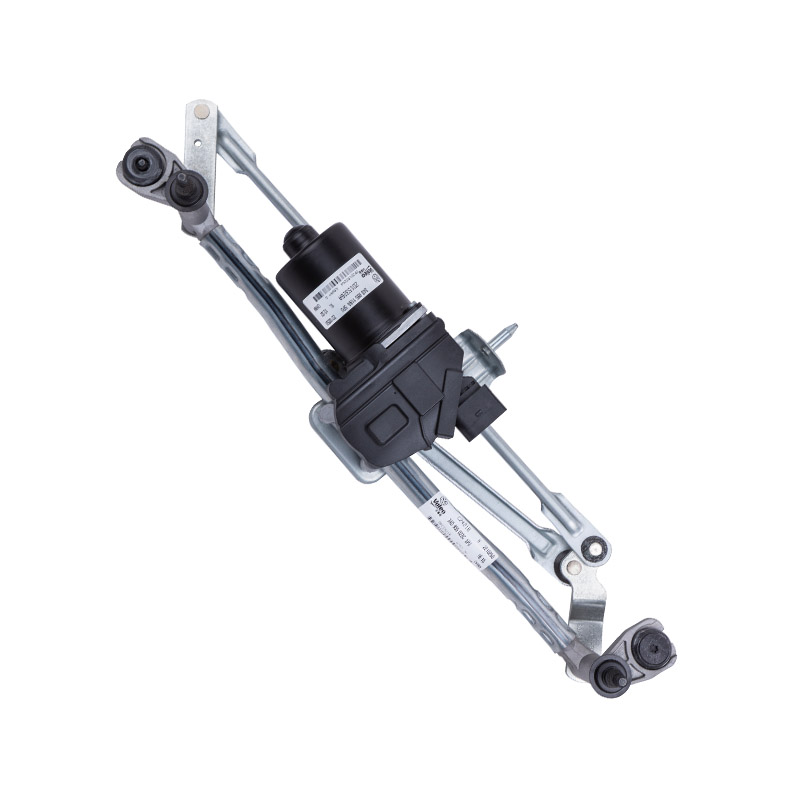
Urban trains and buses have different windshield sizes and curvatures, and the motors are engineered accordingly. Metro Wiper Motor systems are often integrated with multiple linked arms to cover wide glass areas efficiently. They can accommodate variable angles, ensuring that corners and edges are not left untouched during operation. Bus Wiper Motors are also adapted to cover flat or slightly curved windshields, allowing operators to maintain a clear field of vision without adjusting the motor manually.
Energy Efficiency and Durability
Modern wiper motors are built to operate with controlled energy usage. Metro Wiper Motor designs often include mechanisms that balance motor load with the resistance caused by water or debris on the windshield. This reduces unnecessary strain on electrical systems while maintaining steady operation. Similarly, Bus Wiper Motors are made to withstand prolonged use without overheating, even under continuous rainfall conditions. The combination of efficient design and durability helps transit systems avoid frequent interruptions or unscheduled maintenance.
Ease of Maintenance
Both Metro and Bus Wiper Motors are designed with maintenance accessibility in mind. Components such as motor housings, linkages, and electrical connectors are arranged to allow inspections, lubrication, or replacement without extensive disassembly. This accessibility helps reduce downtime during routine maintenance and ensures that vehicles remain operational under varying weather conditions. Understanding the layout and operational cycle of the wiper system can guide technicians in identifying issues such as reduced sweep coverage, uneven motor speed, or electrical faults.
Integration with Control Systems
Urban rail vehicles increasingly rely on automated or semi-automated control systems. Metro Wiper Motors can be linked to sensors that detect rainfall intensity, enabling wipers to adjust speed based on actual conditions rather than fixed intervals. This feature reduces unnecessary movement in light rain while providing steady clearing during heavier precipitation. Bus Wiper Motors can also be integrated with similar sensor-based controls, allowing operators to focus on driving rather than manually adjusting wiper speed.
Safety and Passenger Considerations
Clear visibility benefits both operators and passengers. When wipers function smoothly, operators can respond accurately to track signals, obstacles, and other vehicles. Passengers gain a sense of safety knowing that external conditions are being managed. While wipers are a small component compared to the entire vehicle system, their role in maintaining a clear line of sight is significant for overall operational safety.