

 English
  Español
  русский
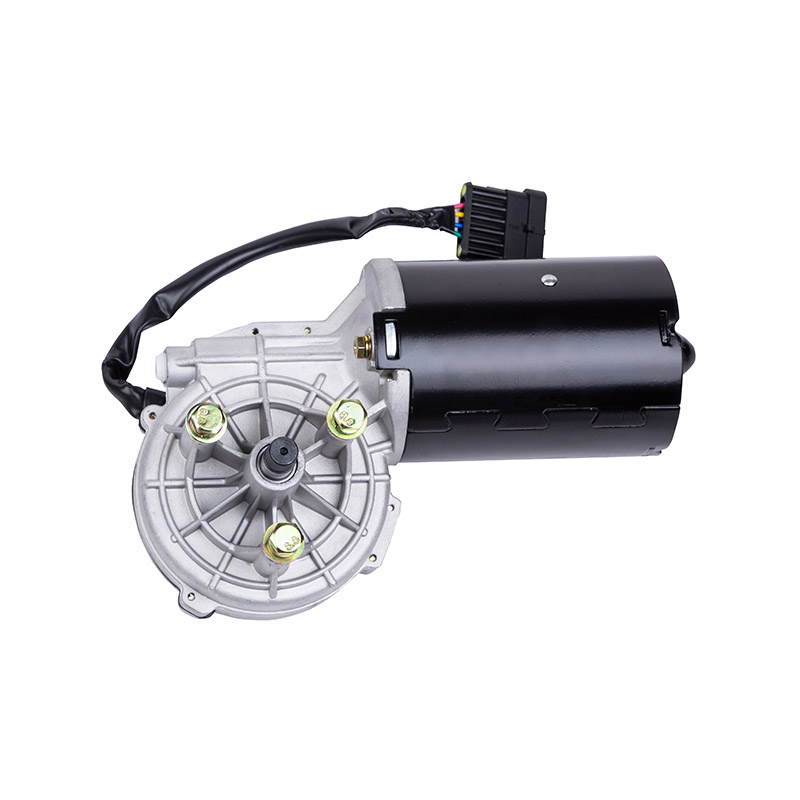
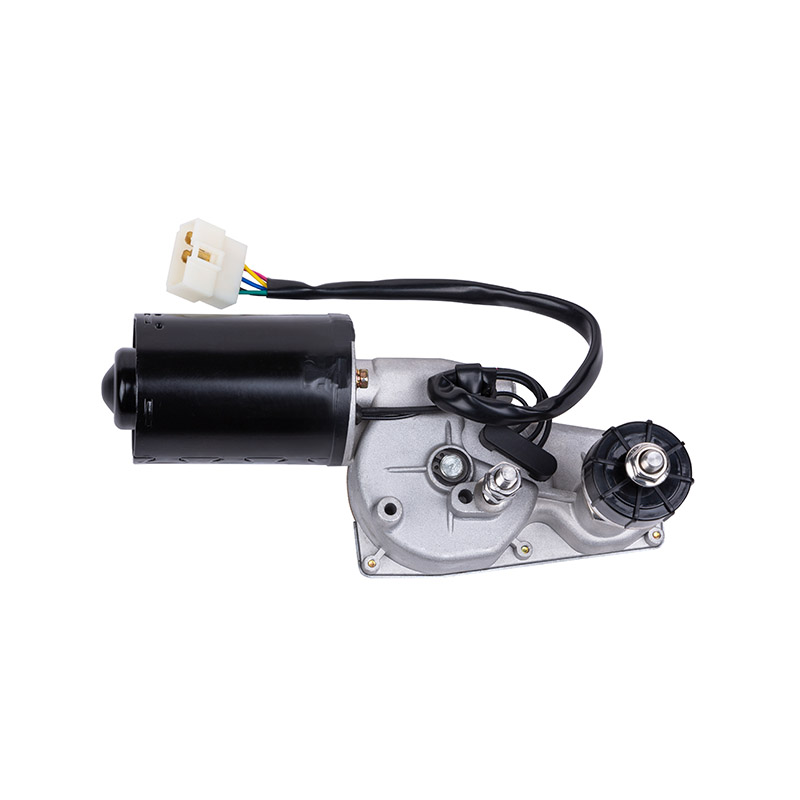
 Heavy rain presents a direct challenge to visibility for drivers and operators of public transport vehicles. In urban rail systems and bus networks, clear forward vision is closely tied to safety, schedule stability, and passenger confidence. During intense rainfall, the coordination between the wiper system and its drive unit becomes especially important. In this context, the Metro Wiper Motor and Bus Wiper Motor play a practical role in helping vehicles maintain a clear field of view without interruption, even when weather conditions change quickly.
Unlike private cars, metro vehicles and buses operate for long hours, often on fixed routes and under strict timetables. This means their wiper motors must work continuously, respond consistently to rain intensity, and integrate smoothly with the vehicle’s electrical and control systems. Understanding how these motors function during heavy rain can help operators make informed decisions about system selection, maintenance, and daily use.

Challenges to Visibility in Heavy Rain Environments
Heavy rain affects visibility in several ways. Water accumulation on windshields can distort light, reduce contrast, and create glare from streetlights or oncoming vehicles. In urban rail transit, rainwater mixed with dust or oil residue can form a thin film that is harder to remove than clean water. For buses operating in mixed traffic, splashes from other vehicles add another layer of obstruction.
A wiper motor must provide stable movement under these conditions. If motor speed fluctuates or torque drops under load, the wiper blade may skip, stall, or fail to clear water evenly. Over time, these issues can reduce visibility and increase operator fatigue, particularly during long shifts in adverse weather.
How Motor Output Supports Consistent Wiper Movement
The core function of a Metro Wiper Motor is to convert electrical energy into controlled mechanical motion for the wiper arms. During heavy rain, resistance on the windshield increases as water volume rises. A motor designed for rail applications is typically sized to handle this additional load without sudden speed loss.
Instead of focusing on high speed alone, these motors emphasize steady output. Consistent rotation helps the wiper blade maintain full contact with the glass surface, allowing water to be cleared in each cycle. This steady behavior is especially important for metro vehicles that rely on wide, curved windshields, where uneven pressure can leave uncleaned areas.
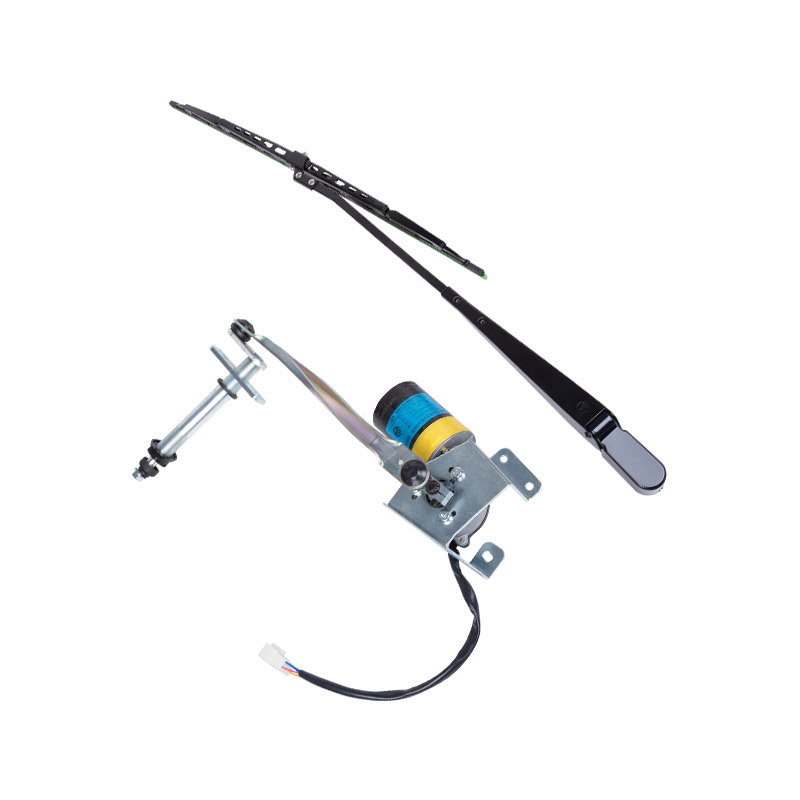
In bus applications, the Bus Wiper Motor performs a similar role but often needs to adapt to varying windshield sizes and angles across different vehicle models. Stable motor output ensures that the wiper motion remains predictable, helping drivers anticipate cleared sightlines even during downpours.
Adapting to Variable Rain Intensity
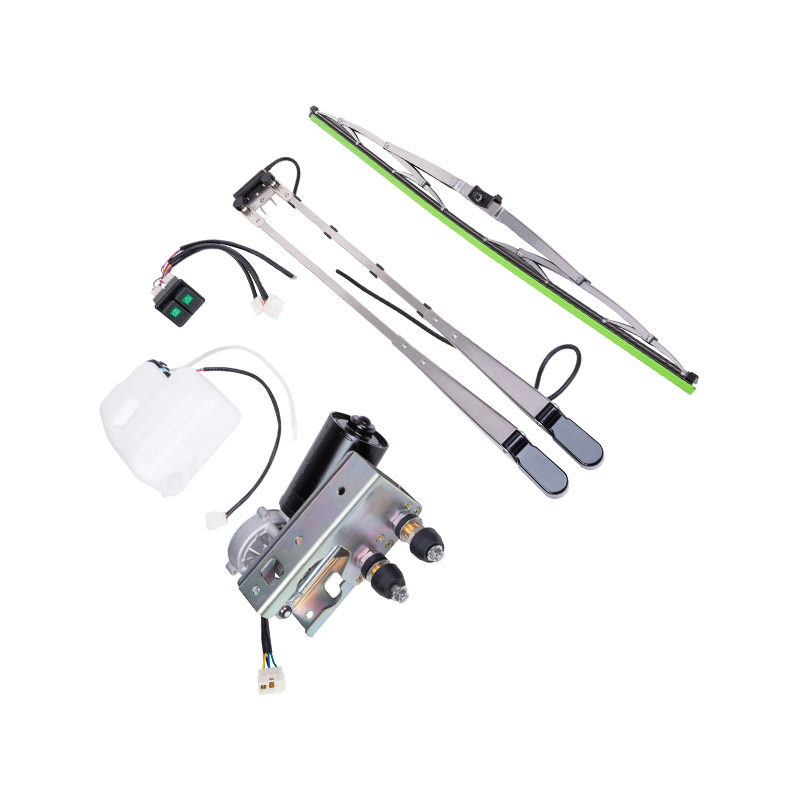
Rainfall intensity can change within minutes. Light rain may require intermittent wiping, while sudden storms demand continuous operation. Modern wiper motors used in metro and bus systems are commonly paired with control modules that allow multiple operating modes.
During heavy rain, the motor must respond smoothly when switching from intermittent to continuous operation. Sudden electrical surges or mechanical shocks can shorten component life and affect performance. Motors designed for public transport use are typically built to handle frequent mode changes, maintaining smooth transitions without noticeable vibration or noise.
This adaptability helps operators keep visibility stable without constantly adjusting controls, allowing them to focus on driving or monitoring the route.
Role of Durability in Prolonged Rain Operation
Heavy rain events can last for hours, especially during seasonal storms. In these situations, the wiper motor may run continuously for extended periods. Heat buildup, moisture exposure, and mechanical wear all become concerns.
Metro and bus wiper motors are generally enclosed to limit moisture ingress. Sealing methods and material choices help protect internal components such as bearings, windings, and gear assemblies. While no motor is immune to wear, designs intended for transit use account for repeated exposure to wet conditions.
This durability supports consistent wiping action throughout long rain events, reducing the likelihood of mid-route interruptions caused by motor overheating or water-related faults.
Integration With Vehicle Electrical Systems
Another factor influencing visibility during heavy rain is how well the wiper motor integrates with the vehicle’s electrical system. Voltage fluctuations can occur when multiple onboard systems operate simultaneously, such as lighting, signaling, and climate control.
A well-matched Metro Wiper Motor is designed to operate within the standard voltage range of rail vehicles, maintaining stable performance even when electrical load varies. Similarly, a Bus Wiper Motor must cope with frequent engine speed changes and auxiliary power demands common in city driving.
Stable electrical compatibility helps ensure that wiper speed remains consistent, avoiding sudden slowdowns that could leave water on the windshield during critical moments.
Maintenance Considerations That Affect Rain Performance
Visibility during heavy rain is not determined by motor design alone. Maintenance practices play a significant role. Over time, worn linkages, misaligned wiper arms, or aging blades can increase resistance, placing additional strain on the motor.
Regular inspection of the wiper system helps ensure that the motor operates within its intended load range. Lubricating moving joints, replacing worn blades, and checking electrical connections can all contribute to smoother motor operation during rain.