

 English
  Español
  русский
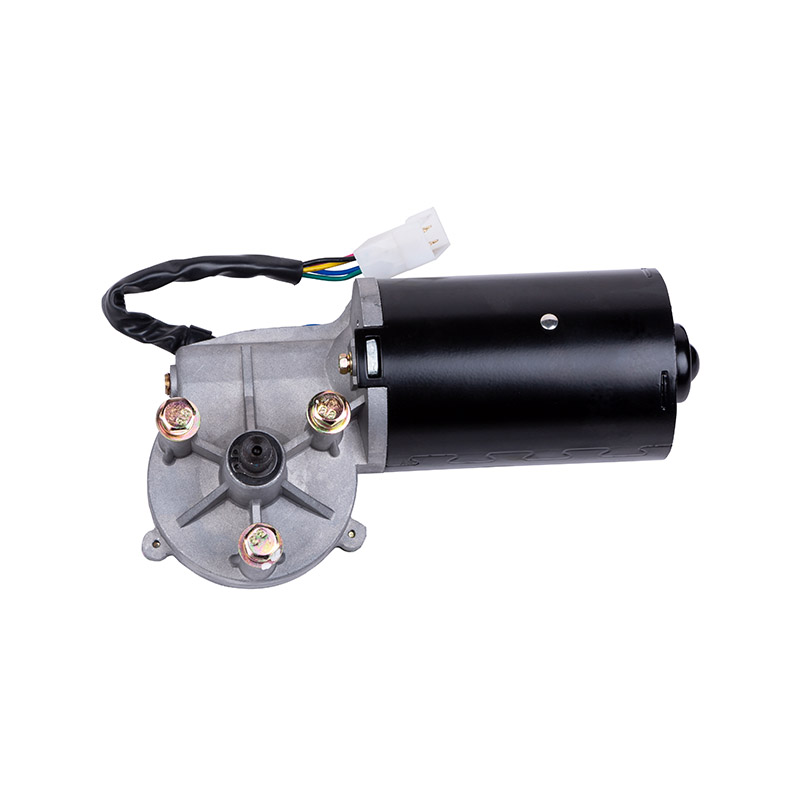
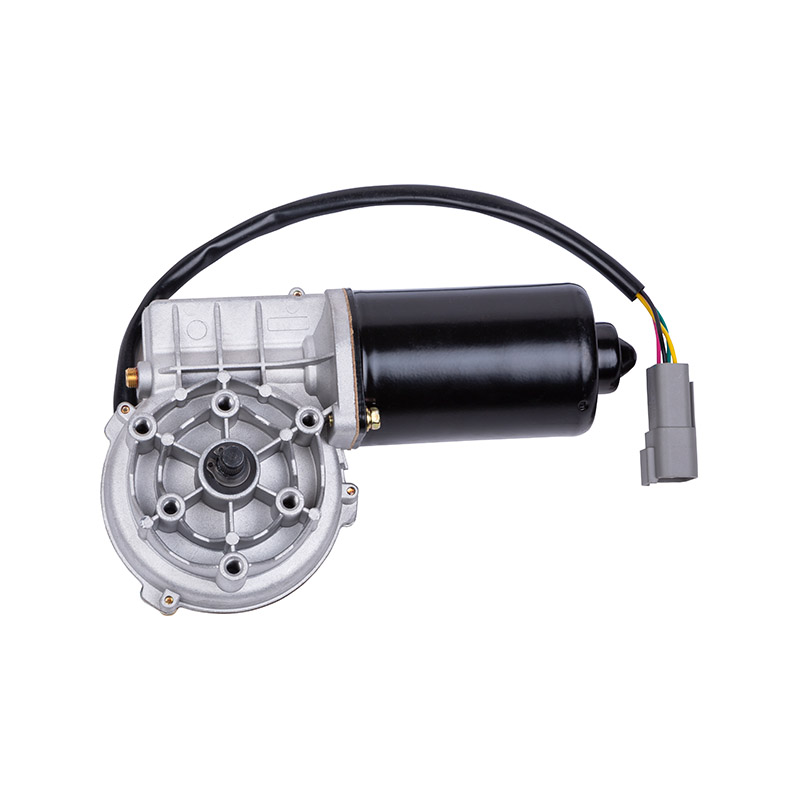
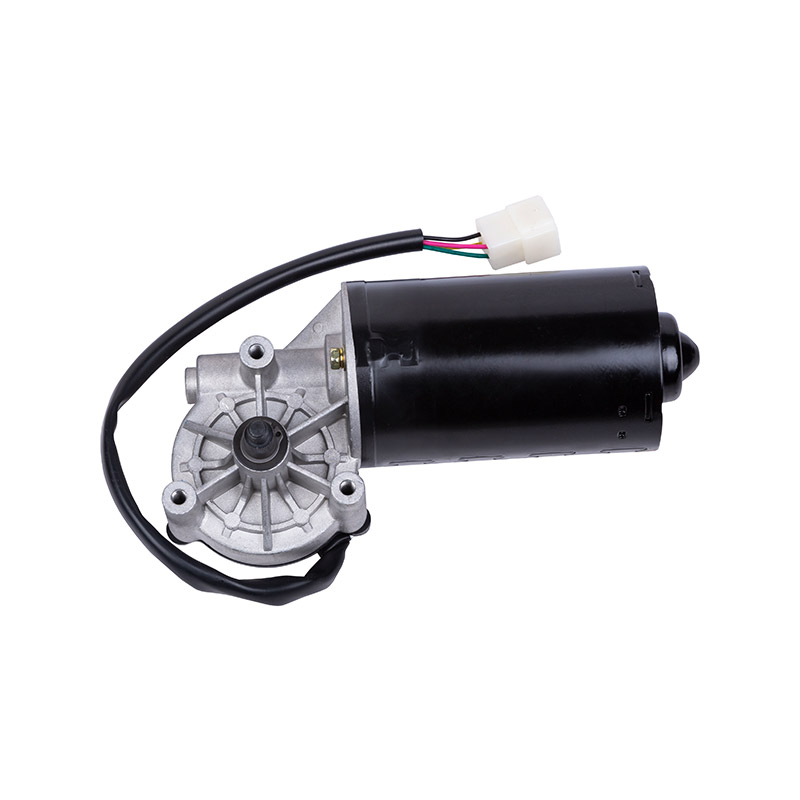
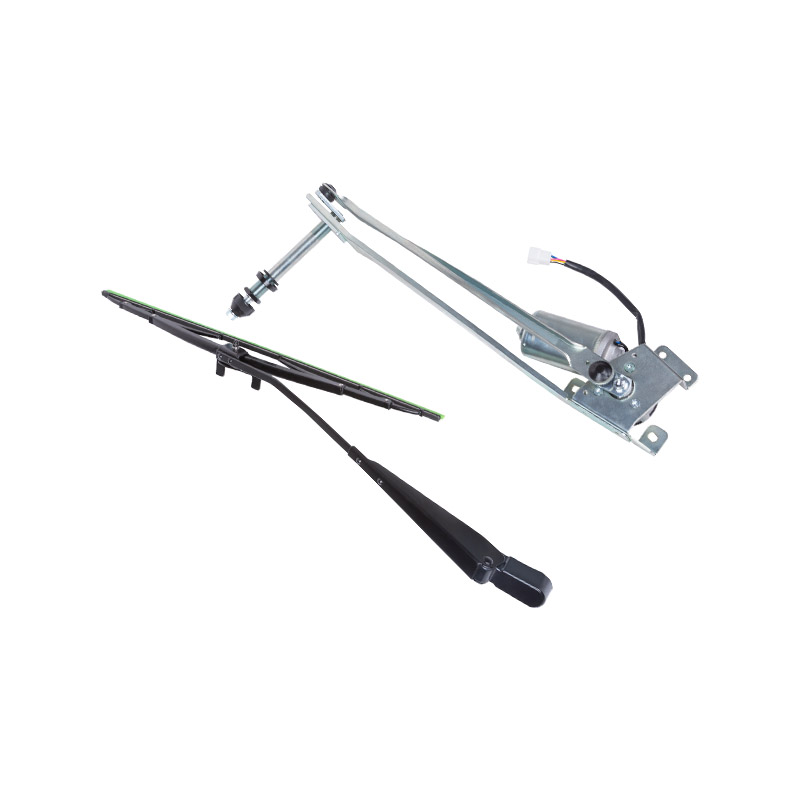
 Operating conditions inside rail tunnels differ significantly from those on open tracks. Limited airflow, constant humidity, artificial lighting, and long operating hours all place specific demands on onboard components. For visibility systems, these conditions directly influence how a Metro Wiper Motor and Bus Wiper Motor perform over time. Although tunnels shield vehicles from direct rainfall, they introduce other factors that can affect wiper motor stability, responsiveness, and service life. Understanding these factors helps operators, maintenance teams, and procurement staff better evaluate system behavior and address issues before they affect daily operation.
Tunnel Humidity and Condensation Exposure
One of the common environmental characteristics of tunnels is persistent humidity. Temperature differences between tunnel interiors and vehicle cabins often cause condensation to form on windshields, particularly during seasonal changes or early morning operation. This moisture may appear lighter than rainfall, but it can still require frequent wiper activation.
For a metro wiper motor, repeated short-cycle operation under humid conditions can place stress on internal electrical components if moisture protection is insufficient. Over time, condensation may also affect external connectors or housings if sealing integrity declines. In bus systems operating through underground sections or terminal tunnels, similar exposure can occur, especially when vehicles move between open air and enclosed spaces multiple times a day.
Airborne Particles and Tunnel Residue
Unlike open environments where wind disperses debris, tunnels tend to accumulate fine dust, brake particles, and oil residues. These materials can settle on the windshield and mix with moisture, forming a film that increases friction between the glass and wiper blade.
As resistance rises, the load on the wiper motor also increases. A Metro Wiper Motor operating in tunnels must maintain steady movement under these conditions to avoid uneven wiping or intermittent pauses. Bus wiper motors used on routes that include tunnel segments may face similar resistance, especially if maintenance intervals are extended. Understanding this interaction between surface contamination and motor load helps explain why motor performance may feel different in tunnels compared to surface routes.
Limited Airflow and Heat Dissipation
In open environments, natural airflow helps dissipate heat generated by electrical components. Tunnels, however, restrict airflow, especially during low-speed operation or station dwell time. When a wiper motor operates repeatedly in such conditions, internal heat can build up more quickly.
While wiper motors are designed to handle continuous operation, sustained use in low-ventilation environments may affect thermal balance. For metro vehicles that remain underground for long sections of their route, this factor becomes more relevant during periods of frequent windshield clearing caused by condensation or tunnel spray systems.
Bus wiper motors encounter this issue primarily when vehicles idle in enclosed terminals or underground parking areas. Reduced airflow during idling can influence motor temperature, particularly if the wiper system remains active for defogging purposes.
Electrical Load Variations in Tunnel Operation
Tunnel operation often coincides with higher electrical demand. Lighting systems, signaling interfaces, ventilation equipment, and onboard monitoring systems may draw additional power while vehicles are underground. These combined loads can influence voltage stability across the vehicle’s electrical network.
A Metro Wiper Motor connected to this system must operate consistently within the available voltage range. Fluctuations can cause changes in wiping speed or delayed response when the system is activated. Bus wiper motors may experience similar effects when auxiliary systems such as interior lighting or door mechanisms are frequently used in enclosed stations.
Recognizing how tunnel-related electrical demand interacts with wiper motor behavior helps maintenance teams diagnose performance changes that are not caused by mechanical wear alone.
Frequency of Intermittent Operation
Inside tunnels, wipers are often used intermittently rather than continuously. Operators may activate them briefly to clear condensation or residue, then turn them off once visibility improves. This repeated start-stop pattern places different demands on the motor compared to long, steady operation.
Each activation requires the motor to overcome static resistance and bring the wiper arm into motion. Over time, frequent cycling can influence components such as brushes, gears, and bearings. A Metro Wiper Motor designed for transit use accounts for this operating style, but performance may still vary depending on system condition and maintenance practices.
Bus wiper motors used on mixed routes may experience a combination of intermittent tunnel use and continuous surface operation, making consistent performance across conditions an important consideration.