

 English
  Español
  русский
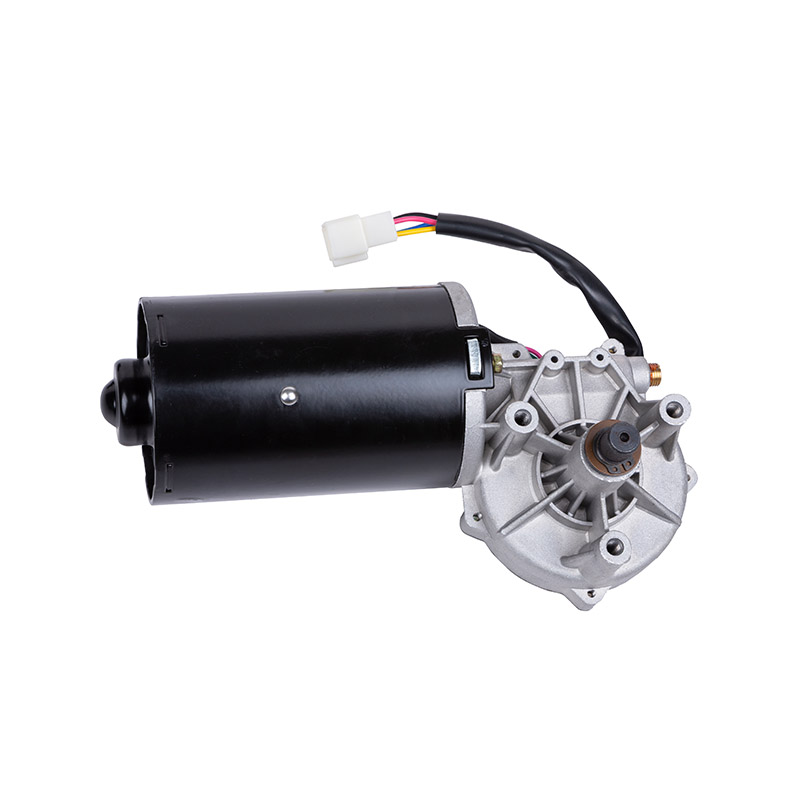
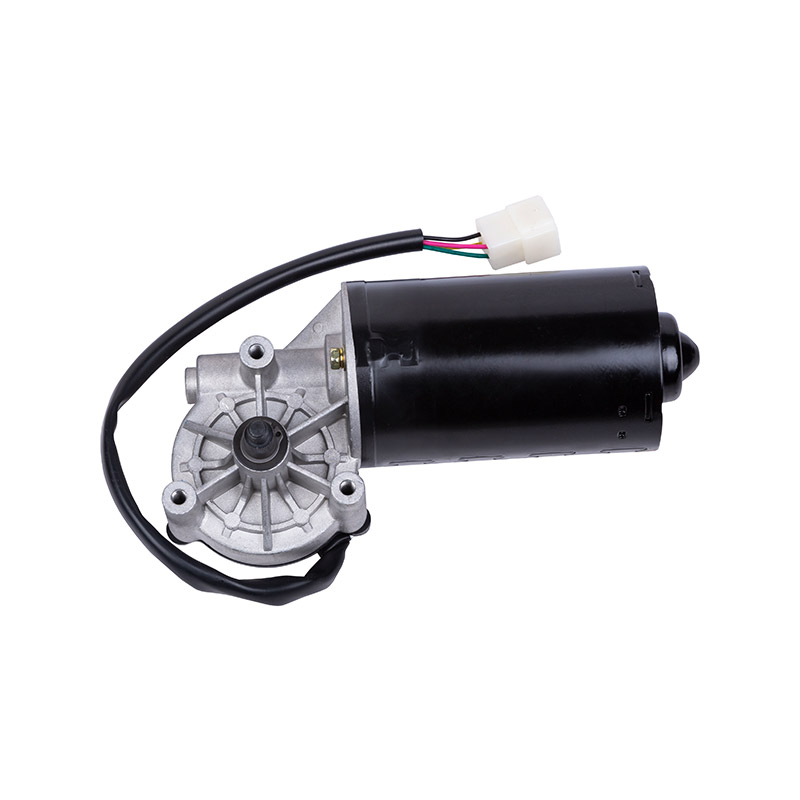
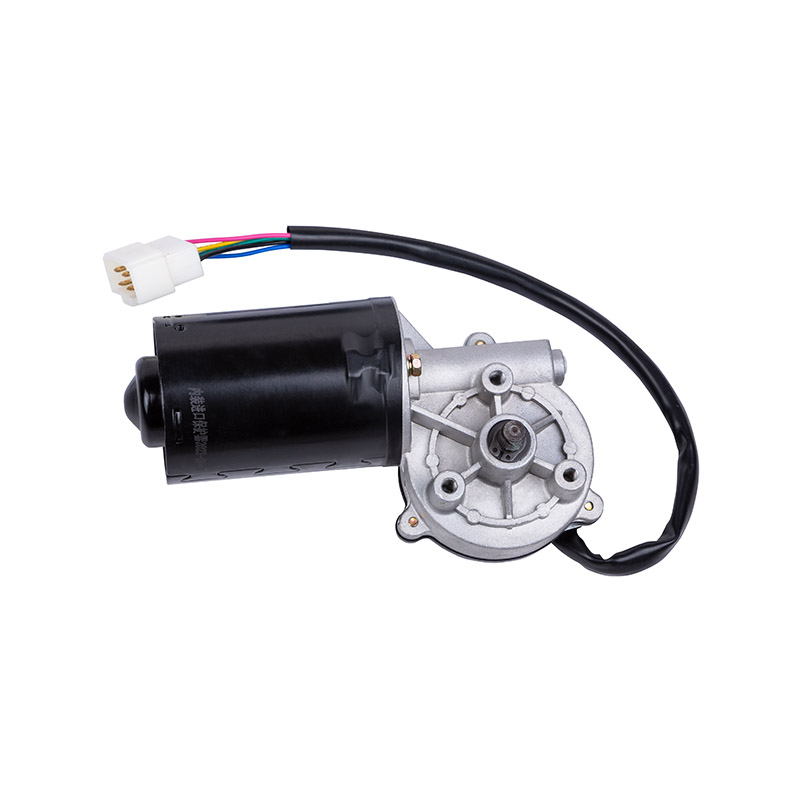
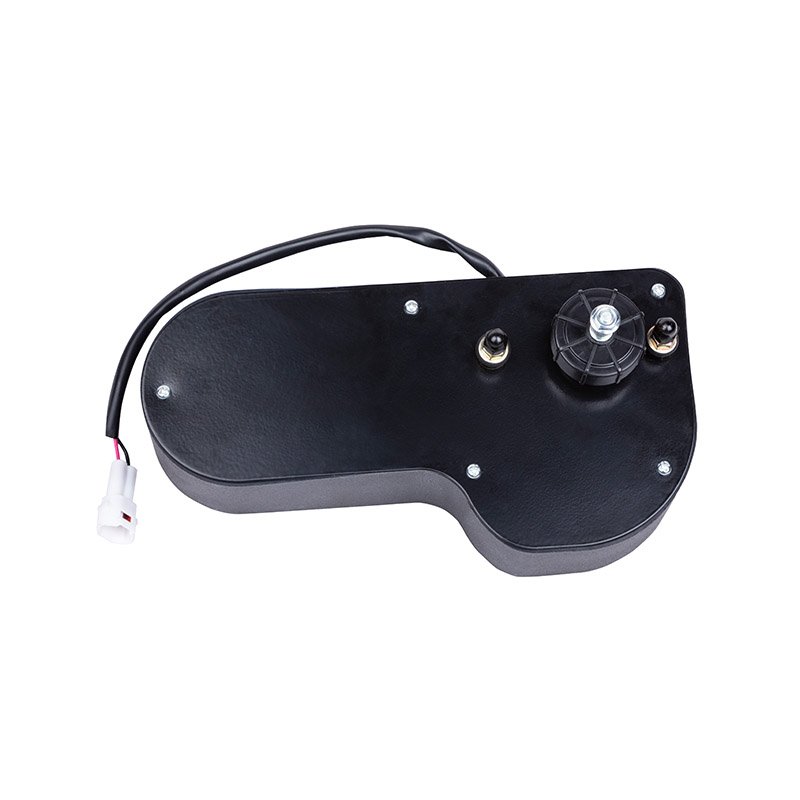
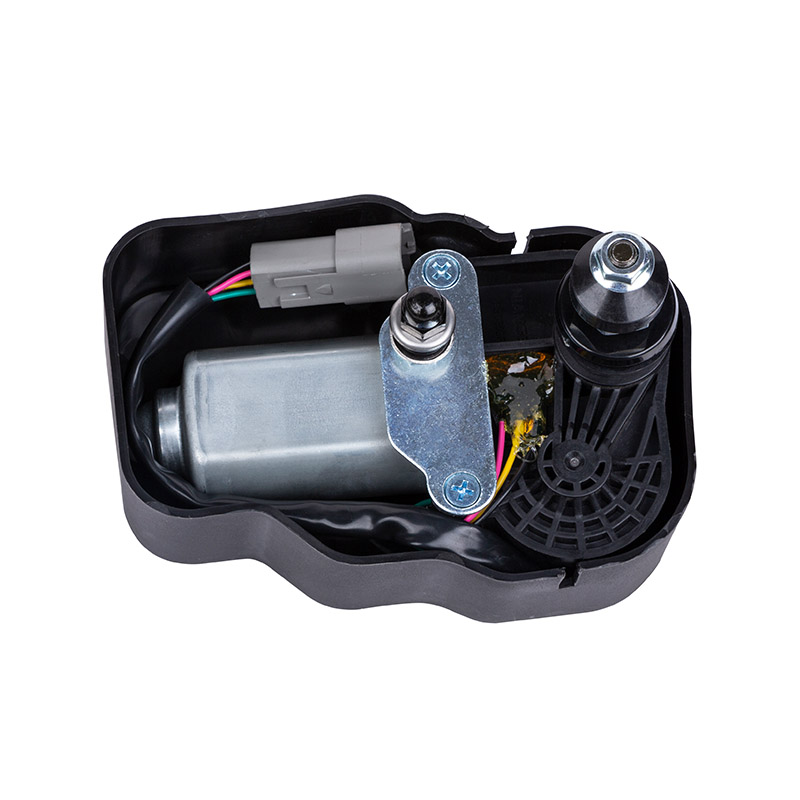
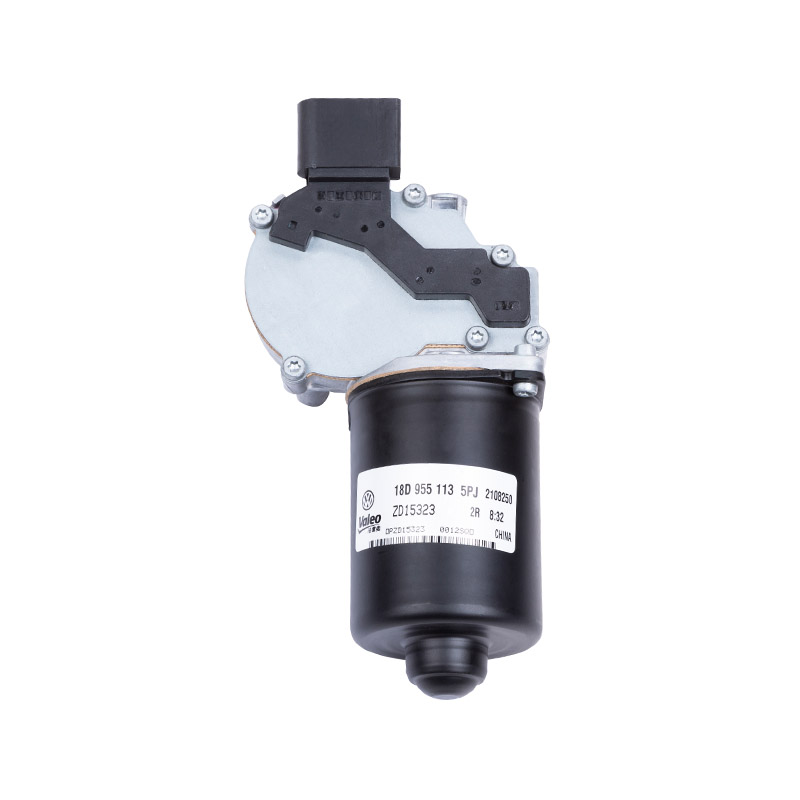
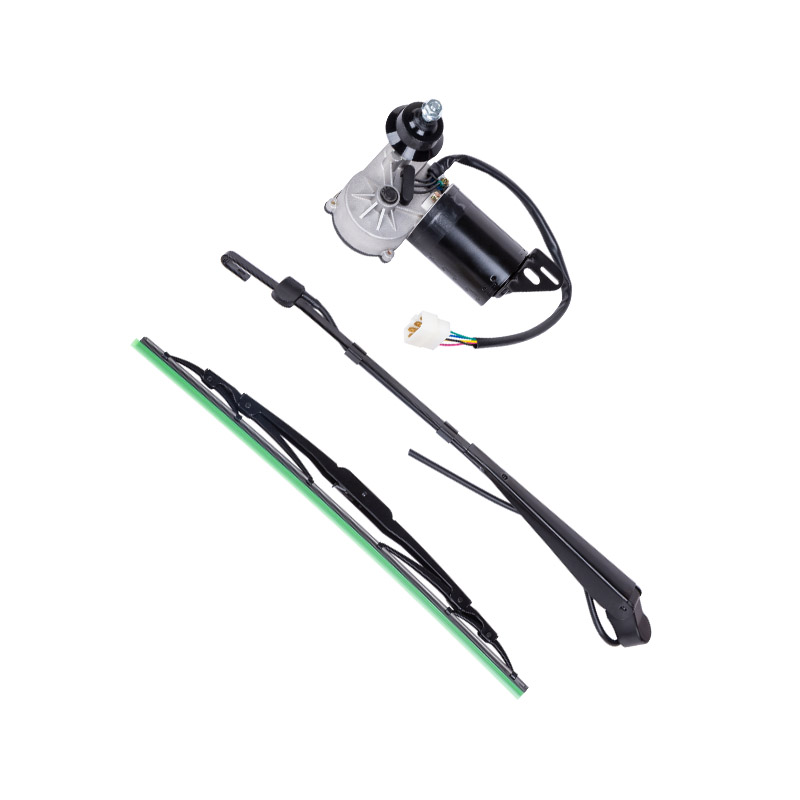
 Urban rail systems depend on many interconnected subsystems to support safe and orderly operation. Some components attract attention because they are directly linked to signaling, braking, or communication, while others work quietly in the background. Within this broader framework, the Metro Wiper Motor and Bus Wiper Motor occupy a practical but often overlooked position. Their role is closely tied to visibility, human operation, and the day-to-day continuity of service, especially under changing environmental conditions. Understanding where these motors fit within rail safety systems helps clarify why they are treated as standard equipment rather than optional accessories.
Visibility as a Foundation of Rail Safety
Rail safety systems are built on layers. Automatic train protection, signaling, and centralized monitoring form the technical backbone, but human operators remain an essential part of the system. Clear forward visibility allows drivers to confirm track conditions, signals, platform alignment, and unexpected obstacles. Even with automation, visual confirmation remains part of operational procedures in many metro networks.
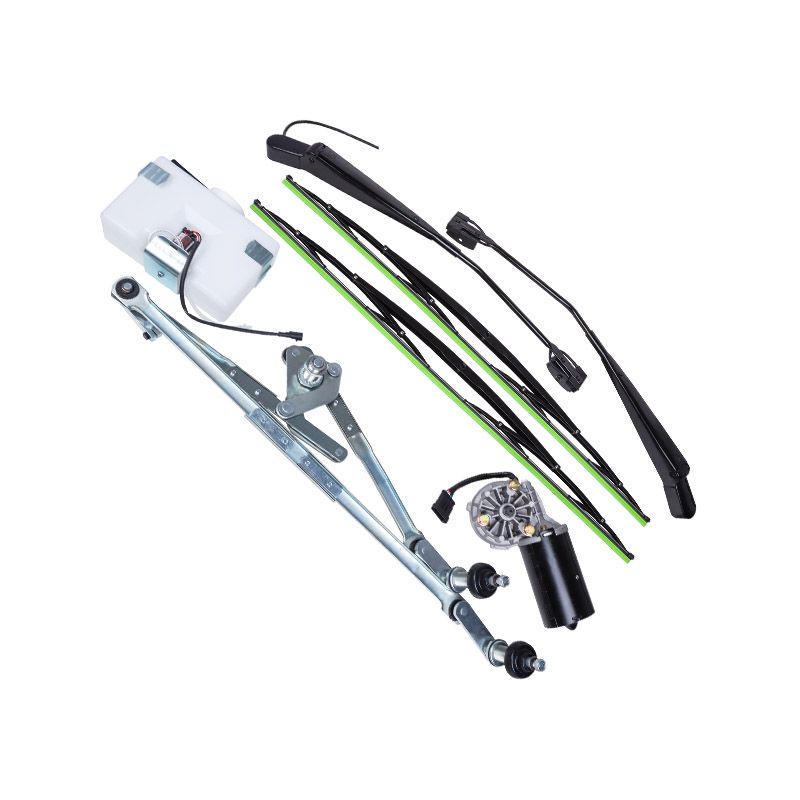
The wiper system, driven by the wiper motor, directly supports this visual layer. When rain, condensation, or tunnel residue affects the windshield, the ability of the motor to maintain consistent wiper movement helps ensure that visual information remains usable. From a system perspective, this places the Metro Wiper Motor in the category of auxiliary safety support equipment, working alongside lighting, defogging, and camera systems.
Relationship Between Wiper Motors and Driver Assistance Systems
Modern rail vehicles often integrate multiple driver assistance features, including onboard displays, signal repeaters, and camera feeds. These systems reduce reliance on direct line-of-sight, but they do not fully replace it. External cameras can also be affected by moisture or dirt, and their effectiveness depends on clear lenses and stable power supply.
In situations where onboard systems provide alerts or instructions, drivers still look forward to confirm conditions. By supporting windshield clarity, the wiper motor indirectly complements electronic assistance systems rather than duplicating their function.
Bus systems share a similar relationship. A Bus Wiper Motor works alongside mirrors, cameras, and dashboard indicators to support safe maneuvering in mixed traffic, terminals, and shared rail corridors.
Integration With Environmental Safety Measures
Rail safety systems also include measures designed to manage environmental risks. These range from tunnel ventilation and drainage to track heating and weather monitoring. While these systems address conditions at a network level, the wiper motor addresses their effects at the vehicle interface.
For example, tunnel ventilation reduces humidity but does not eliminate condensation entirely. Drainage systems manage water ingress but cannot prevent spray from entering station areas. The Metro Wiper Motor operates at the point where environmental conditions meet human operation, clearing the windshield so that broader safety measures remain effective from the driver’s perspective.
In bus operations, environmental safety measures such as covered stations or roadside drainage also reduce exposure but do not remove the need for effective windshield clearing during adverse weather.
Role During Degraded or Emergency Operation
Rail safety planning accounts for degraded modes, where some systems may operate with reduced functionality due to faults, maintenance, or external conditions. In such scenarios, human observation often becomes more important.
If signaling systems require manual confirmation, or if trains operate at reduced speed under special instructions, drivers rely heavily on direct visibility. The wiper motor’s role in maintaining a clear windshield becomes more noticeable during these periods, even though it remains a mechanical component rather than a control system.
Bus operations encounter similar situations during traffic incidents, diversions, or manual yard movements. In these cases, the Bus Wiper Motor supports safe operation by maintaining visibility when drivers must rely more on direct observation than on automated guidance.
Interaction With Maintenance and Inspection Systems
Rail safety systems extend beyond onboard equipment to include inspection routines, diagnostics, and maintenance planning. Wiper motors are part of these routines, with performance checks often integrated into regular vehicle inspections.