

 English
  Español
  русский
 Navigation bridges on modern vessels face a unique set of challenges. Heavy rain, sea spray, and salt-laden winds can reduce visibility and affect the safety of operations. Upgrading marine wiper systems is therefore a practical approach to maintaining clear vision on the bridge. In this article, we explore the key considerations for marine wiper system upgrades, focusing on components such as the marine wiper motor kit, car front window wipers, and car windshield blades, which can be adapted for marine applications.
Understanding Marine Wiper Systems
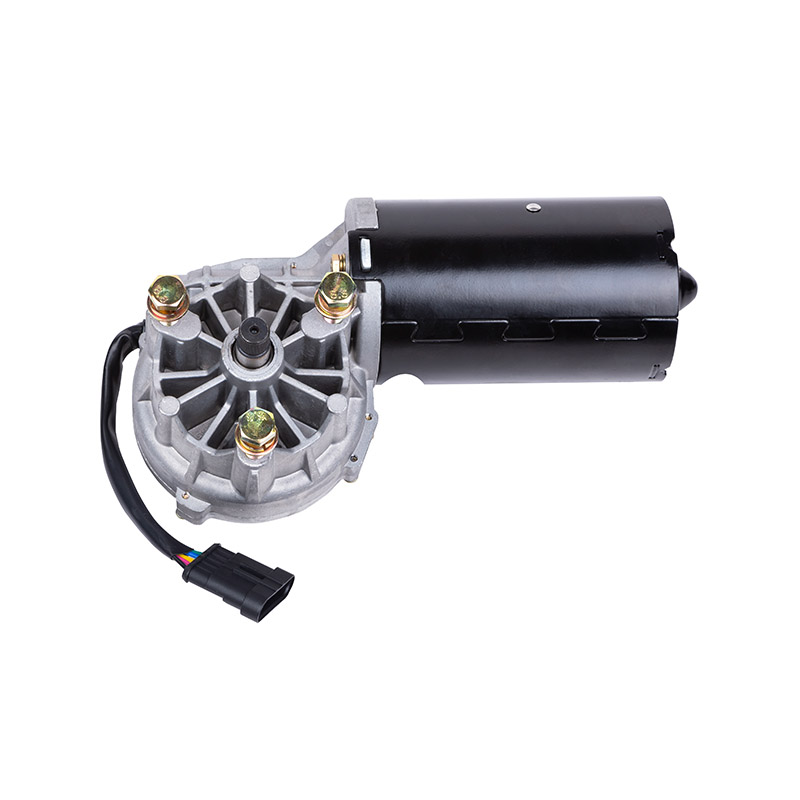
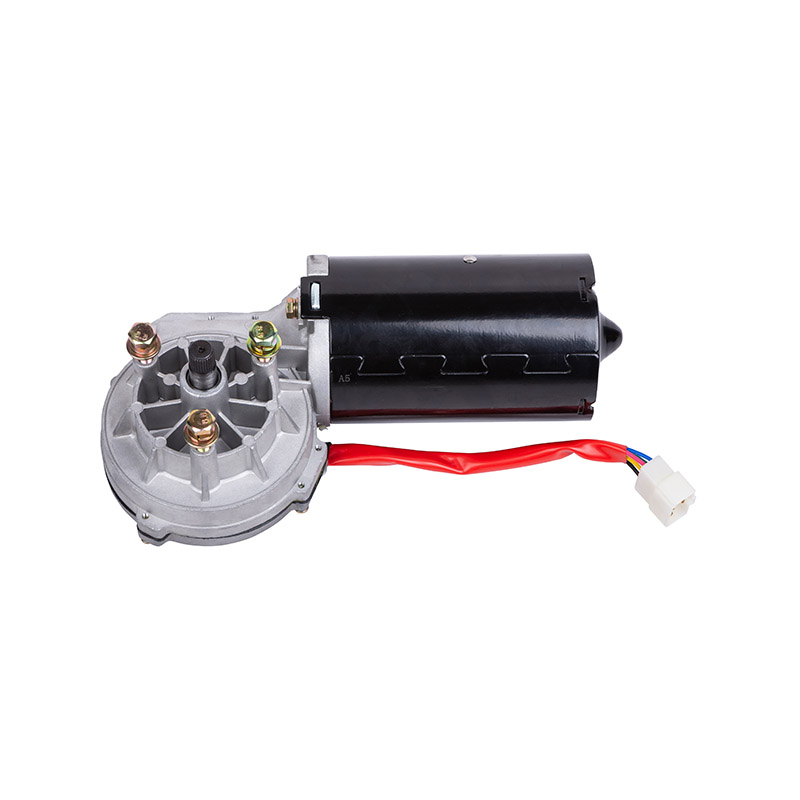
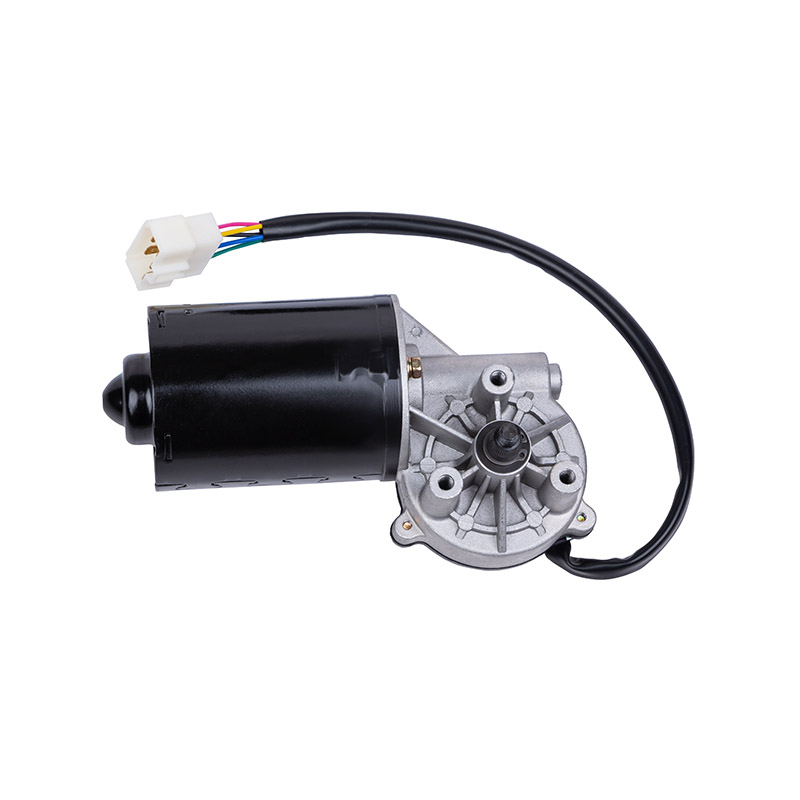
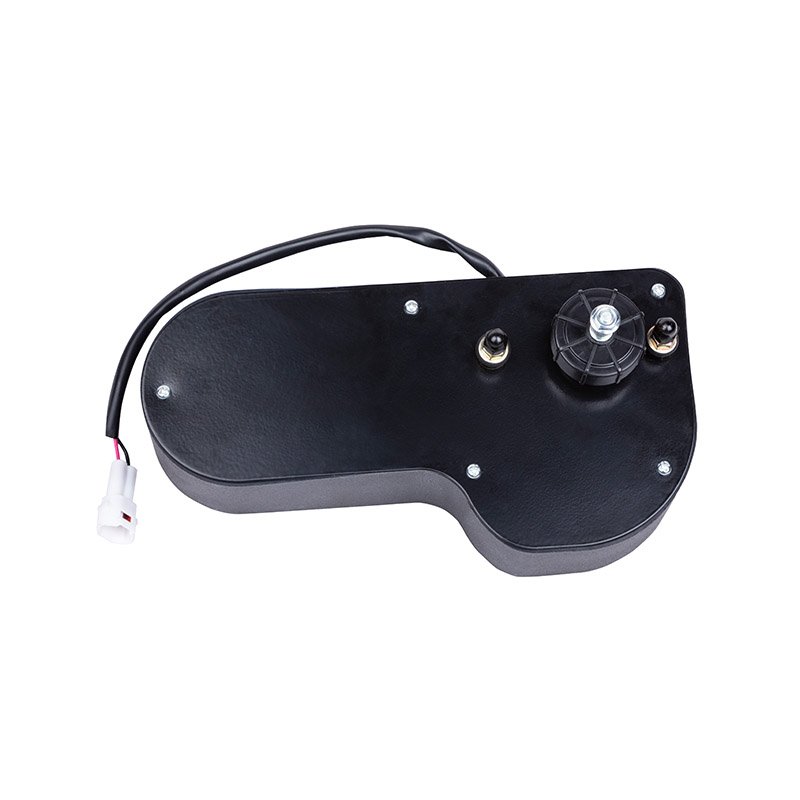
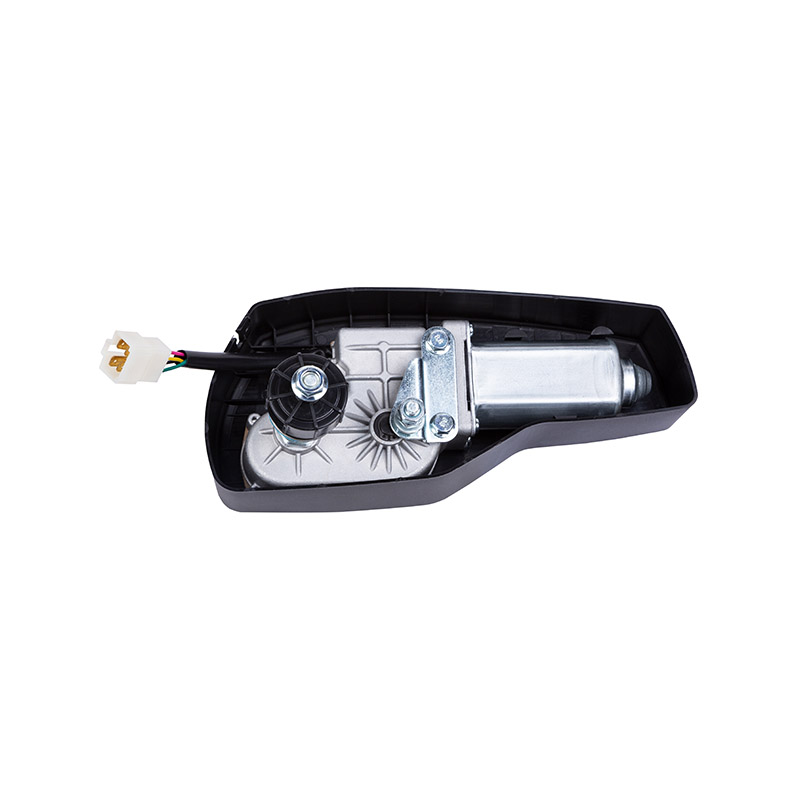
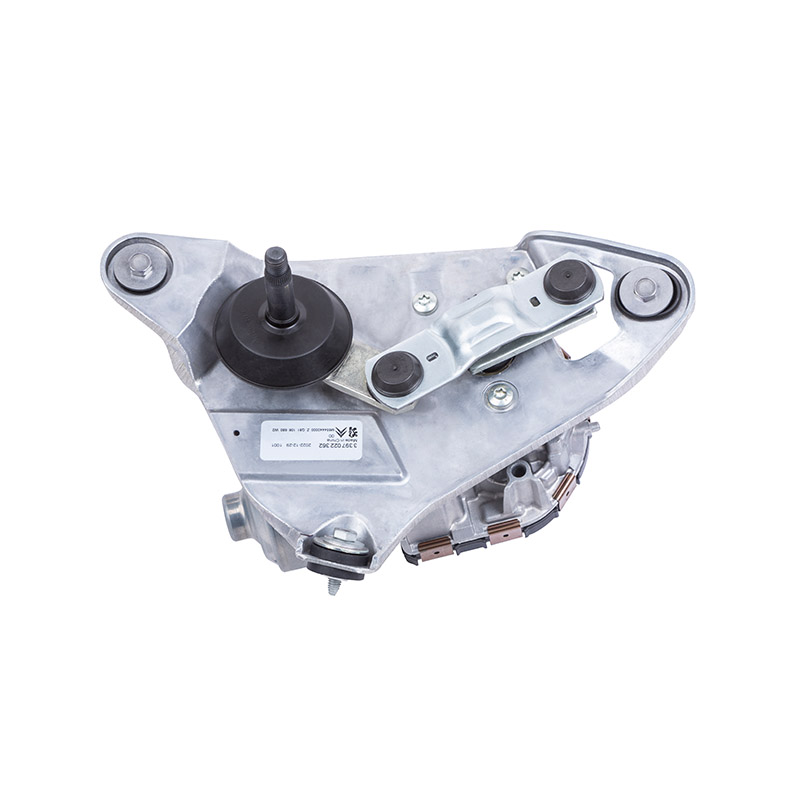
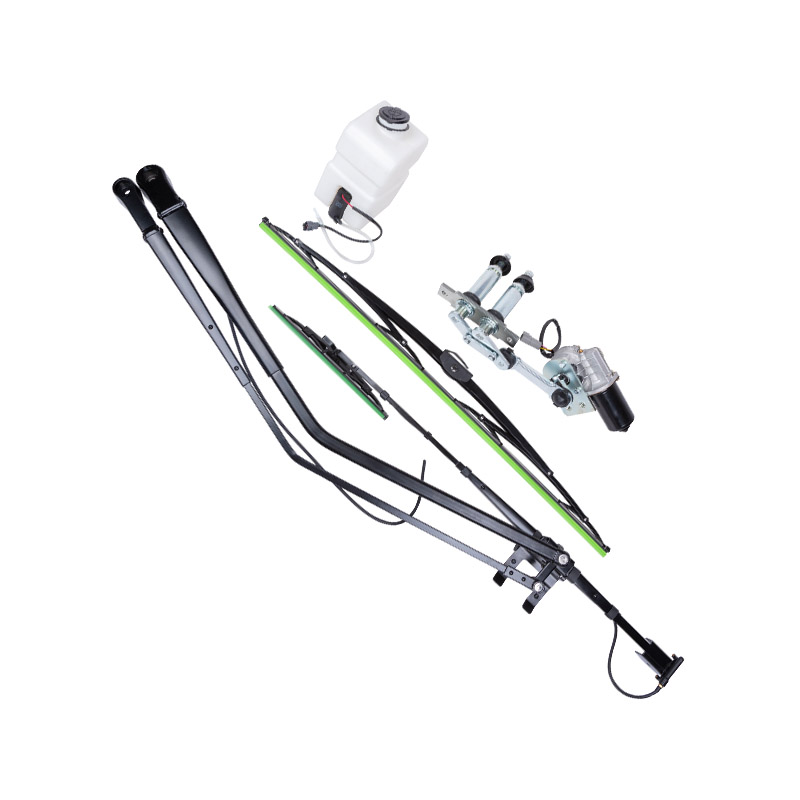
A marine wiper system is designed specifically for vessels, with durability and resistance to corrosion as critical features. Unlike typical automotive wipers, marine wipers must endure prolonged exposure to saltwater and bad weather conditions. They also require motors capable of continuous operation under varying loads. In this context, a marine wiper motor kit is essential. These kits provide the mechanical power necessary to drive wiper blades reliably while being protected against water ingress and corrosion.
Selecting Suitable Wiper Blades
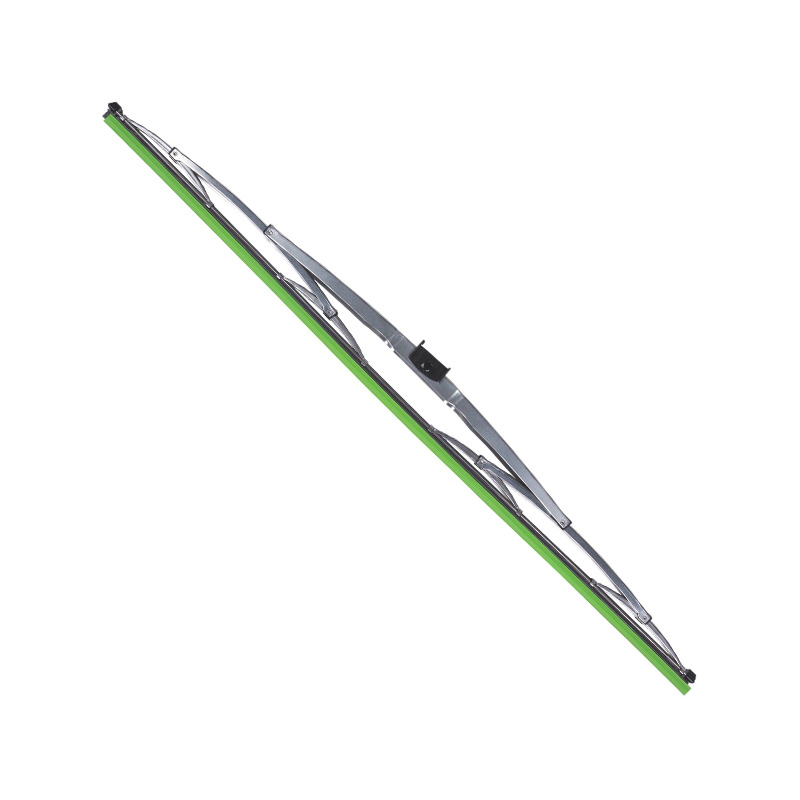
One of the more visible parts of the marine wiper system is the blade itself. While automotive car windshield blades are designed for short-term exposure to rain, marine-grade blades are typically constructed from materials that can withstand UV exposure and saltwater contact. However, lessons from automotive blade design can inform marine applications. For example, selecting blades with consistent pressure along the glass surface ensures effective wiping, reducing streaks that could obscure the operator's view.
Upgrading Motors and Kits
A marine wiper motor kit upgrade can significantly enhance system performance. Modern kits often include corrosion-resistant motors, robust mounting brackets, and durable linkages. When planning an upgrade, it is important to consider the electrical requirements of the bridge system. Motors should be compatible with the vessel's voltage and capable of operating under heavy loads without overheating. Additionally, marine-grade brushes and sealed housings can prolong the motor's operational life in challenging conditions.
Integrating Automotive Solutions
Interestingly, components from car front window wipers can sometimes be adapted for marine use. The key is ensuring that any automotive-derived parts are treated for corrosion resistance and have adequate sealing. Rubber compounds used in automotive blades can offer smooth wiping action and reduced noise, which is beneficial in the confined space of a navigation bridge. Moreover, adjustable arms from car wipers can provide flexible mounting options, making it easier to retrofit existing marine wiper systems.
Routine Maintenance and Inspection
Upgrading a marine wiper system is only effective when paired with regular maintenance. Even high-quality car windshield blades adapted for marine use can degrade over time due to UV exposure and salt accumulation. Inspecting blades for cracks or hardening, checking the motor kit for loose connections, and cleaning the linkages are practical steps that extend system reliability. Routine lubrication of moving parts and ensuring proper tension on wiper arms also prevents uneven wiping and premature wear.
Benefits of Modern Upgrades
Modern marine wiper system upgrades offer several practical advantages. Clear visibility on the navigation bridge enhances safety during adverse weather conditions. Corrosion-resistant components reduce downtime caused by part replacement, while improved motor performance ensures consistent wiping speed and pressure. Even simple upgrades, such as replacing worn blades with treated car windshield blades, can improve operational efficiency without major structural changes.
Marine wiper system upgrades are a sensible approach to maintaining safe and efficient operations on navigation bridges. By incorporating components like the marine wiper motor kit and thoughtfully adapting car front window wipers and car windshield blades, vessel operators can achieve more reliable performance under challenging conditions. Coupled with routine maintenance, these upgrades provide a practical way to enhance bridge visibility and support safe navigation.