

 English
  Español
  русский
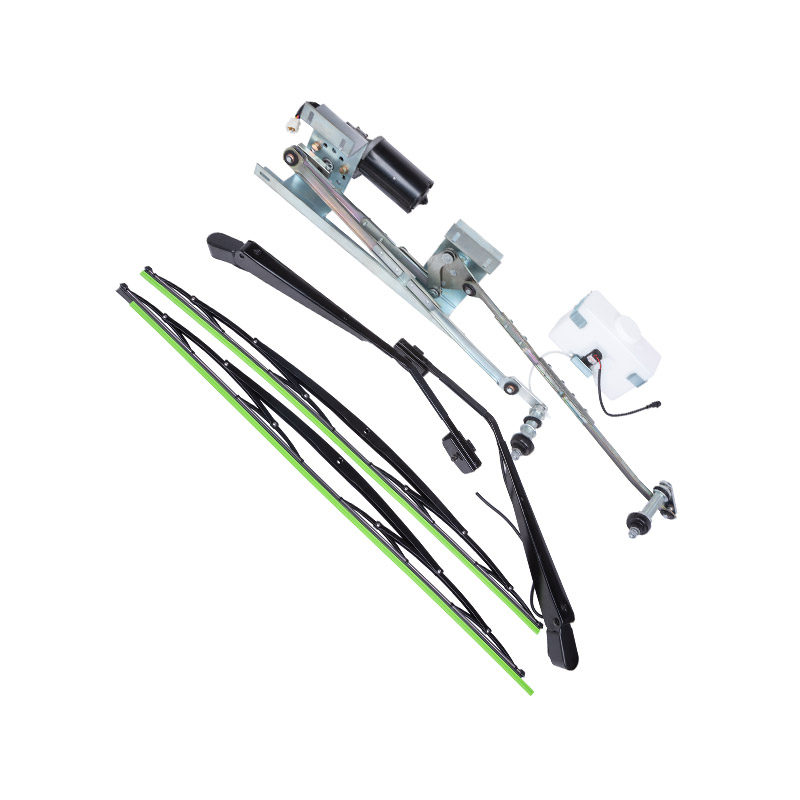
 In marine environments, visibility is one of the more critical aspects of safe navigation. A reliable marine wiper system plays an essential role in ensuring that operators maintain a clear view, especially in conditions of rain, sea spray, or fog. The integration of the electrical motor and control unit within a marine wiper system is central to achieving consistent performance. By understanding the relationship between boat wiper motors, control mechanisms, and accessories like high performance windshield wipers, vessel operators can improve both safety and efficiency on the water.
The Function of the Boat Wiper Motor
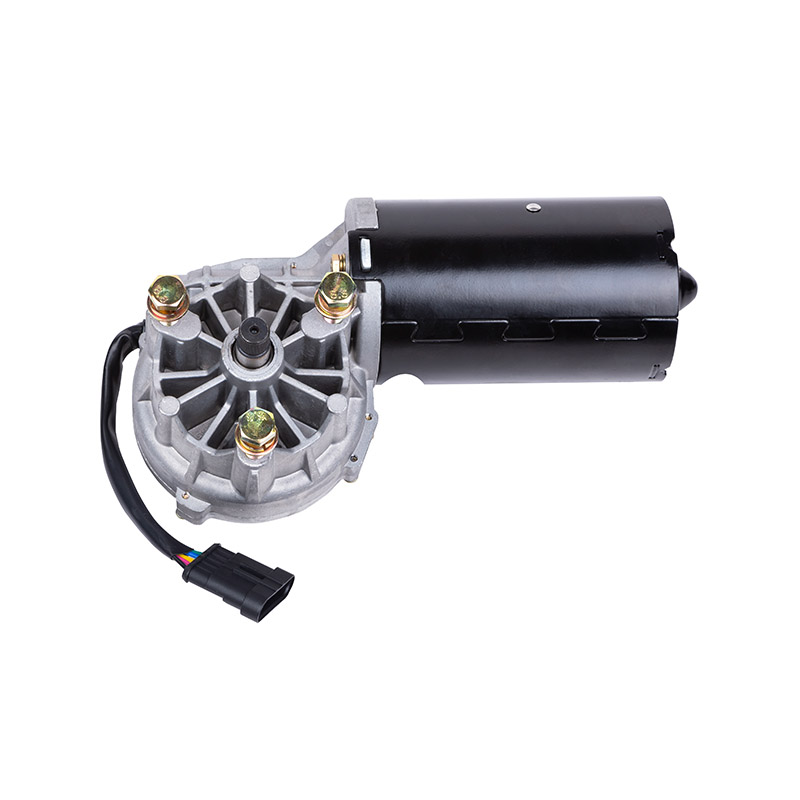
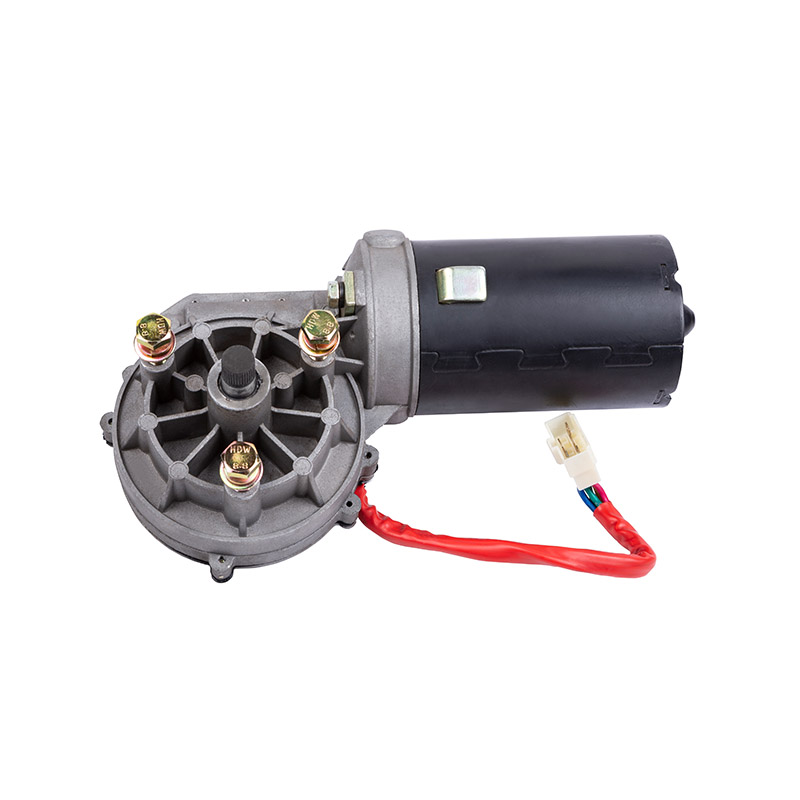
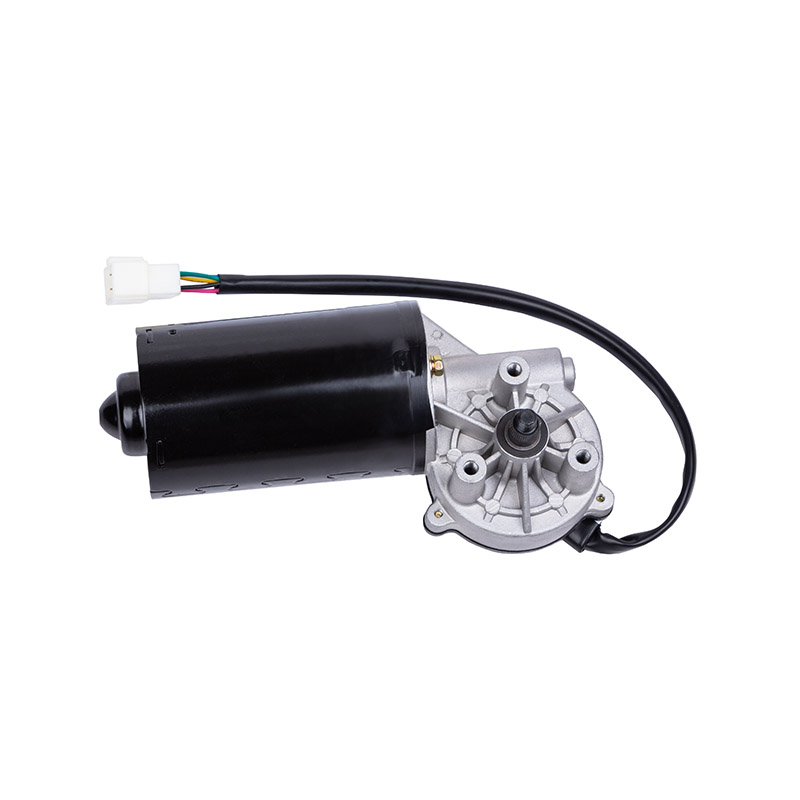
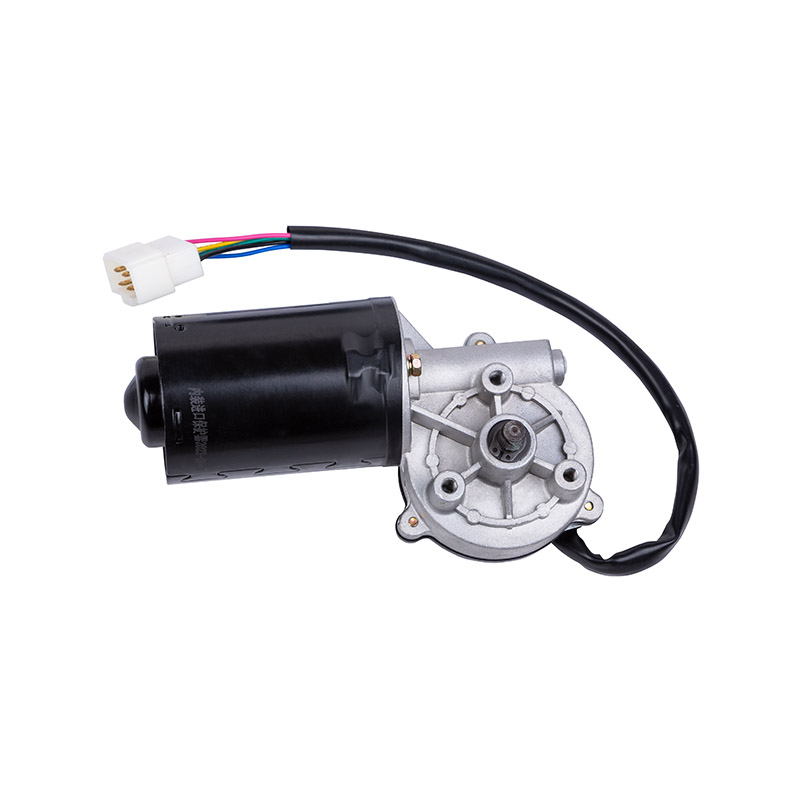
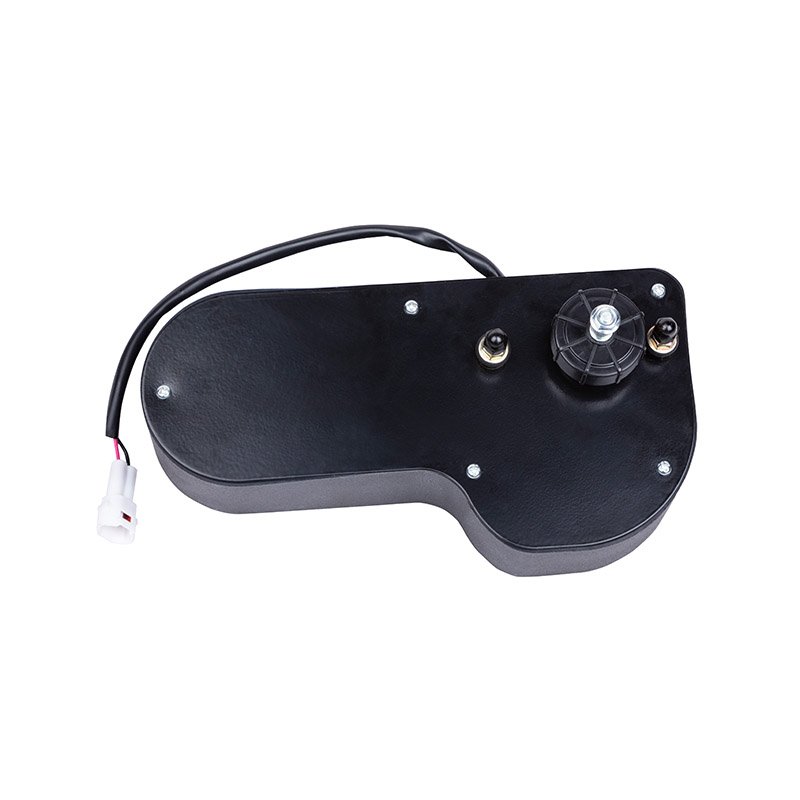
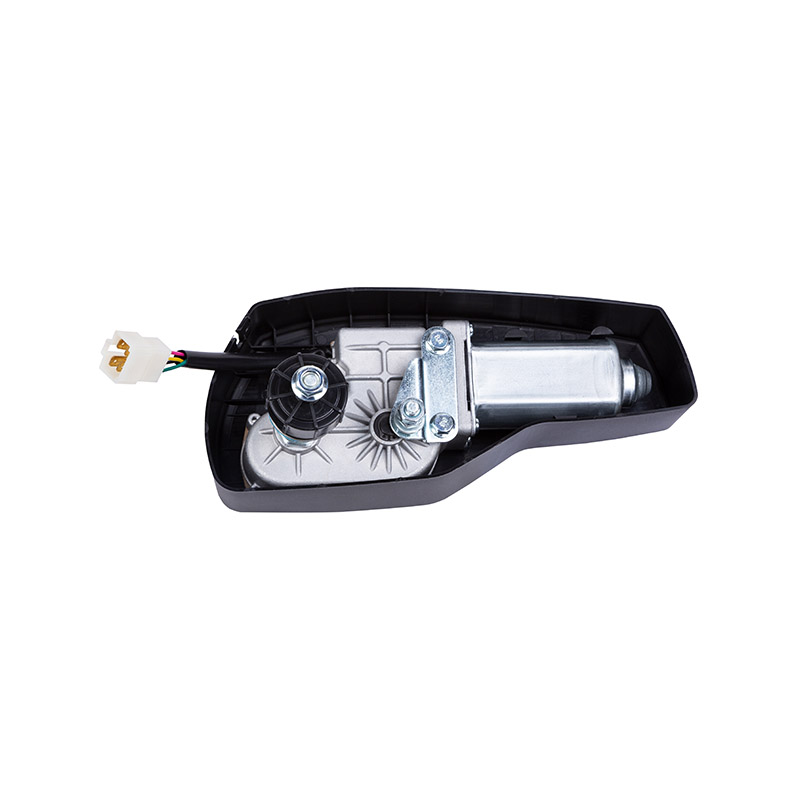
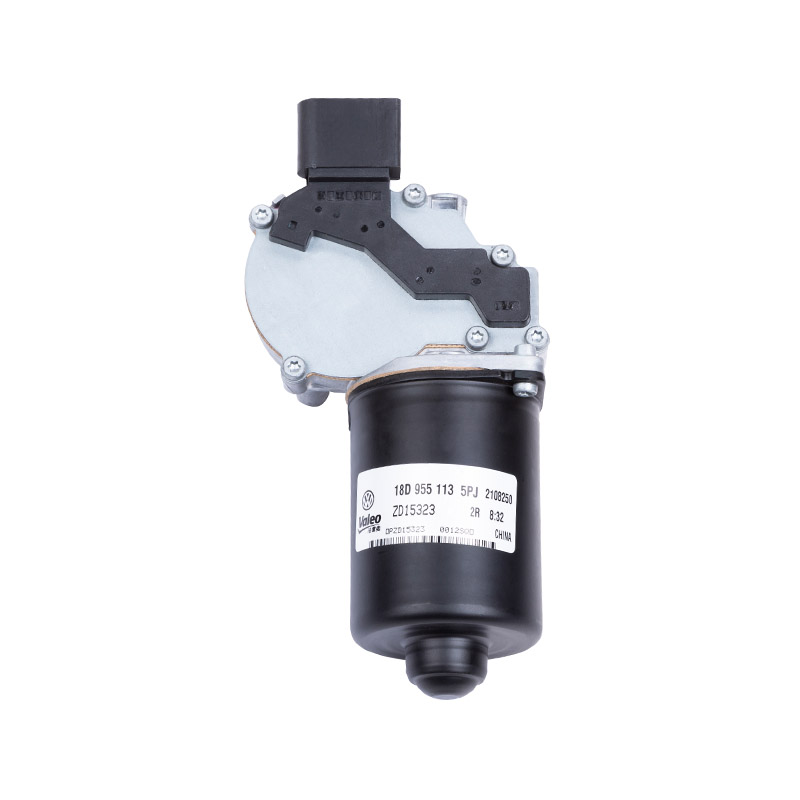
At the core of every marine wiper system is the boat wiper motor. This component transforms electrical energy into mechanical force, enabling the wiper arm and blade to move across the windshield. Unlike conventional automotive motors, marine-specific wiper motors are designed with enhanced sealing and resistance to corrosion. Exposure to saltwater, humidity, and temperature fluctuations demands that the motor structure be built to endure harsher conditions.
Boat wiper motors are often compact, yet powerful enough to generate the torque required for continuous operation. For small vessels, a moderate torque motor may be sufficient, while larger ships with wide windshields rely on high torque wiper motors to provide stable and uniform wiping performance across larger surface areas.
High Torque Wiper Motor Applications
The need for high torque wiper motors becomes clear when considering the unique demands of marine vessels. Large bridge windows require wiper arms with greater length and strength, which in turn demand more torque to maintain consistent pressure on the glass. Without sufficient torque, wipers may skip or stall, pilot to uneven clearing and impaired visibility.
High torque wiper motors are therefore widely used in ferries, offshore support vessels, cargo ships, and other maritime applications where reliability under strain is critical. These motors often feature robust gear systems and reinforced housings that allow them to handle the mechanical stress of heavy wiper arms operating for extended periods.
The Role of High Performance Windshield Wipers
While the motor provides the force, the efficiency of the wiping action depends on the wiper blades themselves. High performance windshield wipers are designed to maintain close contact with the glass, even in strong winds or heavy seas. The materials used for these blades, typically high-grade rubber or silicone, resist degradation from salt, UV exposure, and continuous use.
For marine operators, choosing high performance windshield wipers means achieving a clear field of vision with fewer streaks and less noise. When paired with the correct motor and arm configuration, these wipers significantly improve the operator's ability to navigate safely in challenging conditions.
Integration of Motor and Control Systems
The true efficiency of a marine wiper system lies not only in the motor and blades but also in the control unit. Modern wiper systems often include variable speed settings, interval wiping functions, and synchronization between multiple wipers. The integration of the electrical motor with these control features allows operators to adapt quickly to changing weather conditions.
For example, during a a light drizzle, an interval setting conserves motor wear and energy consumption while still maintaining visibility. In heavy rain or storms, continuous high-speed wiping can be activated. Synchronization ensures that multiple wipers move in harmony, preventing gaps in visibility across large windows.
Advanced control systems may also include self-parking features, which return the wiper arms to a defined position when switched off, keeping the operator's view unobstructed. In some marine applications, integration with the vessel's main control console allows for easy operation without distracting the crew from navigation tasks.
Maintenance and Reliability
Proper integration of the electrical motor and control system also simplifies maintenance. When motors, arms, and blades are matched correctly, wear and tear is lessened, reducing downtime and replacement frequency. Regular inspection of the boat wiper motor, cleaning of contacts, and lubrication of moving parts ensure that the system continues to function effectively.
Control units should also be checked periodically to confirm that all settings respond correctly. Marine operators benefit from scheduling preventive maintenance, as unexpected wiper system failure during poor weather can create hazardous situations.
A marine wiper system is far more than a simple accessory. The integration of the electrical motor, control unit, and high performance windshield wipers defines how effectively a vessel can maintain visibility under challenging weather conditions. The boat wiper motor supplies the power, the high torque wiper motor meets the demands of larger vessels, and the blades ensure clean wiping performance. Together, these elements create a balanced system that contributes directly to safer navigation.