

 English
  Español
  русский
 Navigating at sea presents unique challenges. Rain, sea spray, and changing weather conditions can quickly obscure a vessel's visibility. For this reason, the marine wiper system plays a vital role in supporting safe operations on the water. Regular inspection of these systems helps ensure that the crew has a clear line of sight during voyages. Below is a practical inspection checklist that highlights key points of attention, while also connecting to related technologies such as boat windshield wipers, parts of car wipers, and stainless steel windshield wipers.
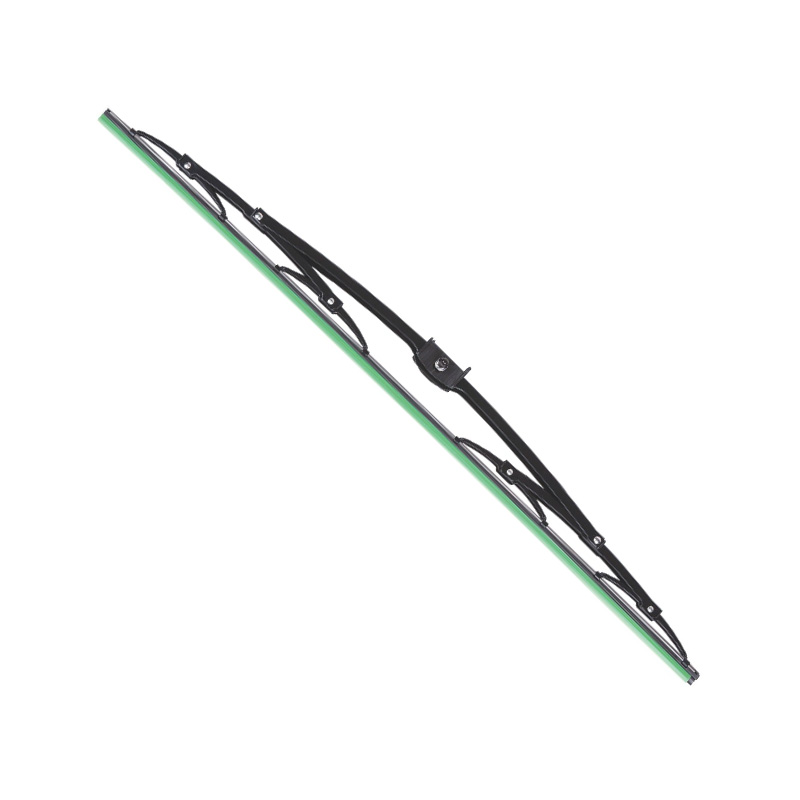
Understanding the Marine Wiper System
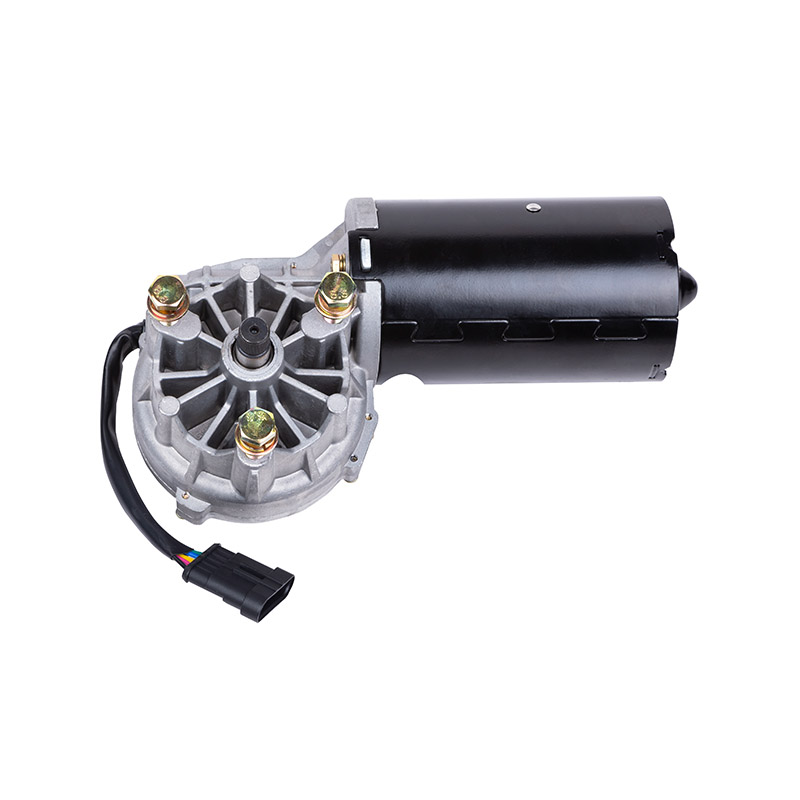
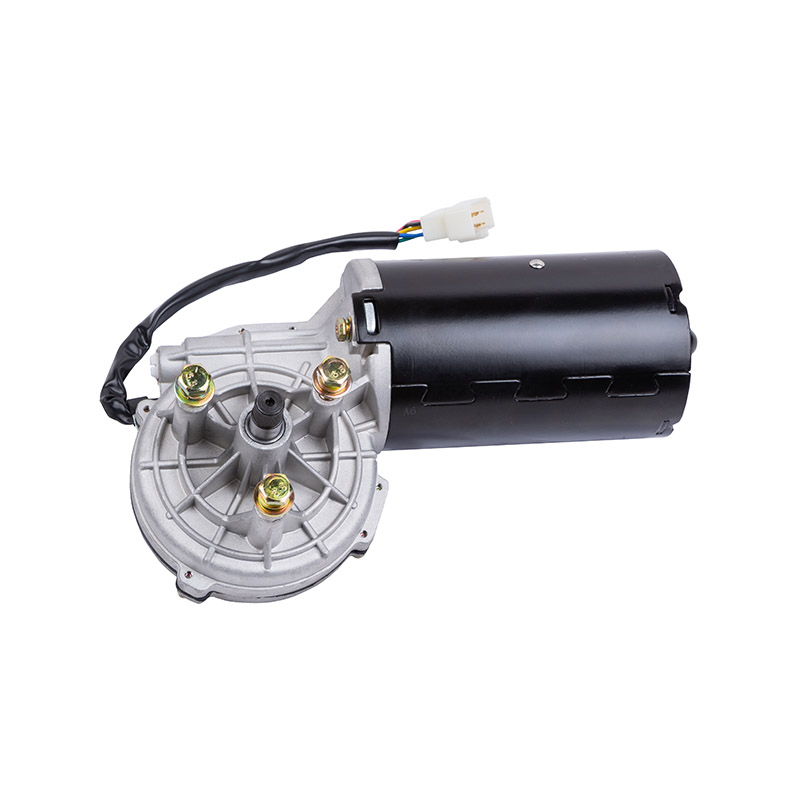
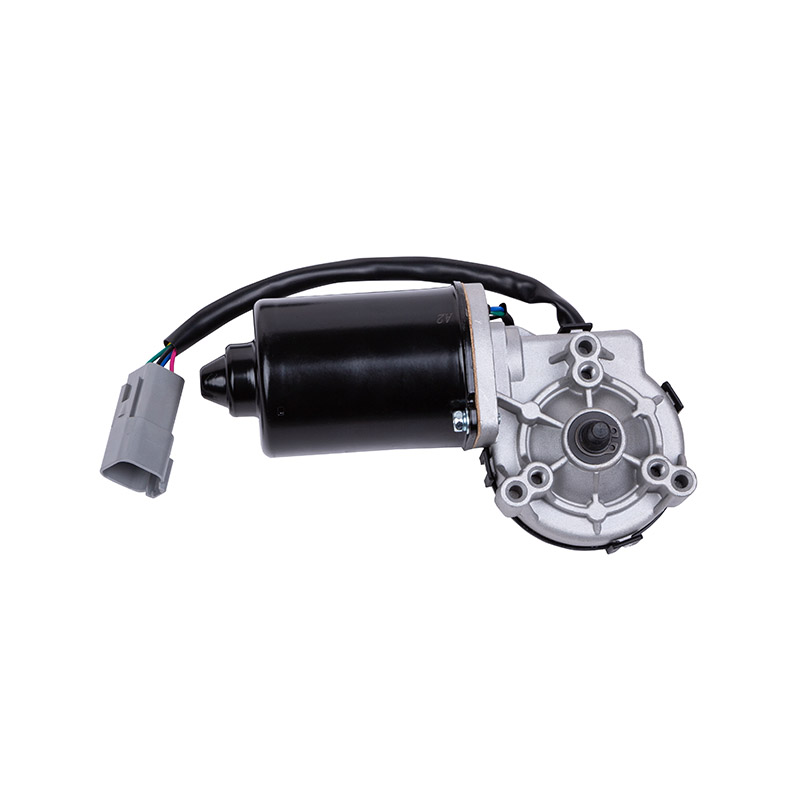
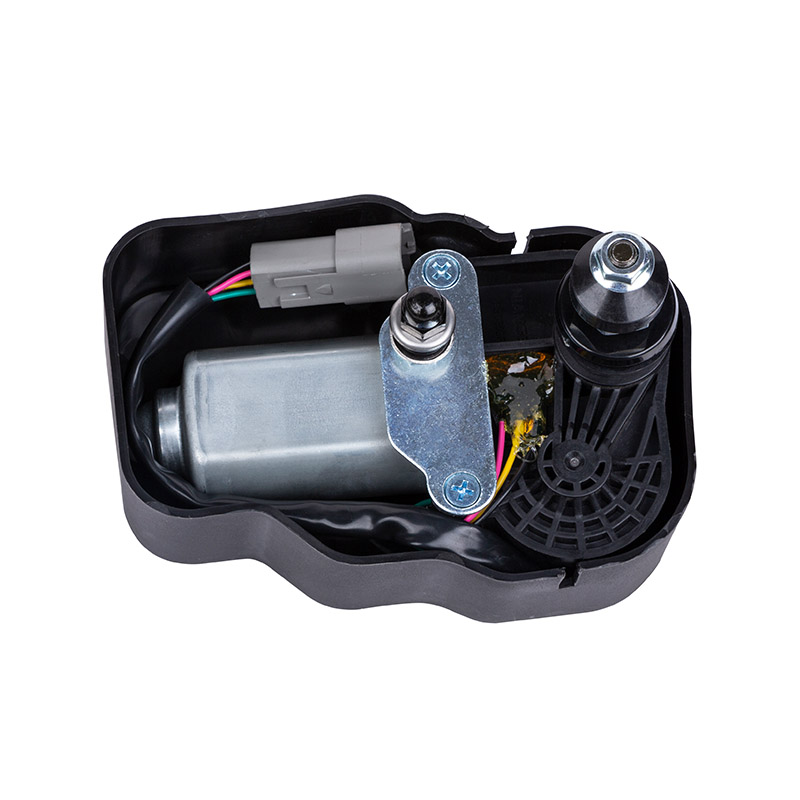
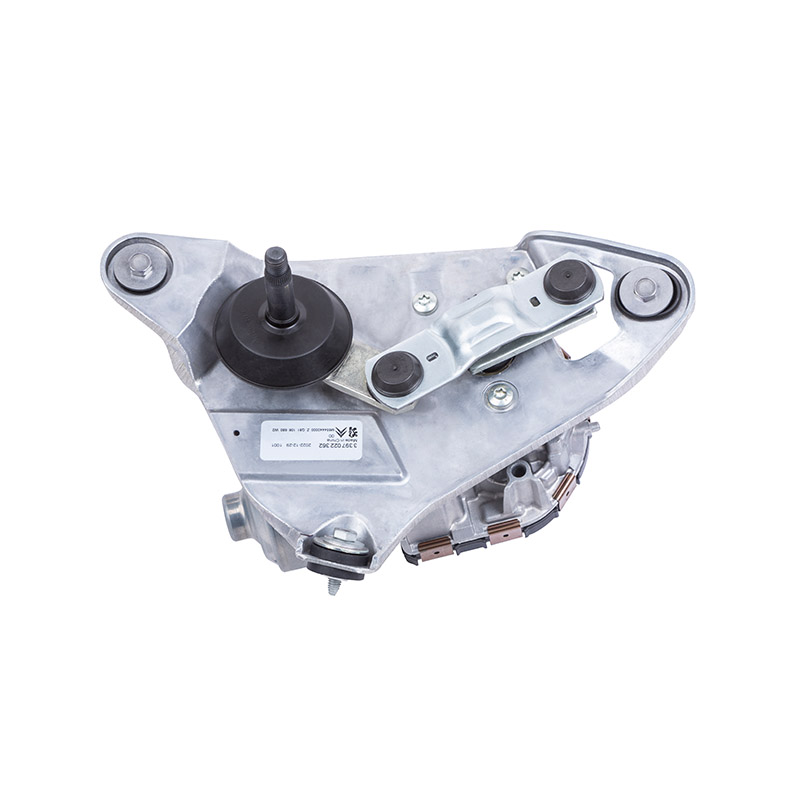
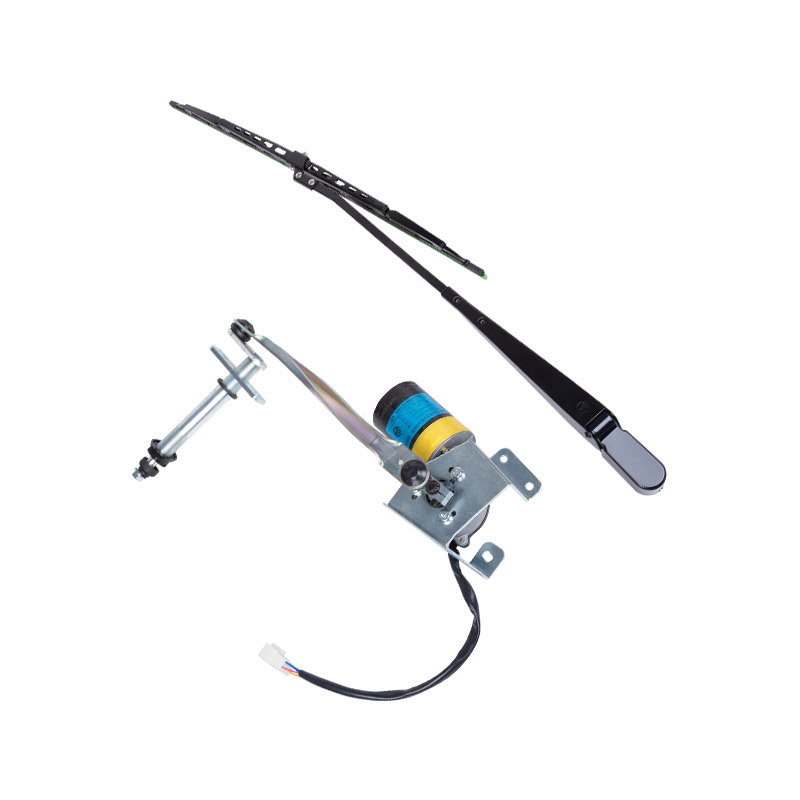
A marine wiper system is more than just a set of blades. It is an integrated unit consisting of motors, arms, blades, control switches, and supporting hardware. Unlike automotive systems, marine wipers are designed to handle exposure to salt, continuous moisture, and the vibrations of large engines. Inspecting the system regularly not only prevents unexpected breakdowns but also helps maintain consistent visibility under harsh weather conditions.
Motor and Power Supply Check
The motor is the heart of any marine wiper system. During an inspection, the crew should:
Verify that the motor runs smoothly without irregular noises.
Check the electrical connections for corrosion or loose terminals.
Test the wiper at different speeds to confirm steady performance.
In comparison, when examining parts of car wipers, the motor test is similar, though marine motors usually require more robust waterproofing. Ensuring these systems remain reliable is essential for safe vessel navigation.
Wiper Arms and Blade Condition
Wiper arms are responsible for applying consistent pressure across the windshield surface. The crew should:
Look for signs of corrosion or bending.
Ensure the spring tension provides even blade contact.
Replace arms showing signs of wear or reduced flexibility.
Blades are equally important. They should be free from cracks, hardened edges, or uneven surfaces. Stainless steel windshield wipers, often used in marine environments, resist corrosion better than standard versions and provide a longer service life. When installed correctly, they help maintain clear visibility even in heavy seas.
Mounting Hardware and Alignment
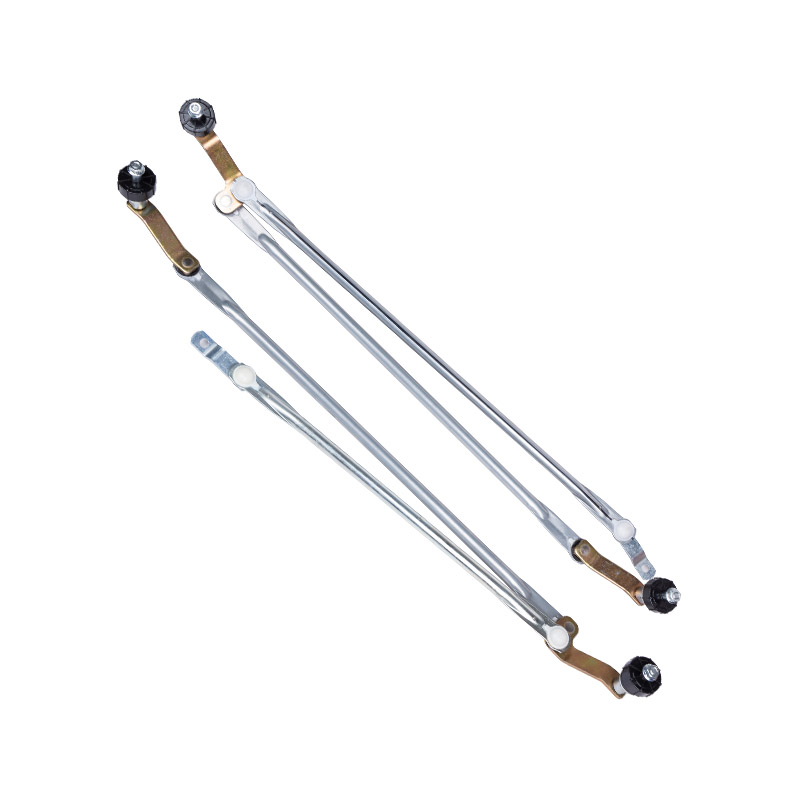
Loose mounting hardware can reduce system performance and increase wear. Inspection should include:
Tightening all bolts and screws securing the motor and arm assembly.
Checking that the blades sweep across the glass evenly without missing sections.
Adjusting alignment if the wiper motion appears irregular.
This process resembles adjusting boat windshield wipers, where secure fitting prevents vibration and ensures effective wiping on curved or angled glass panels.
Electrical Controls and Switches
The control system allows the crew to adjust speed and mode as required. An inspection should involve:
Testing all speed settings, including intermittent and continuous modes.
Ensuring the switch panel is free from water intrusion.
Checking fuses and circuit protection devices.
Malfunctioning controls can compromise safety, especially in sudden storms. Consistent checks reduce the risk of failure during critical navigation periods.
Washer System and Fluid Levels
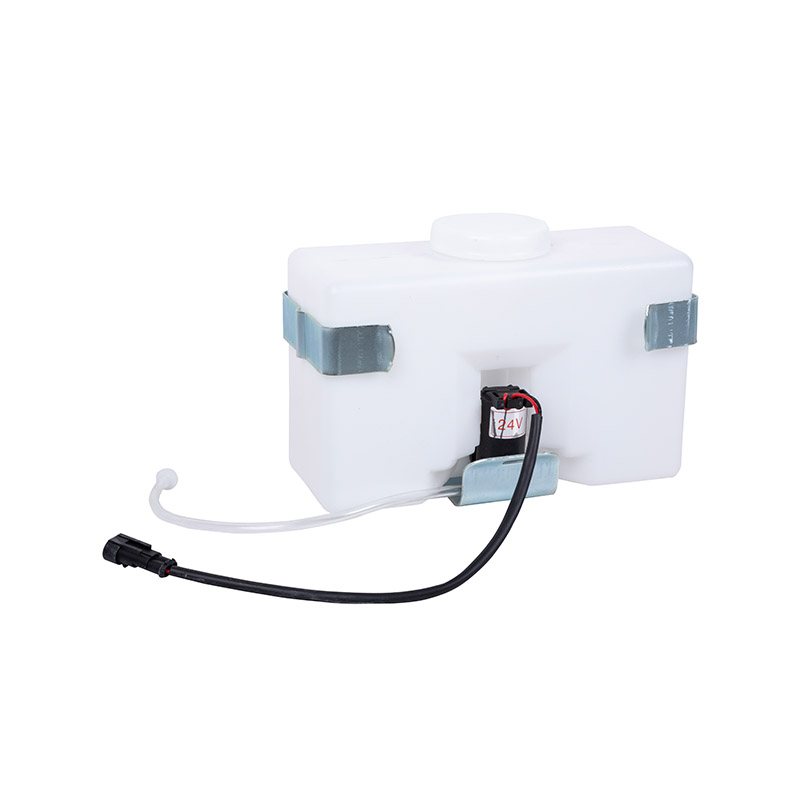
Many marine wiper systems include washer units that spray fresh water or cleaning solution. These are crucial for removing salt residue. The crew should:
Verify that the washer pump operates correctly.
Ensure that the fluid reservoir is filled with the appropriate solution.
Inspect the nozzles for blockages or misalignment.
This step is similar to routine maintenance for parts of car wipers but adapted for marine conditions, where salt deposits are a constant concern.
Environmental Considerations
Marine systems face unique exposure to saltwater, humidity, and temperature fluctuations. Inspections should address:
Protective coatings on metal surfaces.
Signs of rust or galvanic corrosion.
Integrity of seals around the motor and wiring.
Stainless steel windshield wipers are particularly valuable here, as their resistance to corrosion makes them more suitable for prolonged sea use compared to traditional materials.
Recordkeeping and Preventive Replacement
Every inspection should be documented. Recording motor performance, blade condition, and alignment adjustments helps the crew anticipate future maintenance needs. Preventive replacement of blades and worn parts ensures uninterrupted visibility during upcoming voyages.
A marine wiper system is a small but critical component of maritime safety. From motors and arms to blades and washers, each element deserves attention during inspections. By following a structured checklist, the crew can maintain reliable visibility, reducing risks when navigating through unpredictable seas. Whether considering boat windshield wipers, automotive designs, or corrosion-resistant stainless steel windshield wipers, the key lies in regular care and timely replacement. A consistent inspection routine not only extends the service life of the system but also contributes directly to crew safety on every journey.